
Film
Hitler: A Career
- Crime
- Very dark
A 1977 West German documentary that traces Hitler's ascent from failed artist to dictator, using archival footage and contemporary analysis to examine how mass psychology, economic desperation, and political manipulation enabled the rise of fascism. Unflinching and instructive rather than sensational—essential viewing for understanding how democracies fail.
If you liked this
The Act of Killing2012
Indonesian death-squad leaders re-enact their own atrocities on film. A devastating exploration of how perpetrators rationalize horror, and how cinema itself becomes a tool for understanding complicity and denial.
But Extremely difficult to watch. The footage is graphic, and the filmmakers' method—letting killers control their own narrative—is morally unsettling by design.

Night and Fog1956
Alain Resnais's 32-minute masterpiece moves between present-day Auschwitz and archive footage to confront the Holocaust's incomprehensible scale. Poetry and evidence fused into something unforgettable.
But The brevity can feel inadequate to the subject. Some find the lyrical approach to atrocity emotionally evasive rather than deepening.

Triumph of the Will1935
Leni Riefenstahl's Nazi propaganda film is visually hypnotic—and that's exactly the point. Watching it illuminates how fascism seduced millions through aesthetic intoxication, not argument.
But It's a Nazi propaganda film. Viewing it requires steady moral clarity and can feel complicit even when educational intent is clear.
Not sure tonight? Get a pick in a minute, starting from Hitler: A Career
The wildcard
Something you would not have found on your own.
The White Rose1982
Both are unflinching historical documentations that refuse to let viewers off the hook. Where Hitler examines how the masses were deceived, The White Rose shows those who saw clearly and chose resistance anyway.
Marc Frey's film about the Munich student resistance movement—Hans and Sophie Scholl—shows fascism opposed from within, by intellectuals with moral clarity. Rare and essential history.
But East German production, less technically polished than Western equivalents. The distribution was limited; genuinely hard to find in good quality.
More like this (7)
Come and See1985
Soviet director Elem Klimov's film follows a young boy's journey into WWII's horrors. The most devastating anti-war film ever made—visceral, unforgettable, morally unambiguous.
But Genuinely traumatizing. It doesn't entertain or explain; it *assaults*. Not for casual viewing or sensitive viewers.

The Fog of War2003
Errol Morris interviews Robert McNamara about Cold War decision-making. Fascinates by showing how intelligent, well-meaning people commit catastrophic errors through compartmentalized thinking.
But Intellectually cerebral. No dramatic reconstruction or narrative drive—purely conversational, which some find static.
Shoah1985
Claude Lanzmann's nine-hour oral history collects testimony from survivors, perpetrators, and witnesses. Monumental in scope and moral seriousness; changes how you understand testimony itself.
But Nine hours. Deliberately slow and repetitive—Lanzmann refuses easy catharsis. Demands total commitment and emotional endurance.

Schindler's List1993
Spielberg's Holocaust epic humanizes victims and confronts horror through a man who chooses to act. Emotionally devastating but ultimately affirms the power of individual conscience.
But Some find its scale and emotional manipulation—the famous structure, the score—turn atrocity into cinema spectacle. Occasionally feels engineered for tears.

Into the Arms of Strangers: Stories of the Kindertransport2000
Oscar-winning documentary about British families who took in Jewish refugee children before WWII. A counterweight to despair—evidence of decency and intervention at the moment it mattered most.
But Gentler in register than the subject deserves. Some feel its uplift tone softens the urgency of what was at stake.
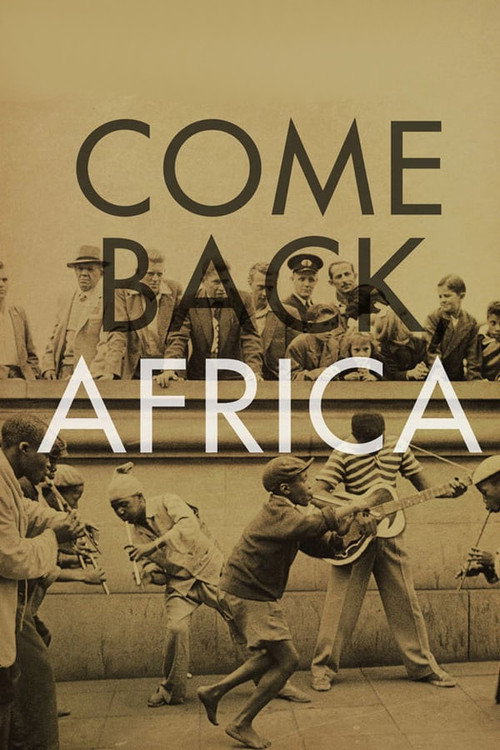
Come Back, Africa1959
Both use documentary form to expose the machinery of authoritarianism and dehumanization. Where Hitler traces the ascent of evil, Come Back, Africa shows evil in its daily, bureaucratic operation against ordinary people.
Lionel Rogosin's near-banned documentary captures Apartheid South Africa through the eyes of a Black worker. Raw, unauthorized, shot in secret—cinema as clandestine resistance.
But Formally rough, no dramatic arc, sometimes feels like eavesdropping. Not a polished historical overview but something rawer and more troubling.
Persona1966
Both explore mass psychology and the construction of identity—but from opposite directions. Hitler shows how individuals surrender the self to ideology and spectacle; Persona asks what remains when the self refuses to participate, when authenticity becomes an act of resistance. One documents surrender; the other documents withdrawal.
Bergman's cryptic masterpiece: an actress goes silent; a nurse becomes obsessed with her. On surface, a psychological duel; actually an inquiry into identity, authenticity, and what happens when the self becomes a performance.
But Aggressively abstract. No plot, no conventional drama. Bergman breaks the fourth wall; the meaning remains deliberately elusive. Demands active interpretation.

People
Cast
 Gert WestphalNarrator (voice)
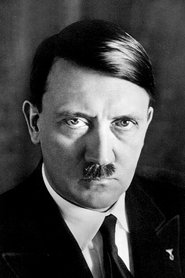 Adolf HitlerSelf (archive footage)
 Ernest BevinSelf (archive footage)
- Karl BrandtSelf (archive footage)
 Eva BraunSelf (archive footage)
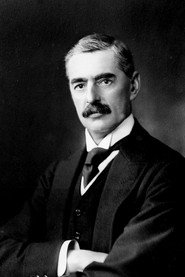 Neville ChamberlainSelf (archive footage)
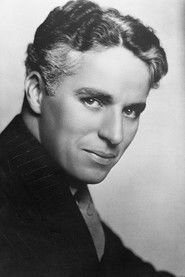 Charlie ChaplinSelf (archive footage)
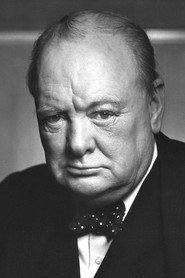 Winston ChurchillSelf (archive footage)
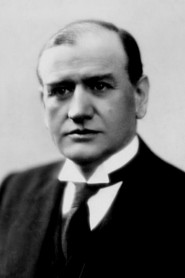 Édouard DaladierSelf (archive footage)
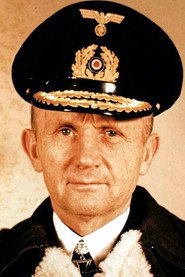 Karl DönitzSelf (archive footage)
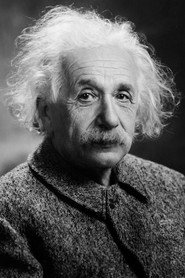 Albert EinsteinSelf (archive footage)
- Emperor Franz JosefSelf (archive footage)
Directing
- Christian HerrendoerferDirector
- Joachim FestDirector
Writing
- Joachim FestWriter
Production
- Werner RiebProducer