
Film
Persona
Ingmar Bergman's most formally daring film: an actress goes silent mid-performance, and the nurse assigned to care for her starts to unravel instead. Shot in severe black-and-white with a jarring, near-abstract opening, it slowly dissolves the boundary between two women until their faces seem to merge. Cerebral, unsettling, gorgeous — less a story than an experience, for viewers who want cinema that bites back.
If you liked this
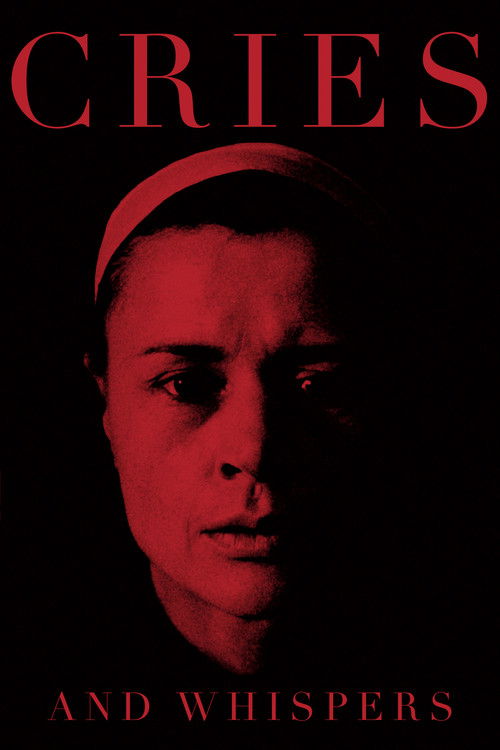
Cries and Whispers1972
If Persona's austerity got under your skin, this is Bergman in full colour and full grief — three sisters, a dying woman, rooms drenched red like the inside of a body. Unbearably intimate.
But It's even more punishing than Persona, with almost no relief from its emotional intensity — a genuinely heavy watch.
Wild Strawberries1957
Earlier and gentler Bergman, but the same obsession with memory, identity and the masks we wear — an old professor confronts his life in dreamlike flashback. A warmer door into his world.
But The gentleness might disappoint if you came to Bergman specifically for Persona's menace and formal shock.

3 Women1977
Altman openly borrowed Persona's DNA for this hazy desert fever dream about three women whose identities start leaking into each other. Shelley Duvall is extraordinary in it.
But Looser and stranger than Persona, with a dream logic some viewers find frustrating rather than hypnotic.

The wildcard
Something you would not have found on your own.
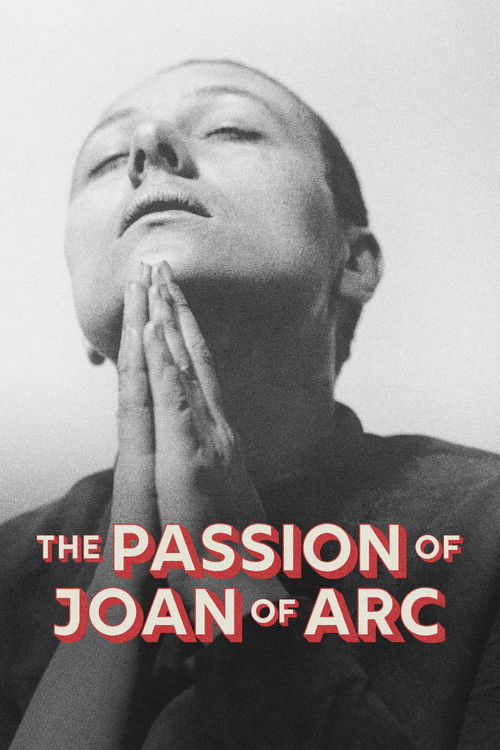
The Passion of Joan of Arc1928
Bergman cited this film's treatment of the face as landscape as a direct influence on Persona; both strip away plot to stare, unblinking, at a woman's expression as the entire drama.
Dreyer's silent masterpiece is almost entirely close-ups of a suffering woman's face — the same unbearable intimacy Bergman would chase four decades later. Falconetti's face carries the whole film without a word.
But Silent, from 1928, with title cards instead of dialogue — a real leap for anyone unused to the format.
More like this (8)
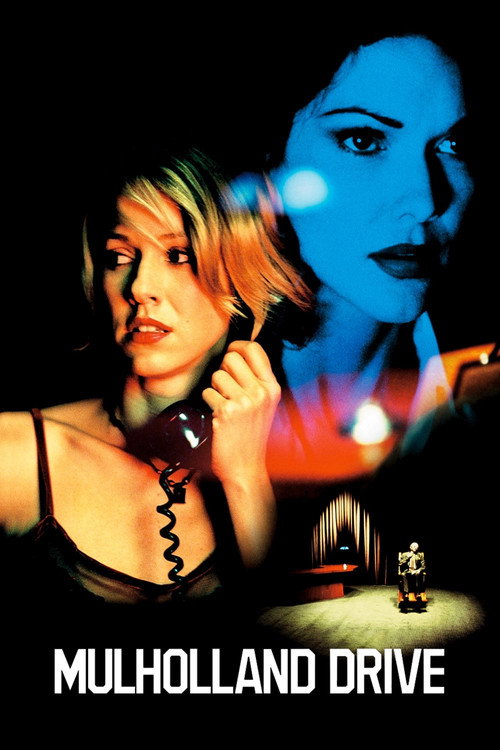
Mulholland Drive2001
Lynch's own identity-swap nightmare, with two women's selves bleeding into each other under Hollywood's blinding lights. Same vertigo as Persona, cranked up with Lynch's surreal dread.
But More plot, more incident, more overtly horror-adjacent — if you loved Persona's stillness, this may feel busy.
Black Swan2010
A ballerina's identity fractures under the pressure of performance — the same doubling and psychological collapse as Persona, pitched as psychosexual thriller. Natalie Portman is ferocious throughout.
But Far more melodramatic and visceral than Bergman's cool restraint; some will find it heavy-handed by comparison.

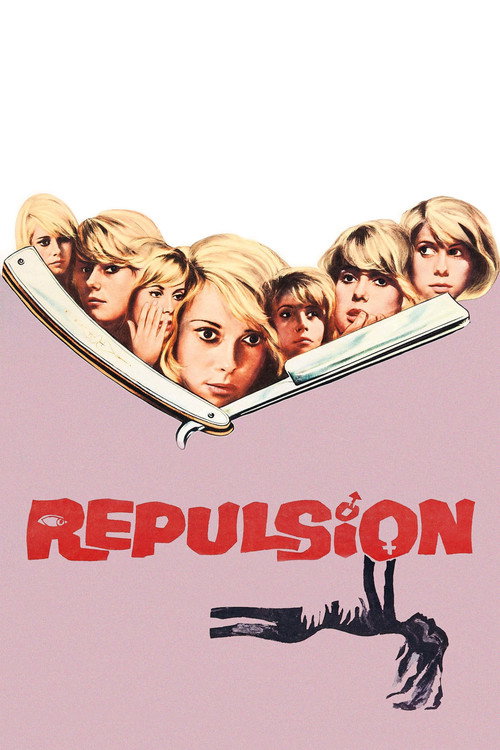
Repulsion1965
Made the same year as Persona, sharing its obsession with a woman's mind coming apart in isolation. Polanski's claustrophobic apartment becomes as unstable as Bergman's cottage by the sea.
But Trades Persona's ambiguity for overt horror imagery and a slower, more explicit descent into disturbing territory.
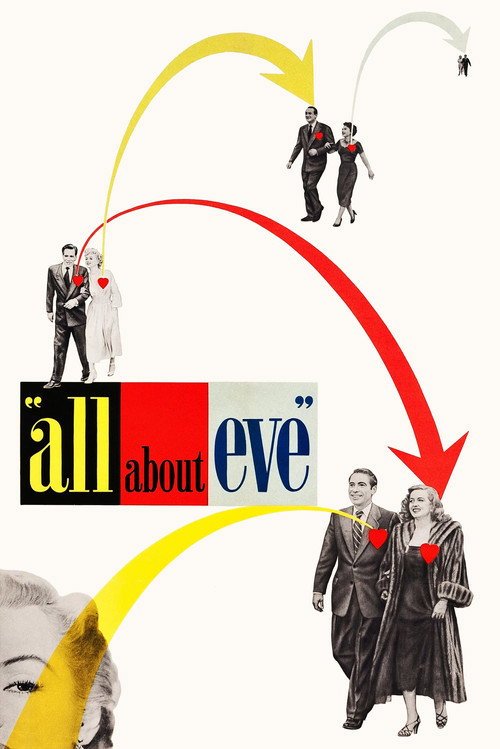
All About Eve1950
An earlier take on the actress-and-understudy dynamic, all wit and daggers instead of dread. Watch it for what Persona does without dialogue that this does entirely through it.
But Completely different register — sharp, theatrical and talky where Persona is silent and abstract.
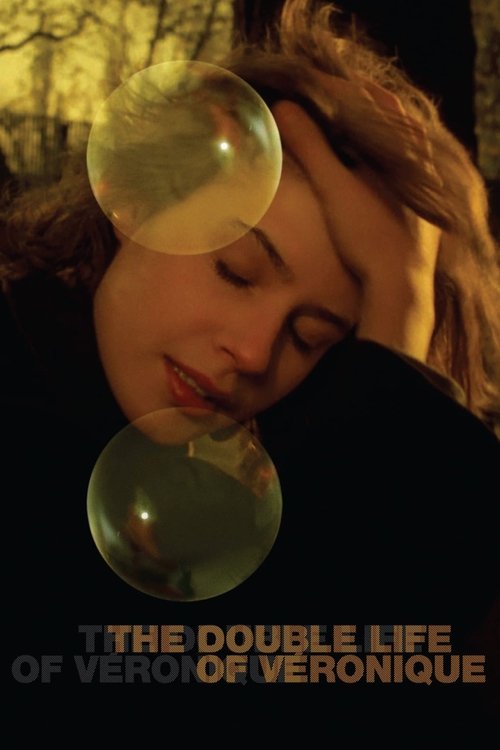
The Double Life of Véronique1991
Two women who may be the same soul, filmed with the same eerie tenderness Bergman brings to Alma and Elisabet. Kieslowski's colour replaces Bergman's shadow but the mystery haunts just as long.
But Softer and more romantic than Persona; if you want confrontation rather than reverie, it may feel too gentle.
Opening Night1977no page yet
Gena Rowlands as an actress losing her grip on the role she's playing and the woman she is offstage — a messier, more chaotic cousin to Elisabet's collapse.
But Cassavetes' loose, improvisational style is a world away from Bergman's control; some find it exhausting rather than illuminating.
Waltz with Bashir2008
Both use radical, unrealistic visual technique — animation here, superimposed faces there — to show a mind fracturing under something it can't process, rather than explaining it in words.
An animated documentary about a soldier trying to recover a buried memory — identity and trauma rendered in the same dreamlike, unstable imagery Bergman used for psychological collapse.
But It's a war memoir, not a chamber drama — the subject matter and animated form are a big tonal swerve from Bergman's austere realism.

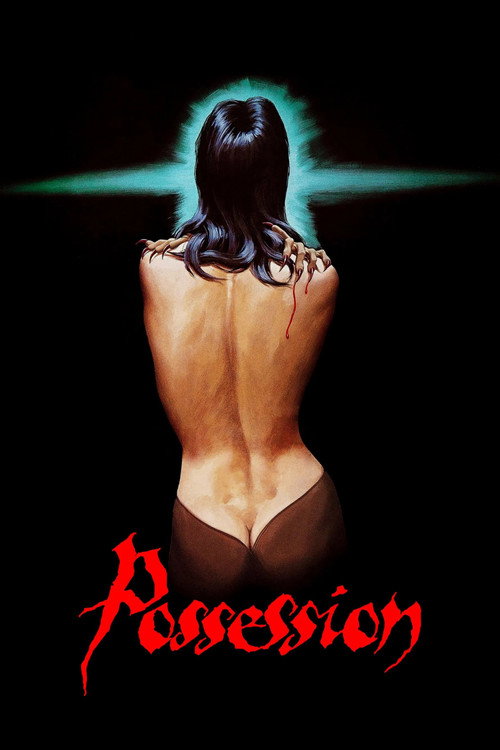
Possession1981
Both films use a woman's psychic collapse and doubling to interrogate identity and performance, but where Bergman whispers, Zulawski screams — same question, opposite volume.
Isabelle Adjani gives one of cinema's most deranged performances as a woman's identity and marriage disintegrate into body-horror hysteria. Same territory as Persona, played as operatic nightmare instead of cool restraint.
But Loud, grotesque and genuinely disturbing where Persona is quiet — not for anyone who prefers ambiguity to full-throttle horror.
People
Cast
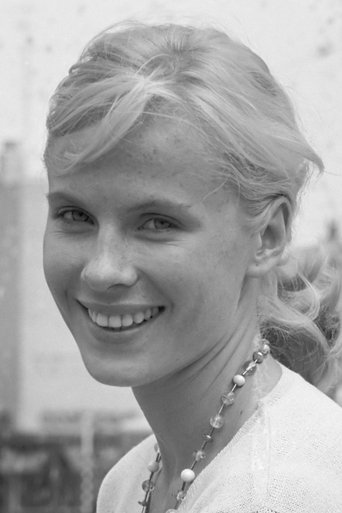 Bibi AnderssonAlma
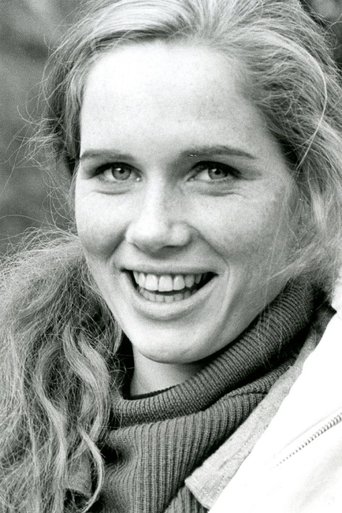 Liv UllmannElisabet Vogler
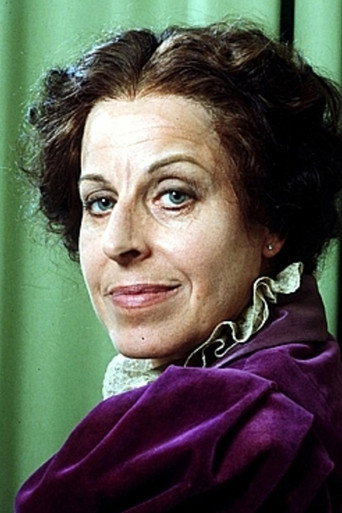 Margaretha KrookThe Doctor
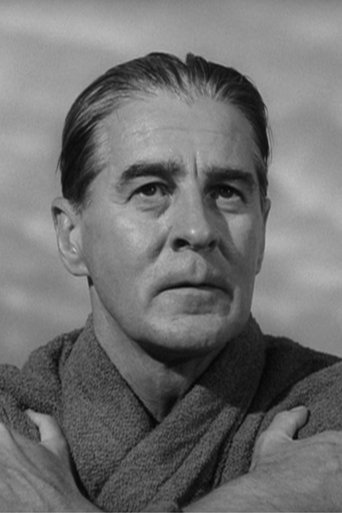 Gunnar BjörnstrandHerr Vogler
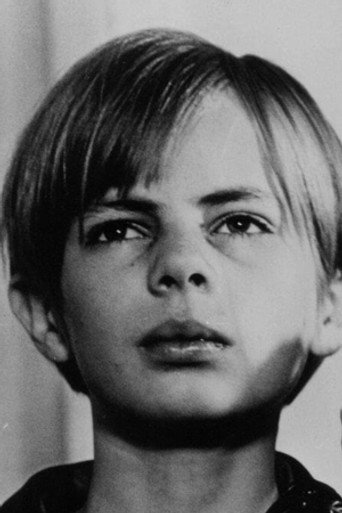 Jörgen LindströmElisabet's Son (uncredited)
- Thích Quảng ĐứcSelf - burning monk (archive footage)
Directing
- Bo Arne VibeniusAssistant Director
- Lenn HjortzbergAssistant Director
- Ingmar BergmanDirector
- Kerstin BergScript Supervisor
Writing
- Ingmar BergmanScreenplay
- Ingmar BergmanStory
Production
- Ingmar BergmanProducer
- Lars-Owe CarlbergProduction Manager
Recommended by
Ex Machina, Anomalisa, Inside Out, Repulsion, Perfect Blue, The Three Faces of Eve, Killing Eve, What Ever Happened to Baby Jane?, All About Eve, L'Avventura, Magic, The Haunting, Mulholland Drive, The Seventh Seal, The Truth About Cats & Dogs, The Double Life of Véronique, Single White Female, Dark Matter, Verity, Dr. Jekyll and Mr. Hyde, Serial Experiments Lain, The Souvenir, A Tale of Two Sisters, 3 Women, Woman in the Dunes