
Film
The Stranger
Other titles called The Stranger: the 1946 film, the 2014 film, the 2020 series (Quibi).
- Drama
- Very dark
Luchino Visconti's adaptation of Camus's existential masterpiece. Marcello Mastroianni plays a man adrift in meaninglessness, unable to connect or feel, until violence erupts. Glacial, hypnotic, and profoundly unsettling—a film about the void inside us and society's hunger to punish it.
Should you watch it?
Watch it if you are drawn to slow, interior character studies where almost nothing happens on the surface and the camera lingers on a face that refuses to explain itself.
Skip it if the detachment is deliberate and unrelenting, so if you need characters to warm to or a plot that drives forward, this will feel cold and distant.
What it asks of you: Running just under two hours, it is mostly quiet and measured, with long stretches of stillness, and it rewards patience far more than close attention to dialogue.
Not sure? Find tonight's pick in a minute.
If you liked this
L'Avventura1960
Michelangelo Antonioni's study of alienation in post-war Italy. A woman vanishes and the search dissolves into ennui and disconnection. Like *The Stranger*, it finds horror in the spiritual emptiness of modern life.
But Paced for contemplation, not momentum. Long stretches where nothing happens except everything mattering less.

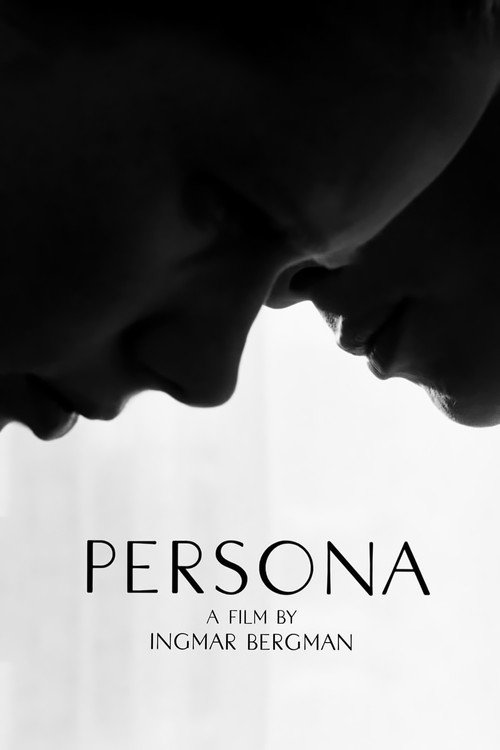
Persona1966
Bergman's fever dream about identity and the self. Two women orbit each other as language breaks down and one falls silent. Both films ask if we can ever truly be known—or if we're fundamentally alone.
But Deliberately fragmentary and demanding. Operates in symbolism and silence rather than plot.
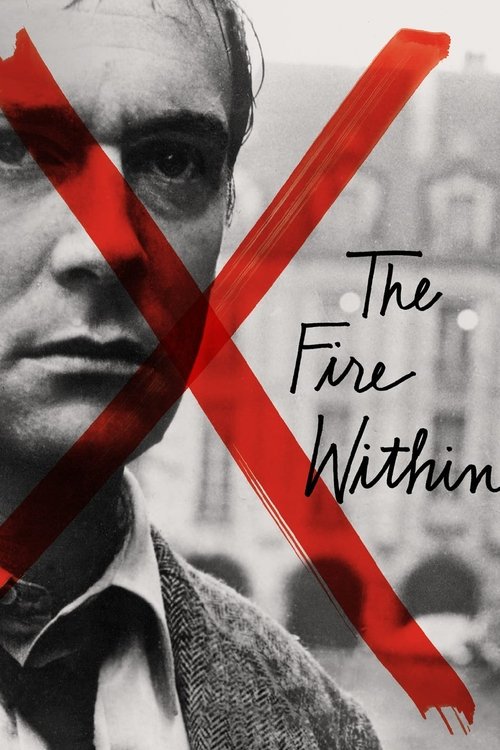
The Fire Within1963
Louis Malle's unbearable portrait of depression and detachment. A man drifts through Paris unable to connect, each encounter another small failure. The estrangement is intimate and specific, the ending inevitable.
But Relentlessly bleak. Not a film you watch for catharsis; it offers none.
Not sure tonight? Get a pick in a minute, starting from The Stranger
The wildcard
Something you would not have found on your own.
Rope1948
Both examine the psychology of a killer indifferent to his crime. Visconti treats it as tragedy; Hitchcock treats it as a puzzle. The same act viewed through entirely different registers.
Hitchcock's chamber piece. Two men murder a college friend and host a dinner party while hiding the corpse. Like *The Stranger*, it's about the inexplicable absence of feeling in the presence of terrible acts—but Hitchcock makes it a thriller, all pressure and mechanics.
But The real-time conceit and confined setting can feel stagy. Some find Hitchcock's detachment from moral weight glib.

More like this (8)
Contempt1963
Godard's film-within-a-film about the dissolution of love and meaning. Mastroianni again, caught between worlds, unable to bridge the gap between what he wants and what he is. The color and beauty mask profound emptiness.
But Digressive and self-conscious. More interested in cinema than narrative; some find it precious.

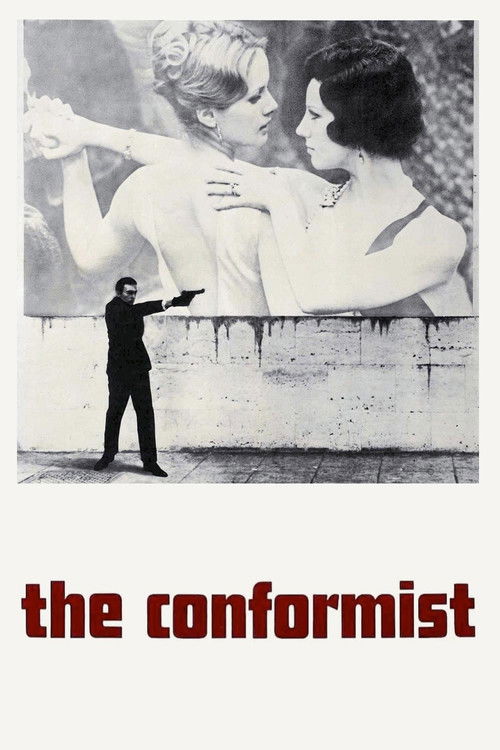
The Conformist1971
Bernardo Bertolucci's immaculate thriller about a man who commits moral atrocities to belong. Like Meursault, he's hollow at his core; unlike Meursault, he tries desperately to fill the void through action.
But Stylish to the point of coldness. The beauty of the film can feel at odds with its subject matter.
Bicycle Thieves1948
Vittorio De Sica's neo-realist masterpiece about a man and boy searching for a stolen bicycle. Ordinary and devastating. It shows society's indifference not as existential abstraction but as lived poverty.
But Lacks conventional catharsis. The world doesn't change; only our understanding does.

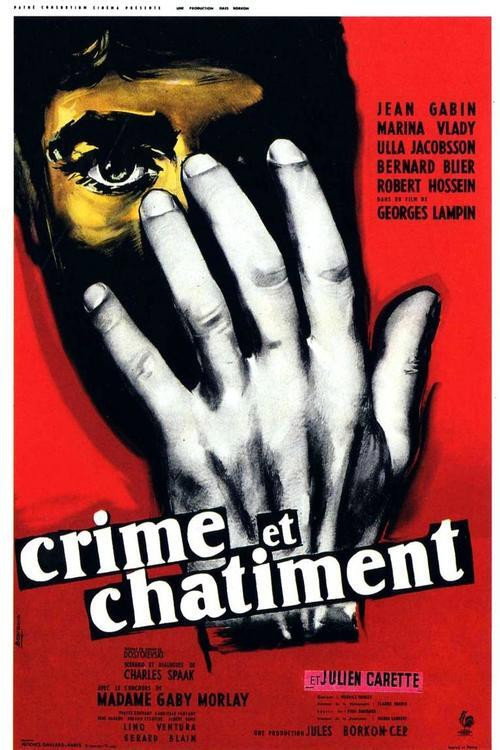
Crime and Punishment1956
Lev Kulidzhanov's Soviet adaptation of Dostoevsky. A student commits murder and unravels spiritually—the inverse of Meursault's blankness. Where Camus offers void, Dostoevsky offers torment.
But Hefty and philosophical. The dialogue is densely packed and not always subtly rendered.
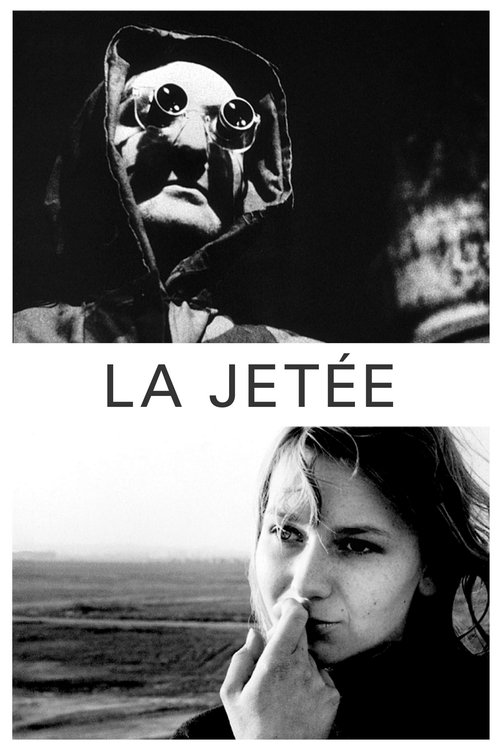
La Jetée1962
Chris Marker's science fiction poem told almost entirely in still photographs. A man displaced in time, unable to change anything, moving toward inevitable tragedy. Formally unlike anything else, but spiritually kin to *The Stranger*.
But Only 28 minutes, and told visually rather than through traditional narrative. The abstraction can feel cold.
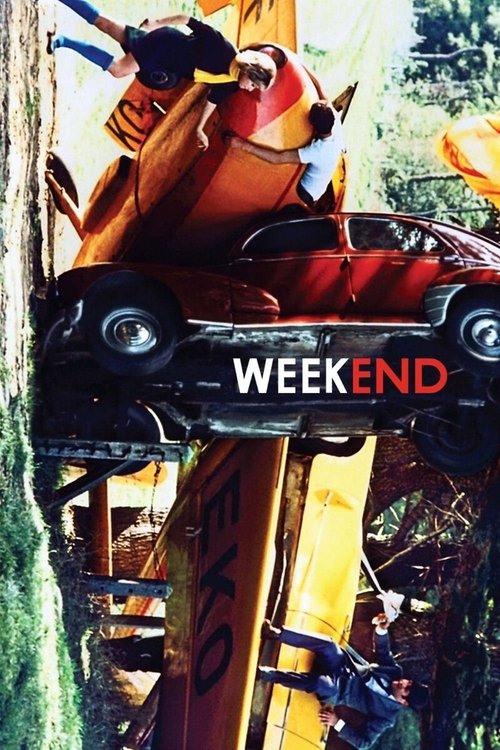
Weekend1967
Godard's savage apocalypse about a middle-class couple whose weekend trip becomes a descent into carnage and chaos. Society collapses and reveals the violence always lurking beneath civility.
But Deliberately antagonistic. Graphic and designed to repel; the style can seem more important than the statement.
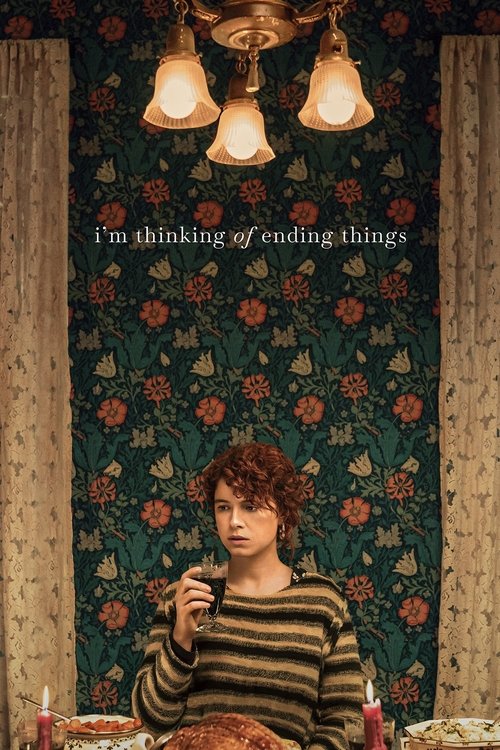
I'm Thinking of Ending Things2020
Both depict consciousness unraveling, but Kaufman uses postmodern storytelling where Visconti uses classical form. Same abyss, radically different aesthetic approaches.
Charlie Kaufman's dizzying film about a woman visiting her boyfriend's parents while contemplating suicide. Reality fragmenting, language becoming unreliable, identity dissolving. Abstract where *The Stranger* is stark, but carrying the same weight of meaninglessness.
But Deliberately frustrating and circular. The narrative collapses rather than resolves. Testing patience is part of the point.
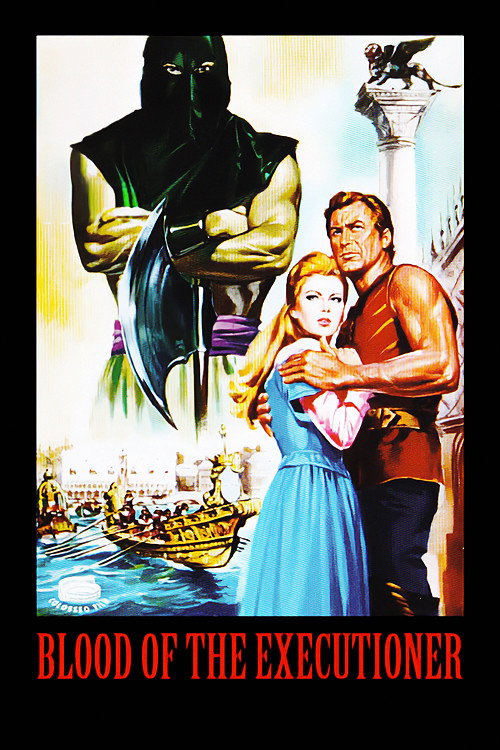
Blood of the Executioner1963
Same director, same era, same obsession with systems that turn humans into instruments. A shadow-film that deepens the themes without repeating them.
Eriprando Visconti's obscure Italian film about capital punishment and complicity. A man must execute a prisoner and cannot escape his role. Quieter and more procedural than *The Stranger*, but equally concerned with society's machinery of death and the hollow men who operate it.
But Extremely difficult to find. Not well-regarded in its era and rarely restored. The pacing is even more austere than Visconti's 1967 film.
People
Cast
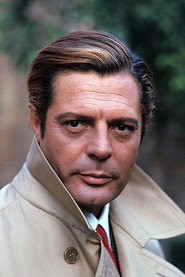 Marcello MastroianniArthur Meursault
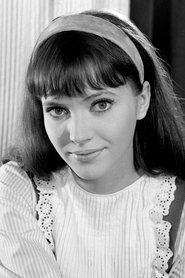 Anna KarinaMarie Cardona
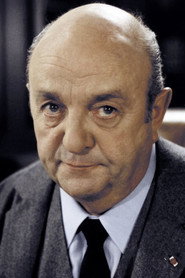 Bernard BlierDefense Counsel
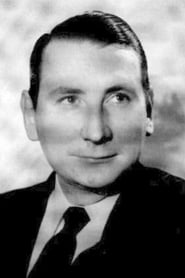 Alfred AdamProsecutor
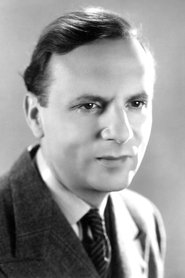 Pierre BertinJudge
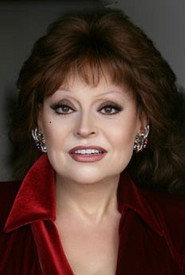 Angela LuceMadame Masson
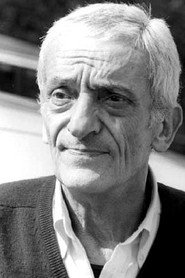 Jacques HerlinDirector of Home
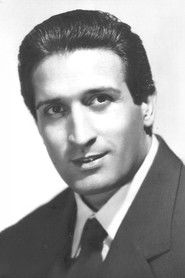 Mimmo PalmaraMasson
 Jean-Pierre ZolaEmployer
- Joseph MarechalSalamano
 Jacques MonodPrison Guard
- Mohamed CheritelArab
Directing
- Albino CoccoAssistant Director
- Rinaldo RicciAssistant Director
- Luchino ViscontiDirector
Writing
- Albert CamusNovel
- Georges ConchonScreenplay
- Luchino ViscontiScreenplay
- Suso Cecchi d'AmicoScreenplay
- Emmanuel RoblèsScript Editor
Production
- Mario LupiAdministration
- Dino De LaurentiisProducer
- Marcello MastroianniProducer
- Pietro NotarianniProducer
- Alfredo De LaurentiisProduction Coordinator
- Fausto LupiProduction Manager
- Carlo BartoliniProduction Supervisor
- Enrico LucheriniPublicist
- Margherita AutuoriPublicist
- Matteo SpinolaPublicist