
Film
Crime and Punishment
Other titles called Crime and Punishment: the 1935 film, the 1998 film, the 2002 film, the 2007 film, the 2019 series (Channel 4).
Pialat's 1956 adaptation transplants Dostoevsky's psychological torment to 1950s Paris, where a desperate student's crime spirals into confession. Jean Gabin is magnificent as the investigating detective—patient, knowing, human. This is intimate moral reckoning made visible: guilt that eats from within, and the slow unbearable weight of conscience. For those who want their drama to matter.
Should you watch it?
Watch it if you love slow-burning psychological cat-and-mouse between a guilty mind and a patient detective, and you want the moral pressure built from talk and glances rather than action.
Skip it if you want brisk pacing or lots of action, since this is a talky, interior film that lingers in small rooms and rarely hurries anywhere.
What it asks of you: Settle in for nearly two hours, with close attention to faces and silences, since the tension lives in what people hold back rather than in what happens.
Not sure? Find tonight's pick in a minute.
If you liked this
The Killers1946
Siodmak's masterpiece of paranoia and guilt, following a man haunted by his own crime. Visually stunning black-and-white investigation that finds beauty in dread. The anatomy of regret, told through shadows.
But Post-war Hollywood noir demands patience; the pacing feels deliberate rather than propulsive if you're used to faster rhythms.

Rififi1955
Dassin's French noir about a heist and its psychological fallout. The silence, the precision, the way crime's weight settles on everyone it touches. Gritty, tactile, morally exhausting in the best way.
But The famous twenty-minute wordless heist sequence is brilliant but can feel self-conscious if you're watching for character over technique.

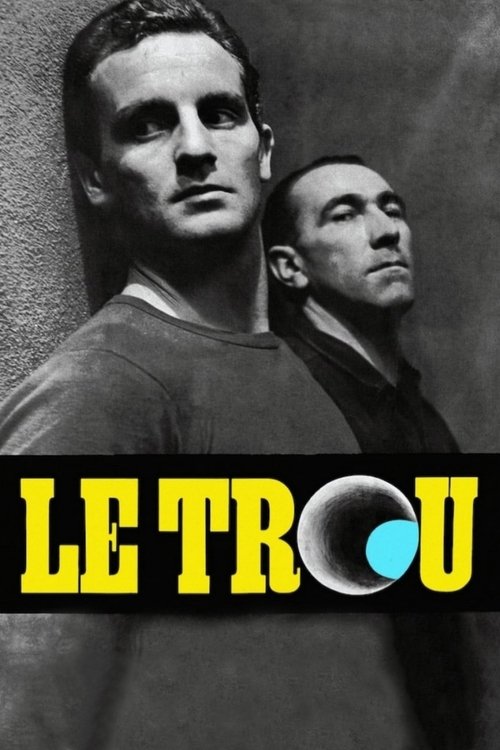
Le Trou1960
Becker's unbearably tense prison escape film examines loyalty, desperation, and the cost of ambition. Claustrophobic, real, with performances that feel like documentary. This is what trapped looks like.
But It's relentlessly bleak and slow. There's no music, minimal dialogue, and the ending will not comfort you.
Not sure tonight? Get a pick in a minute, starting from Crime and Punishment
The wildcard
Something you would not have found on your own.
Stalker1979
Both are interrogations of the self made visible through conversation: Dostoevsky's psychological torture and Tarkovsky's metaphysical one, each asking what we owe ourselves and others when tested.
Tarkovsky's science-fiction parable about desire, faith, and the weight of choice. A guide leads two men through a mysterious zone toward a wish-granting room. Glacially paced, hypnotic meditation on conscience and what we're willing to become for our goals.
But 163 minutes of philosophical wandering with minimal plot. If you need incident or momentum, this will feel like punishment rather than cinema.

More like this (7)
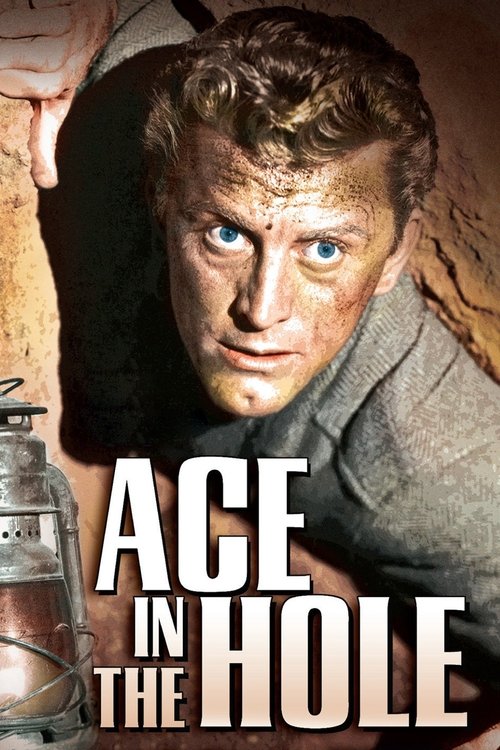
Ace in the Hole1951
Wilder's corrosive examination of ambition and complicity. A press agent exploits a man's crisis for headlines; the film never flinches from asking who we all become under pressure. Kirk Douglas at his hungriest.
But It's suffocatingly cynical about human nature. If you need your drama to suggest redemption, look elsewhere.
In the Mood for Love2000
Wong Kar-wai's visual poetry about longing and restraint. Colours, distances, the space between two people. A completely different register from Pialat, but shares the sense that interior life is what matters.
But Almost plotless and aggressively stylised. If you need narrative momentum, the deliberate slowness will frustrate you.

A Prophet2009
Audiard's modern prison drama tracks a young man's moral corruption with unflinching precision. Raw performances, brutal honesty about how systems reshape souls. The contemporary echo of Dostoevsky's questions.
But Graphic violence, extended prison sequences, and a bleak worldview. It's punishing by design.

Mulholland Drive2001
Lynch's fractured Los Angeles nightmare examines guilt, identity, and the stories we tell ourselves. Visually stunning and psychologically destabilizing. About what happens when conscience collides with desire.
But It's deliberately confusing, with a structure that resists interpretation. Some find this exhilarating; others find it exhausting.

The Third Man1949
Reed's post-war Vienna is morally grey and visually perfect. A man discovers his oldest friend is complicit in betrayal. Orson Welles barely appears, but his absence fills the film. Zither score, Dutch angles, ideas that linger.
But The zither can sound whimsical, which undercuts the darkness. Some audiences find the tonal balance odd.

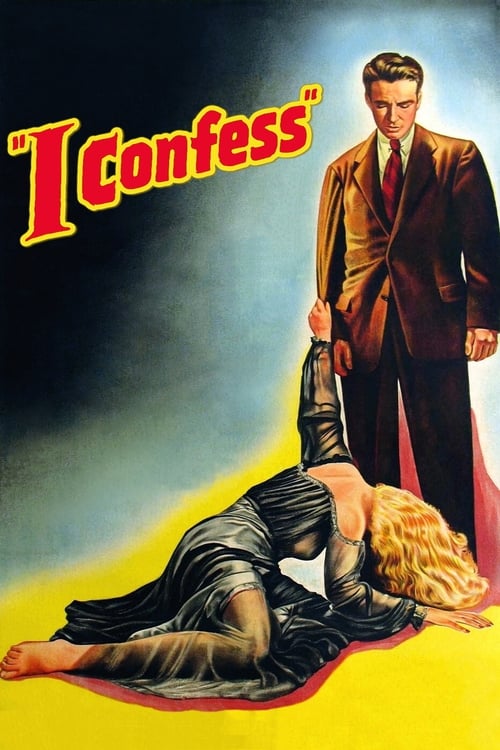
I Confess1953
Both take confession as their emotional centre—the unbearable pressure to speak, the agony of silence, the way guilt doesn't care about law or logic. Both feature investigators or priests reading another's soul.
Hitchcock's wickedly tense priest-and-murder drama. A priest hears the confession of the actual killer but is bound by the seal; when he's accused, his conscience wars with doctrine. Moral paradox as thriller. Clint Eastwood's debut, before fame.
But Hitchcock's Catholic guilt is thick. The film's earnestness about confession and sin reads as quaint to modern viewers, and the thriller mechanics feel dated.
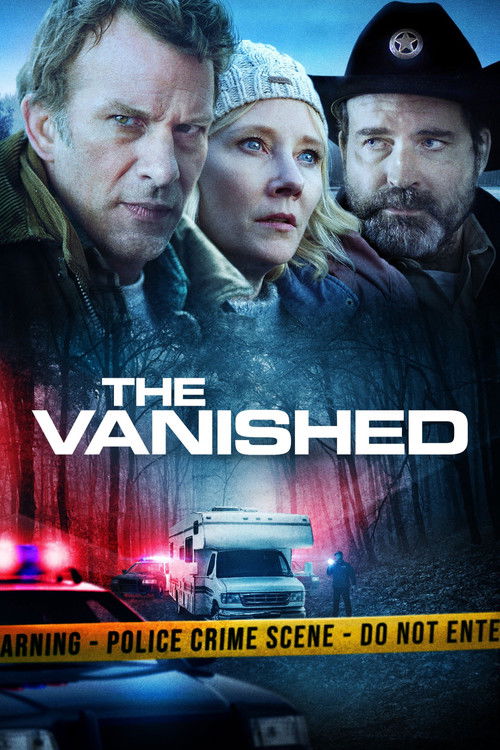
The Vanished2020
Both films understand that guilt—or grief acting like guilt—fundamentally changes how you move through the world, and that watching someone carry that is sometimes more important than plot.
Turkish director Cem Kaya's quietly devastating film about a man whose son vanishes, and the slow dissolution of his marriage under that weight. No easy answers, no catharsis. Just the daily impossible work of living when something irreplaceable is gone.
But It's not a mystery and has no resolution. Watching a family disintegrate is emotionally demanding, and the film offers no comfort—only truth.
People
Cast
 Jean GabinCommissaire Gallet
 Marina VladyLili Marcellin
 Ulla JacobssonNicole Brunel
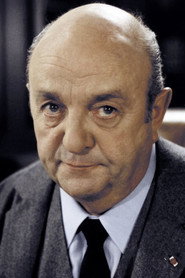 Bernard BlierAntoine Monestier
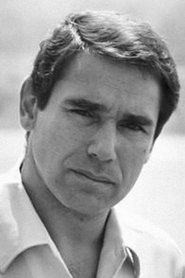 Robert HosseinRené Brunel
 Gaby Morlaymadame Brunel
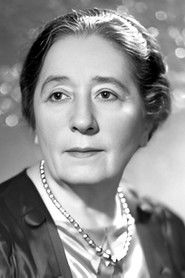 Gabrielle Fontanmadame Horvais
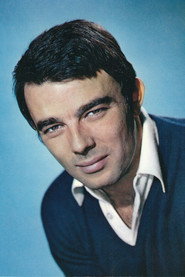 Gérard BlainJean Fargeot
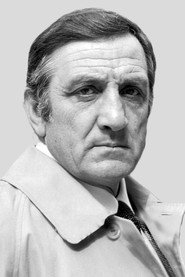 Lino VenturaGustave Messonnier
 Marie-José NatLa jeune fille du bal

Directing
- Georges LampinDirector
- Pierre Granier-DeferreFirst Assistant Director
- Lily HargousScript Supervisor
- Jean LéonSecond Assistant Director
Writing
- Fyodor DostoevskyNovel
- Charles SpaakWriter
Production
- Margot CapelierGeneral Manager
- Jules BorkonProducer
- Pierre LaurentProduction Manager
Recommended by
Murderous Maids, Мёртвые души, The Idiot, Oblomov, Golgotha, The Stranger, Dead Souls, Bhabhi, Three Monkeys