
Film
Dead Souls
Other titles called Dead Souls: the 2012 film.
Mikhail Gerchukov's 1960 adaptation of Gogol's masterpiece, a picaresque journey through provincial Russia where a mysterious stranger attempts to purchase the deeds of dead serfs. It's a tragicomedy of bureaucratic absurdity and human delusion, shot in crisp black-and-white with the texture of lived-in squalor. Essential for anyone fascinated by how Russian cinema transforms Russian literature.
If you liked this
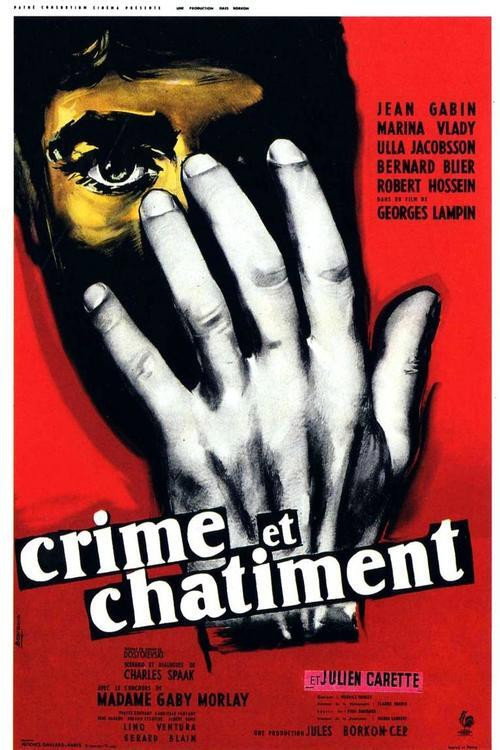
Crime and Punishment1956
Lev Kulidzhanov's adaptation captures Dostoyevsky's moral claustrophobia with similar visual precision and psychological intensity. If you responded to Dead Souls' dark provincial atmosphere, this explores guilt and redemption in the same cultural moment.
But The pacing is deliberate and the internal monologue translated to image rather than dialogue, which demands patience and active viewing.
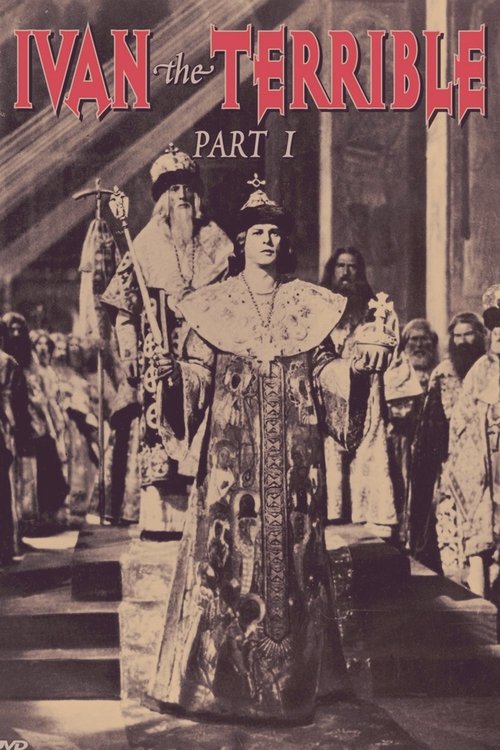
Ivan the Terrible, Part I1944
Eisenstein's vision of Russian power and paranoia unfolds through baroque compositions and symbolic excess. Both films dissect the Russian character through obsessive, driven protagonists navigating corrupt hierarchies.
But It's visually monumental and sometimes ponderous; the symbolism can feel overwrought if you're not in the mood for that register.
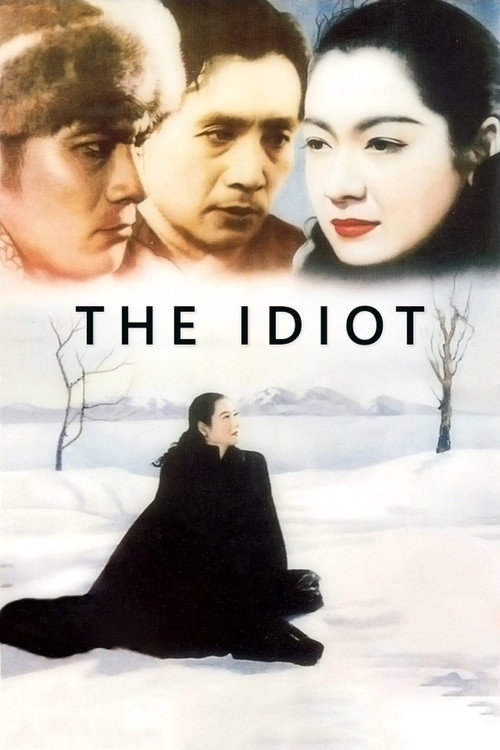
The Idiot1951
Andrei Biliography's take on Dostoyevsky presents another innocent abroad in a morally compromised society. Like Dead Souls, it's a episodic portrait of social failure and human contradiction wrapped in tragedy and gallows humor.
But The ensemble cast and overlapping storylines require you to track multiple threads; it doesn't make it easy for viewers to connect.
Not sure tonight? Get a pick in a minute, starting from Dead Souls
The wildcard
Something you would not have found on your own.
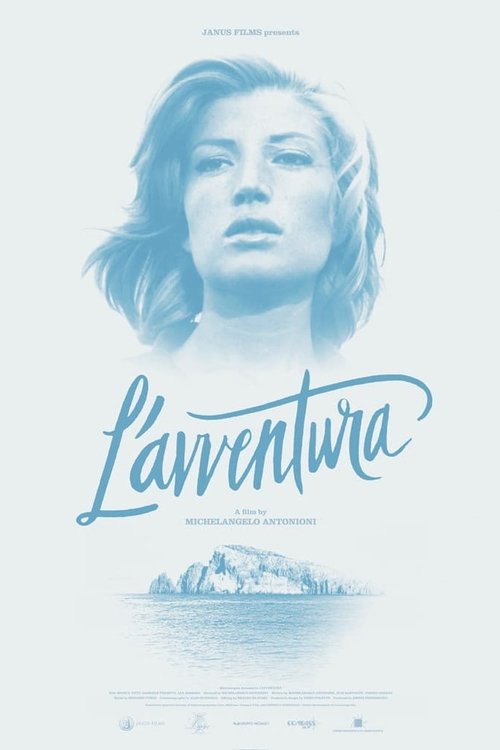
L'Avventura1960
Both are 1960 artworks about the failure of connection and the grotesque indifference of society—one Russian and provincial, one Italian and sophisticated, but animated by the same disillusionment.
Released the same year as Dead Souls, Antonioni's elliptical mystery about a woman who vanishes and the aimless social circle that ceases to care. Both films treat narrative as a series of dead ends and false leads, capturing how people rationalize disappointment and self-interest.
But It's glacially paced, morally uncomfortable, and the emotional payoff is a kind of numbness rather than catharsis.
More like this (6)
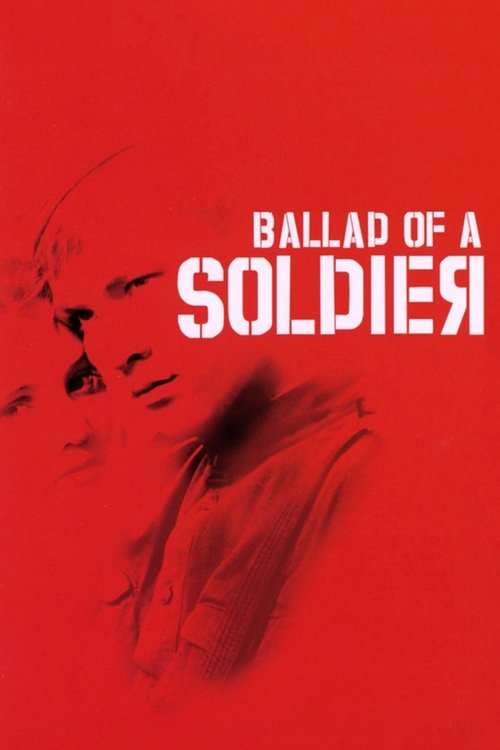
Ballad of a Soldier1959
A Soviet masterpiece about innocence colliding with institutional reality. The tone—tender and devastating—shares Dead Souls' ability to find humanity within systems designed to crush it.
But It's a much smaller, quieter film; if you want the scope and grotesquerie of Gogol, this offers something more intimate and may feel slight.
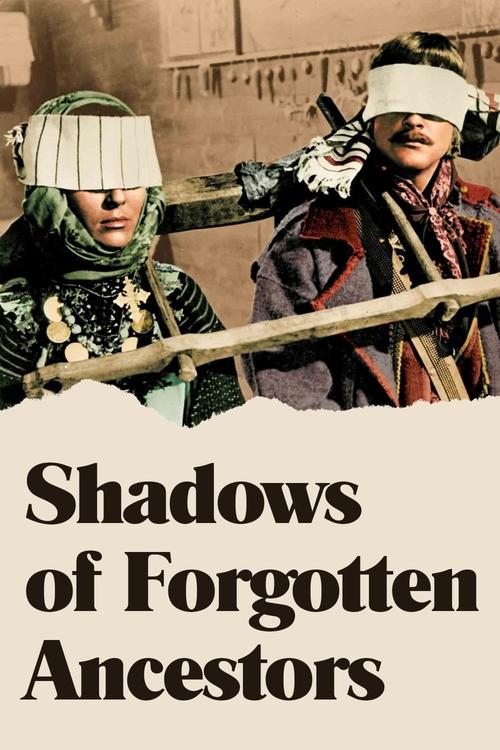
Shadows of Forgotten Ancestors1965
Sergei Parajanov's baroque folk epic about passion and fate in the Carpathians. Visual storytelling at its most intoxicating, with the same commitment to capturing a specific national texture that animates Dead Souls.
But The non-linear narrative and symbolist style are deliberately opaque; it rewards multiple viewings but resists straightforward comprehension.
The Ascent1977
Larisa Shepitko's monumental film about two Soviet partisans during WWII carries the same weight of existential Russian philosophy. It transforms a simple story into a meditation on faith, sacrifice, and the soul.
But It's sparse, austere, and entirely without pleasure or lightness—even by Russian cinema standards, this is demanding and grim.

Stalker1979
Andrei Tarkovsky's metaphysical science-fiction film moves with deliberate slowness through contested space, examining desire and delusion. Both films are about journeys through bureaucratic or symbolic labyrinths that change those who traverse them.
But It runs 163 minutes and contains long passages of absolute stillness; you need to surrender to its rhythm or you'll find it punishingly tedious.

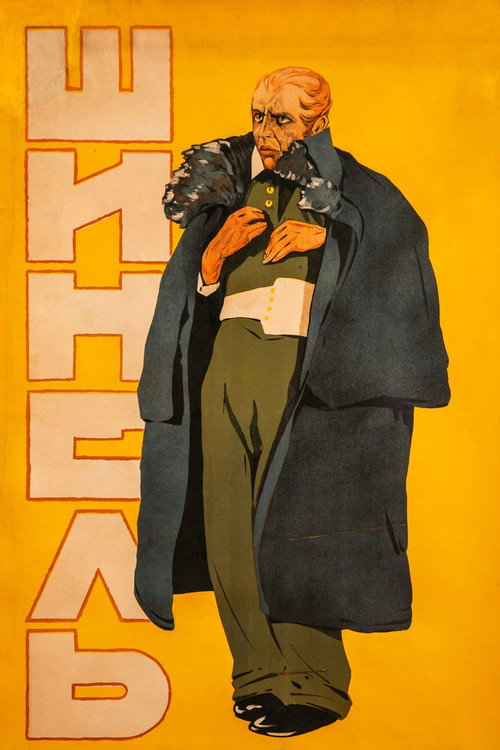
The Overcoat1926
Grigori Kozintsev's expressionist silent adaptation of another Gogol story. The visual inventiveness and dark comedy translate Gogol's grotesquerie directly to the screen without the mediation of dialogue.
But It's silent, made in the 1920s—the acting style and pacing feel remote unless you're accustomed to silent cinema.
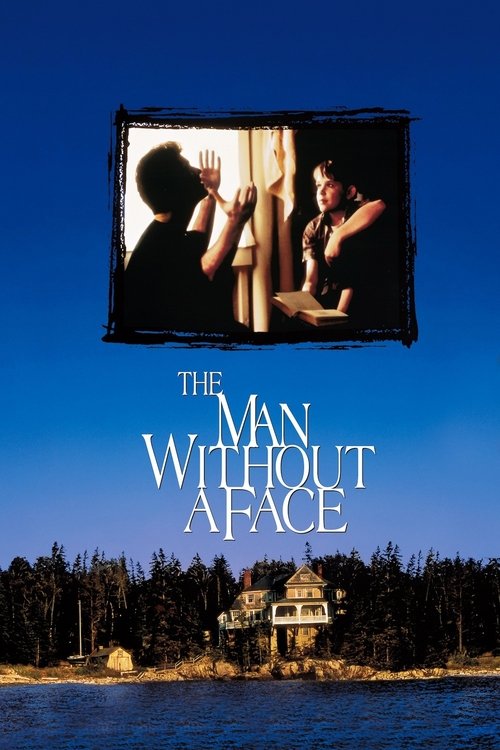
The Man Without a Face1993
Both use a mysterious outsider as a lens to expose the pettiness and delusion embedded in everyday social rituals.
Louis Malle's early collaboration with Jacques Tati, a comedy about a tramp in Paris whose deformity makes him an outsider. Like Chichikov in Dead Souls, the protagonist moves through society as a kind of mirror, revealing hypocrisy and absurdity through his very presence.
But The humor is visual and oblique rather than narrative; it demands you laugh at social dynamics rather than plot.
People
Cast
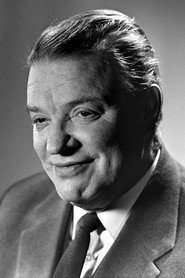
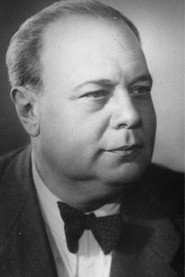
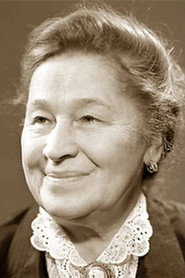
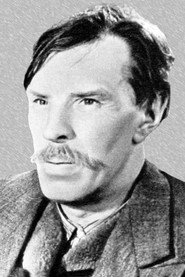
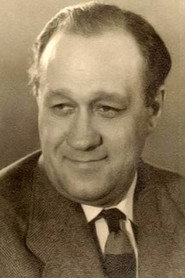
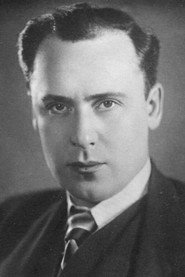 Boris LivanovNozdryov
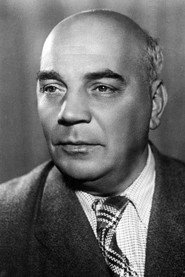
Directing
- Leonid TraubergDirector
Writing
- Nikolai GogolNovel
- Leonid TraubergWriter
Production
- A. KaretinProducer
- S. SavrasovProducer