
Film
The Overcoat
Other titles called The Overcoat: the 1952 film.
- Drama
- Very dark
Grigori Kozintsev and Leonid Trauberg's 1926 silent adaptation of Gogol's novella is a formally inventive tragedy about invisibility and dignity. Bashmachkin, a meek copying clerk, saves obsessively for a coat—a small rebellion against a world designed to humiliate him. The film bends German Expressionism toward Russian sorrow, making bureaucratic cruelty feel cosmic. It's for anyone moved by the way systems erase ordinary people.
If you liked this
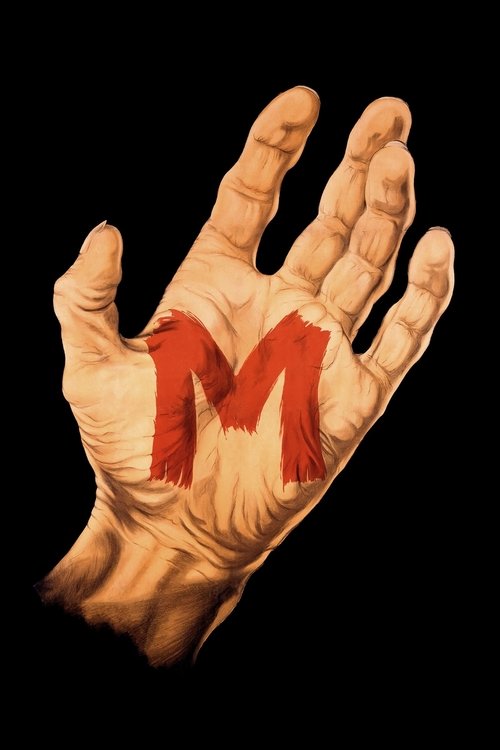
M1931
Fritz Lang's sound film about a child murderer hunted by both police and underworld. Like The Overcoat, it excavates the darkness hiding in plain sight within a city's machinery, building dread through atmosphere and social anatomy rather than plot.
But It's genuinely disturbing—the subject matter is brutal and the ending is philosophically bleak. Not a film that leaves you feeling resolved.
Battleship Potemkin1925
Eisenstein's masterpiece about a mutiny during the 1905 revolution, made the same year. It shares The Overcoat's belief that cinema itself is a tool for moral awakening, using montage to make invisible suffering visible and urgent.
But The formal techniques can feel mannered if you're not attuned to Soviet montage theory. Some find it more intellectually thrilling than emotionally moving.

Stalker1979
Tarkovsky's meditation on desire, authority, and the soul in a Soviet system. Like Bashmachkin's coat, the Zone represents an object of longing that exposes who we really are. Both films move slowly and demand patience as a form of respect.
But It's hypnotic but punishingly slow. Three hours of philosophical wandering will exhaust anyone seeking conventional narrative satisfaction.

Not sure tonight? Get a pick in a minute, starting from The Overcoat
The wildcard
Something you would not have found on your own.
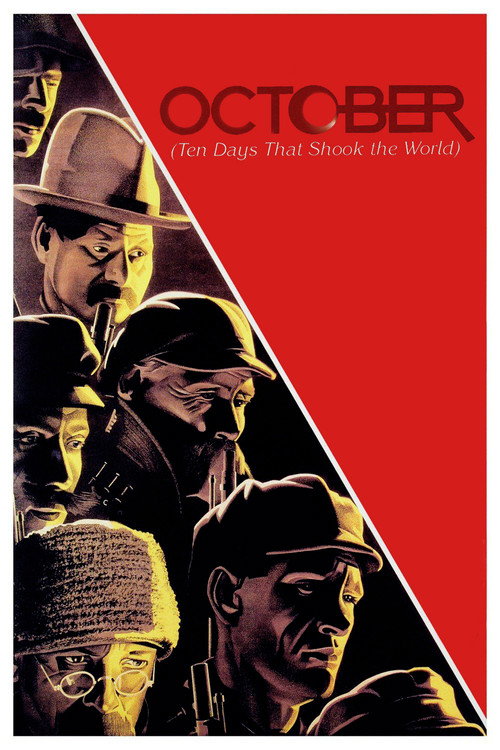
October (Ten Days that Shook the World)1928
Both Russian films made in the 1920s use radical visual form to argue that cinema can make the invisible visible—the invisible clerk in The Overcoat, the invisible forces of history in October. Both are anti-realist precisely because realism doesn't capture what's true.
Eisenstein's documentary-drama about the October Revolution, made just two years after The Overcoat. While Kozintsev and Trauberg show the soul crushed by the old regime, Eisenstein shows the collision of history and cinema itself. It's the formal counterargument to personal tragedy—the system made visible as a thing that can be overthrown.
But It's four hours of Expressionist montage and philosophical density. The technique overwhelms story; some find it a monument rather than a film.
More like this (8)
The Seventh Seal1957
Bergman's chess game with Death is formally restless in ways that echo The Overcoat's visual inventiveness. Both films use the stylized and the real together to ask whether dignity survives when the system wants you dead.
But The existential weight can feel heavy-handed. Some find mid-period Bergman more theatre than cinema—intellectually rich but emotionally distant.

Pale Flower1964
Masaki Kobayashi's noir about a yakuza adrift in Tokyo. Like The Overcoat, it's a study in the alienation of modern urban life, where small pleasures become desperate, and society watches the invisible man with indifference.
But It's quiet and oblique about plot. If you need conventional dramatic momentum, this will feel like drift masquerading as art.

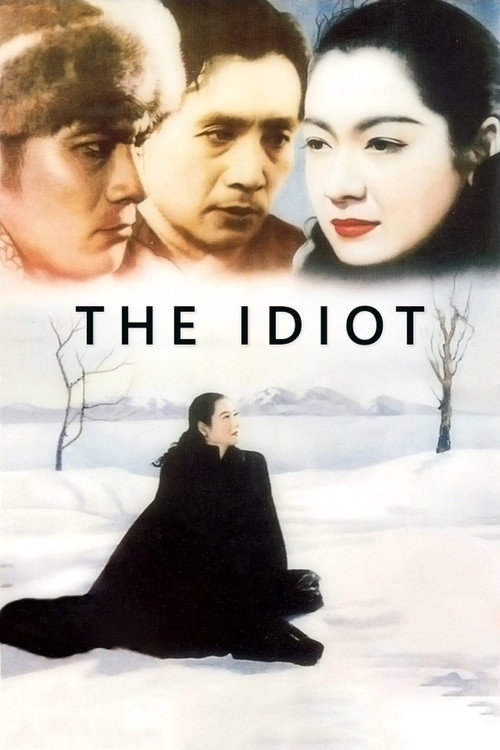
The Idiot1951
Kurosawa's adaptation of Dostoevsky shares The Overcoat's faith that goodness and vulnerability matter inside corrupt systems. Both films argue that the sensitive soul pays the highest price for living with integrity.
But It's nearly three hours and emotionally exhausting. The tragedy is relentless and the resolution offers no comfort.
In the Mood for Love2000
Wong Kar-wai's film about two neighbors falling in love in 1960s Hong Kong. Like The Overcoat, it transforms longing and restraint into visual poetry, finding the sublime in small gestures and the unbearable weight of things unsaid.
But The narrative is gossamer-thin. If you need plot to carry you, the repetition and slow-motion reverie will feel like stalling.

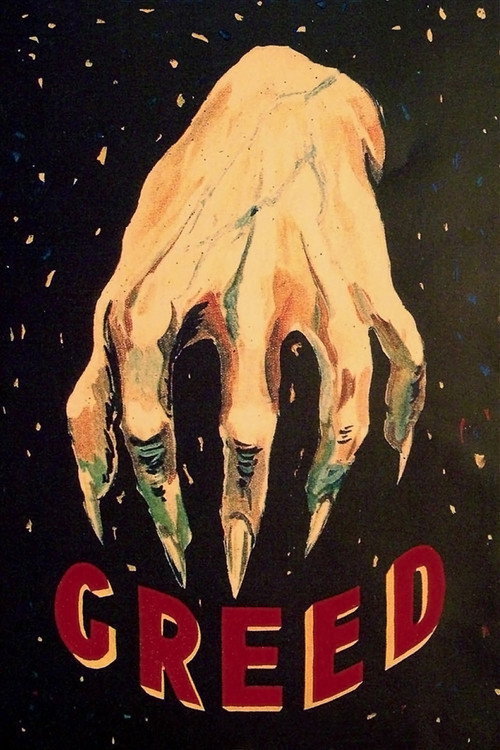
Greed1924
Erich von Stroheim's silent epic about ordinary people destroyed by material hunger. It shares The Overcoat's moral anatomy—how capitalism turns human beings into their worst selves, and what we sacrifice for objects.
But The surviving print is incomplete and often cuts between different versions. The pacing is slack in places and some sequences feel theatrical rather than cinematic.
Kes1970
Ken Loach's film about a working-class boy in northern England who finds freedom training a falcon. Like The Overcoat, it's a quiet story about what the system offers the powerless, and whether small grace can survive institutional cruelty.
But It's more naturalistic than formally innovative. If you're coming from The Overcoat expecting visual daring, this will feel restrained and understated by comparison.

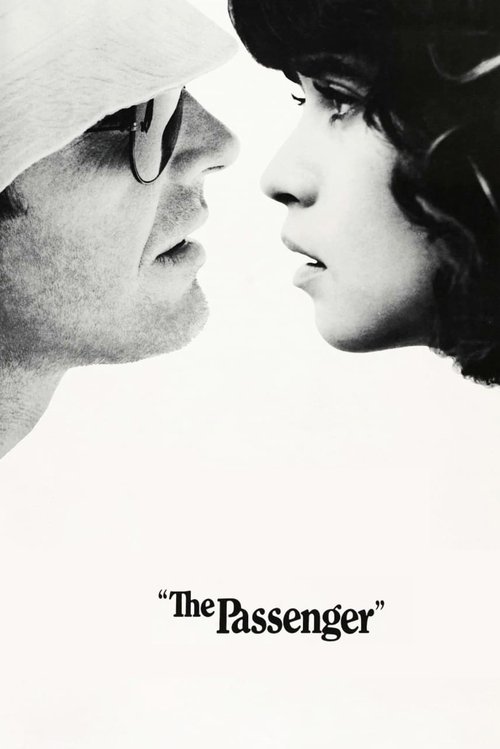
The Passenger1975
Both films make anonymity and urban alienation their subject matter, and both use camera work—Kozintsev's Expressionist angles and Antonioni's cool geometry—to make spiritual emptiness visible. Both argue that belonging requires being seen, and the modern city sees no one.
Antonioni's film about an identity swap and the slow dissolution of a man into insignificance. Like The Overcoat, it's about invisibility as a condition of modern life—how you can vanish not because the system crushes you, but because you were never truly seen at all.
But It's meditative to the point of abstraction. The ending is ambiguous and offers no resolution. Antonioni demands surrender, not engagement.
Harakiri1962
Both films use formal mastery—Kozintsev's German-influenced Expressionism, Kobayashi's austere geometry—to make suffering monumental. Both show systems (bureaucratic, military, social) grinding human beings into nothing, and both argue that cinema's job is to refuse to look away from that destruction.
Masaki Kobayashi's shattering film about a samurai begging for death inside a system that demands his humiliation. It's The Overcoat transported to feudal Japan, with the same moral force: a meditation on how institutions destroy the soul of the powerless, and whether dignity means anything when survival is the only choice left.
But It's violently bleak. The formal beauty of the cinematography makes the cruelty more unbearable, not less. Some find it almost unwatchable.

People
Cast
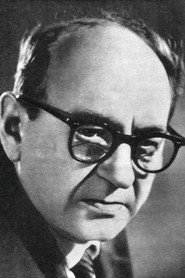 Andrei KostrichkinAkakiy Bashmachkin
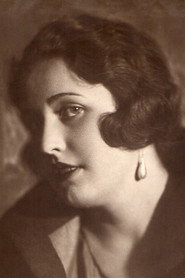 Antonina YeremeyevaYoung lady 'heavenly creature'
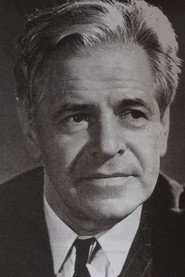 Aleksei Kapler'Not important person' / 'Very important person'
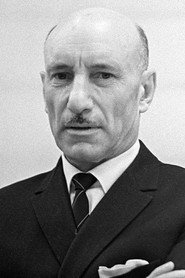 Sergei GerasimovYaryzhka, card sharp
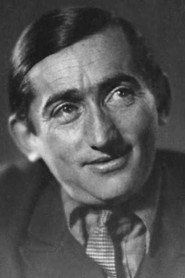 Emil GalTailor
 Yanina ZheymoTailor's assistant
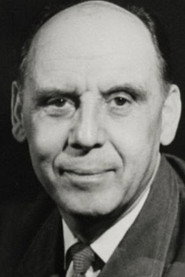 Vladimir LepkoTailor Petrovich
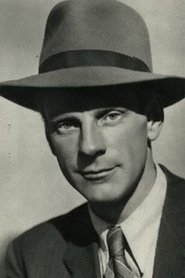 Oleg ZhakovBashmachkin's coworker
- Tatyana VentselBarber
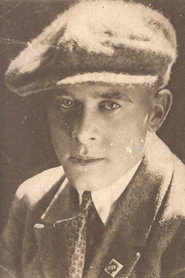 Pyotr SobolevskyOfficial
- Pavel BerezinOfficial
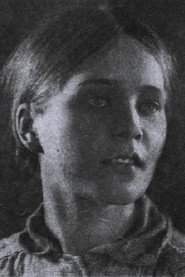 Ksenia DenisovaAgrafena
Directing
- Boris ShpisAssistant Director
- Grigori KozintsevDirector
- Leonid TraubergDirector
- Sergey ShklyarevskiyFirst Assistant Director
- Vladimir PetrovFirst Assistant Director
- Dmitriy FishovSecond Assistant Director
Writing
- Nikolai GogolBook
- Yury TynyanovWriter