
Film
Pale Flower
Pale Flower is less plot than atmosphere: a yakuza fresh out of prison drifts through smoky gambling dens and hushed backroom fights, more alive dealing cards than living free. Shinoda shoots black-and-white Tokyo like a held breath, scored with jittery, anxious jazz. It's cool, elegant, morally hollowed-out — a noir for people who want mood over mayhem.
If you liked this
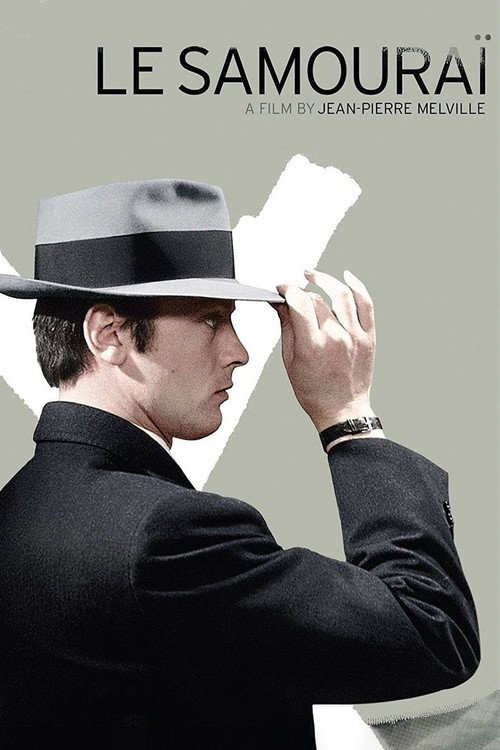
Le Samouraï1967
Melville's ultimate cool-criminal blueprint — a hitman who lives by ritual and silence, and the film every stylish gangster movie since has quietly been imitating.
But Almost no dialogue and even less warmth; if you need characters to explain themselves, this will frustrate you.
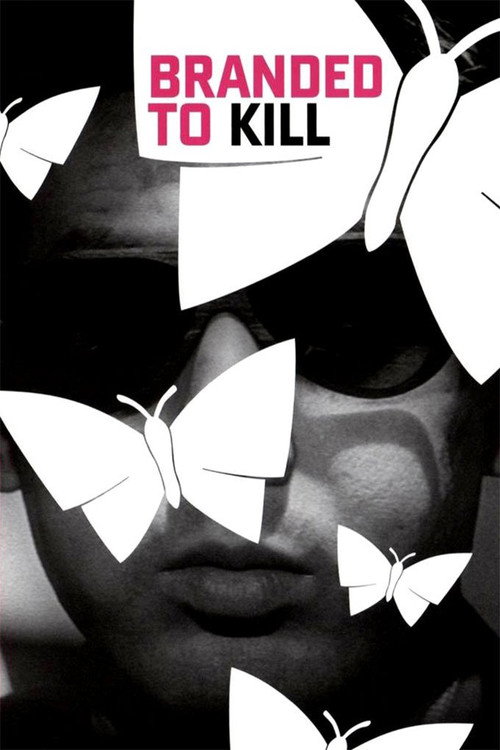
Branded to Kill1967
Suzuki's yakuza noir from the same era, gone fully surreal — a hitman obsessed with rice, unravelling in jump cuts and dream logic.
But Deliberately incoherent in places; if you want a clean plot, this will actively resist you.
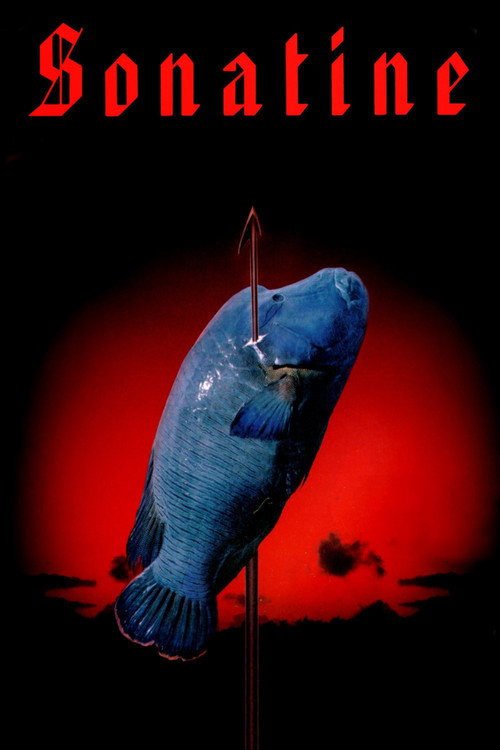
Sonatine1993
Kitano's yakuza are bored, not glamorous — killers who spend a gang war waiting on a beach, flipping coins, laughing at nothing. Same numbness, blacker comedy.
But The violence, when it comes, is sudden and ugly; the long stillness in between can test your patience.
The wildcard
Something you would not have found on your own.
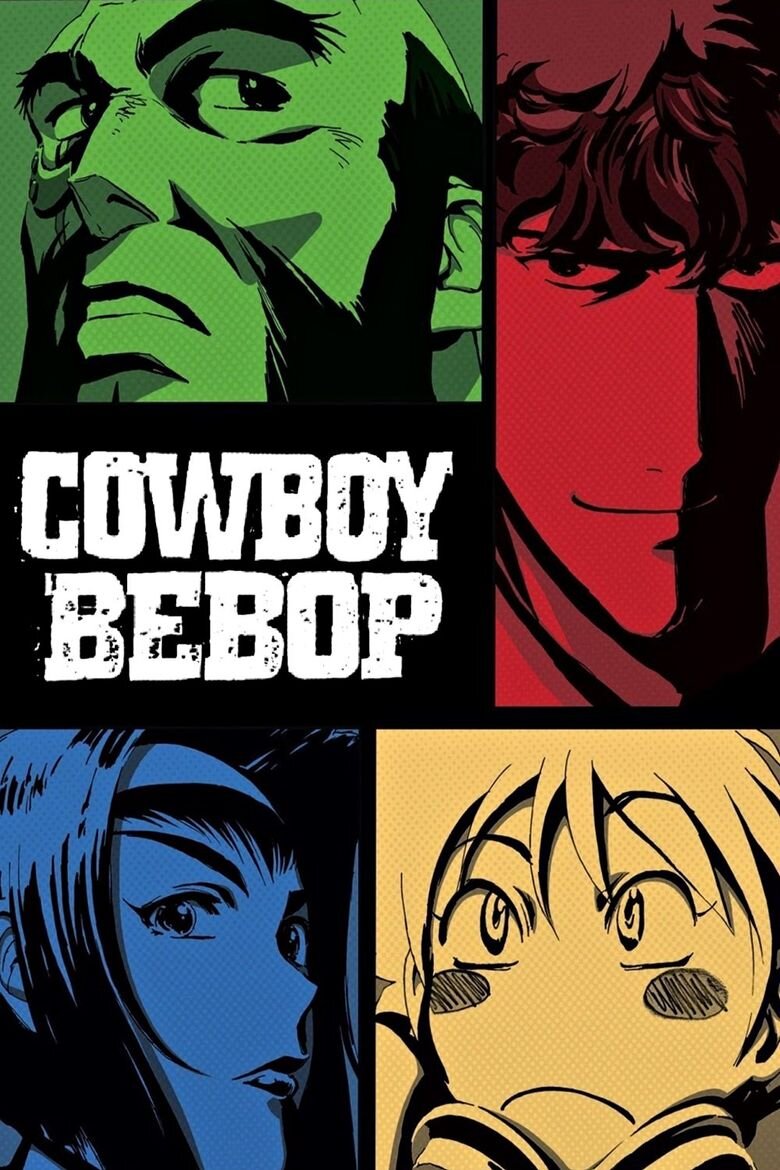
Cowboy Bebop1998
Same jazz-drenched, deadpan cool wrapped around a gambler-gunman with nothing left to lose — Shinoda's nihilist antihero reborn as a bounty hunter in space.
A samurai-noir soul inside a science-fiction bounty-hunter show — loneliness, debt, and doomed pasts, scored by one of the great jazz soundtracks ever written for TV.
But It's episodic anime with occasional slapstick, a long way from Pale Flower's austere restraint — the tonal whiplash can be jarring.
More like this (8)
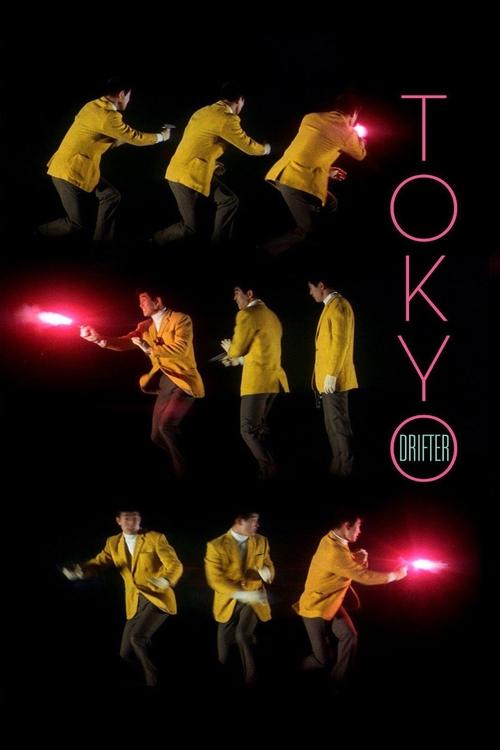
Tokyo Drifter1966
Same studio, same era, pure pop-art yakuza — pastel gangs, absurd sets, a wandering gunman too loyal for his own good.
But It's candy-coloured and cartoonish where Pale Flower is grey and hushed; the tonal jump is real.
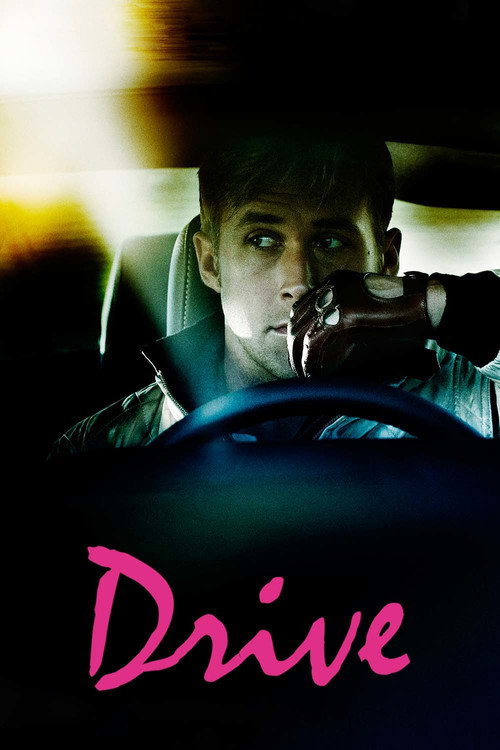
Drive2011
A modern American cousin: a near-silent driver, a doomed almost-romance, violence that erupts out of stillness, scored like a fever dream.
But Refn's violence is far more graphic and stylised than anything Shinoda ever shows on screen.
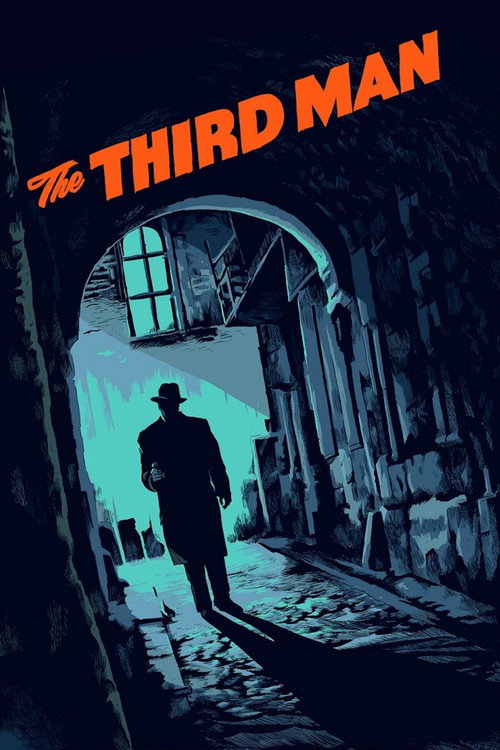
The Third Man1949
Postwar shadows, a zither instead of jazz, and a friendship curdling into something rotten — the noir grandparent for anyone who loves this kind of moral fog.
But It's talkier and more plot-driven than Pale Flower's wordless, drifting cool.
A Colt Is My Passport1967no page yet
Another contract killer on borrowed time, shot with the same lean, jazzy nihilism — practically a cousin of Pale Flower.
But A much smaller, cheaper picture — don't expect the same painterly control of image.
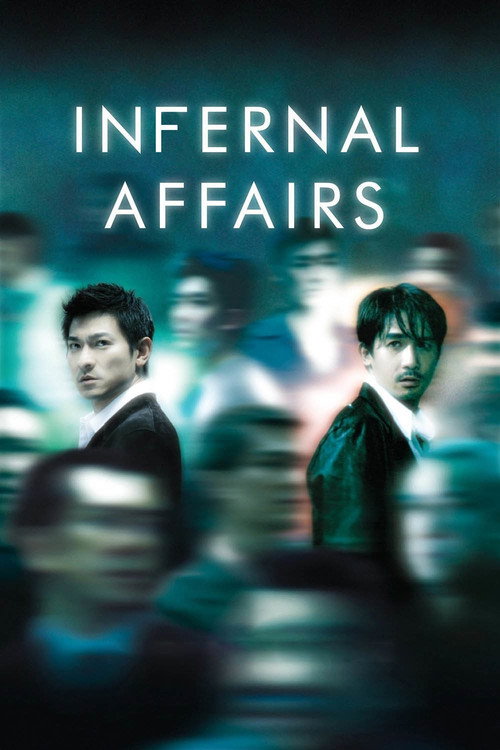
Infernal Affairs2002
Swap gambling dens for Hong Kong rooftops: an undercover cop, a mole in the mob, and a slow tightening dread that ends exactly where it should.
But Tighter and twistier — thriller mechanics over Pale Flower's loose, moody drift.
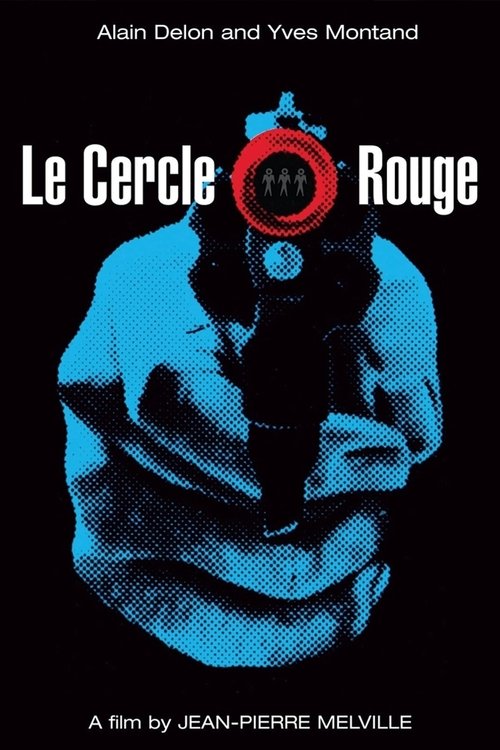
Le Cercle Rouge1970
Melville again, longer and grander: three men drawn together for one last heist, fatalism thick as cigarette smoke.
But At over two hours it's a slow burn even by this genre's standards; patience required.
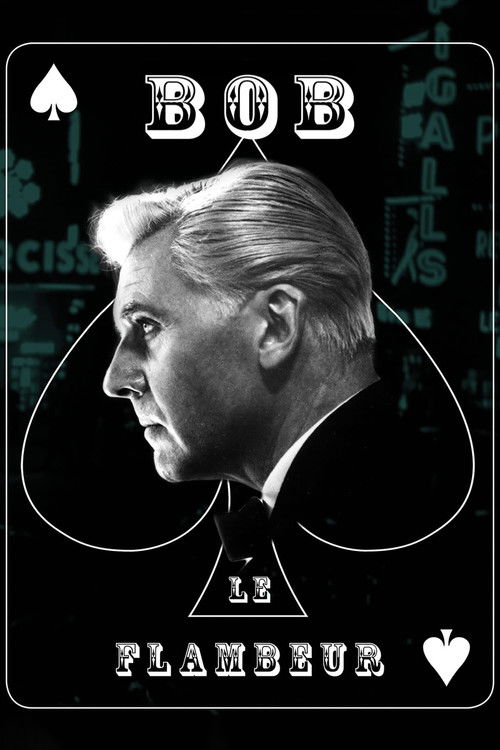
Bob le Flambeur1956
The earlier blueprint: an aging gambler drawn back to the tables he should have quit, filmed with the same detached, almost amused fatalism Shinoda would later borrow.
Melville's first great gambler-noir, shot nearly a decade before Pale Flower, wandering Montmartre at dawn with the same cool disregard for consequence.
But Gentler and drier than Pale Flower — more wry shrug than existential dread.
Ashes of Time1994no page yet
Same ennui, same doomed love, same appetite for oblivion — just dressed in a different genre, swordsmen instead of gangsters.
Wong Kar-wai turns wuxia into existential poetry — exiled swordsmen drowning in memory and regret, shot in hazy desert gold instead of Shinoda's grey Tokyo nights.
But Fractured, dreamlike structure with almost no swordplay payoff; it demands patience for mood over momentum.
People
Cast
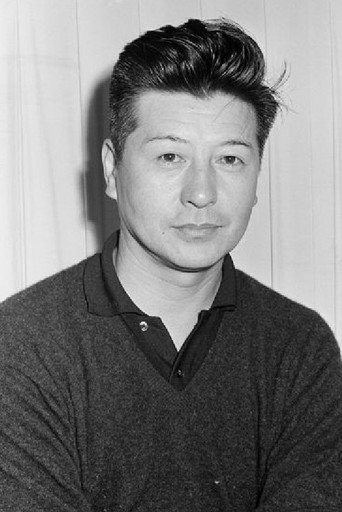 Ryō IkebeMuraki
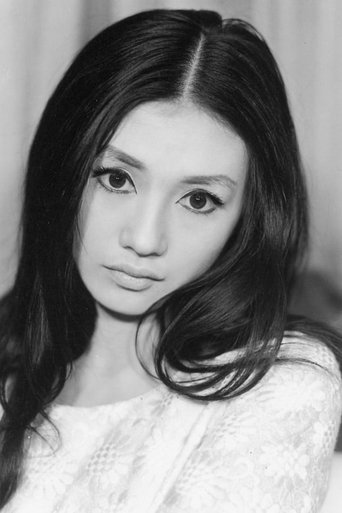 Mariko KagaSaeko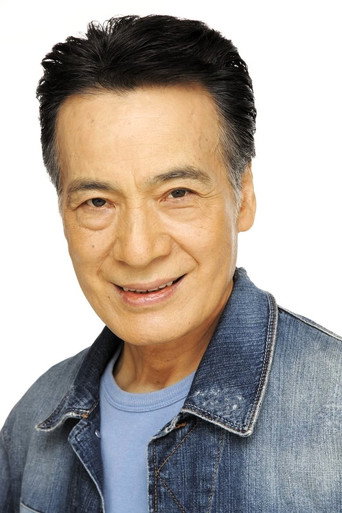
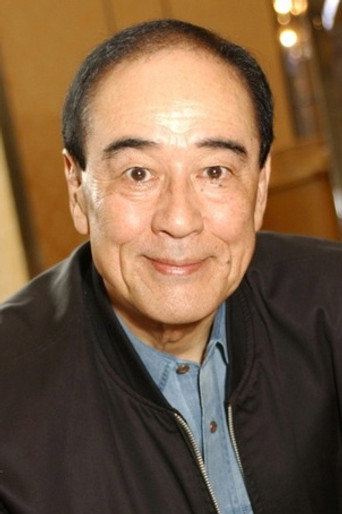 Naoki SugiuraAikawa
 Shinichirō MikamiReiji
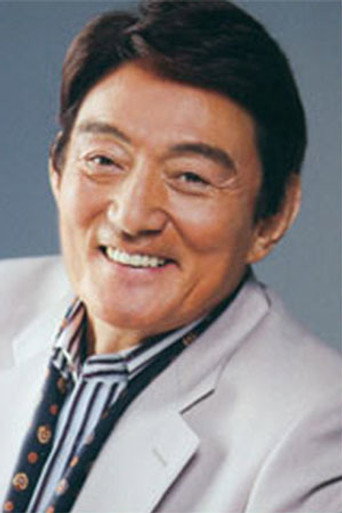 Isao SasakiJiro
- Koji NakaharaTamaki
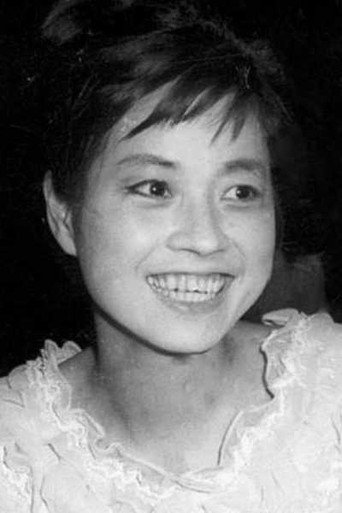 Chisako HaraShinko Furuta
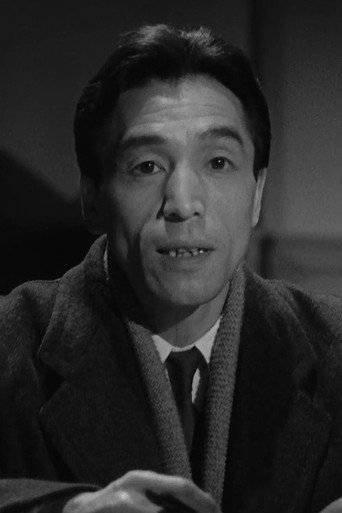 Seiji MiyaguchiFunada
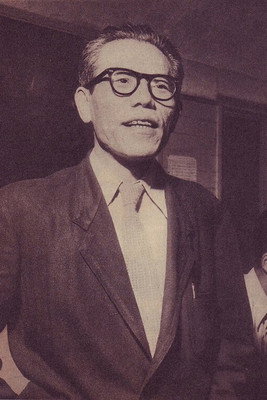 Eijirō TōnoYasuoka
- Mikizo HirataMizoguchi
 Kyū SazankaImai
Directing
- Gô YoshidaAssistant Director
- Shigeyuki YamaneAssistant Director
- Masahiro ShinodaDirector
- Ichirô MizunumaFirst Assistant Director
Writing
- Shintarō IshiharaNovel
- Masahiro ShinodaScreenplay
- Masaru BabaScreenplay
Production
- Masayuki NakajimaAssociate Producer
- Toshio ShimizuAssociate Producer
- Hideo KishidaExecutive In Charge Of Production
- Masao ShiraiProducer
- Shigeru WakatsukiProducer
- Masashi UenoProduction Supervisor
Recommended by
Rififi, Bob le Flambeur, Le Cercle Rouge, Tokyo Drifter, Sonatine