
Film
Bob le Flambeur
Bob le Flambeur is the film where cinema learned how criminals are supposed to look and talk — unhurried, immaculately dressed, morally ambiguous but never sweaty about it. It's a heist movie where the heist is almost beside the point; what matters is watching an ageing gambler's code of honour collide with his own bad luck. Slow, stylish, deceptively light — for people who prize atmosphere over plot mechanics.
If you liked this
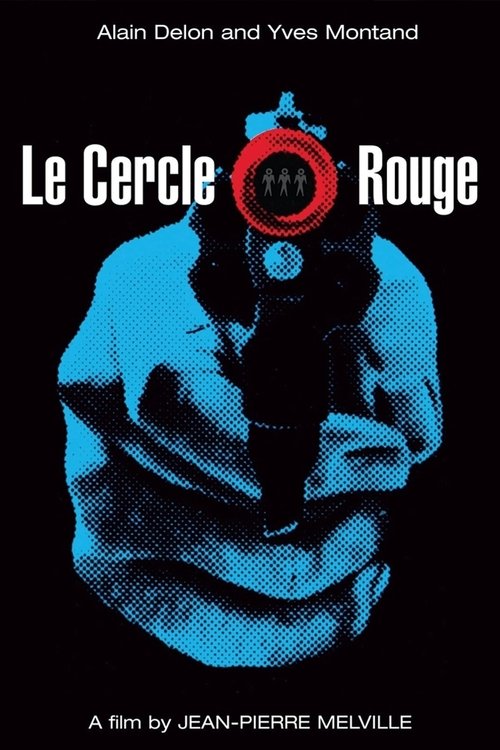
Le Cercle Rouge1970
Melville refined everything Bob le Flambeur sketched — three men, one vault, a code of silence, the same unhurried fatalism, but shot with more money and an even colder inevitability.
But Nearly two and a half hours of quiet men not talking; if you wanted pace and jokes, this isn't it.
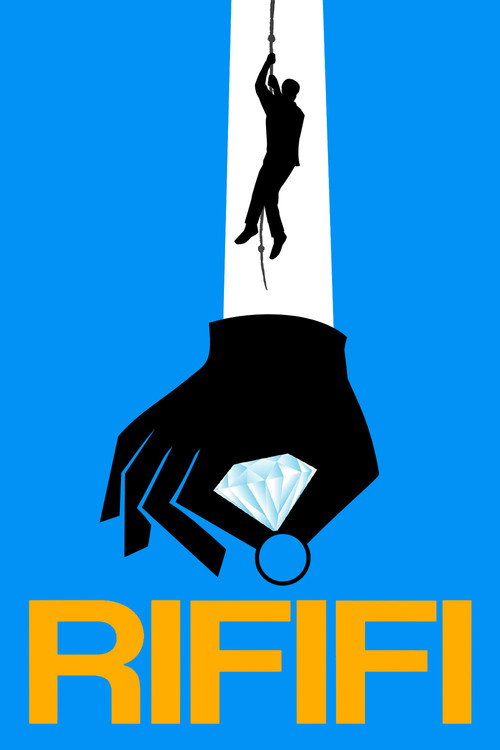
Rififi1955
The heist movie that taught every other heist movie how to build tension out of silence — a wordless twenty-minute robbery sequence still studied in film schools.
But Grimmer and more punishing than Bob's playful fatalism; the ending offers little comfort.
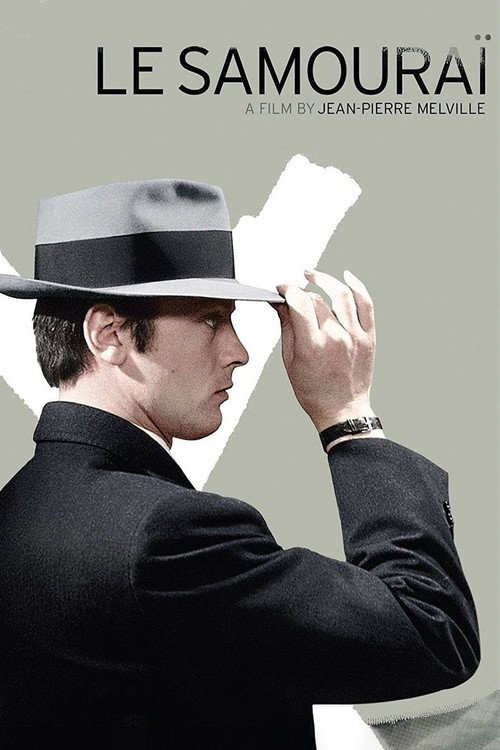
Le Samouraï1967
Same director, same Parisian underworld, but swap the ageing charmer for a young hitman who barely speaks — Melville's obsession with codes of honour distilled to its coldest, most stylish point.
But Delon's character is a void by design; if you want warmth or charm like Bob's, you won't find it here.
The wildcard
Something you would not have found on your own.
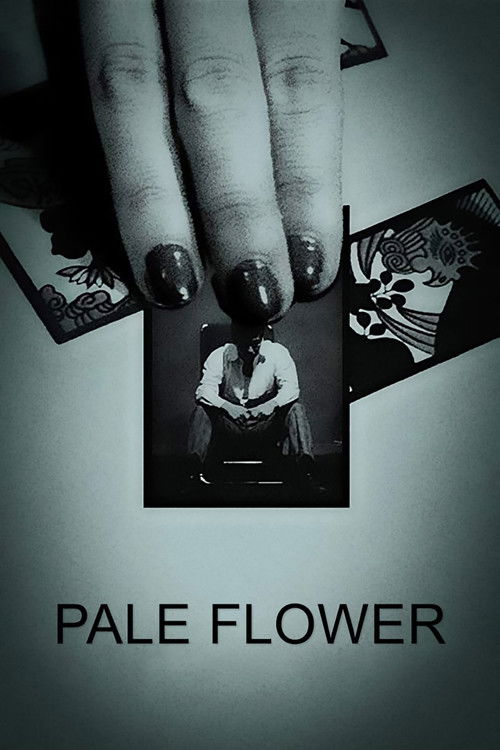
Pale Flower1964
Same existential gambler-criminal, same fatalistic code and cool restraint, transplanted into Tokyo's yakuza underworld and shot with a jazzier, more hallucinatory eye.
A yakuza just out of prison drifts back into Tokyo's gambling dens and falls for a woman as numb to danger as he is — the same existential cool as Bob, filtered through Japanese noir at its most hypnotic.
But Slower and stranger than Bob, with a nihilism that curdles rather than charms — this one doesn't want you to like anybody.
More like this (8)
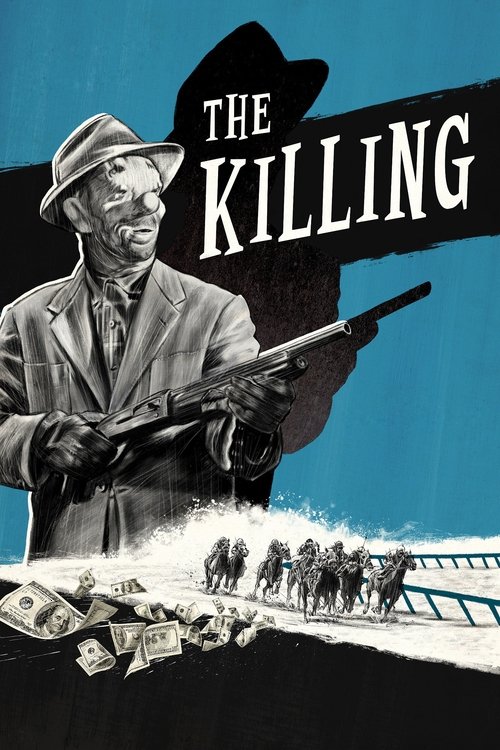
The Killing1956
Same year, same genre, opposite temperature — Kubrick's racetrack heist runs on jittery fatalism and a shattered timeline instead of Gallic cool, and it's just as sharp.
But The clipped noir narration and fractured chronology feel more mechanical than Bob's loose, wandering charm.
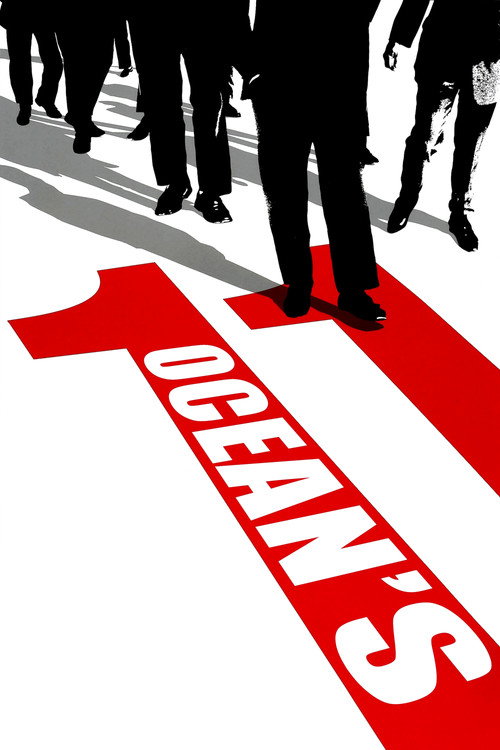
Ocean's Eleven2001
If you liked watching a crew of confident men enjoy their own competence, here's the glossy Vegas descendant — starrier, funnier, and unapologetically fun.
But All style, no consequence; nobody here risks anything like the melancholy Bob carries into his last big score.
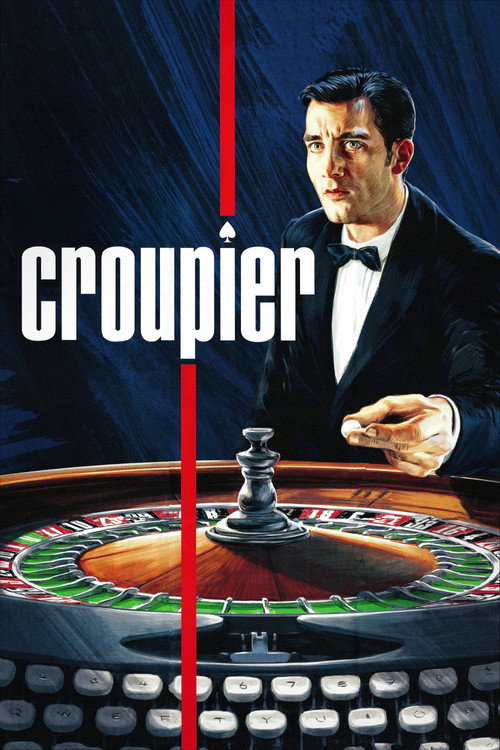
Croupier1998
A cool, controlled outsider narrates his own slow corruption inside the gambling world he's supposed to merely serve — same milieu of chips, tables, and quiet decay.
But Clive Owen's cool tips into detachment; some find the film as icy as its dealer hero.
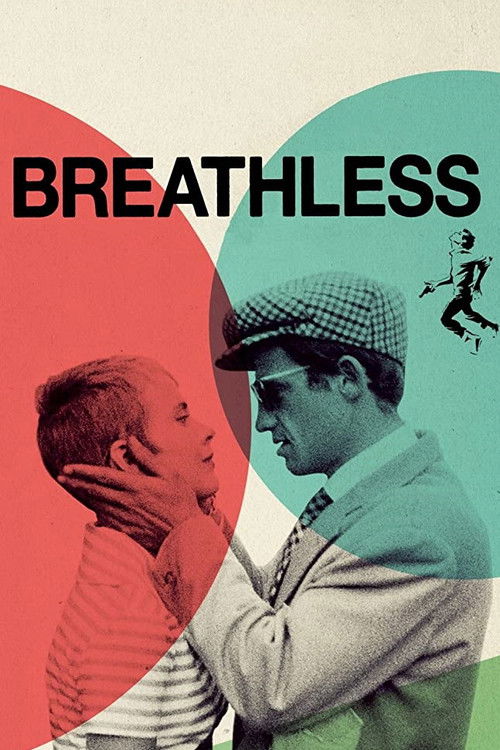
Breathless1960
Godard's jump-cut, cigarette-dangling crime romance is the New Wave's answer to Bob's cool, made four years later by a director who'd clearly taken notes.
But Belmondo's petty thief has none of Bob's steadiness — it's messier, younger, more reckless by design.
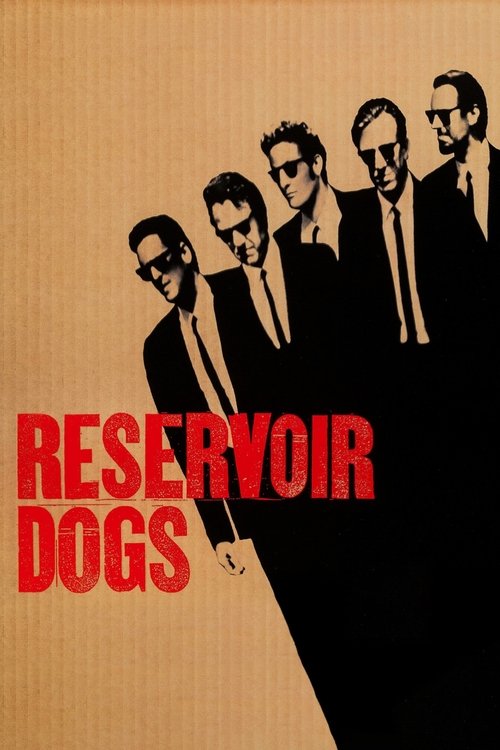
Reservoir Dogs1992
Tarantino has said Melville's Paris of sharp suits and doomed loyalty shaped his own crooks — here's that lineage turned American, bloodier and much louder.
But Trades Bob's elegance for violence and profanity; the tonal jump from Gallic cool to American shock is steep.
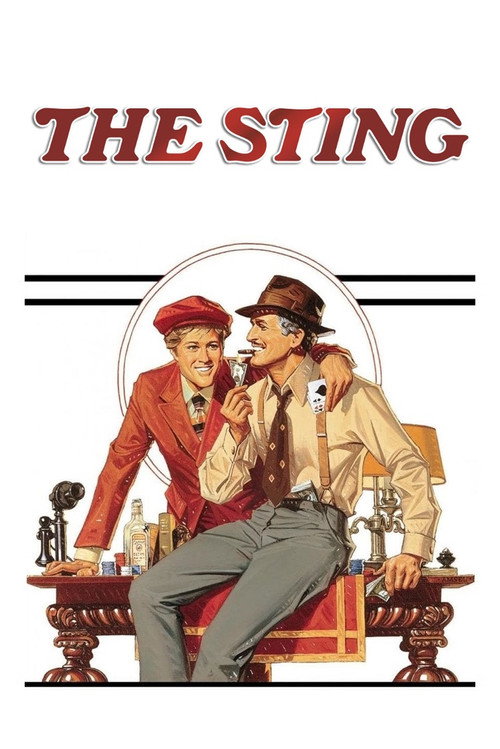
The Sting1973
A warmer, more crowd-pleasing con-artist romp with the same pleasure in watching a plan unfold — Newman and Redford at their most charming.
But Glossier and safer than Melville's world; the moral shadows Bob carries are mostly absent here.
Pépé le Moko1937no page yet
The direct ancestor — this poetic-realist gangster film set the template Melville consciously echoed: the charismatic, doomed criminal-king adored even by the police who hunt him.
Two decades before Bob, this is the film that invented the charismatic gangster-in-exile Melville was quoting — Jean Gabin ruling the Casbah the way Bob rules his card table.
But Creakier and more melodramatic than Melville's cool minimalism; the pacing and acting styles show their 1937 age.
Braquo2009no page yet
A format shift — the same Parisian criminal milieu and moral compromise, but stretched into a serialized crime drama that trades Melville's clean fatalism for grittier, longer consequence.
A modern French crime series that takes Bob's world of cops and crooks who know each other too well and drags it into brutal, serialized, present-day Paris — same milieu, filthier stakes.
But Much darker and more violent than anything in Bob's playful universe; several hours long and unrelentingly grim.
People
Cast
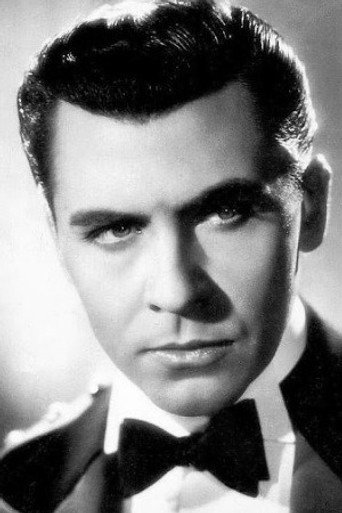 Roger DuchesneRobert 'Bob le Flambeur' Montagné
- Isabelle CoreyAnne
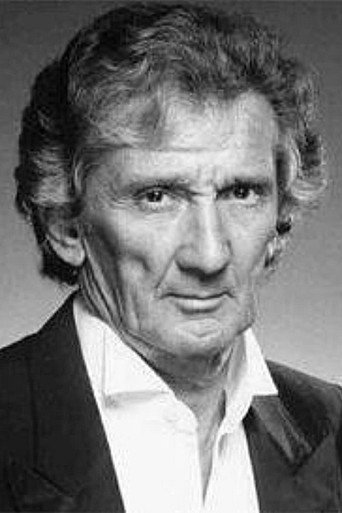 Daniel CauchyPaulo
- Gérard BuhrMarc
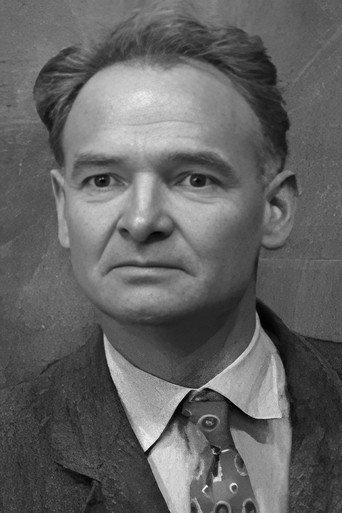 Guy DecomblePolice Commissary Ledru
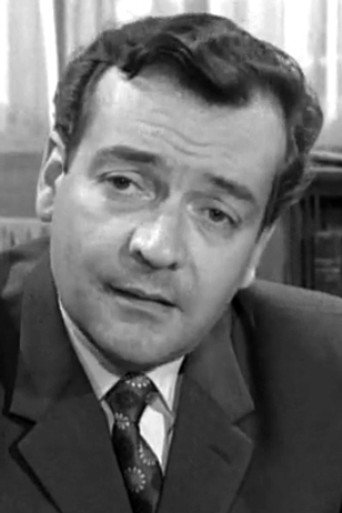 Claude CervalJean, the Croupier
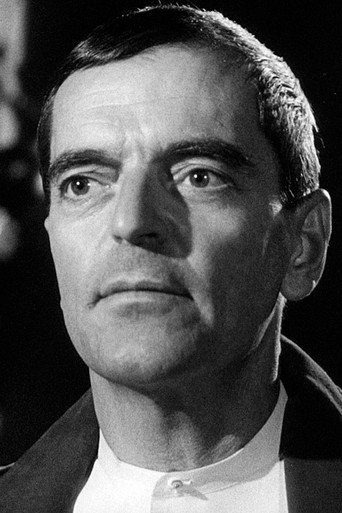 Howard VernonMcKimmie, the Sponsor
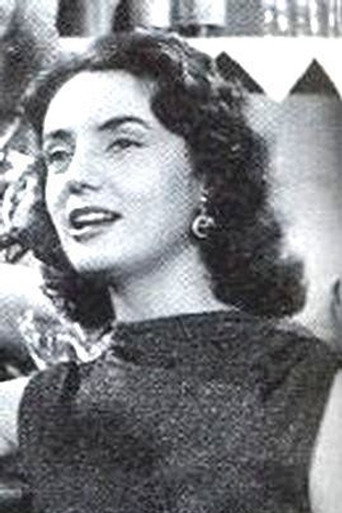 Colette FleurySuzanne, Jean's Girlfriend
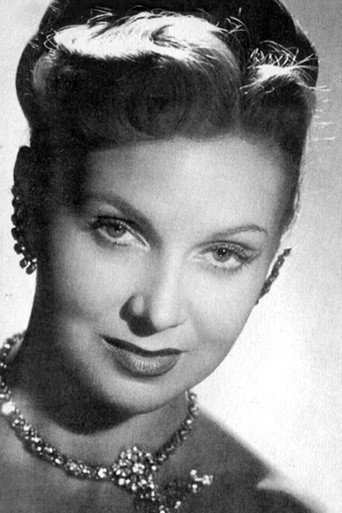 Simone ParisYvonne
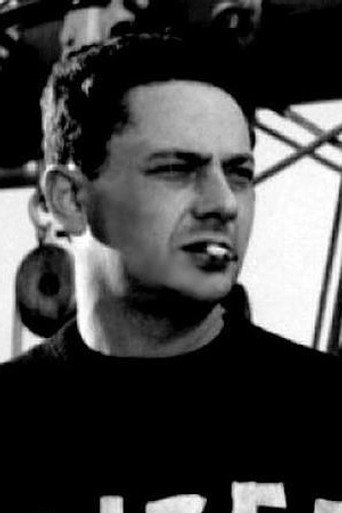 René HavardInspector Morin
- André GaretRoger
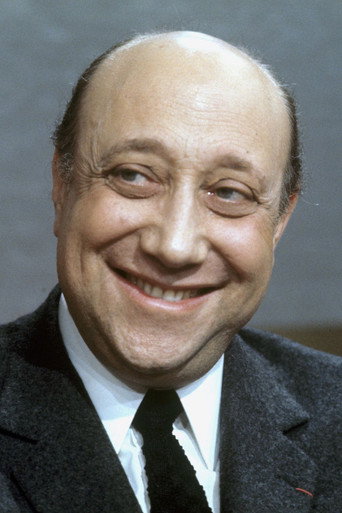 Jean-Pierre MelvilleNarrator (voice) (uncredited)
Directing
- Leo FortelAssistant Director
- Yves-André HubertAssistant Director
- Jean-Pierre MelvilleDirector
- François GirFirst Assistant Director
Writing
- Auguste Le BretonWriter
- Jean-Pierre MelvilleWriter
Production
- Jean-Pierre MelvilleProducer
- Roger VidalProducer
- Serge SilbermanProducer
- Florence MelvilleProduction Manager
- Philippe SchwabUnit Production Manager