
Film
The Crook
A stylish 1970 French crime thriller following a master thief navigating the high-stakes underworld of Paris. Jean-Louis Trintignant is magnetic as Simon the Swiss, a professional criminal caught between ambition and survival. It's sleek, tense, and deeply of its era—a film that moves like its protagonist, always three steps ahead, never settling into comfort.
Should you watch it?
Watch it if you like crime stories told with a shrug, where the pleasure is watching a professional's routine and the cool, unhurried economy of a man who knows his trade.
Skip it if you want a tightly wound plot, since its loosely structured scenes let the tension slacken and the 120 minutes feel every bit of it.
What it asks of you: Two hours at a deliberate pace, with long stretches of quiet and wandering between bursts of action; it rewards patience more than attention to clues.
Not sure? Find tonight's pick in a minute.
If you liked this
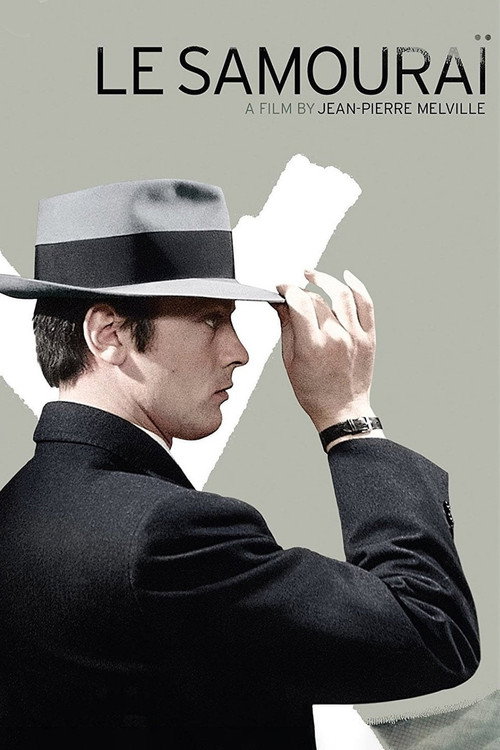
Le Samouraï1967
Alain Delon as an ice-cold hitman in postwar Paris. If you loved the controlled precision and fatalism of The Crook, this is the template that influenced it—a masterclass in style as substance, where every movement matters.
But Almost static at times. Long stretches with minimal dialogue demand patience and reward it only if you're attuned to mood over plot.
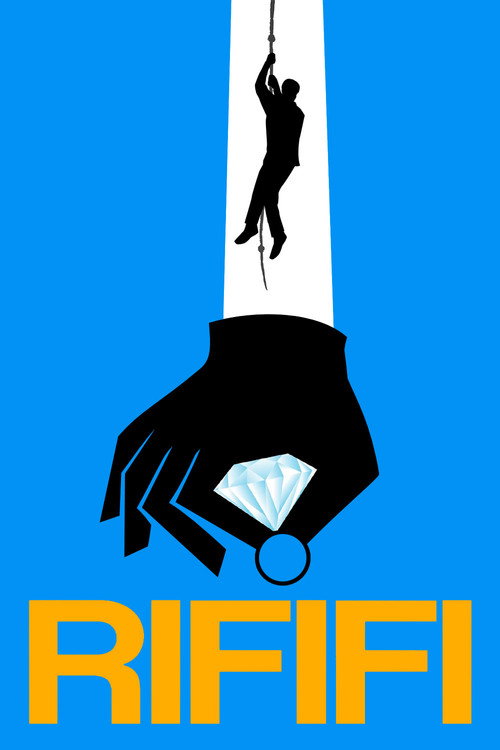
Rififi1955
Jules Dassin's heist classic features a celebrated jewel robbery executed in complete silence. It shares The Crook's fascination with the mechanics and psychology of the perfect score, with comparable elegance and moral ambiguity.
But The pacing is deliberate and sometimes feels airless. Some viewers find the black-and-white cinematography, beautiful as it is, a barrier to entry now.
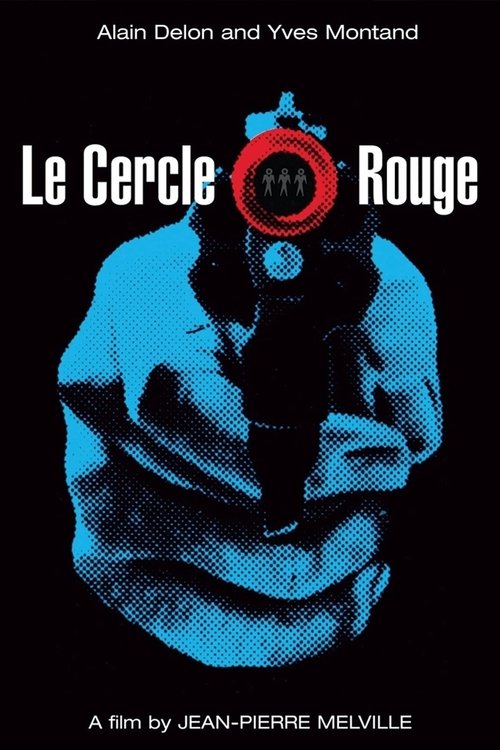
Le Cercle Rouge1970
Jean-Pierre Melville's final masterpiece. A heist film about two thieves and a cop, shot with the same cool precision as The Crook and released the same year. The Paris underworld feels like a character itself.
But It's long—nearly three hours—and deliberately paced. The narrative unfolds with glacial certainty; some will find it hypnotic, others tedious.
Not sure tonight? Get a pick in a minute, starting from The Crook
The wildcard
Something you would not have found on your own.
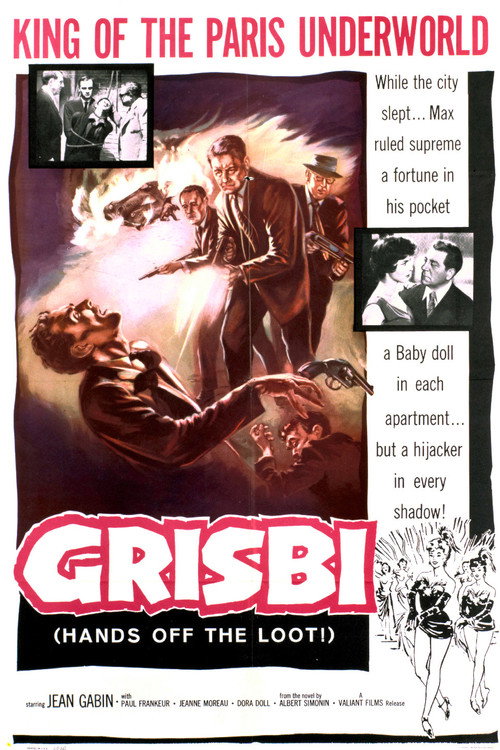
Touchez Pas au Grisbi1954
The spiritual ancestor. The Crook remakes Becker's moral and aesthetic framework for 1970: the aging professional, the impossible loyalty, the world that doesn't care.
Jacques Becker's original French crime masterpiece. A retired thief protecting his nest egg; it pioneered the exact DNA The Crook inherits. Astonishing for what it accomplished on tight budget and time.
But Black-and-white, 1950s pacing, and subtitles (if you're not fluent). It moves slower and asks more patience than 1970 audiences gave it.
More like this (8)
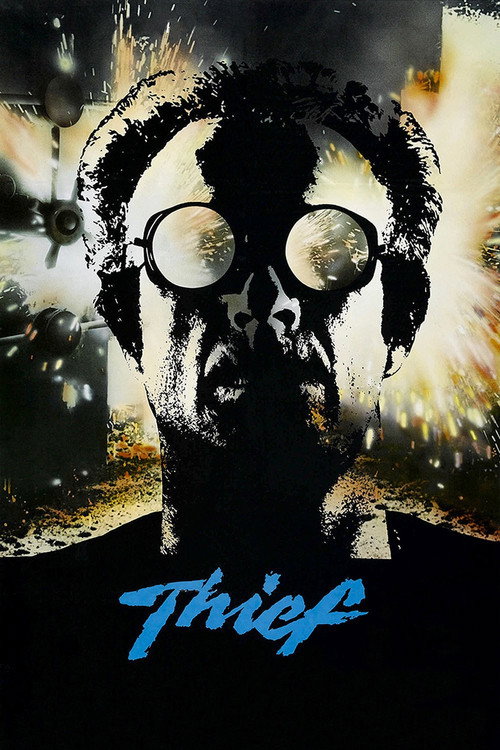
Thief1981
Michael Mann's neon-soaked remake of the heist genre. James Caan as a professional thief: the spiritual successor to Simon, playing a man for whom the score matters more than the score itself. Modern but spiritual cousin.
But The 80s synth score is aggressively of its time. If dated aesthetics pull you out of films, this is a minefield.
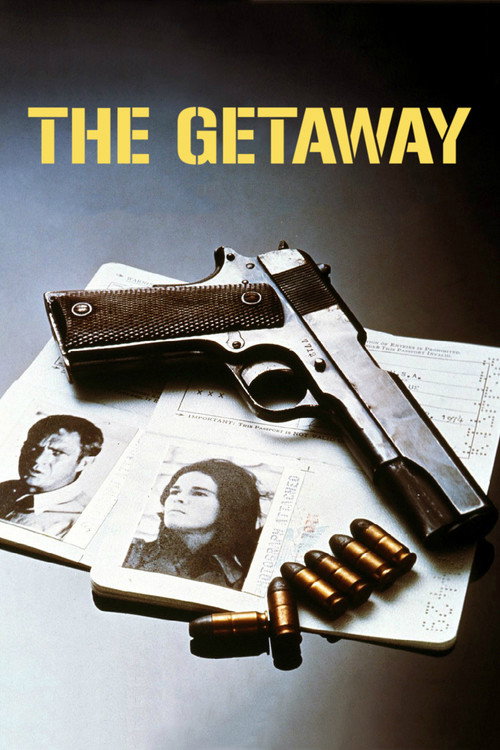
The Getaway1972
Steve Reeves and Ali MacGraw on the run after a job goes wrong. Raw, visceral action and genuine chemistry. Peckinpah's take on the criminal romance—less controlled than The Crook but equally propulsive.
But Violence is sudden and messy, which some find gratuitous. The sexual politics haven't aged gracefully.
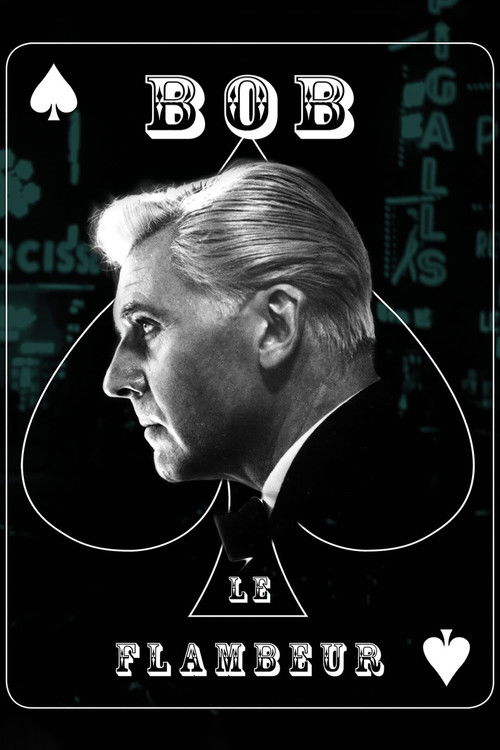
Bob le Flambeur1956
Melville again, earlier. A small-time Paris gambler planning one last big score. It's lighter and more playful than The Crook but shares the same romantic fatalism about a life outside the law.
But The plot is thin and sometimes feels like an excuse for atmosphere. If you need strong narrative drive, this drifts.
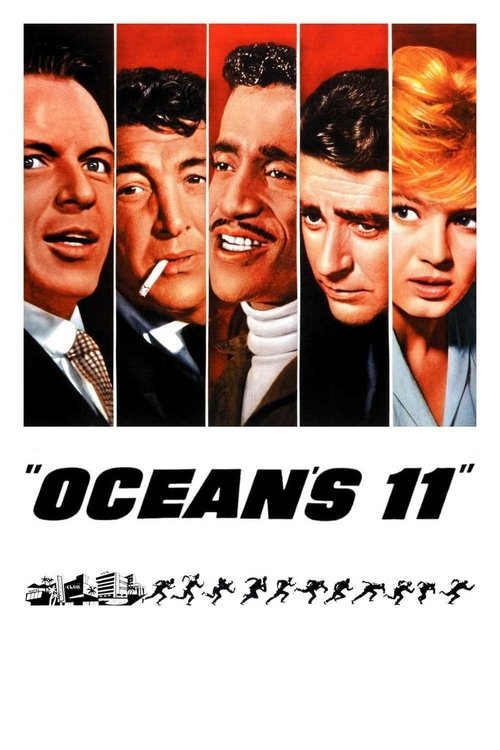
Ocean's Eleven1960
The original Rat Pack version. A ensemble heist in Vegas with genuine star power and a breezy charm. Lighter than The Crook but with the same DNA: professionals executing a plan with style.
But Dated pacing and some dated attitudes. It's more about the vibe than the stakes, which doesn't always land now.
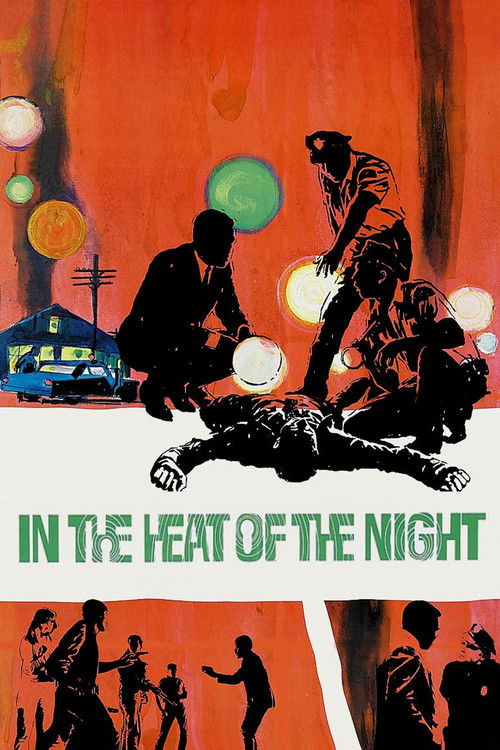
In the Heat of the Night1967
Sidney Poitier and Rod Steiger as a detective and police chief solving a murder in the segregated South. Tense procedural with moral weight. Different genre, same era's mastery of mounting pressure and human conflict.
But The plot mechanics are familiar now. Knowing the twist robs some of the film's power.
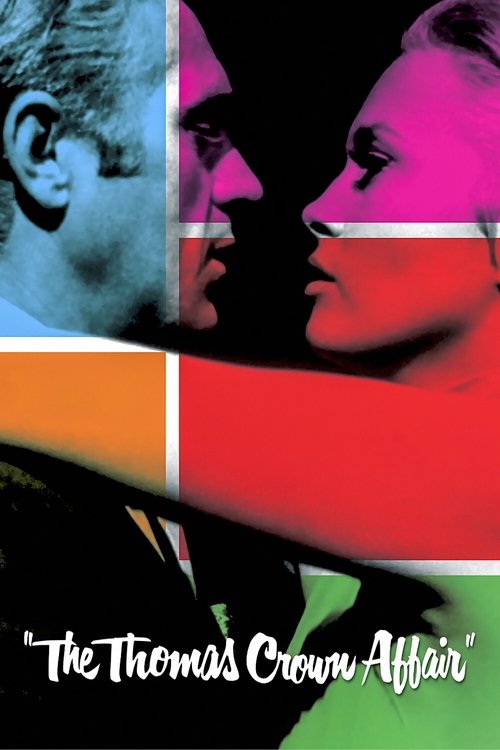
The Thomas Crown Affair1968
Steve Reeves as a wealthy thief stealing for the thrill. Stylish, playful, concerned with surfaces and desire. A tone poem about theft as existential game, with gorgeous cinematography and genuine wit.
But Prioritizes mood and fashion over narrative coherence. The plot is gossamer; if you need substance, it evaporates.
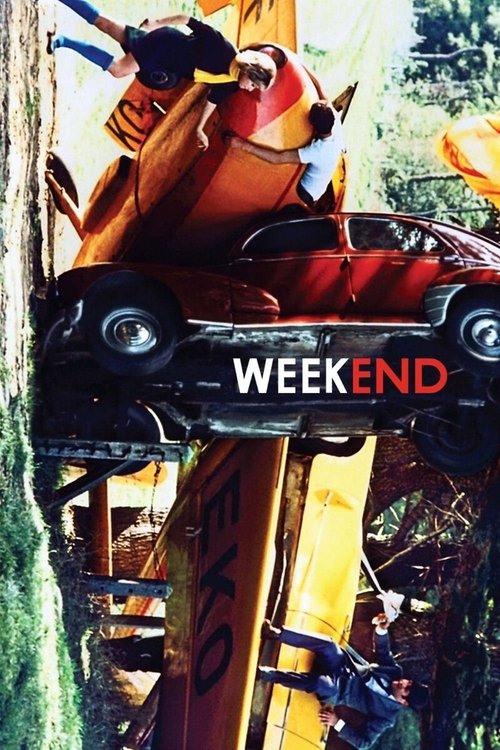
Weekend1967
Both are about systems designed to trap people, but Godard attacks the social contract itself while The Crook accepts it as eternal. One shows crime as symptom; the other treats it as profession. Opposite angles on the same corrupt world.
Godard's apocalyptic road movie, a couple's bourgeois weekend descends into anarchic nightmare. Radical formal experiment—long takes, non-sequiturs, violence erupting without warning. Paris itself becomes hostile, criminal.
But Aggressively experimental and politically didactic. If you want plot and conventional narrative, this will infuriate you within minutes.
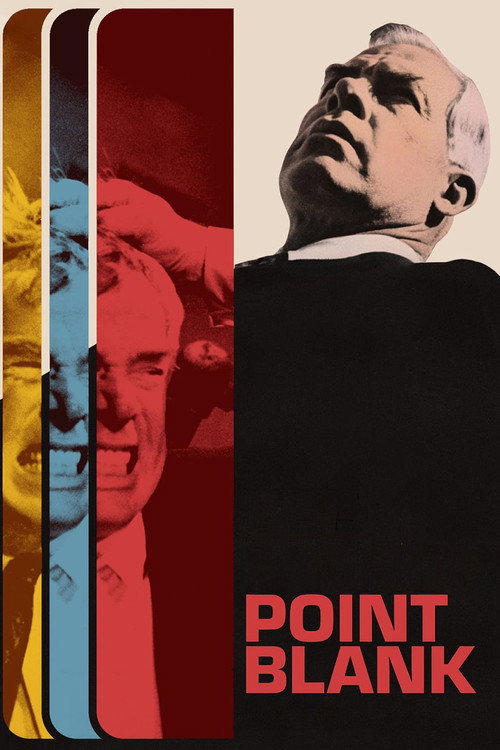
Point Blank1967
Both obsess over the mechanic of theft and revenge, but Point Blank is dreamlike and abstract where The Crook is concrete and cool. Same era, same impulse to formalize violence and crime, opposite emotional temperatures.
John Boorman's hallucinogenic revenge thriller. Lee Marvin methodically dismantles a criminal organization. Formally experimental—fractured editing, Godard-like jump cuts, alienated brutality. Crime as nightmare, not profession.
But Disorienting by design. The editing is intentionally fractured; it's deliberately unsettling rather than propulsive. Demands active viewing.
People
Cast
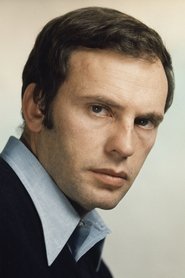 Jean-Louis TrintignantSimon the Swiss
 Danièle DelormeJanine
 Judith MagreMs. Gallois
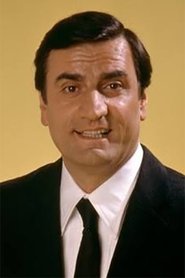 Aldo MaccioneAldo Ferrari
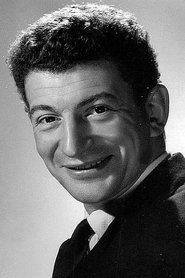 Yves RobertCommissioner
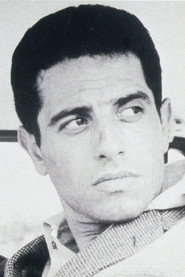 AmidouBill
- Christine LelouchMartine
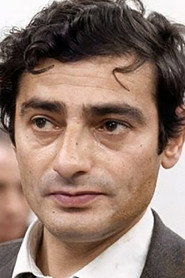 Charles DennerMonsieur Gallois
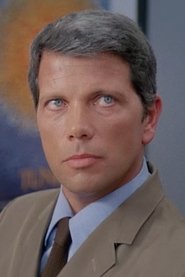 Pierre ZimmerMartine's Husband
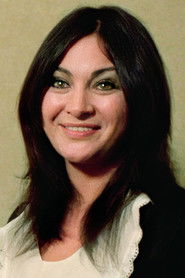 Gabriella GiorgelliL'italienne
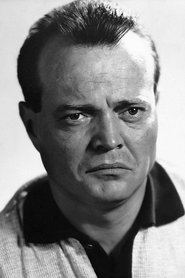
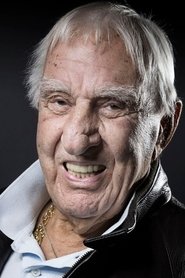 Charles GérardCharlot
Directing
- Claude PinoteauAssistant Director
- Claude LelouchDirector
Writing
- Claude LelouchDialogue
- Claude LelouchScreenplay
- Claude PinoteauScreenplay
- Pierre UytterhoevenScreenplay
- Claude LelouchStory
Production
- Janine RuaultAdministration
- Nicole CarmetAssistant Unit Manager
- Arlette GordonCasting
- Alexandre MnouchkineProducer
- Georges DancigersProducer
- Raymond LeplontProduction Manager
- Jean CollombUnit Manager