
Film
Weekend
Other titles called Weekend: the 2011 film.
- Satire
- Very dark
- Strange
Godard's caustic vision of French bourgeois collapse: a couple's weekend drive spirals into traffic hell, revolution, and cannibalism. Formally experimental, ferociously political, and grimly hilarious. For viewers who love cinema that provokes as much as entertains.
Should you watch it?
Watch it if you enjoy sharp, deliberately artificial satire where patient, held shots and a deadpan joke do more work than any plot, and you like comedy that grows colder as it goes.
Skip it if you need momentum and a clear through-line, since this drifts through set pieces on purpose, and its contempt for its characters can feel more like a lecture than a joke.
What it asks of you: Be ready for a shape built from long stretches of stalled traffic, abrupt shifts of tone, and a runtime of about one hundred and four minutes that you have to sit still through.
Not sure? Find tonight's pick in a minute.
If you liked this
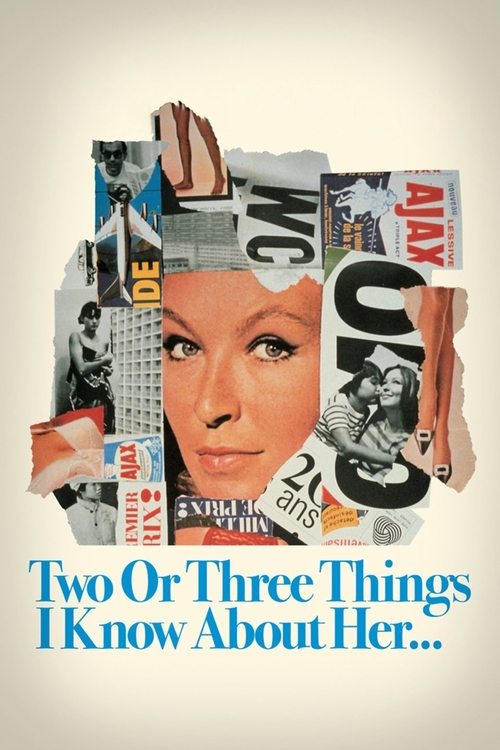
2 or 3 Things I Know About Her1967
Godard's companion piece from the same year: Paris itself becomes the subject, fragmented through the lives of ordinary people. Simultaneously intimate and sprawling, as formally playful as Weekend but more melancholic.
But The narrative barely exists—it's essayistic, essayistic, and demands active viewing rather than passive consumption. Patience required.
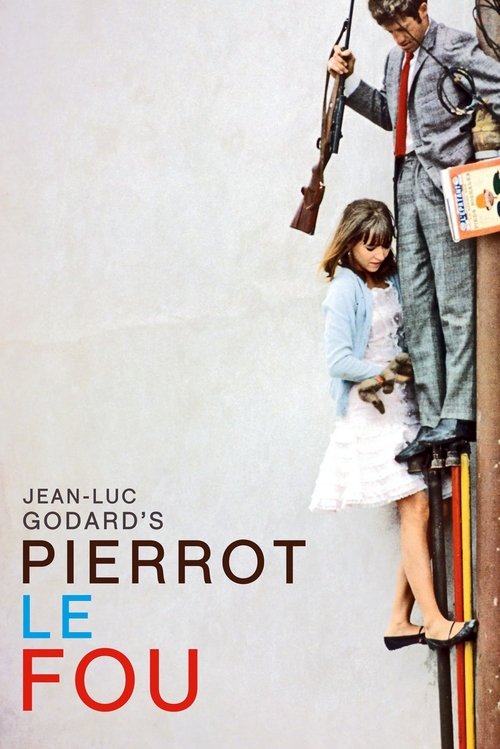
Pierrot le Fou1965
Godard's colour masterpiece about a man and woman fleeing bourgeois life. Lyrical, violent, absurd, and architecturally inventive. If you loved Weekend's anarchic energy, this has it in a more romantic register.
But The plot keeps dissolving into fragments—philosophy, music, autobiography, video essays. It resists coherence intentionally, which some find liberating and others exhausting.
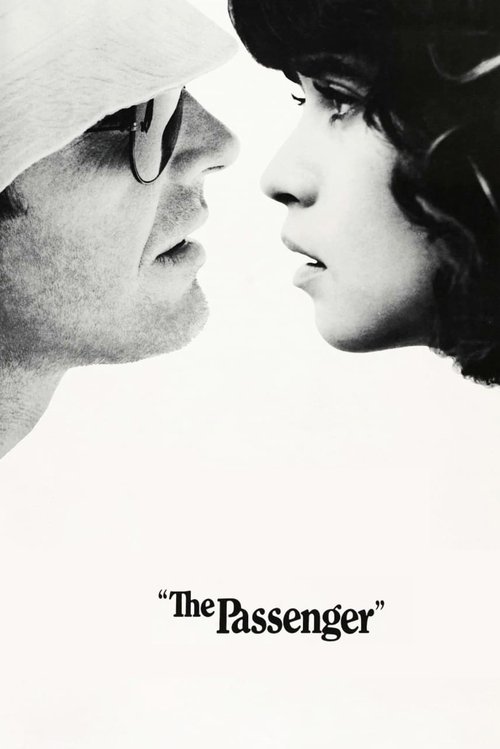
The Passenger1975
Antonioni's meditation on identity and alienation: a man assumes a dead stranger's life across Africa. Glacial, mysterious, and populated by the walking wounded of consumer society. Similar class consciousness, less didactic.
But Glacial is the operative word. Long takes, minimal plot, and an ending that baffles as much as it haunts. Not for those wanting narrative momentum.
Not sure tonight? Get a pick in a minute, starting from Weekend
The wildcard
Something you would not have found on your own.
Stalker1979
Both use genre or spectacle as a Trojan horse for Marxist/existential critique. Both diagnose consumer society's emptiness. Godard howls; Tarkovsky sits in the dark and grieves.
Tarkovsky's meditation on desire and power wrapped in science-fiction longing. A guide leads two men toward a forbidden room in a mysterious zone. Like Weekend, it diagnoses the spiritual sickness of modern life—but through silence, duration, and metaphysics rather than provocation.
But Glacially slow (163 minutes), structurally hypnotic, philosophically oblique. It demands contemplation rather than engagement. Many watch it once, respect it, never return.

More like this (8)
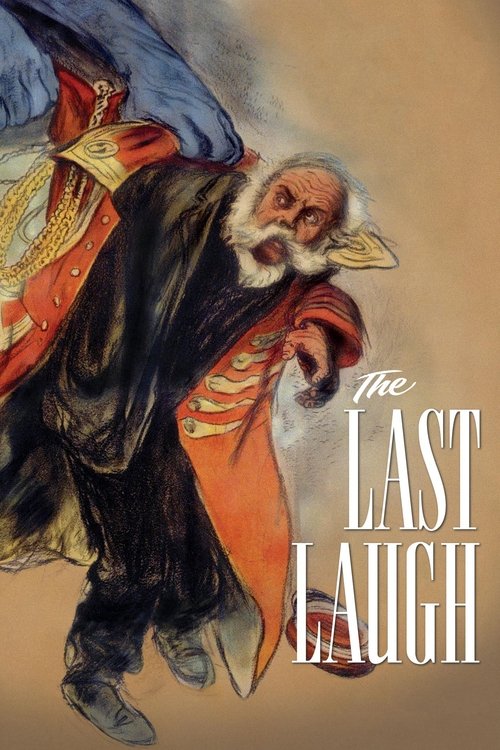
The Last Laugh1924
Murnau's silent masterpiece about a hotel doorman losing status. Class anxiety and dignity predates Godard by decades but speaks to the same fears. Technically dazzling and emotionally devastating.
But Silent film, expressionist style, and a runtime that feels centuries old to modern eyes. The emotional impact is real, but getting there demands adjustment.
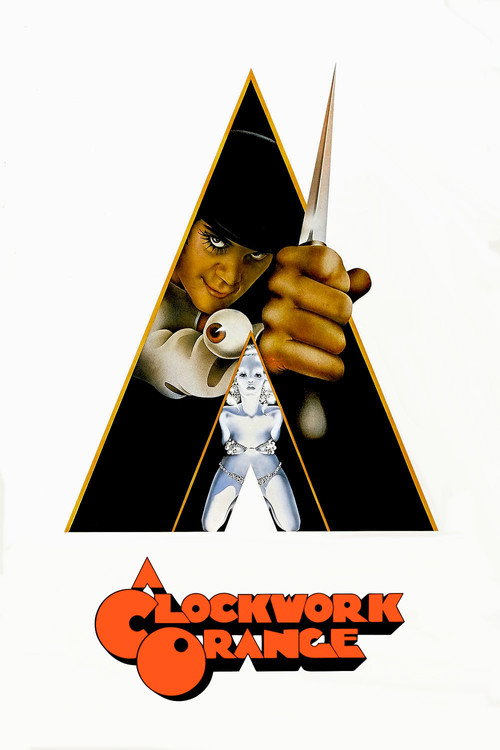
A Clockwork Orange1971
Kubrick's savage satire of consumer society and state violence. Provocative formal audacity, darkly funny, structured like a philosophical argument disguised as a thriller.
But Genuinely disturbing content—sexual violence, brutality—deployed deliberately and disturbingly. It's not entertainment; it's an assault meant to make you think. Some prefer their provocations less visceral.
Contempt1963
Godard's earlier masterpiece about a marriage dissolving amid filmmaking and commerce. Bresson, Bardot, primary colours, and a meditation on how capitalism corrupts art and love. Essential Godard.
But Talky, self-conscious, and the marriage drama unfolds without conventional catharsis. The ending is philosophical rather than dramatic, which some find cold.

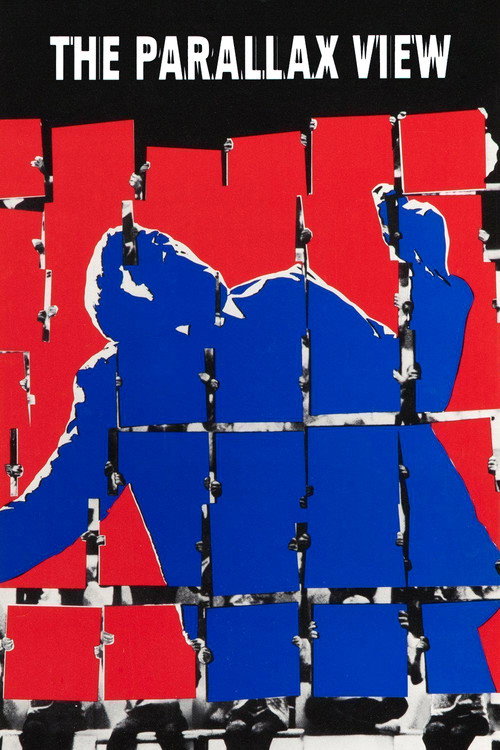
The Parallax View1974
Pakula's paranoid thriller: conspiracy, surveillance, and the emptiness at the heart of American institutions. Political anxiety expressed through thriller mechanics. Weekend's rage channelled differently.
But The paranoia is contagious but chilly. Warren Beatty's performance is deliberately blank, and the film offers no comfort or resolution. It stays with you like a headache.
La Haine1995
Mathieu Kassovitz's incandescent rage at French class and race hierarchies. Black-and-white poetry of alienation and violence. Godard's political questions asked again through '90s Paris and banlieue realities.
But Bleak, aggressive, and the violence is sudden and real. No catharsis offered. The 24-hour timeframe feels claustrophobic by design.

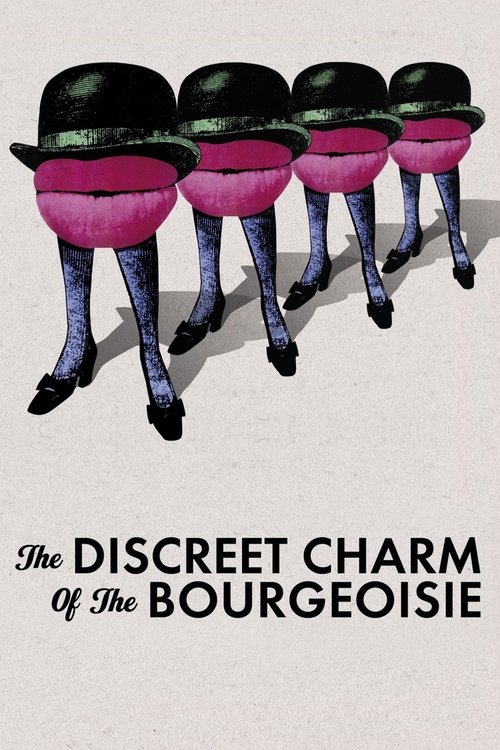
The Discreet Charm of the Bourgeoisie1972
Buñuel's dreamlike satire of bourgeois rituals and manners. A dinner party that never quite happens, dreams nested inside dreams, and middle-class hypocrisy eviscerated with surrealist elegance.
But The narrative logic of dreams means there's no climax or resolution—just elegant, funny circles. Some find it insubstantial despite its formal brilliance. And it's French cinema philosophy, not entertainment.
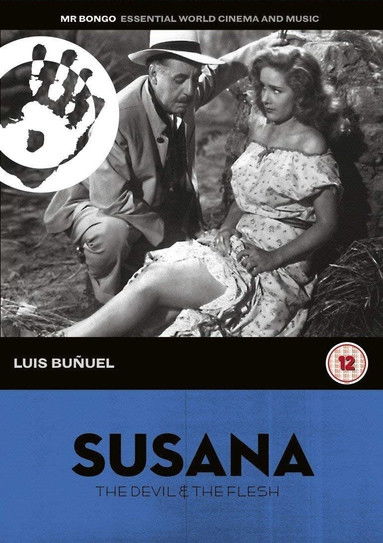
Susana1951
Like Weekend, it traces social collapse via a figure or force that destabilizes bourgeois order. But Susana operates through body and desire where Weekend operates through politics and absurdity. Different instruments, same diagnosis.
Buñuel's Mexican melodrama: a woman escapes prison and arrives at a rural estate, seducing and corrupting everyone via pure physicality and amoral desire. Sexually explicit for 1951, structurally operatic, and genuinely disturbing beneath the soap-opera surface.
But Ugly sexual politics, dated gender stereotypes, and the misogyny is not ironic—it's baked into the film. Visually gorgeous but morally queasy in ways that feel unexamined.
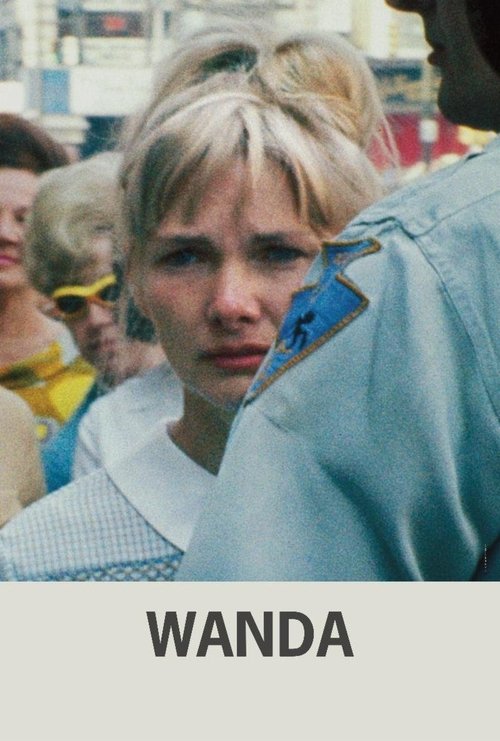
Wanda1970
Weekend's collapse of order viewed from inside individual paralysis rather than collective chaos. Both strip away narrative comfort. Both insist that dissatisfaction is not exceptional—it's the ground floor of modern life.
Barbara Loden's sole directorial effort: a woman drifts into a bank robbery, following a man, following no plan. Neorealist, intimate, shot on location in Pittsburgh like a documentary. Formal restraint about formlessness, despair without melodrama.
But Nothing happens and then it ends. The protagonist is passive, aimless, and frequently unlikeable. It's an anti-entertainment masterpiece—austere, cold, and feels less like a film than eavesdropping on waste.
People
Cast
 Mireille DarcCorinne Durand
 Jean YanneRoland Durand
 Jean-Pierre KalfonLe Chef du Front de Libération de la Seine et Oise
 Yves AfonsoGros Poucet (uncredited)
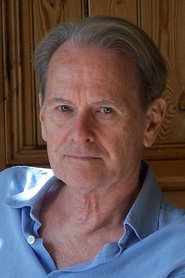 Yves BeneytonUn Membre du FLSO (uncredited)
 Juliet BertoUne Activiste du FLSO / Jeune Bourgeoise Accidentée (uncredited)
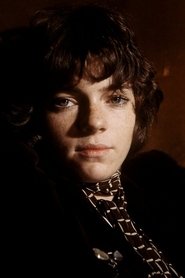 Michèle BretonGirl in the Woods (uncredited)
- Michel CournotMan From Farmyard (uncredited)
- Lex De BruijnRevolutionary (uncredited)
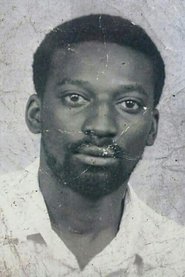 Omar DiopMon Frère Africain (uncredited)
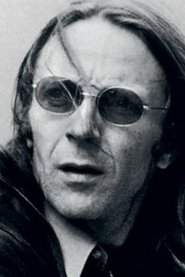 Jean EustacheL'Auto-Stoppeur (uncredited)
- Jean-Claude GuilbertLe Clochard (uncredited)
Directing
- Claude MillerAssistant Director
- Jean-Luc GodardDirector
Writing
- Julio CortázarShort Story
- Jean-Luc GodardWriter
Production
- Alain CoiffierAssistant Location Manager
- Philippe SennéProduction Manager
- Ralph BaumProduction Manager
Recommended by
Masculin Féminin, The Big Flame, Basic Training, Bed and Board, Happy Together, Greed, Tout Va Bien, 2 or 3 Things I Know About Her, Godard's Passion, Chalet, The Power and the Glory, La Chinoise, Le Petit Soldat, Godard Mon Amour, Number Two, The Crook, The Stranger, The Middle of the World, Katzelmacher, Revolution, Maddalena