
Film
Wanda
- Social drama
- Very dark
Wanda is a 1970 film about a woman drifting through life with minimal will or agency, who falls in with a small-time criminal. Shot in a loose, observational style, it feels like watching someone's actual decline rather than a shaped narrative. It's austere, unsentimental, and deeply uncomfortable—for people drawn to character studies that refuse to look away.
Should you watch it?
Watch it if you like quiet, observant character studies where a bleak life is rendered without melodrama, and you're happy to sit with a restless, self-defeating protagonist rather than be guided toward sympathy.
Skip it if you need momentum or a clear narrative engine; much of the running time drifts through wandering days, and its sparse, unsentimental approach can feel like inertia rather than intention.
What it asks of you: About ninety minutes of patient attention, unhurried and mostly low-key, with long stretches of ordinary moments that accumulate weight rather than announce it.
Not sure? Find tonight's pick in a minute.
If you liked this
Moonlight2016
Three intimate chapters of a Black man's life, each beautiful and restrained. Like Wanda, it trusts the viewer to feel what the protagonist cannot yet articulate, building power through what's left unsaid.
But Very slow, dialogue-light, and emotionally oblique. If you need plot momentum or clear narrative beats, this will feel like watching paint dry.

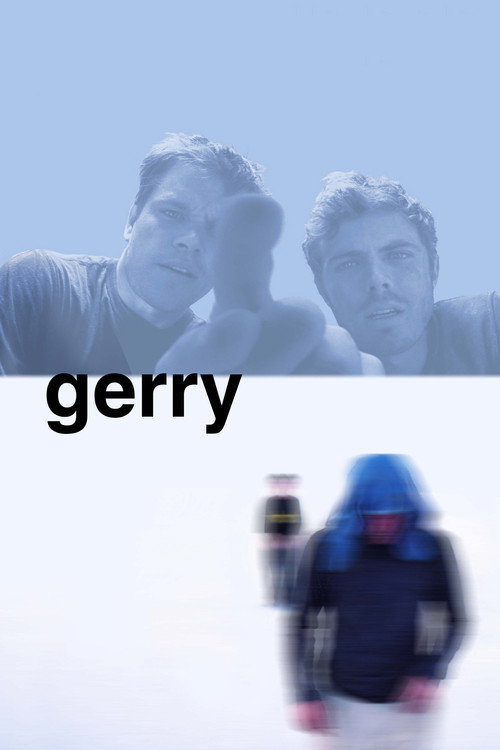
Gerry2002
Two men walking through landscapes for nearly three hours. Gus Van Sant's film shares Wanda's refusal to sentimentalise its characters or give them redemptive arcs—just presence, drift, and consequence.
But Aggressively minimalist and difficult. Long static shots, no score, characters who barely speak. Patience isn't enough; you need to actively want this.
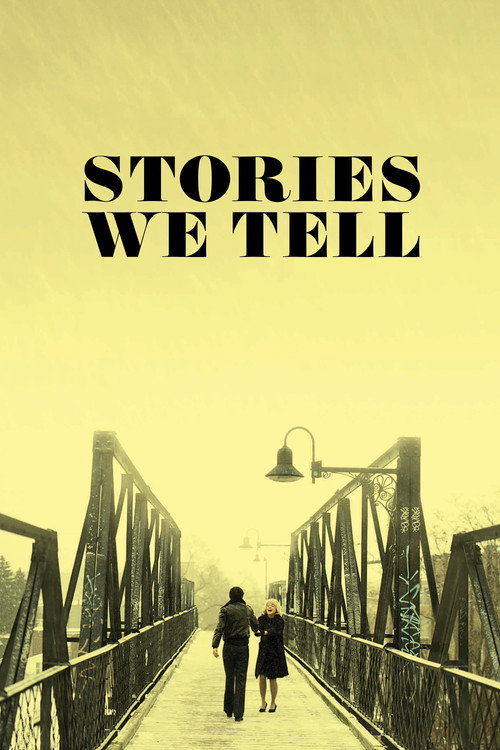
Stories We Tell2012
A documentary about family secrets that unmakes itself as it goes. Like Wanda, it captures how people stumble through life partly blind to their own narratives, shaped by forces they don't fully grasp.
But Formally clever in ways that can feel precious. And it's deeply personal to its director—if you're not invested in the story itself, the technique feels like showing off.
Not sure tonight? Get a pick in a minute, starting from Wanda
The wildcard
Something you would not have found on your own.
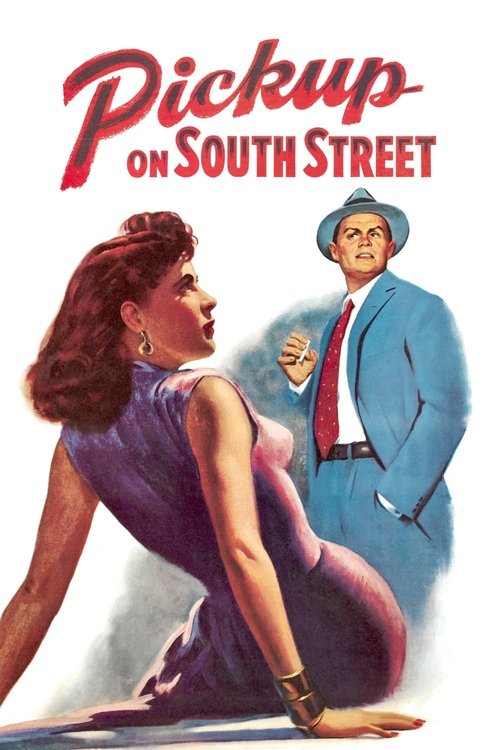
Pickup on South Street1953
Both films center on women with virtually no agency, pulled into the orbit of petty criminals. But Fuller's film is taut and urgent where Wanda is slack and observant—watching the same tragedy in two opposite registers shows how cinematically irreducible the story is.
Fuller's film about a small-time pickpocket, a woman entangled with him, and Cold War paranoia. It's about people who have no resources and no way out—trapped by circumstance rather than choice. The moral clarity is gone; only survival remains.
But It's from 1953, so the style is unfamiliar—fast, propulsive, almost vaudeville-like. The female character is drawn with a casualness about her body that will feel wrong. And it's fundamentally a crime thriller, so if you wanted Wanda's slowness, this moves.
More like this (8)
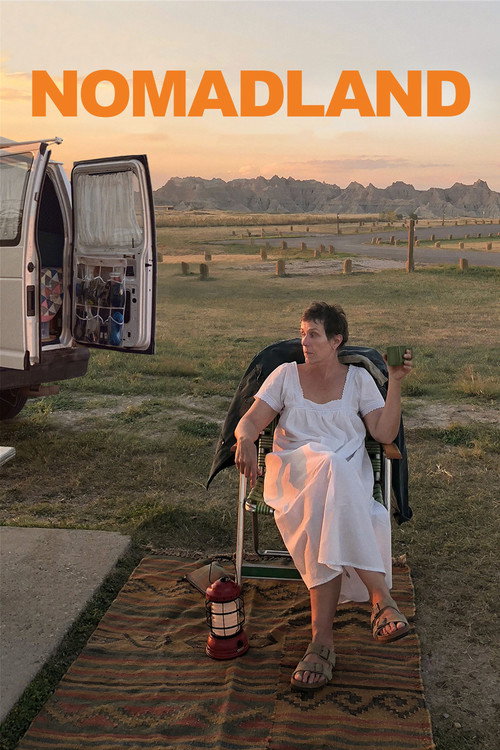
Nomadland2021
A woman adrift in America, working precarious jobs, moving between places. Chloé Zhao films it with the same unglamorous clarity Loden brought to Wanda fifty years earlier.
But Quiet and meditative to the point of monotony for some viewers. The emotional payoff is muted and earned, not handed over.
The Florida Project2017
Handheld, sun-bright, and heartbreaking. It watches a child and her mother in motels with the same non-judgmental attention Wanda gives its protagonist—finding dignity without sentimentality.
But The casual cruelty of poverty is hard to watch. And the ending, while honest, offers no comfort or resolution.

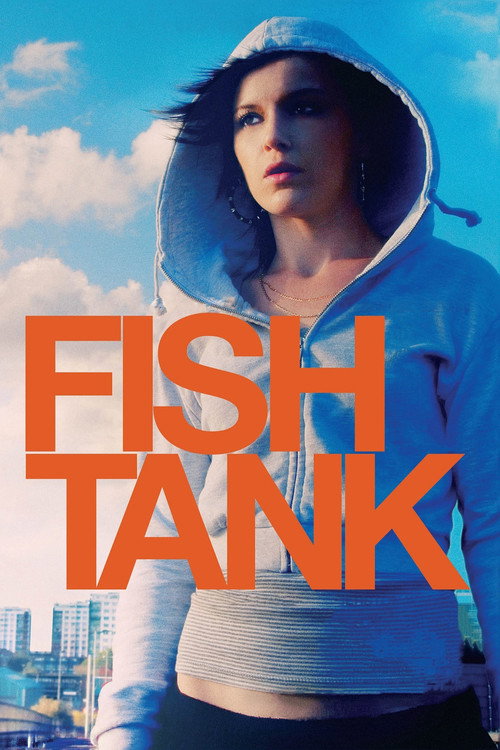
Fish Tank2009
A young woman in London, angry and gifted, makes terrible choices with a man who manipulates her. Andrea Arnold's film has Wanda's unflinching view of how quickly someone can be unmade.
But Sexually violent and ugly in ways that aren't cathartic. The protagonist's trajectory is bleak and the film doesn't soften it.
American Honey2016
A teenage girl joins a roving sales crew and a charismatic drifter. Arnold's road movie captures the same magnetic pull toward self-destruction that defines Wanda's spiral.
But Nearly three hours of watching a girl make increasingly bad decisions with people who are using her. Visually gorgeous in a way that can feel at odds with the grim content.

Winter Light1963
Bergman's film about a pastor's crisis of faith and a parishioner's unrequited love. It has Wanda's cold precision about human inability to connect, even when reaching toward each other.
But Severely intellectual and emotionally distant. If you need warmth or hope from cinema, Bergman will feel punitive.

The Killing1956
Kubrick's first great film, about a racetrack heist that falls apart. Like Wanda, it watches ordinary people bumble toward catastrophe with a steady, unsentimental eye.
But The heist genre language might mislead you—there's no cleverness or style to compensate for failure. Just wreckage.

The Ascent1977
Both watch a human being unmade, but where Wanda's dissolution is banal and solitary, Shepitko finds meaning in absolute surrender. They're mirror images of what it means to lose everything—one mundane, one apocalyptic.
Larisa Shepitko's last film: two Soviet partisans, captured by Nazis, climb toward execution. Shot in black-and-white snow, it's a study of spiritual and physical degradation. Nothing Wanda does is noble, but Shepitko finds transcendence in suffering itself.
But It's a Soviet film from the 1970s about religious faith and death. It is severe and demanding. And it will devastate you—not catharsis, just devastation.

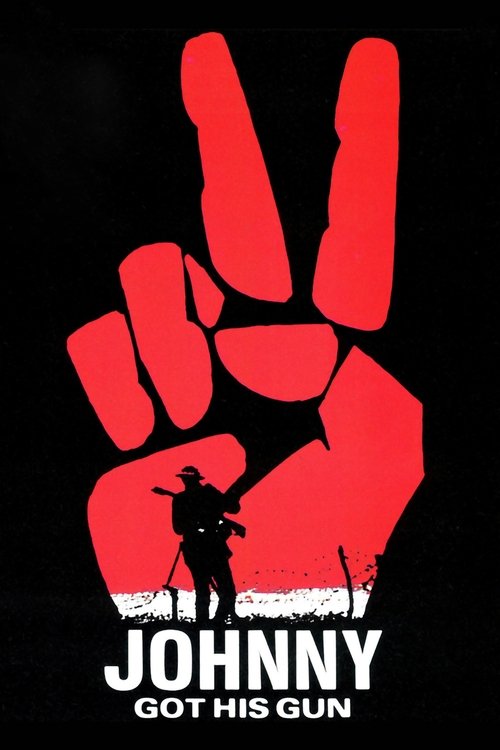
Johnny Got His Gun1971
Like Wanda, it's about a person who has nothing left—no agency, no future, no escape. But where Wanda's tragedy is quotidian and ignored, Trumbo screams it from every frame. Together they ask: is quiet disappearance worse than spectacular ruin?
Dalton Trumbo's anti-war film about a soldier so damaged by war that he's conscious but completely trapped in his body. It sounds like thesis filmmaking, but it's visually wild and emotionally shattering—surrealism about the irredeemable loss of self.
But It's didactic and heavy-handed about its politics. And it's viscerally upsetting in ways that feel designed to punish the viewer. Also, it's long and repetitive—the form mimics the protagonist's entrapment, which is honest but not comfortable.
People
Cast
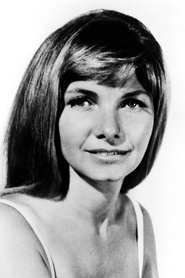 Barbara LodenWanda Goronski
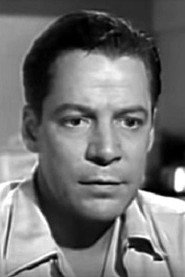 Michael HigginsMr. Dennis
- Dorothy ShupenesWanda's Sister
- Peter ShupenesBrother In Law
- Jerome ThierHusband
- Marian ThierMiss Godek
 Valerie MamchesGirl in Roadhouse
- Anthony RotellTony
- M.L. KennedyJudge
- Gerald GrippoCourt Clerk
- Milton GittlemanFactory Owner
- Lila GittlemanFactory Owners Wife
Recommended by
Human, American Honey, Husbands, The Kid with a Bike, Wild, Two-Lane Blacktop, Faust, Weekend, Hedi, Amour Fou, The Rain People, The Passion of Anna, Wobble Palace, The Sorcerer's Apprentice, Losing Ground, Joni, Trafficked, The Boat Is Full, Up the Front, The Stone Sky, Oxhide II, The Woman on Trial