
Film
Up the Front
- Comedy
- Light-hearted
A 1972 British comedy where Frankie Howerd plays a cowardly conscript hypnotised into bravery during World War I. Stuffed with music-hall sass, double entendre, and fourth-wall breaks, it's knockabout farce for audiences who love Carry On-style humour: irreverent, knowingly cheap, unapologetically bawdy. Perfect if you think restraint is the enemy of fun.
If you liked this
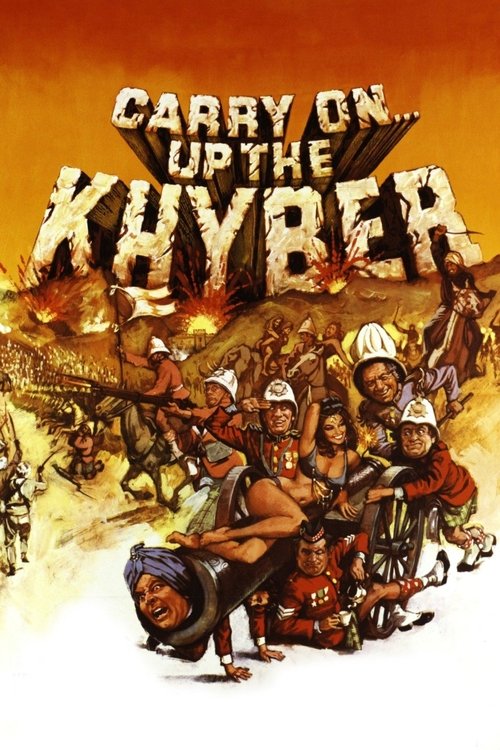
Carry On Up the Khyber1968
The gold standard of British military farce. Sid James, Kenneth Williams, and a cast having visible fun with double meanings, slapstick, and genuine affection for the genre. Sharp underneath the smut.
But If you can't stand broad humour and innuendo delivered at full volume, this will feel like being shouted at for 88 minutes.
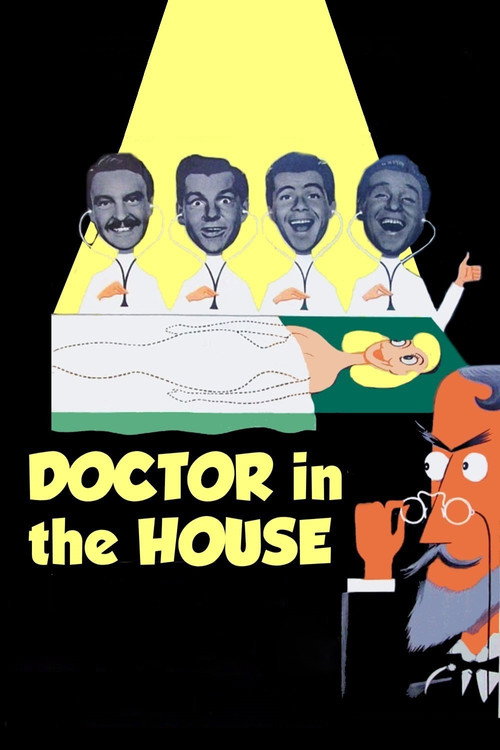
Doctor in the House1954
A gentler, earlier entry in the British comedy playbook. Dirk Bogarde leads a charismatic ensemble through a teaching hospital with wit, charm, and character. The template Carry On refined into something cruder.
But More interested in warmth than laughs. If you need constant jokes landing, the stretches between them will feel slack.
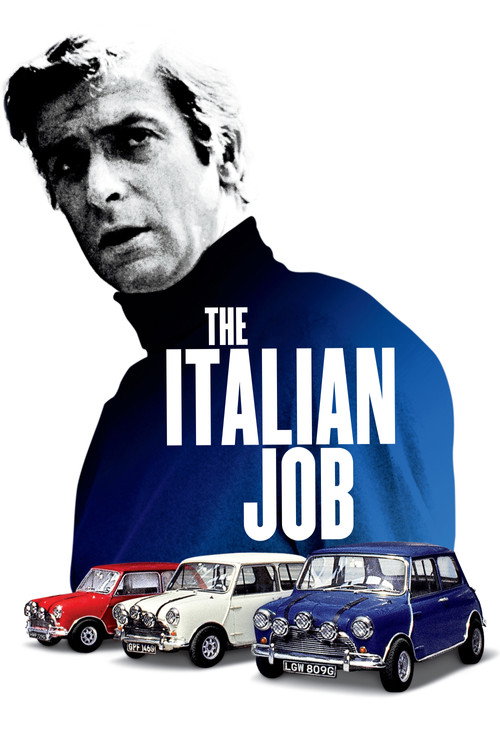
The Italian Job1969
Michael Caine and an all-star British cast in a caper that's witty, stylish, and genuinely thrilling. Proves British comedy could be clever and fun without relying solely on sauce. That ending still stings perfectly.
But It's a heist film first and comedy second. The tone is more knowing than cheerfully vulgar, so it might feel too straight if you're chasing pure farce.
Not sure tonight? Get a pick in a minute, starting from Up the Front
The wildcard
Something you would not have found on your own.
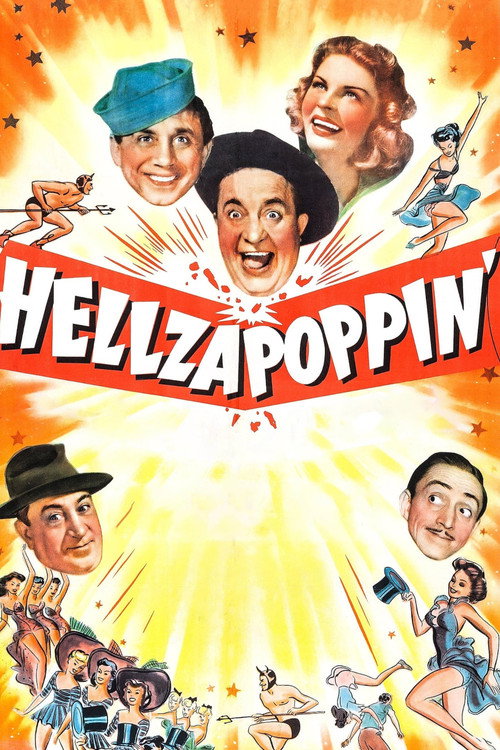
Hellzapoppin'1941
Both are vaudeville performers transplanted into film, using the medium's flexibility to break narrative rules and speak directly to the audience with knowing winks.
An American vaudeville act translated to screen by Henry Kosterlitz: anarchic, fourth-wall-breaking, gleefully incoherent. If you love Frankie's addressing the camera and his music-hall roots, this is what he inherited from. Pure chaos presented with confidence.
But There is almost no plot. It's a feature-length sketch that abandons logic, pacing, and dramatic structure. Feels like a fever dream if that doesn't sound fun to you.
More like this (7)
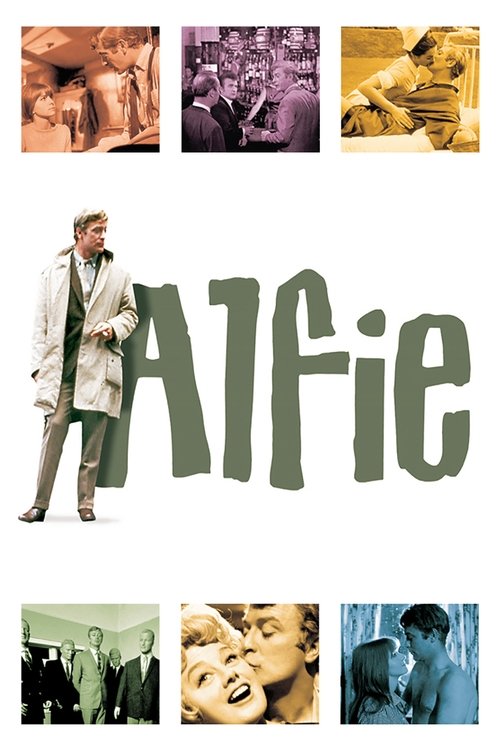
Alfie1966
Michael Caine again, but as a cheeky London womaniser talking directly to camera about his exploits. Funny and stylish, but with an edge—the film isn't endorsing what he does. Sophisticated where Frankie is broad.
But The comedy dries up halfway through as the film gets interested in Alfie's actual unhappiness. Tonal whiplash if you came for laughs.
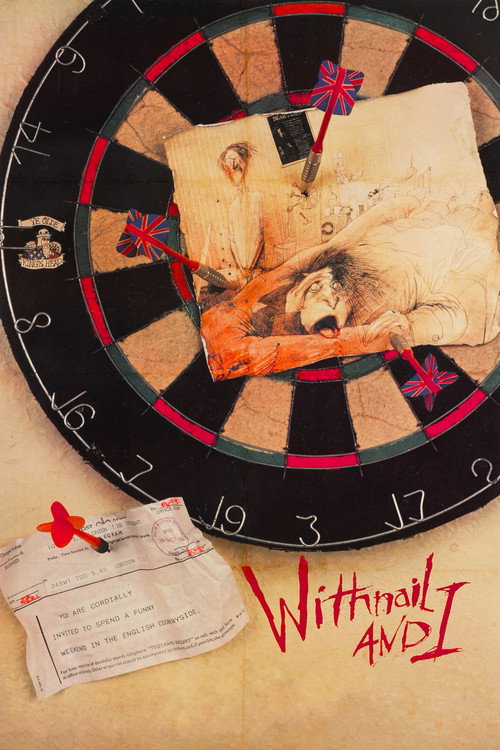
Withnail & I1987
Two unemployed actors' fever dream of a holiday becomes a masterclass in comic writing. Every line works, the performances are exquisite, and it captures something genuinely original about British comedy's relationship with failure and escapism.
But It's built for people who already know British theatre and television. References land harder if you do. Also utterly bleak underneath the laughs.
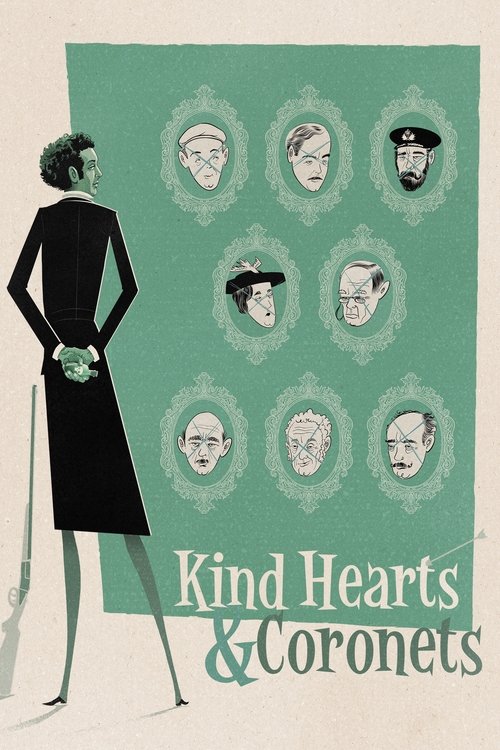
Kind Hearts and Coronets1949
Alec Guinness plays eight members of the same family as Dennis Price murders his way up the line of succession. Pitch-black comedy before that became fashionable. Writing so clever it earns every laugh.
But The pacing is leisurely and the murders are presented coldly rather than farcically. If you need visual spectacle or relentless gags, it'll feel mannered.
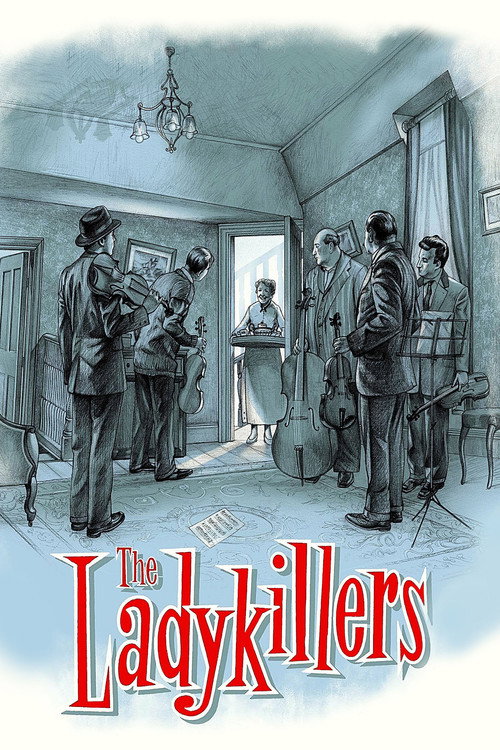
The Ladykillers1955
A gang of criminals posing as musicians to rob a bank while renting a room from a formidable old landlady. Ealing Studios at full confidence: intricate plotting, brilliant ensemble work, and humour that trusts the audience to keep up.
But It's a heist plot dressed as comedy, so mechanics matter more than jokes. Technical at times, precious if you're not fond of mid-century British preciousness.
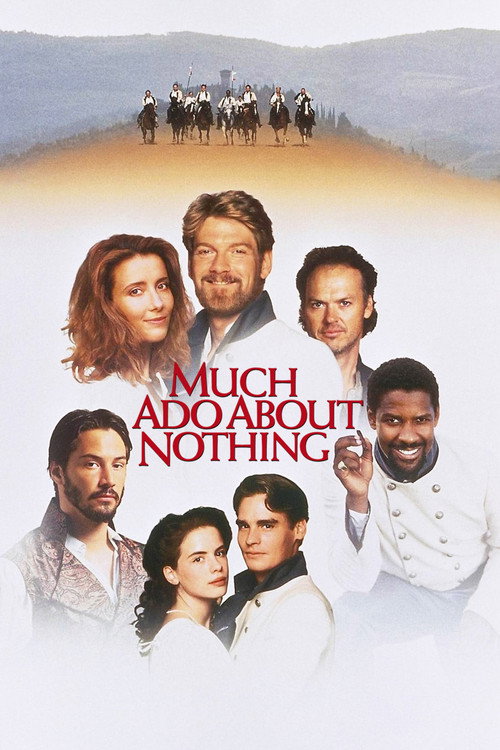
Much Ado About Nothing1993
Kenneth Branagh's Shakespeare adaptation is theatrical, bawdy, and genuinely funny in ways that feel permissive. Emma Thompson and Branagh spark magnificently. Proof that smutty humour and literary sophistication aren't enemies.
But It's still Shakespeare, which means density. And Branagh's broad direction won't appeal if you prefer subtlety in your comedy.
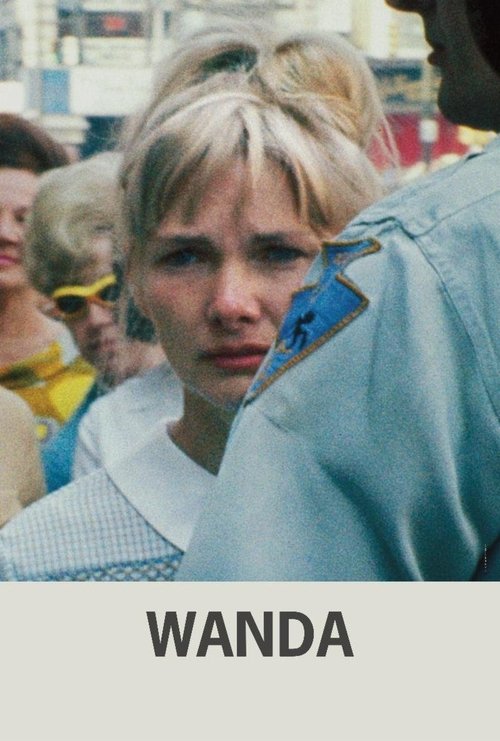
Wanda1970
Both feature protagonists without agency being swept along by circumstance and stronger personalities. One finds it hilarious; one finds it tragic. Watching them back-to-back is instructive.
Barbara Loden directed and starred in this film about a woman drifting aimlessly through smalltown America. It's a portrait of invisible desperation shot like neorealism. Profound, quiet, devastating. Proof cinema could do something completely different.
But It's the opposite of bright—bleak, slow, and interested in failure and passivity. Zero laughs. Will feel like punishment if you're after cheerfulness.
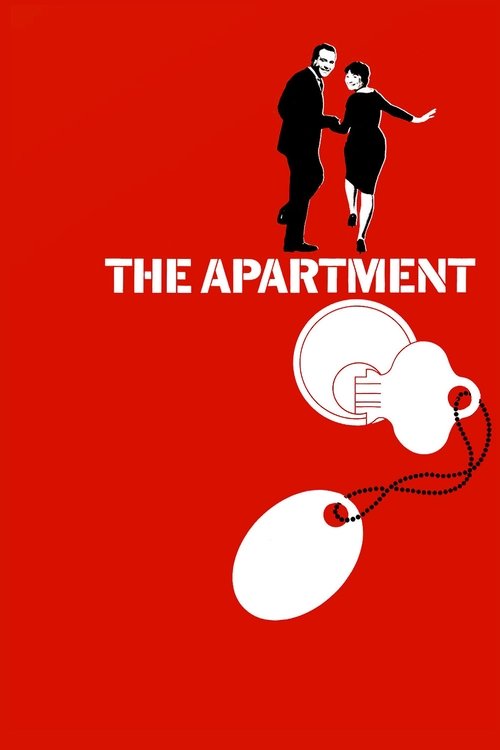
The Apartment1960
Both use comedy to show people being diminished and manipulated by systems larger than themselves—but where Frankie bounces, Lemmon's desperation is real.
Billy Wilder's masterpiece: Jack Lemmon as a junior executive lending his apartment to executives for affairs, Shirley MacLaine as a woman caught in the machinery. Funny, tender, and heartbreaking without sentiment. Proof that comedy and genuine emotion aren't opposed.
But It's far more interested in character than farce. The comedy earns its place through observation, not through speed or vulgarity. Might feel slow if you're chasing noise.
People
Cast
 Frankie HowerdPrivate Lurk
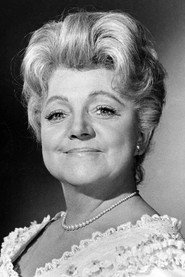 Hermione BaddeleyMadame Monique
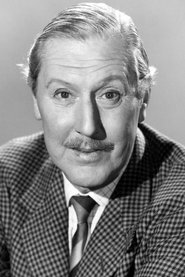 Robert CooteGeneral Burke
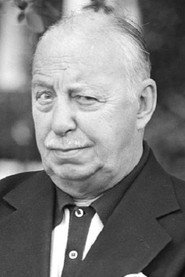 Bill FraserSergeant Major Groping
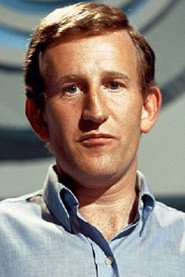 Lance PercivalColonel von Gutz
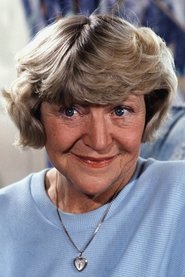 Dora BryanAuntie Cora Crumpington
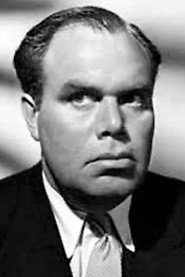 Peter BullGeneral von Kobler
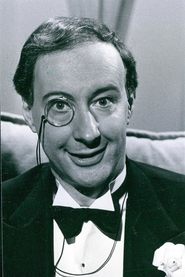 Jonathan CecilCaptain Nigel Phipps-Fortescue
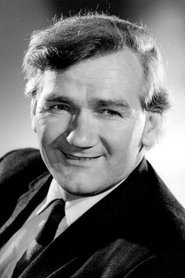 Percy HerbertCorporal Lovechild
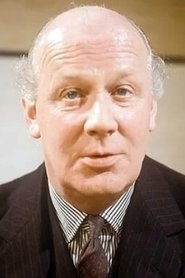 William MervynLord Twithampton
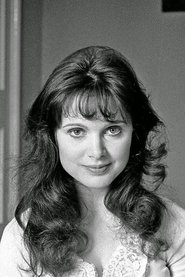 Madeline SmithFanny
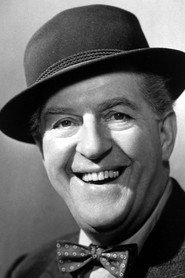 Stanley HollowayThe Great Vincento
Directing
- Bob KellettDirector
Writing
- Eddie BrabenScreenplay
- Sid ColinScreenplay
Production
- Thelma GravesCasting
- Beryl VertueExecutive Producer
- Ned SherrinProducer
- Terry GlinwoodProducer