
Film
Oxhide II
- Family drama
- Slow-burning
Liu Jiayin's experimental follow-up to her debut finds her, her parents, and a camera in their Beijing apartment making dumplings. Shot over one night, it's part family ritual, part philosophical inquiry—tender and mundane and oddly profound. For viewers drawn to cinema that trusts silence, repetition, and the ordinary to reveal something true.
If you liked this
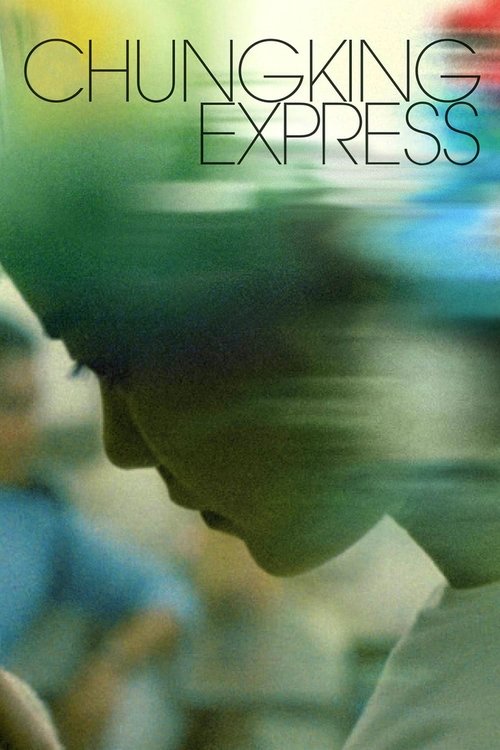
Chungking Express1994
Wong Kar-wai's poetic meditation on connection and loneliness through two love stories intercut with neon-soaked Hong Kong. A counterpoint: where Oxhide II finds meaning in stillness, this finds it in colour and movement.
But The narrative is fragmented and dreamlike. If you need plot momentum or clarity, the film's oblique pacing will frustrate rather than enchant you.
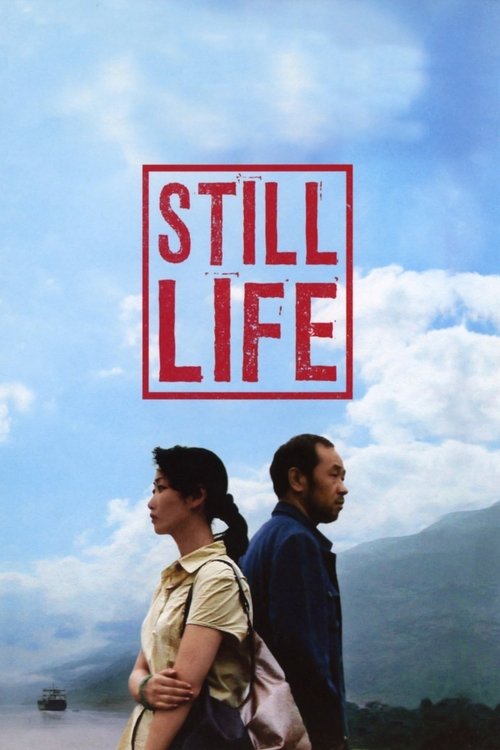
Still Life2006
Jia Zhangke's patient excavation of a Three Gorges village facing demolition. It shares Oxhide II's commitment to duration, mundanity, and the weight of ordinary life—how much truth lives in what we think is nothing.
But Nearly two hours of documentary-adjacent observation. There's no conventional narrative arc, only accumulation. Patience isn't optional.
Mulholland Drive2001
Lynch's dreamlike Los Angeles is constructed from fragments and repetition, much like Liu's dumpling-making becomes a form of meditation. Both films trust viewers to sit with ambiguity and find their own meaning.
But Wildly different in register and scale, but the formal difficulty is real. If you need a film to explain itself, this one won't.

Not sure tonight? Get a pick in a minute, starting from Oxhide II
The wildcard
Something you would not have found on your own.
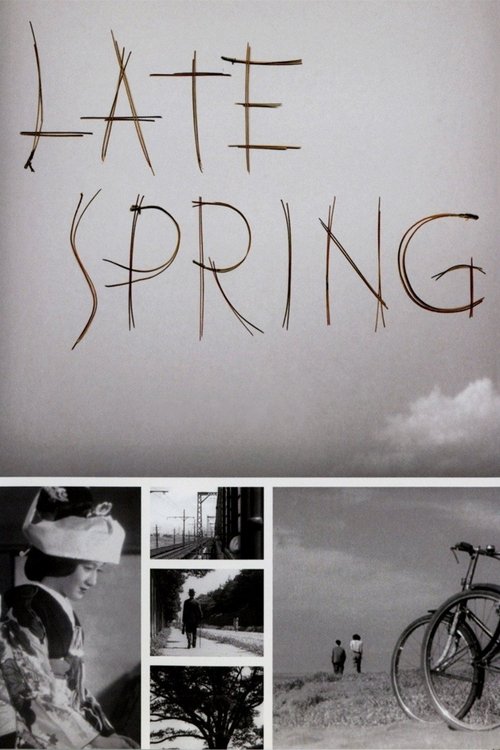
Late Spring1949
Both films locate emotional and spiritual truth in repetitive domestic rituals and the presence of family, treating ordinary evenings as profound.
Ozu's masterpiece captures family rituals—tea, meals, conversation—with the same attention Liu brings to dumpling-making. Both films understand that the domestic is where philosophy lives, and that Japanese sensibility and Chinese practice aren't so far apart.
But Made in 1949 and deliberately slow. The cultural specificity might feel opaque, and the aesthetic—static framing, long takes—requires adjustment.
More like this (7)
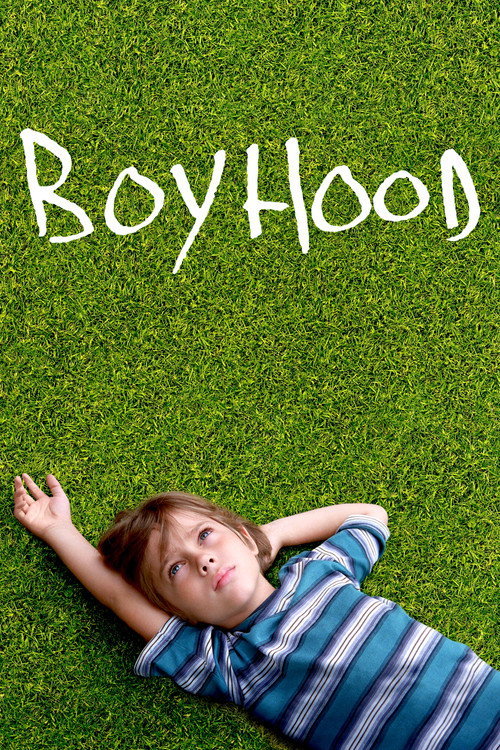
Boyhood2014
Linklater's twelve-year project with the same cast captures the poetry of accumulated time and small moments. Like Oxhide II, it asks: what happens when you actually pay attention to the everyday?
But Nearly four hours. Some find the lack of conventional drama—the slowness—to be a feature, others a bug. You're in one camp or the other.
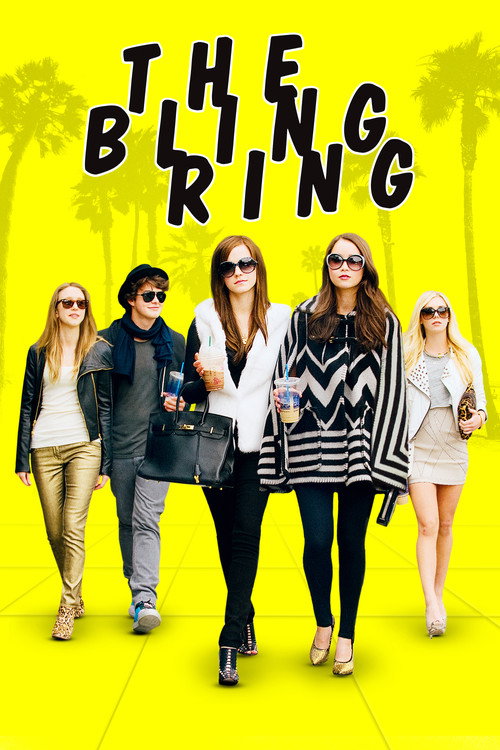
The Bling Ring2013
Sofia Coppola's glacial study of consumption and emptiness. Both films use repetition and close observation to generate unease; both suggest that looking closely at surfaces reveals something rotten underneath.
But Tonal whiplash: it's simultaneously deadpan funny and genuinely sad. The satire can feel remote. Some viewers prefer their criticism less cool.
Stalker1979
Tarkovsky's metaphysical journey prioritizes duration and philosophical inquiry over plot. A kindred spirit in cinema—obsessed with what meaning emerges when you refuse to rush.
But 163 minutes of Russian metaphysics. If you approach film as entertainment rather than experience, this will feel glacial and impenetrable.

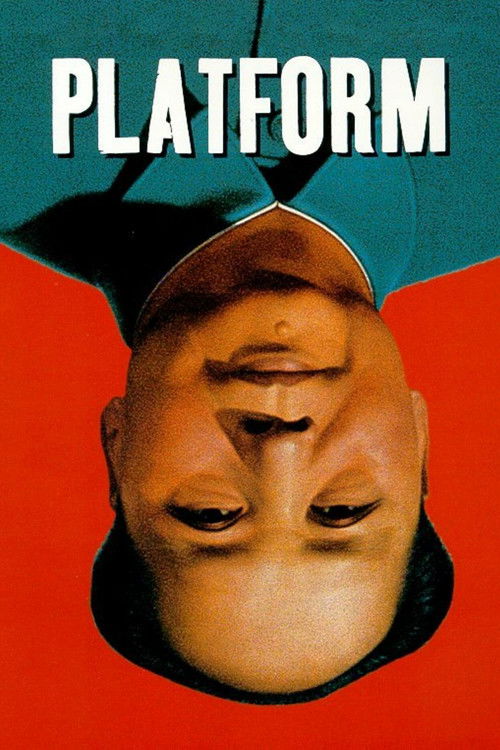
Platform2001
Jia Zhangke again, but earlier. A sweeping, strange history of China told through popular culture and performance. It shares Liu's interest in how the everyday and the historical intersect.
But Formally fractured and tonally uneven. The narrative doesn't cohere in traditional ways, which is the point but also the barrier.
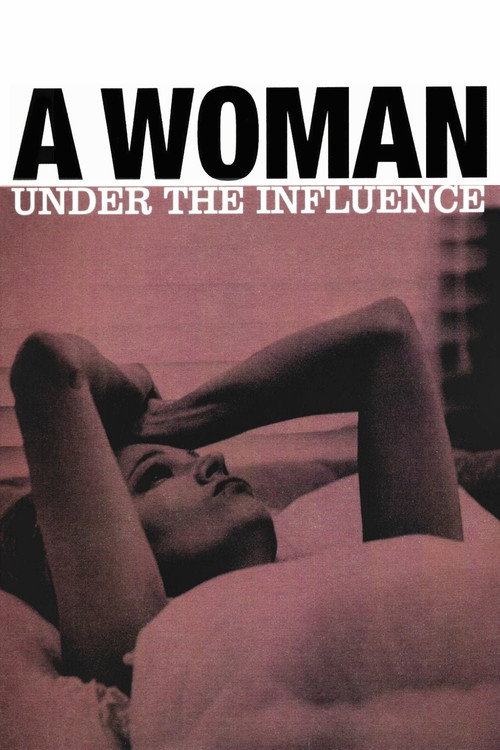
A Woman Under the Influence1974
Cassavetes' raw, unguarded portrait of marriage and family life. It's equally committed to duration and the exhausting reality of relationships—uncomfortable closeness without sentiment.
But Genuinely difficult to watch. Gena Rowlands' performance is so exposed and anguished that some find it unwatchable rather than moving.
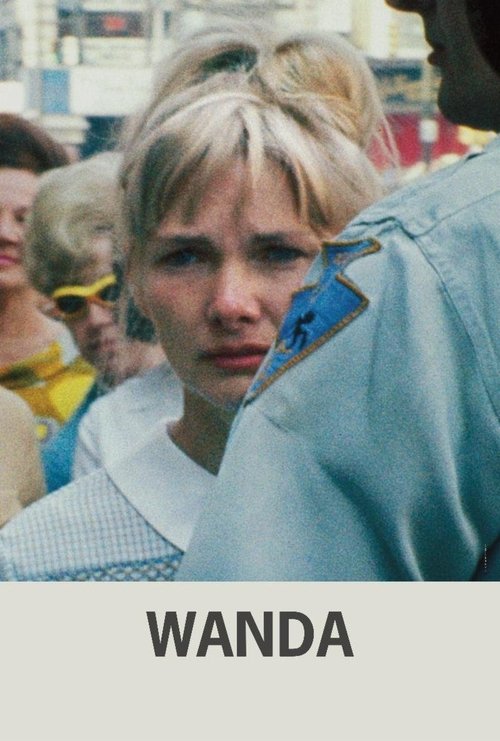
Wanda1970
Barbara Loden's portrait of drift and indifference. A woman follows a man, things happen, nothing resolves. Like Oxhide II, it finds something quietly devastating in non-narrative structure and female interiority.
But Feels incomplete or aimless to many viewers. If narrative payoff matters to you, this film will feel like it ends before it begins.
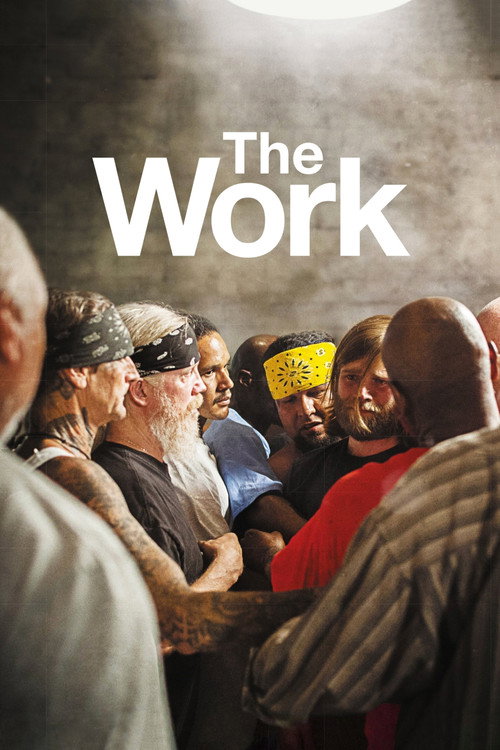
The Work2017
Both are essentially static, durational documentaries that trust silence, repetition, and genuine human interaction to generate meaning and catharsis.
Documentary following a therapeutic group process in a prison. It's unguarded and raw in exactly the way Oxhide II is—people in a room, time passing, transformation happening invisibly. A radical commitment to authenticity and the power of presence.
But Emotionally intense and sometimes grueling to watch. The therapeutic language can feel clinical or heavy-handed. Not an easy viewing.
People
Cast
- Jia HuifenMother
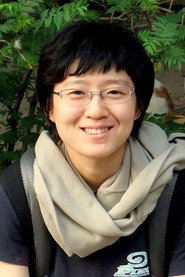 Liu JiayinDaughter
- Liu ZaipingFather
Directing
- Liu JiayinDirector
Writing
- Liu JiayinWriter