
Film
Platform
Jia Zhangke's ambitious debut follows a ragtag performance troupe through nearly two decades of Chinese transformation, from Maoist austerity through market reform. Shot with crystalline patience, it's a political history told through small humiliations, fading traditions, and the stubborn persistence of people trying to keep dancing as the world rewrites itself. Patient and profound.
Should you watch it?
Watch it if you like slow, observational films that let a long stretch of ordinary days build into a portrait of a country changing around people who can barely keep up with it.
Skip it if you need a plot that tightens and resolves; this drifts from scene to scene, and at 155 minutes the drift can feel like standing still.
What it asks of you: Long, unhurried takes stretch across years with little fanfare, and most of its runtime is spent watching faces and rooms rather than being steered toward a point.
Not sure? Find tonight's pick in a minute.
If you liked this
In the Mood for Love2000
Wong Kar-wai's ravishing meditation on desire and restraint, told through cigarettes and silk. If you loved *Platform*'s formal precision and melancholic sensuality, this is essential—another masterpiece about longing in a changing city.
But It's deliberately paced and almost plotless. The visual beauty can feel like the whole point if you're in the mood for narrative momentum instead.

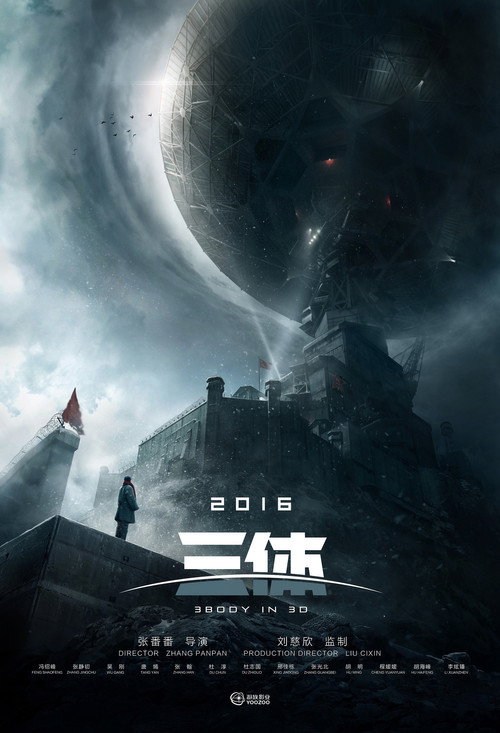
The Three-Body Problem
Chinese science fiction epic that captures the same epic scope and historical sweep as *Platform*, watching a nation transform while cosmic forces press down. Visually stunning and cerebrally ambitious in ways that reward patient attention.
But The editing is sometimes chaotic, and the second half gets genuinely confusing. Some VFX moments haven't aged brilliantly.
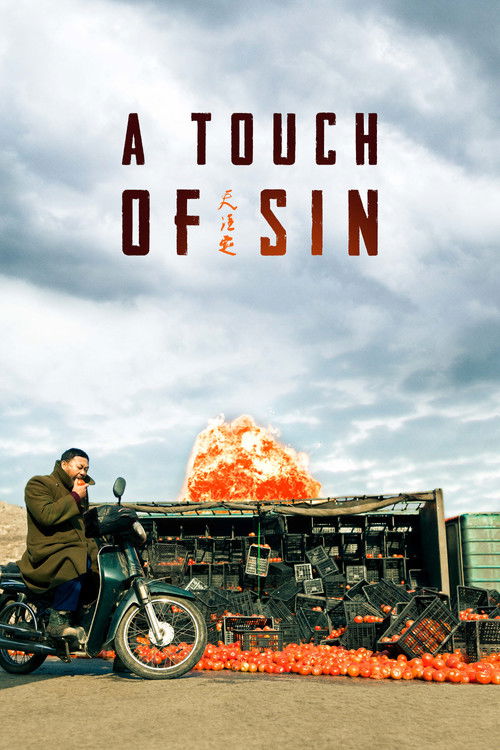
A Touch of Sin2013
Also Jia Zhangke. A return to contemporary China's collisions between old values and new money. Four interconnected stories of violence blooming from quiet desperation. Unmissably vital and formally ingenious.
But It's angrier and more violent than *Platform*. Some viewers find the style—rapid cutting, repeated imagery—exhausting rather than hypnotic.
Not sure tonight? Get a pick in a minute, starting from Platform
The wildcard
Something you would not have found on your own.
The Seventh Seal1957
Both are philosophical inquiries into how people survive systemic collapse—one through feudal plague, one through economic revolution. Both use ensemble casts of ordinary people to ask what remains when institutions fail.
Bergman's medieval morality play: a knight plays chess with Death itself while plague ravages the land. Like *Platform*, it's formally bold and metaphysical—watching a society fracture and individuals search for meaning amid chaos. A masterpiece about exactly what *Platform* asks: what do we cling to when everything changes?
But It's allegorical and philosophical rather than plot-driven. If you need conventional drama, the abstraction will feel distant.

More like this (7)
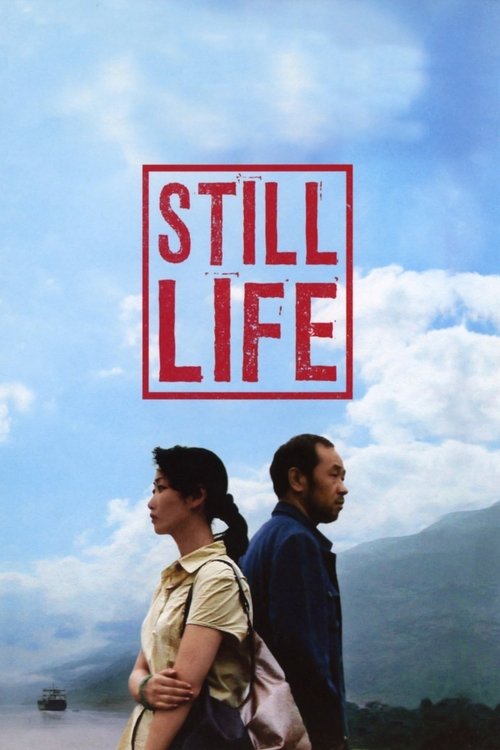
Still Life2006
Jia Zhangke again, tracking life before the Three Gorges Dam drowns an entire city. A achingly tender ghost story about obsolescence. His masterpiece, and the necessary follow-up to *Platform*.
But Even longer than *Platform* and even more austere. If you found the first one slow, this doubles down. You must be patient.
Chungking Express1994
Another Wong Kar-wai film, lighter and more romantic but equally obsessed with urban solitude and the weight of transience. Two cops, two women, one unforgettable riff on connection and time passing.
But It's whimsical in places. The second half especially can feel precious rather than moving, depending on your tolerance for stylistic flourish.

Stalker1979
Tarkovsky's vision of a journey into a mysterious zone mirrors *Platform*'s patient unraveling of meaning through everyday detail. Metaphysical, hypnotic, about what we search for when everything else fails.
But Nearly three hours of mostly dialogue and walking through rooms. If you haven't seen Tarkovsky, this is a commitment that may feel impenetrable.

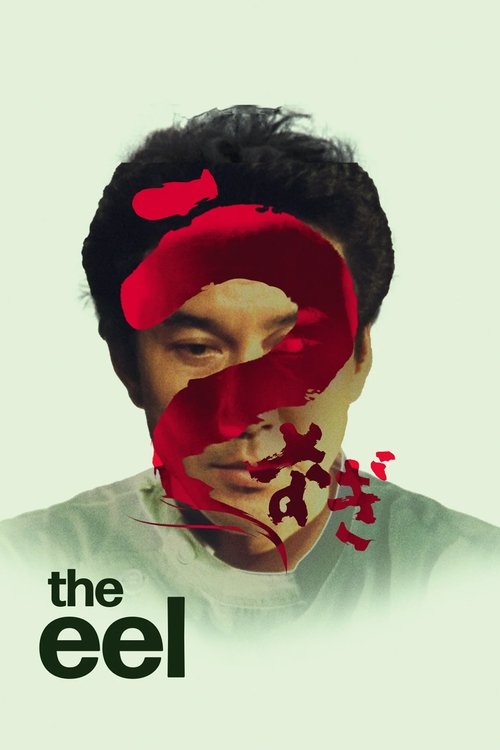
The Eel1997
Shohei Imamura's portrait of a man rebuilding after a destructive act, shot with documentary-like clarity. Like *Platform*, it finds grace and connection in small gestures and watches transformation unfold without announcing it.
But The first act involves a brutal scene of domestic violence. The tone is deliberately flat in ways that can read as cold.
Memories of Murder2003
Bong Joon-ho's serial killer procedural set during South Korea's transition to democracy. Historical sweep, formal mastery, and the same sense of a society in flux. Gripping and beautifully constructed.
But It's long and sometimes meandering. The investigation never quite concludes in a satisfying way, which some find frustrating.

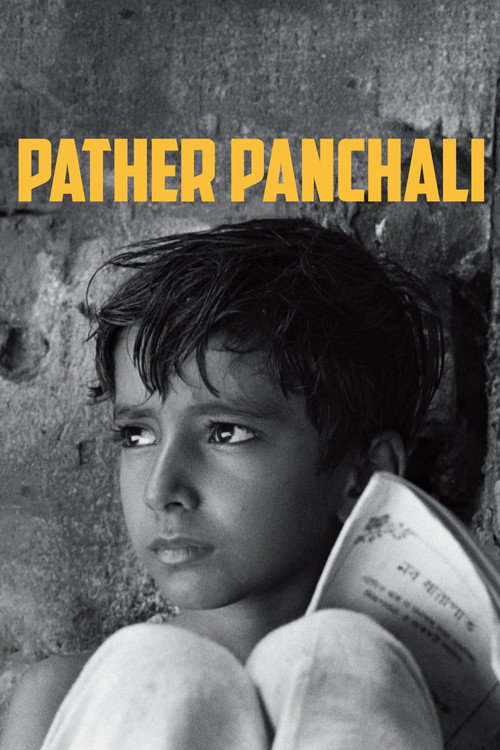
Pather Panchali1955
Ray's foundation stone: a poor Bengali family's daily struggles, shot with such tenderness that poverty becomes lyrical. Another patient master-work about ordinary people enduring change, and a precursor to what Jia Zhangke would become.
But The narrative is gossamer-thin and pacing glacial. It requires real investment if you're used to classical narrative.
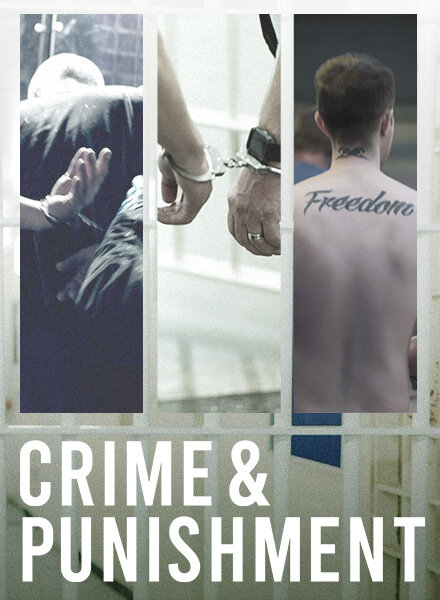
Crime and Punishment2019
Both are about individuals crushed and transformed by forces larger than themselves—economic systems, moral systems—and both trust that watching someone's interior collapse is as valid as any external plot.
BBC miniseries that explodes Dostoevsky's novel into five brilliant hours. Extraordinary writing and acting, but the real power is how it captures the same claustrophobic moral intensity as *Platform*—watching consciousness fragment under historical weight.
But It's psychologically dense and deliberately interior. If you want event-driven television, this is relentless introspection and dialogue instead.
People
Cast
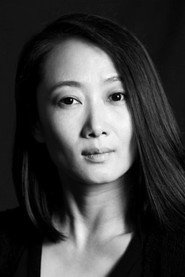 Zhao TaoYin Ruijuan
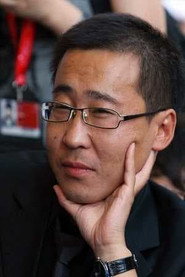 Wang HongweiCui Minliang
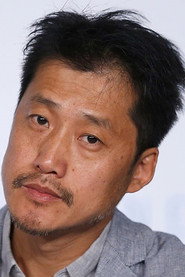 Liang JingdongChang Jun
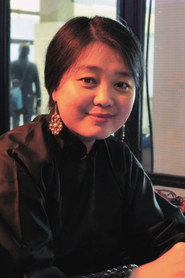 Yang LinaZhong Pin
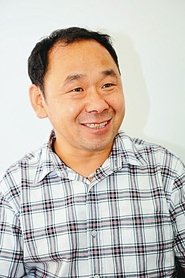 Han SanmingSanming
- Wang BoYao Eryong
Directing
- Jia ZhangkeDirector
Writing
- Jia ZhangkeWriter
Production
- Chow KeungAssociate Producer
- Nelson Yu Lik-waiAssociate Producer
- Elise JalladeauCo-Producer
- Joël FargesCo-Producer
- Juliette GrandmontCo-Producer
- Masayuki MoriExecutive Producer
- Li Kit-MingProducer
- Shôzô IchiyamaProducer
- Wang YuProducer
Recommended by
The Death of Mr. Lazarescu, The Death and Life of Marsha P. Johnson, Gloria, Still Life, 24 City, Pickpocket, Oxhide II