
Film
The Eel
- Drama
- Slow-burning
Shohei Imamura's Palme d'Or winner follows a man who murders his unfaithful wife, serves his sentence, and emerges to build a quiet life in a small barbershop—his only confidant an eel from his prison cell. It's a film about shame, the possibility of redemption, and whether we can ever truly escape what we've done. Tender and unsettling in equal measure.
Should you watch it?
Watch it if you love slow, quiet dramas where a damaged man's small daily rituals carry more weight than any plot, and where a bleak premise is handled with a patient, almost tender, deadpan eye.
Skip it if you want momentum or a clear emotional payoff, since long stretches pass with little happening and the mood stays muted and withdrawn from start to finish.
What it asks of you: Settle in for just under two hours of unhurried pacing, with long silences and close attention to ordinary routine, and be willing to sit with heaviness rather than be rescued from it.
Not sure? Find tonight's pick in a minute.
If you liked this
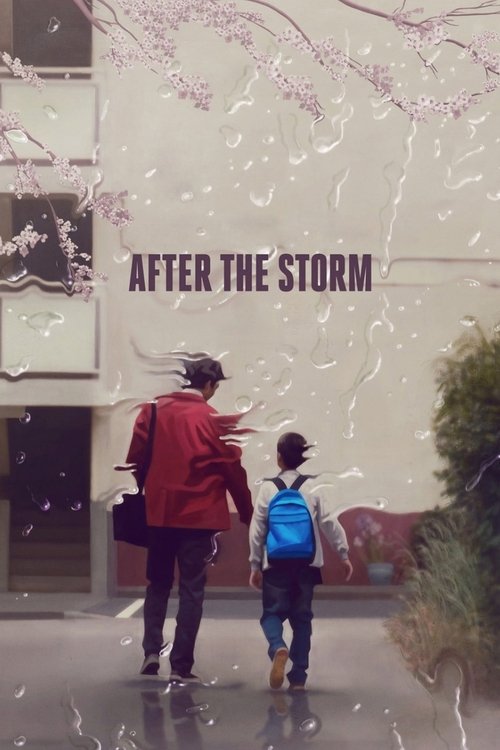
After the Storm2016
Hirokazu Kore-eda examines how ordinary people fail each other and themselves, with the same patient compassion for flawed characters. A father learning to live with disappointment after prison, surrounded by small human kindnesses.
But It moves very slowly and refuses easy catharsis. If you want your redemption wrapped up and assured, this will frustrate you.
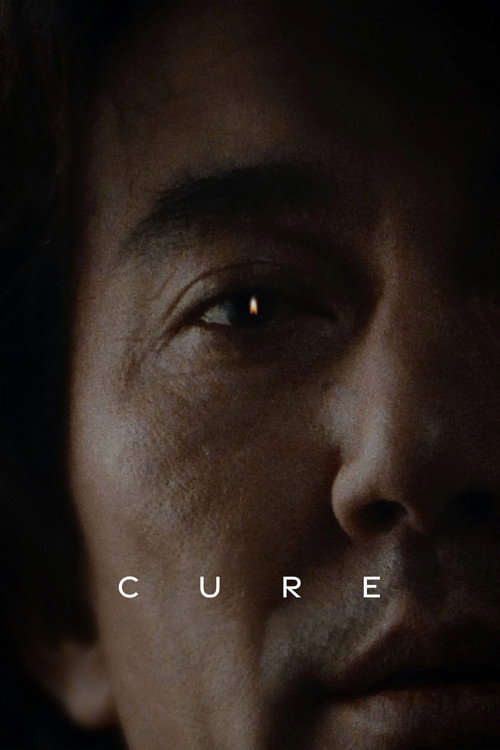
Cure1997
Kiyoshi Kurosawa's contemporary thriller also watches damage unfold in Japanese society with a cold, observant eye. Explores how violence spreads through suggestion and proximity, how we're all closer to corruption than we'd like to admit.
But More explicitly unsettling and less forgiving than The Eel. The dread doesn't resolve; it lingers.
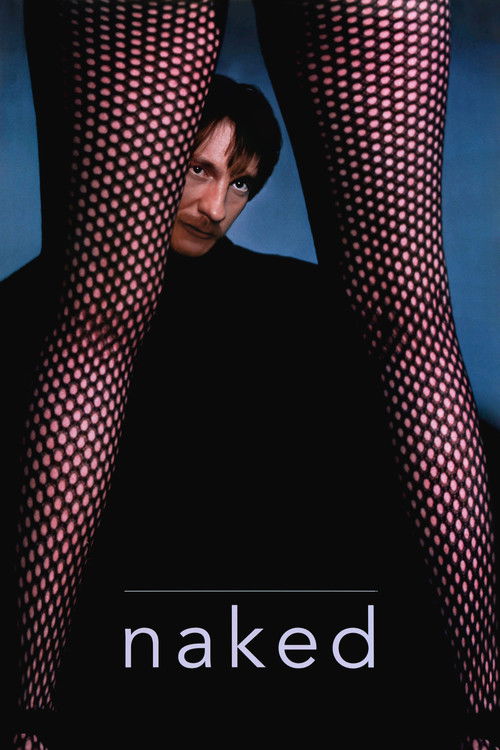
Naked1993
Mike Leigh's portrait of a brilliant, furious man adrift in London after his own transgressions. Both films ask what becomes of the intelligent and guilty when they're forced to stop and be still.
But It's brutally English and punishingly dark. The cruelty on display is exhausting, not cathartic.
Not sure tonight? Get a pick in a minute, starting from The Eel
The wildcard
Something you would not have found on your own.
Come and See1985
Both argue that the thing that ruins you might be something you did or something done to you, but the question becomes the same: can you live after that?
Elem Klimov's Belarusian masterpiece about a boy conscripted into war, watching him hollowed out by atrocity. Shares The Eel's refusal to look away from what damage costs, but through the opposite lens—not the perpetrator's reckoning but the innocent's destruction.
But It is one of the most harrowing films ever made. Not sad or moving—genuinely traumatizing. Only watch if you can sit with that.

More like this (7)
Ikiru1952
Kurosawa's masterpiece about a dying bureaucrat searching for meaning in a life lived without feeling. The same question as The Eel: how do you live after you've already stopped living?
But At over three hours, it requires patience. The pacing is deliberate to the point of test.

A Prophet2009
Jacques Audiard's prison drama follows a young man remade by years inside, forced to reconcile who he was with who he's become. Examines the bargains we strike and the cost of survival.
But French prison is brutal and claustrophobic. It's a difficult watch in ways The Eel sidesteps.

Tokyo Story1953
Ozu's hymn to ordinary Japanese domestic life and the spaces between family members where real feeling lives. The same attention to quiet, to what goes unsaid, to the ache of ordinary days.
But Nothing happens. If you need plot momentum, you'll find it glacial.

Another Year2010
Mike Leigh again, but gentler than Naked—a portrait of a couple at peace and everyone around them falling apart. Watches how the contented and the damaged orbit each other.
But Its compassion for the wreckage of other people's lives might feel clinical. The happiness on offer feels almost cruel.
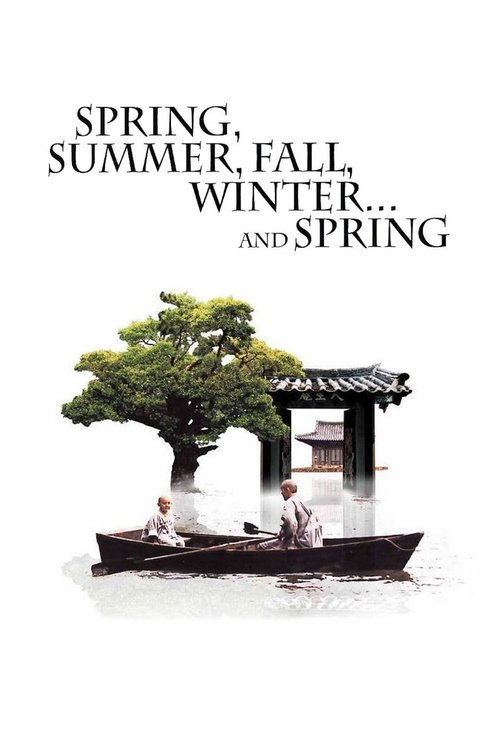
Spring, Summer, Fall, Winter... and Spring2003
Kim Ki-duk's film about a Buddhist temple floating on water, where violence and forgiveness move in cycles. Asks if atonement is ever complete, told almost without dialogue.
But Extremely slow and abstract. Demanding more metaphor-reading than plot-following.
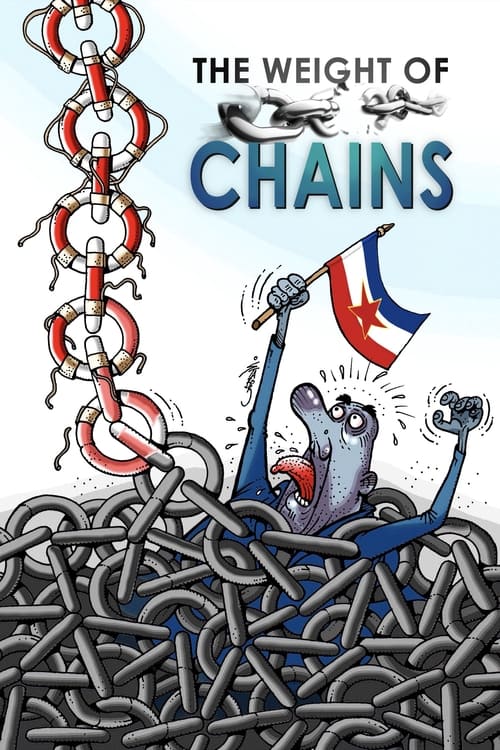
The Weight of Chains2010
Same narrative skeleton—exit prison, try to build a life—but Dragojević makes it a book about national damage, not just personal shame. Different country, same question: does survival equal redemption?
Srdjan Dragojević's Montenegrin film about a man released from prison, navigating a society full of people he hurt or who hurt him, seeking ordinary connection. A European parallel text on the same premise, far less philosophical, more socially raw.
But It's political in ways The Eel isn't, dealing with the Balkan aftermath. If you want pure psychology, you'll get entangled in history.
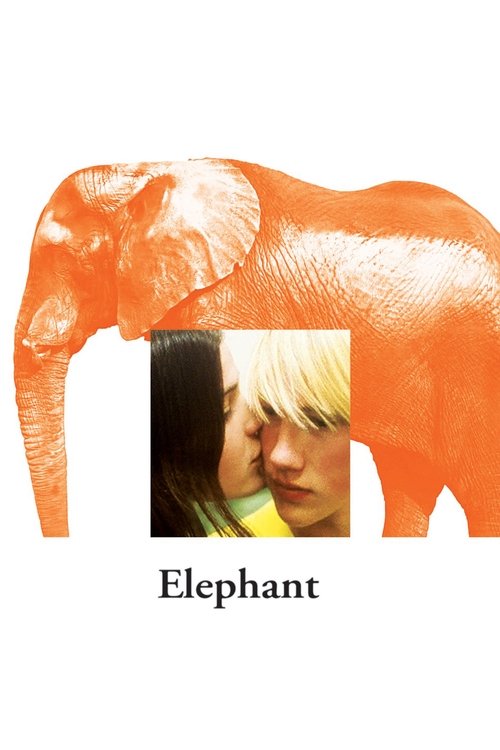
Elephant2003
Both films trust the viewer to sit with mystery and refuse easy psychology. Both ask: can you watch damage without being offered understanding? Can you live alongside it?
Gus Van Sant's film about a high school shooting, told without explanation or moral judgment, just following kids through hallways. Imamura and Van Sant share an anthropological patience—they watch what people do without rushing to explain why. Devastating through its refusal of narrative comfort.
But It's about a school massacre. The restraint in how it's handled might feel like evasion rather than artistry. And it offers nothing that feels like closure.
People
Cast
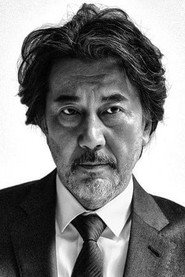 Koji YakushoTakuro Yamashita
 Misa ShimizuKeiko Hattori
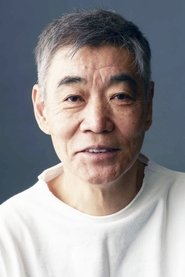 Akira EmotoTamotsu Takasaki
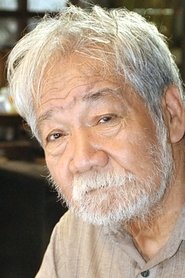 Fujio TokitaJiro Nakajima
 Mitsuko BaishoMisako Nakajima
 Show AikawaYuji Nozawa
 Ken KobayashiMasaki Saito
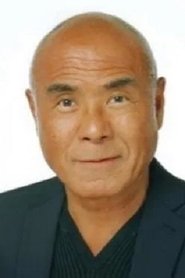 Sabu KawaharaSeitaro Misato
 Etsuko IchiharaFumie Hattori
 Tomorowo TaguchiEiji Dojima
 Chiho TeradaEmiko Yamashita
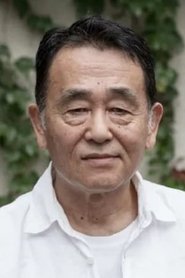 Sanshō ShinsuiDoctor
Directing
- Shōhei ImamuraDirector
- Hideko NakataScript Supervisor
Writing
- Akira YoshimuraNovel
- Daisuke TenganScreenplay
- Motofumi TomikawaScreenplay
- Shōhei ImamuraScreenplay
Production
- Koji MatsudaLine Producer
- Hisashi IinoProducer
Recommended by
Terraferma, Platform, Iraq in Fragments, The Middleman, Jannal Oram, Complicity