
Film
Iraq in Fragments
- War drama
- Slow-burning
Iraq in Fragments follows three communities—a Sunni boy in Baghdad, Shiite activists in southern cities, and Kurdish farmers in the north—through intimate, unflinching observation. Shot across three years by American director James Longley, it's a formally ambitious documentary that refuses easy answers or distance. Visually stunning and morally serious, it's for viewers who want to understand Iraq beyond headlines.
Should you watch it?
Watch it if you want a patient, observational documentary that lets ordinary people in a country at war speak for themselves, and you'd rather sit with quiet portraits than be handed a thesis.
Skip it if you need a clear narrative arc or a voiceover explaining the politics, since this sets its own pace and leaves much of the context for you to assemble.
What it asks of you: Ninety-four minutes of unhurried time, with scenes that linger on faces and streets long after the point has landed, so it wants your full attention rather than background noise.
Not sure? Find tonight's pick in a minute.
If you liked this
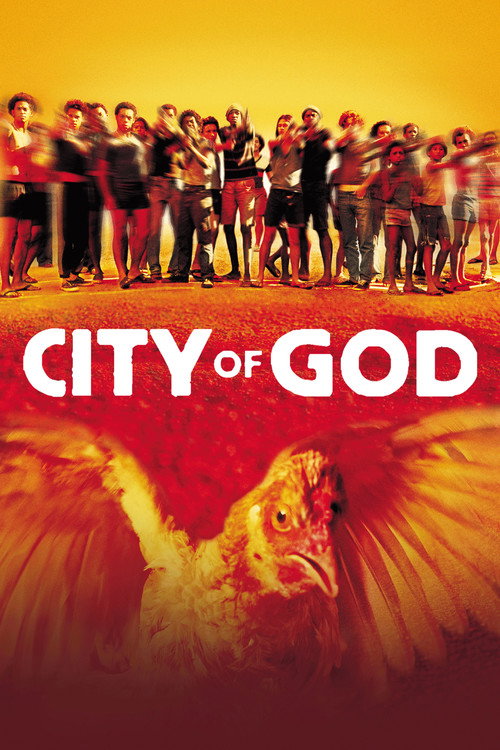
City of God2002
Like Iraq in Fragments, this Brazilian film uses intimate ground-level portraiture to map violence and survival in a specific place. It's formally inventive, shot with stunning clarity, and finds humanity without sentimentality in devastating circumstances.
But The rapid editing and visual style can feel stylistically aggressive. Some viewers find the formal invention distances them from the subject matter rather than bringing them closer.
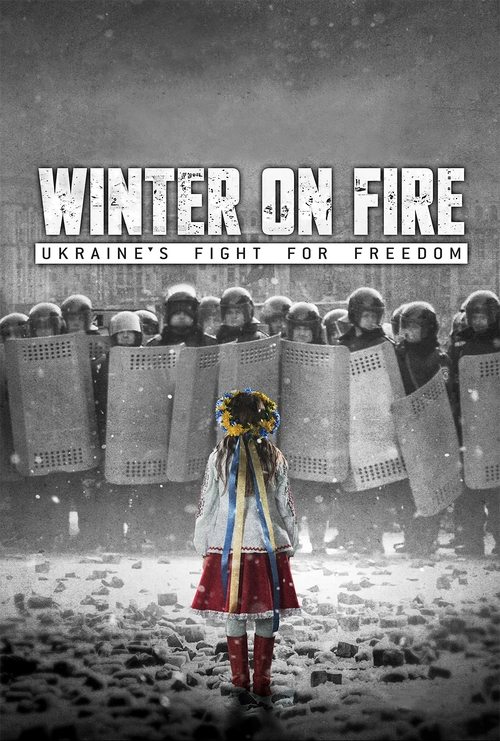
Winter on Fire: Ukraine's Fight for Freedom2015
Another documentary that refuses the comfort of distance, filmed by Evgeny Afineevsky during political upheaval. It captures ordinary people caught in extraordinary circumstances with the same poetic clarity and moral seriousness that animates Longley's work.
But It's emotionally grueling and offers no resolution. If you need documentary to provide clarity or closure, this will frustrate you.
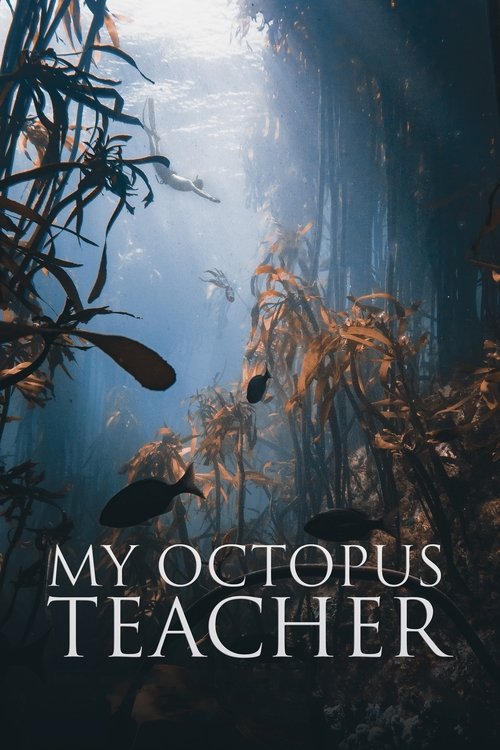
My Octopus Teacher2020
A documentary about patient, intimate observation and finding meaning through sustained attention to one subject. Though the subject matter couldn't be more different, it shares Iraq in Fragments' philosophical approach to what filmmaking can reveal.
But Its meditative, almost spiritual tone might feel too gentle if you're looking for the political urgency and moral weight of Longley's film.
Not sure tonight? Get a pick in a minute, starting from Iraq in Fragments
The wildcard
Something you would not have found on your own.
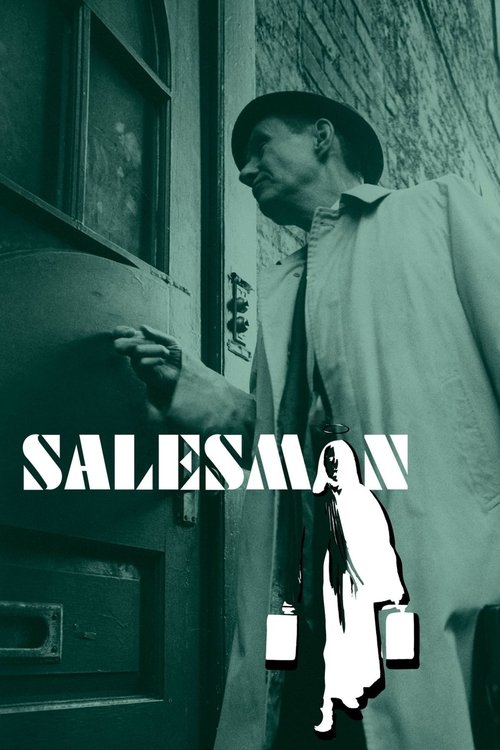
Salesman1969
Both films trust observation over explanation and use sustained, intimate portraiture to map the structures that shape people's lives within larger systems.
Albert and David Maysles' cinema-vérité portrait of door-to-door bible salesmen observes American economic life with the same patient, non-judgmental attention Longley applies to Iraq. It's formally quiet but morally complex, revealing a society through careful watching rather than commentary.
But Nothing happens. It's about the exhaustion of work and disappointment, filmed without music or narration. You have to bring meaning-making to it yourself.
More like this (7)
The Act of Killing2012
Werner Herzog and Joshua Oppenheimer's investigation of Indonesian genocide perpetrators uses unflinching observation and moral clarity to examine violence and complicity. It's formally audacious and deeply serious about its subject in ways that echo Longley's approach.
But Watching perpetrators re-enact atrocities is disturbing by design. The film doesn't soften this or offer catharsis, which some find unwatchable.

Man with a Movie Camera1929
Dziga Vertov's silent Soviet documentary pioneered the idea of cinema as a tool for seeing a society whole, across classes and regions. It influenced how filmmakers like Longley think about observation and montage as a way of building understanding.
But It's silent, experimental, and almost a century old. The techniques are revolutionary but can feel austere to viewers expecting conventional documentary.

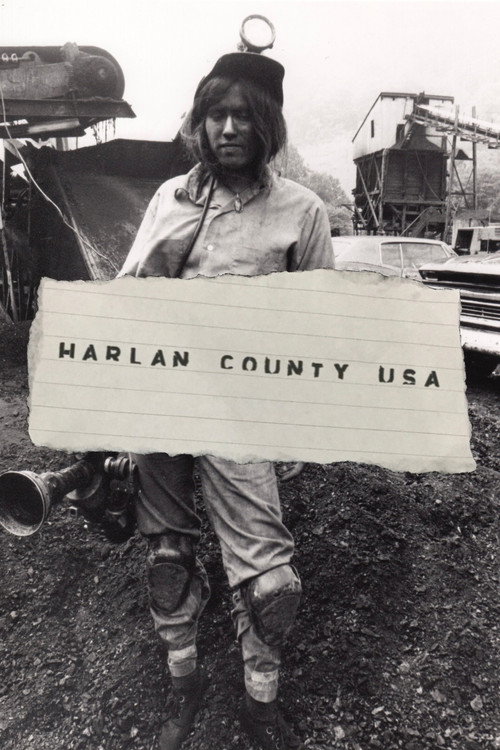
Harlan County U.S.A.1976
Barbara Kopple's documentary about a Kentucky coal miners' strike shares Iraq in Fragments' commitment to spending real time with people in conflict. It's a masterclass in how observation builds empathy and political understanding simultaneously.
But It's long, unglamorous, and the pace is deliberately slow. If you expect dramatic arcs, you'll find it repetitive.
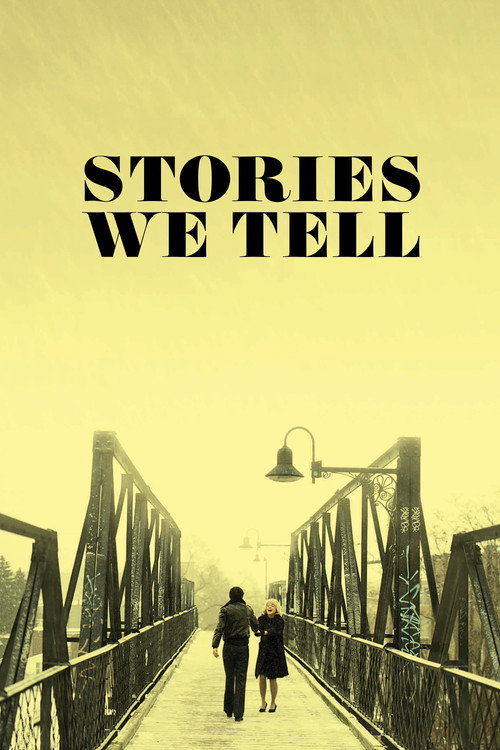
Stories We Tell2012
Michael Longley's meditation on family, memory, and truth uses unconventional documentary form to explore how we construct meaning from fragments. It's philosophically aligned with Iraq in Fragments' thinking about what cinema can and cannot reveal.
But It's deliberately obscure and personal in ways that can feel self-indulgent. Some viewers find it precious rather than profound.
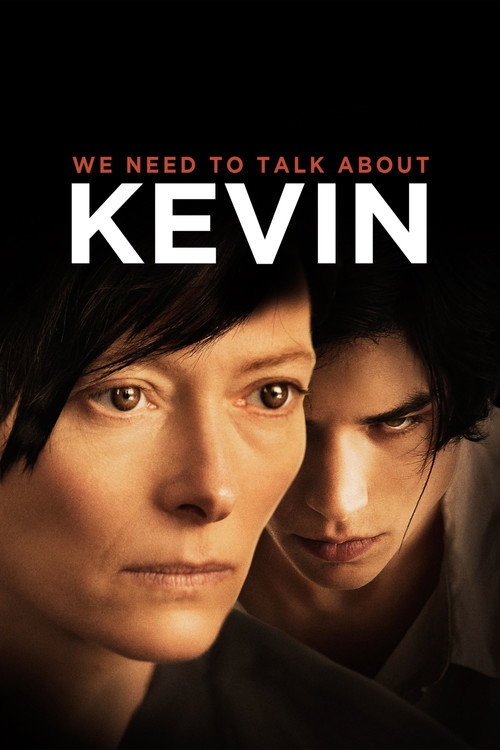
We Need to Talk About Kevin2011
Lynne Ramsay's study of complicity and violence in intimate spaces shares Iraq in Fragments' refusal of easy moral judgments. Both examine how violence enters and shapes family life with formal innovation and unflinching honesty.
But It's a narrative fiction, not documentary, and deals with fictional atrocity. The tonal darkness and the protagonist's emotional numbness alienate many viewers.
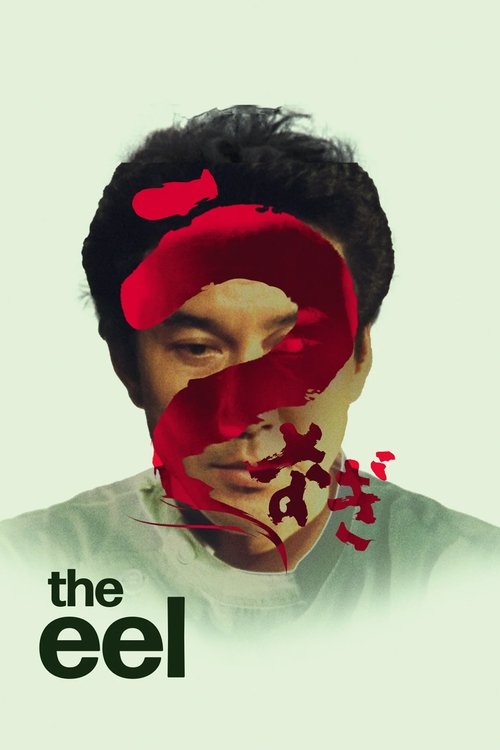
The Eel1997
Both grapple with how people live alongside violence and loss without sentimentalizing survival or offering false redemption.
Shohei Imamasa's Japanese narrative film about a man rebuilding life after violence feels spiritually aligned with Iraq in Fragments—formally restrained, philosophically serious about forgiveness and complicity, and interested in how ordinary people survive moral catastrophe.
But It's in Japanese and very slow-paced. The narrative obliqueness and lack of psychological explanation frustrate viewers seeking conventional character development.
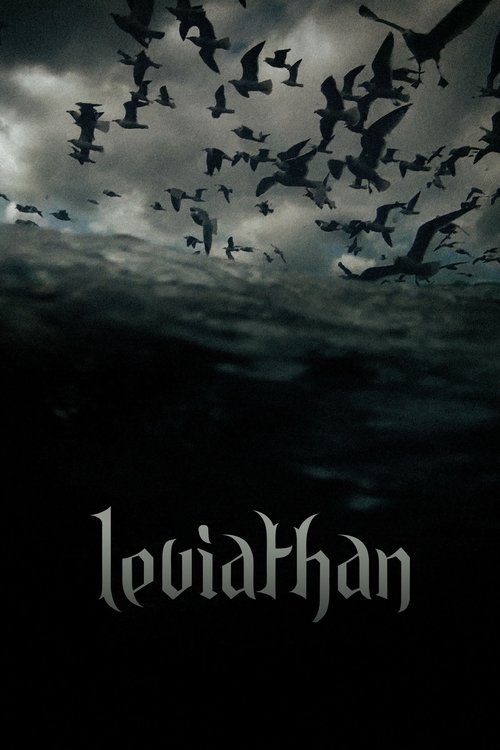
Leviathan2013
Both use innovative formal strategies to convey the experience of being inside a system you cannot fully comprehend, rejecting the distance that traditional documentary creates.
Lucien Castaing-Taylor and Verena Paravel's experimental documentary about a Russian fishing trawler uses sensory overload—murky underwater footage, incoherent sound, fragmented editing—to make you feel the chaos and incomprehensibility of labor and nature. It's formally radical but arrives at emotional truth through disorientation rather than clarity.
But It has no narrative, no clear subjects, and deliberately resists intelligibility. Many viewers find it unwatchable rather than enlightening.
People
Cast
- Mohammed HaithemHimself
- Suleiman MahmoudHimself
Directing
- James LongleyDirector
Production
- John SinnoProducer