
Film
The War Tapes
The War Tapes is the first Iraq War documentary filmed entirely by soldiers themselves, bypassing Pentagon oversight to capture an unfiltered account of Operation Iraqi Freedom. Three soldiers—a carpenter-turned-writer, a Lebanese-American linguist, and a father seeking redemption—share their raw footage of camaraderie, dark humor, and the brutal reality of combat. It's intimate, immediate, and unsettling in ways embedded journalism never reaches.
Should you watch it?
Watch it if you want a war film with the texture of a home movie, where soldiers' own handheld footage catches the boredom, bickering and jokes between the firefights, and you care more about how these particular men carry the war than about battle choreography.
Skip it if you need a clear narrative arc or polished, shaped storytelling; this is raw, uneven footage put together from what the soldiers happened to capture, and it can feel scattered and loose.
What it asks of you: It runs about ninety-seven minutes, mostly at the pace of ordinary days, so you have to sit with long stretches of waiting and talk before the sharp, sudden moments land.
Not sure? Find tonight's pick in a minute.
If you liked this
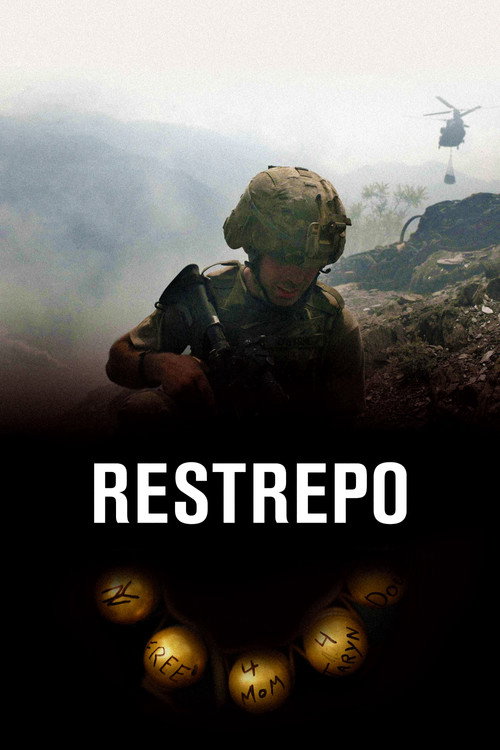
Restrepo2010
Two documentary filmmakers embedded with a U.S. Army platoon in Afghanistan for a year. It's a visceral, unflinching portrait of modern combat that respects both soldiers' humanity and the weight of what they face.
But Relentlessly heavy and sometimes difficult to parse the tactical details. There's minimal narrative structure—it simply accumulates moments of boredom, fear, and loss.
Iraq in Fragments2006
A mosaic documentary following three Iraqis across the country during the early occupation, told with stunning visual poetry. It captures civilian life and perspective in ways most war documentaries overlook entirely.
But Deliberately paced and meditative rather than propulsive. If you want a clear narrative arc, this refuses to give you one—it's closer to a photo essay.
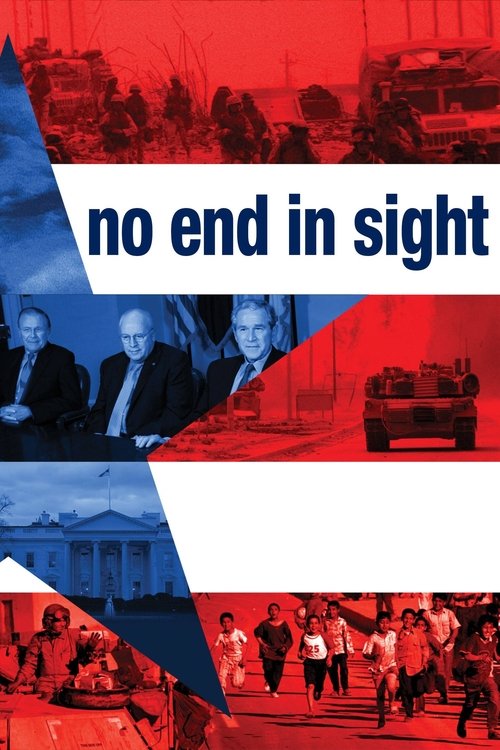
No End in Sight2007
Investigative documentary examining how the Iraq War was planned and executed. Through interviews with military officials and policy makers, it systematically unravels the decision-making that led to chaos and occupation.
But Heavy on talking heads and Pentagon bureaucracy. The anger is justified but can feel academic compared to boots-on-the-ground testimony.
Not sure tonight? Get a pick in a minute, starting from The War Tapes
The wildcard
Something you would not have found on your own.
Come and See1985
Both films reject sanitized war narratives and insist on showing you the actual psychological destruction, not the ideology. They trust their audience to understand horror without explanation.
A Soviet film following a young partisan during WWII. Hypnotic, hallucinatory, and philosophically searching about what war does to a child's understanding of the world. Unlike anything else—visceral but metaphysical.
But Relentlessly bleak, sometimes surreal, and 142 minutes of emotional devastation. It's a masterpiece but also nearly unwatchable. Not a documentary—pure cinema, pure horror.

More like this (7)
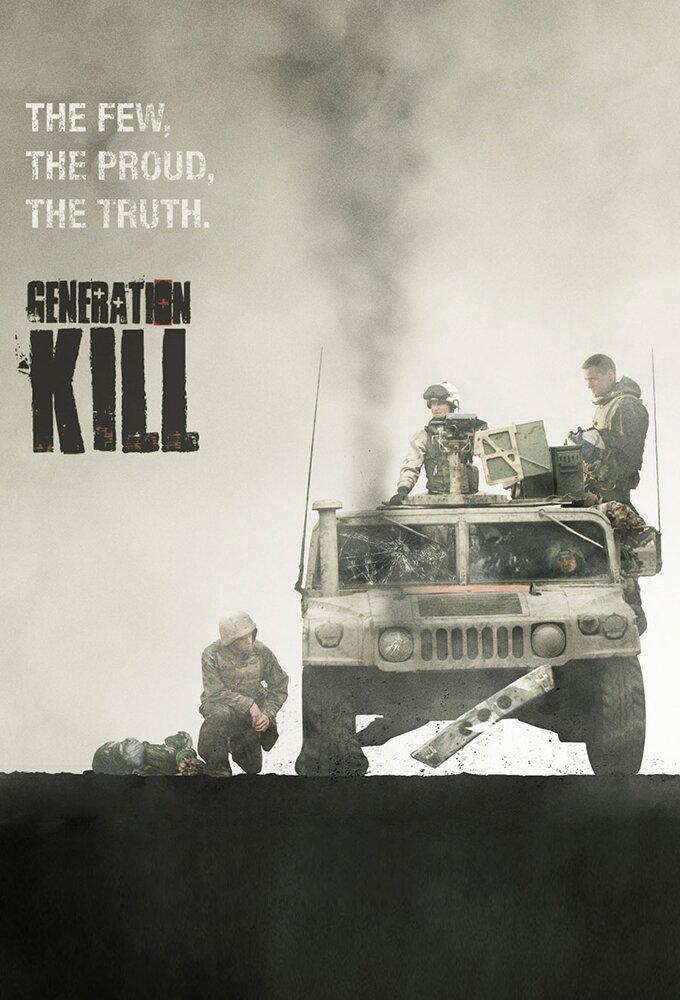
Generation Kill2008
HBO miniseries following a Marine reconnaissance battalion during the 2003 invasion. Scripted but extraordinarily rigorous, based on a reporter's embedded account. Raw dialogue and mounting dread.
But Seven hours is a commitment. The first episode is slower than later ones; patience required before the intensity compounds.
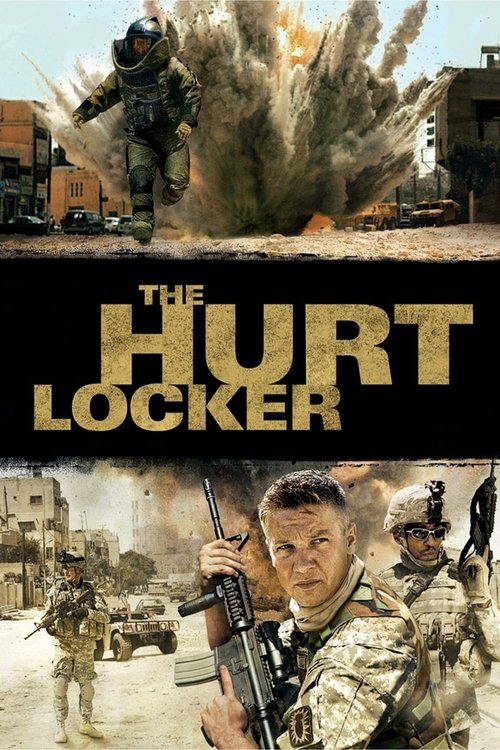
The Hurt Locker2008
A bomb disposal expert in Baghdad confronts his addiction to the adrenaline of defusing IEDs. Tense, psychologically acute, and one of the few fiction films that captures the actual texture of the war without glamorizing it.
But Some combat veterans find the technical details irritating. It's also claustrophobic and exhausting by design—comfort isn't the goal.
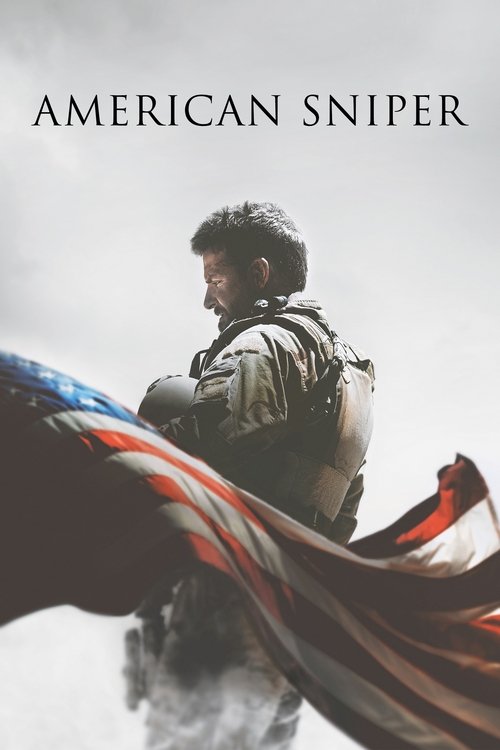
American Sniper2014
Clint Eastwood's portrait of Chris Kyle and the psychological toll of being the deadliest sniper in U.S. military history. Unflinching about PTSD and the cost of being very good at killing.
But Politically contentious and sometimes simplistic about complexity. The film's framing has been disputed by people who knew Kyle personally.
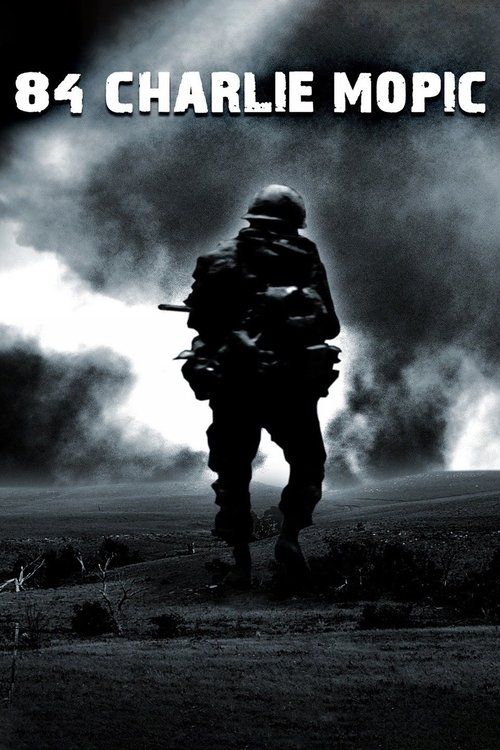
84 Charlie Mopic1989
A small-unit reconnaissance patrol behind enemy lines in Vietnam, almost in real time. Low-budget and procedural, it feels lived-in and tactically credible in ways big-budget war films often miss.
But Shot like a TV movie and barely distributed—it looks cheap and moves slowly. Not visually impressive, but that's kind of the point.
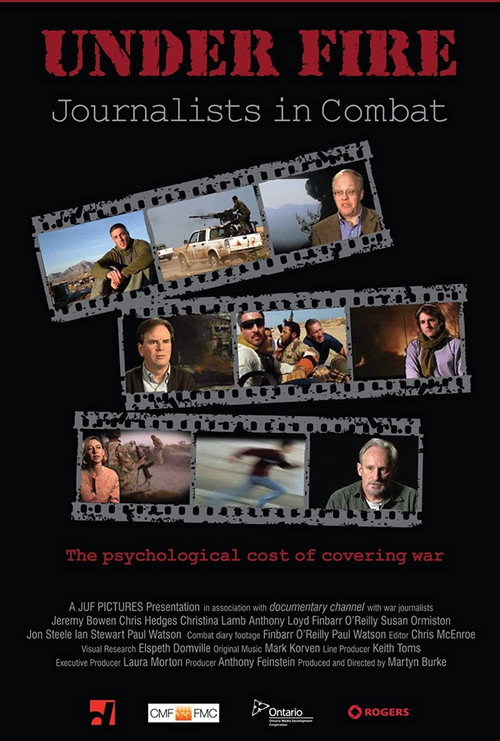
Under Fire: Journalists in Combat2011
Documentary following photographers and cameramen documenting modern conflicts. A parallel perspective to The War Tapes—what does it mean to witness and record when you're not a combatant?
But More conceptual than visceral. If you want immediate human drama, this is more meditative about the act of documentation itself.
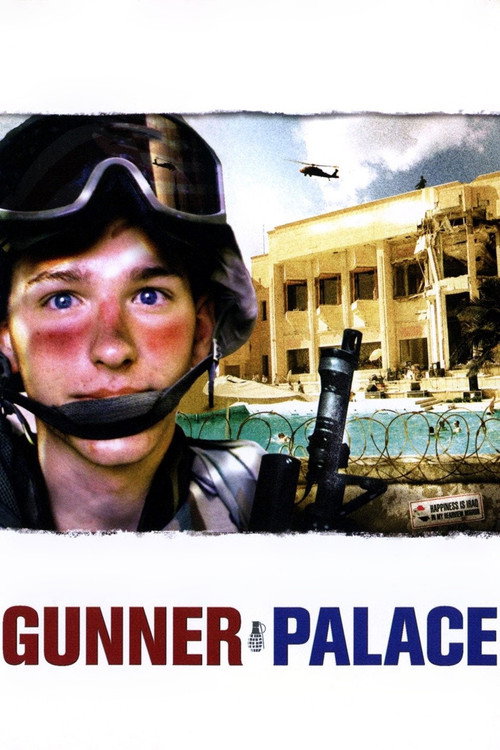
Gunner Palace2004
Like The War Tapes, it captures soldiers on their own terms, finding their own meaning in an impossible situation. Less about what the war means and more about what these men do to survive it.
A soldiers' band in Baghdad—yes, really—performs amid the chaos of occupation. It sounds absurd and it is, but it's also a perfect metaphor for coping, art-making, and finding humanity in madness. Weird, funny, and oddly moving.
But The premise is so strange it can feel gimmicky. Some find the levity disrespectful to the situation; others find the film uneven in tone.
The Act of Killing2012
Both films are constructed from first-person testimony and combat/violence footage. But where The War Tapes is told by those following orders, The Act of Killing is told by those giving them. Different vantage point on the same question: how do men justify what they do?
A documentary asking Indonesian death squad leaders to reenact their mass murders. Surreal, cinematically inventive, and deeply unsettling. It's about how perpetrators of atrocity narrate themselves—the gap between act and story.
But Morally complex and sometimes feels like it lets its subjects off easy. Watching men laugh while describing killing is deliberately disorienting. Some find the playful reenactments obscene.

People
Cast
- Zack BazziHimself
- Duncan DomeyHimself
- Ben FlandersHimself
 Mike MoriartyHimself
- Steve PinkHimself
- Brandon WilkinsHimself
Directing
- Deborah ScrantonDirector