
Film
Stories We Tell
Sarah Polley turns her own family history into a documentary detective story, quietly interviewing parents, siblings and friends about a long-held secret involving her mother. Reenactments are woven in so seamlessly you stop trying to spot them, turning a private mystery into a study of how memory itself works. For anyone who loves formally playful, warm, quietly devastating nonfiction.
If you liked this
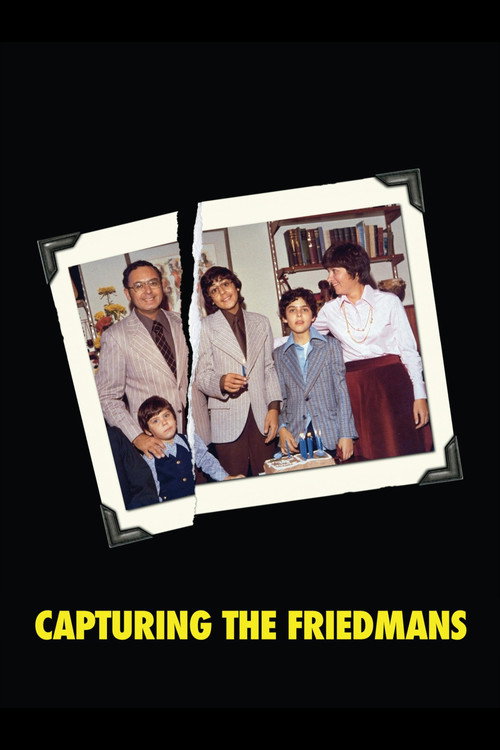
Capturing the Friedmans2003
Andrew Jarecki's investigation into a family shattered by abuse allegations uses home movies and flatly contradictory interviews to show how relatives build competing survival narratives, exactly the mechanism Polley exposes in her own family.
But Its subject is a child-abuse case, far darker and more disturbing than anything in Stories We Tell, and it leaves you unsettled rather than comforted.
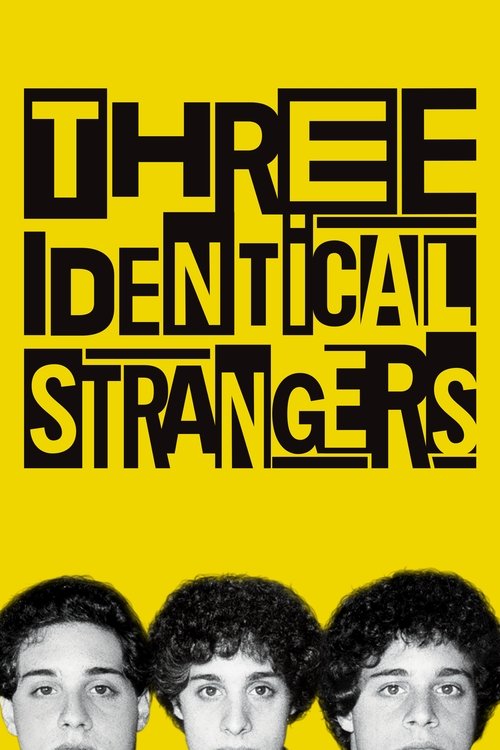
Three Identical Strangers2018
A staggering true story of identical triplets separated at birth, told with real narrative propulsion and one gut-punch reveal after another — the same pleasure of a family secret unravelling, but with a thriller's pacing.
But The tone tips into true-crime sensationalism in its back half, trading some of Polley's delicacy for pure shock value.
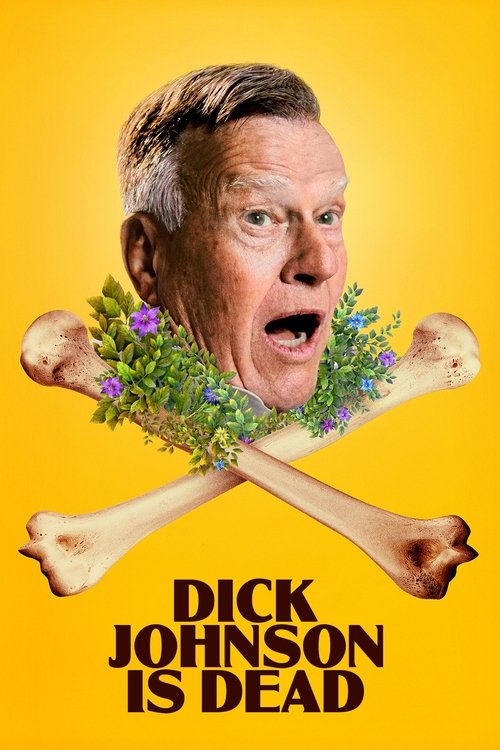
Dick Johnson Is Dead2020
Kirsten Johnson stages her own father's death in inventive, playful ways to rehearse losing him for real, blurring documentary and performance just as Polley does with her reenactments, but louder and funnier.
But The stylised set-pieces can feel twee if you want it played straighter, and its meditation on mortality sits in a different emotional register than Polley's mystery.
The wildcard
Something you would not have found on your own.
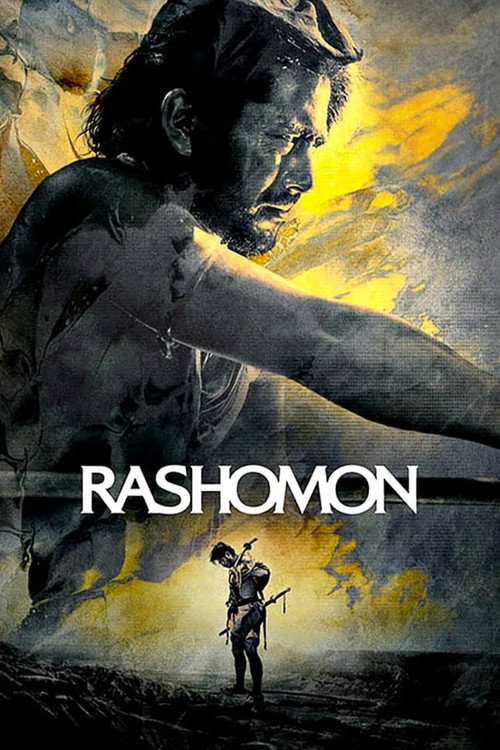
Rashomon1950
Both structure themselves around the same discovery — that retelling an event changes it, and 'truth' is just whoever happens to be telling the story that day. Rashomon got there first, in pure fiction, long before documentary caught up.
Kurosawa's telling of one crime through four wildly contradictory eyewitness accounts basically invented the idea that truth is a matter of who's speaking — the theory Polley's documentary puts into practice six decades later.
But It's a 1950 black-and-white Japanese court drama with none of Polley's warmth or personal stakes — philosophy dressed as samurai fiction, not family intimacy.
More like this (7)
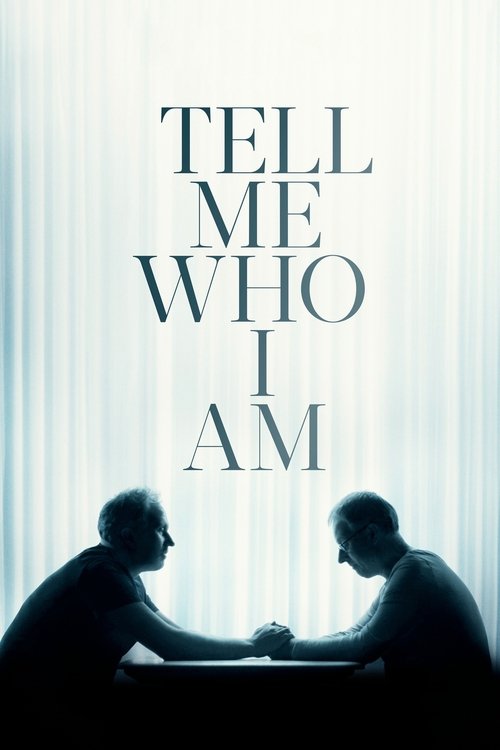
Tell Me Who I Am2019
Identical twins, one left with no memory after an accident, unearth a devastating secret his brother chose never to tell him — Polley's structure of competing testimonies pushed toward genuinely shocking territory.
But It leans hard into trauma and less into formal playfulness; less a meditation on storytelling, more a single gut-punch revelation.
Grey Gardens1976
The Maysles brothers' intimate portrait of a faded society mother and daughter decaying together in genteel squalor is the ur-text for the close, camera-aware family documentary Polley is working within.
But There's no mystery to solve, just two eccentric women being filmed living their lives — mesmerising to some, uncomfortable to sit with for others.

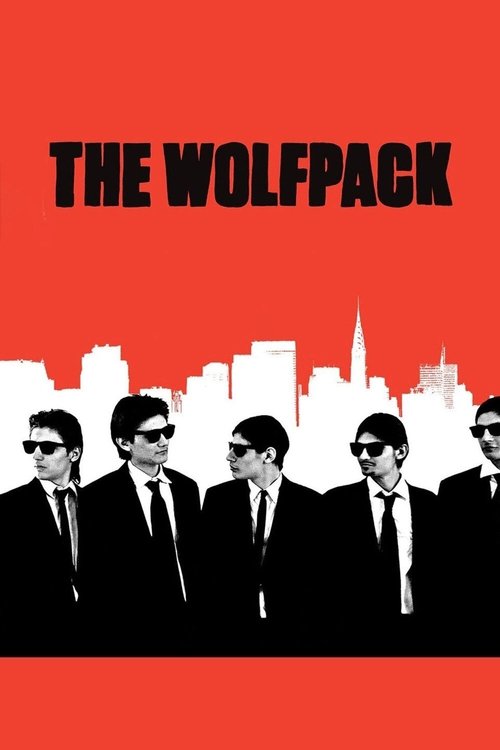
The Wolfpack2015
Six brothers raised in near-total isolation recreate movies from memory to survive their confinement; like Polley's film, it's fascinated by how families invent private mythologies to cope.
But It raises more questions about its subjects' safety and consent than it answers, leaving an uneasy aftertaste that lingers.
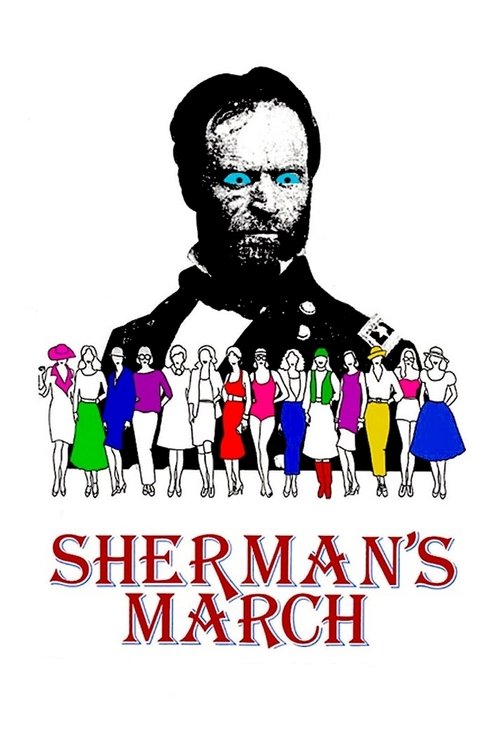
Sherman's March1986
Ross McElwee set out to make a film about Civil War history and ended up making one about his own romantic disasters and Southern family instead — an essayistic ancestor of Polley's habit of letting the story wander where it wants.
But It's shaggier and slower, more meandering diary than tight mystery, and its humour is drier and less structured.
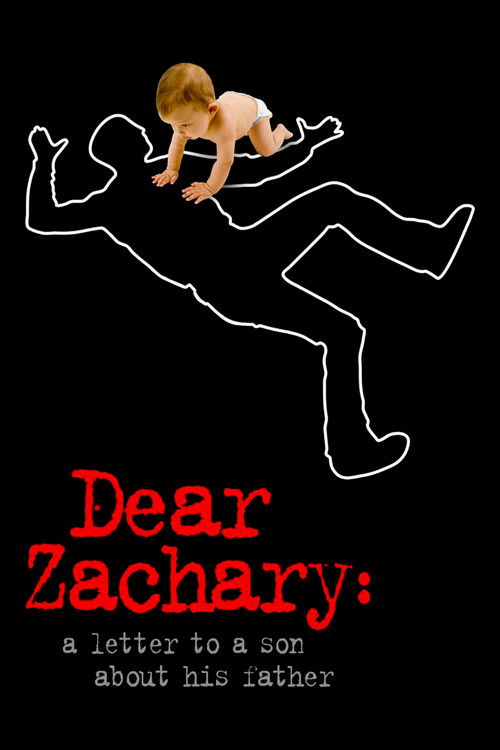
Dear Zachary: A Letter to a Son About His Father2008
Kurt Kuenne set out to make a tribute for a murdered friend's infant son and ended up capturing his own devastating implication in the unfolding story — a real-time example of a documentary changing shape mid-shoot.
But It's far more raw and tragic, with none of Polley's wit or formal distance to soften the blow; go in braced.
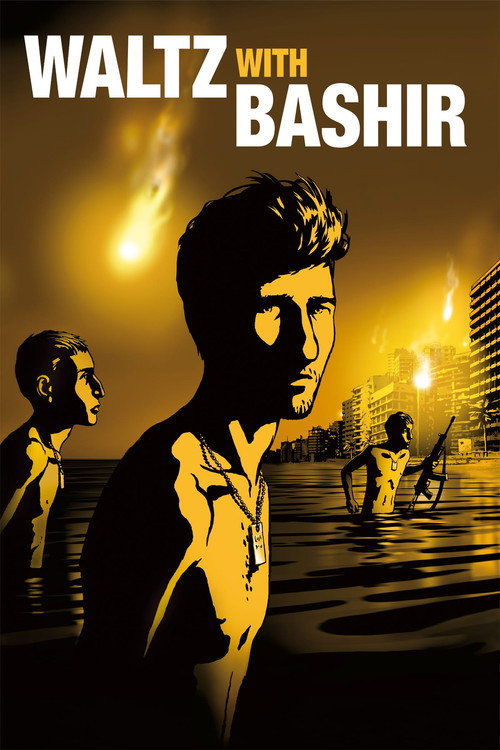
Waltz with Bashir2008
Same premise — a filmmaker interviewing people close to them to reconstruct a buried personal history — but carried out in an entirely different medium, animation standing in for Polley's staged reenactments as a way of showing memory being unreliable rather than telling us so.
Ari Folman animates his own hunt through suppressed memories of the 1982 Lebanon War, interviewing old comrades whose recollections contradict each other just as Polley's family does, using animation to make memory's distortions visible.
But It's a war memoir, heavier and more political than anything in Stories We Tell, and the animation style takes some adjusting to.
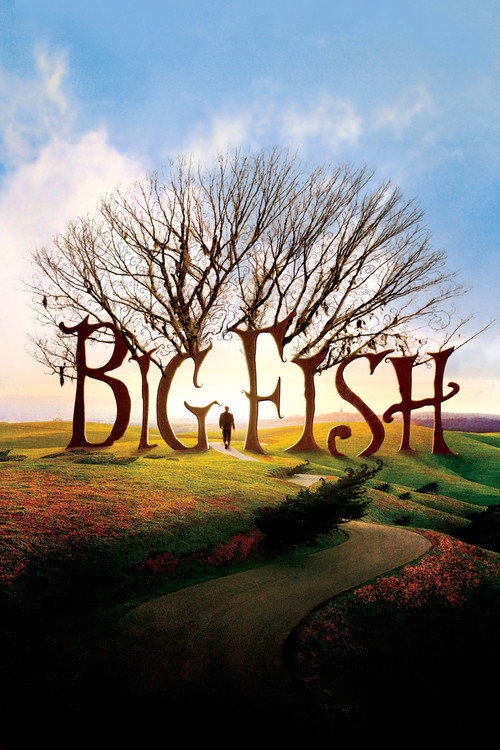
Big Fish2003
Both are, at heart, a child interrogating a parent's mythology to find what's true underneath it. Big Fish just answers the question in glowing fantasy instead of Polley's clear-eyed uncertainty — same idea, opposite emotional key.
Tim Burton's tale of a dying father whose life story is one enormous, gorgeous exaggeration, and the son determined to find the literal truth underneath it, asks the exact question Polley asks: does the 'real' story matter more than the one that gets told and retold?
But It's unabashedly sentimental studio fantasy with none of Polley's restraint or ambiguity — the bow gets tied far too neatly if you want your family secrets left knotty.
People
Cast
- Michael PolleyStoryteller
- Harry GulkinStoryteller
- Susy BuchanStoryteller
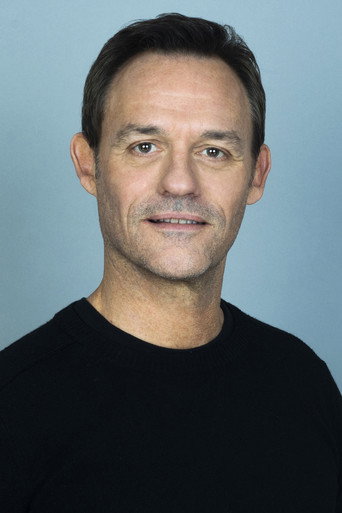 John BuchanStoryteller
- Mark PolleyStoryteller
- Joanna PolleyStoryteller
- Cathy GulkinStoryteller
- Marie MurphyStoryteller
- Robert MacMillanStoryteller
- Anne TaitStoryteller
- Deirdre BowenStoryteller
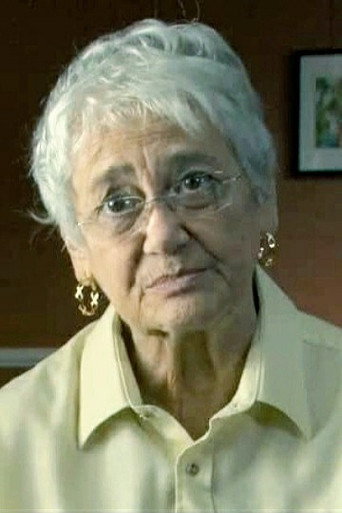 Victoria MitchellStoryteller
Directing
- Sarah PolleyDirector
- David ForsythFirst Assistant Director
Writing
- Sarah PolleyWriter
Production
- Josiah RothenbergAdministration
- Fernando da SilvaAssistant Location Manager
- Marc CunninghamAssistant Location Manager
- Jason KnightCasting
- John BuchanCasting
- Silva BasmajianExecutive Producer
- Eardley WilmotLocation Manager
- Roman MartynLocation Manager
- Anita LeeProducer
- Sonia HoskoProducer
- Adam BelangerProduction Assistant
- Graeme BrownProduction Assistant
- Ryan BullerProduction Assistant
- Janine HeathProduction Manager
- Elizabeth KlinckResearcher
Recommended by
Fleabag, Encanto, Please Like Me, Big Fish, Dick Johnson Is Dead, Late Spring, 45 Years, Brave, Better Things, Tarnation, Tell Me Who I Am, The Worst Person in the World, Sherman's March, The Souvenir, The Fabelmans, Cameraperson, The Lost Daughter, Hannah Gadsby: Nanette