
Film
A Certain Kind of Death
- Investigative journalism
- Very dark
- Slow-burning
A Certain Kind of Death follows LA's coroner's office as it processes the bodies of people who die alone, unclaimed and unknown. Raw, methodical, and unflinching, it turns administrative procedure into something profound—a meditation on anonymity, dignity, and what we owe the forgotten. Essential viewing for anyone who thinks documentaries should look away from hard truths.
Should you watch it?
Watch it if you want a quiet, patient look at the unglamorous administrative work that follows a death, and you can sit with plain observation rather than commentary.
Skip it if the subject of unclaimed bodies is too heavy for now, since it stays close to the dead and never looks away.
What it asks of you: Under seventy minutes, with unhurried stretches of routine procedure, it asks for patience with the everyday rather than momentum, and a willingness to watch the mundane work at its own pace.
Not sure? Find tonight's pick in a minute.
If you liked this
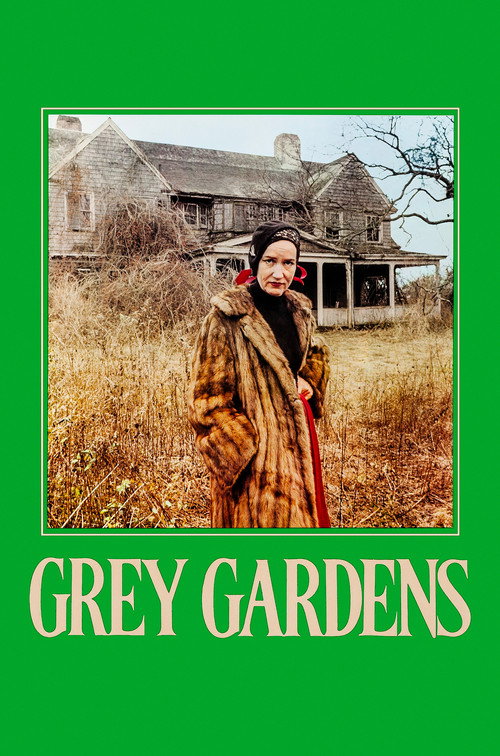
Grey Gardens1976
The Maysles brothers document two reclusive women in a decaying mansion with anthropological precision. Haunting, intimate, and deeply sad without asking for tears—it respects its subjects' strangeness.
But The pacing feels glacial by modern standards, and there's something uncomfortably voyeuristic about watching people in genuine distress.
Night and Fog1956
Alain Resnais's 32-minute essay on the Holocaust uses meticulous archival footage and calm narration to render the unthinkable comprehensible. Essential cinema about how to witness atrocity without sensationalizing it.
But Emotionally devastating. Not a film you watch casually, and the restraint can make it feel even more brutal than explicit accounts.
The Act of Killing2012
Joshua Oppenheimer persuades Indonesian death-squad leaders to recreate their own murders. Disturbing but necessary, it forces viewers and perpetrators alike to confront the reality of violence without narrative comfort.
But Genuinely difficult to watch. The premise itself feels ethically queasy, and many find it exploitative despite its intentions.

Not sure tonight? Get a pick in a minute, starting from A Certain Kind of Death
The wildcard
Something you would not have found on your own.
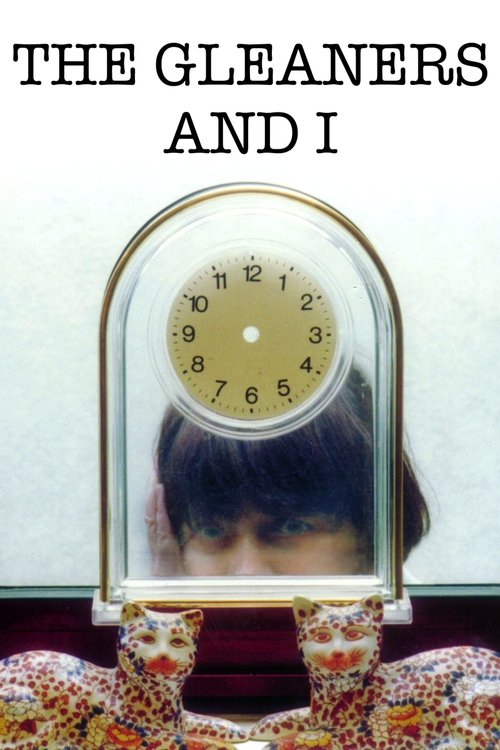
The Gleaners and I2000
Both honor the forgotten and marginal through patient observation. Where A Certain Kind of Death documents the system that receives the dead, Varda documents the living systems society overlooks.
Agnès Varda's essay-film wanders through rural France collecting stories of people who gather food left behind after harvest. A meditation on waste, dignity, and invisible labor that finds grace in precarity—the spiritual inverse of A Certain Kind of Death.
But It's deliberately digressive, following Varda's curiosity rather than narrative momentum. Viewers seeking structure may find it frustratingly loose and impressionistic.
More like this (7)
Senna2010
Asif Kapadia's biography of the racing driver uses only archival footage and sound, creating an urgent, cinematic experience. Proof that documentary form can be as formally inventive as narrative filmmaking.
But If you don't care about Formula 1, the technical grandeur may feel hollow. Some find Kapadia's romantic framing at odds with Senna's moral complexity.

Casting JonBenet2017
Kitty Green's meta-documentary uses the JonBenét Ramsey case to examine how we project ourselves onto mysteries. Formally clever and genuinely unsettling in unexpected ways.
But Its refusal to solve anything frustrates viewers hungry for answers. Some find the conceptual apparatus overshadows the real tragedy.

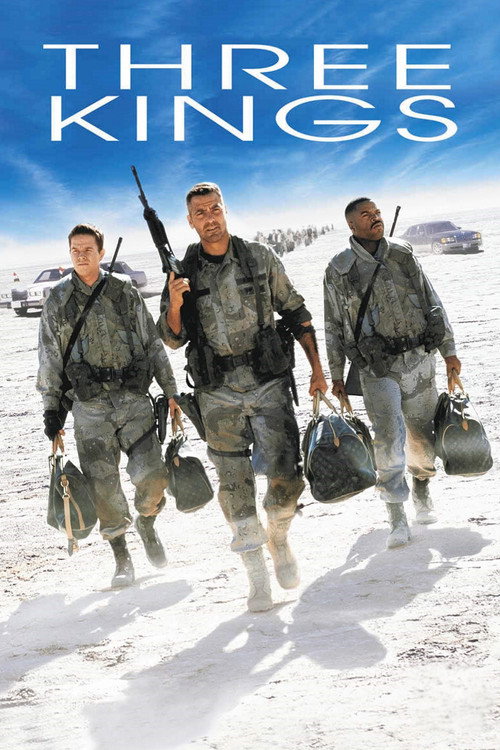
Three Kings1999
David O. Russell's Gulf War film balances brutal realism with surreal moments. It captures the moral confusion of soldiers caught between duty and conscience with intelligence and style.
But The tonal shifts between dark comedy and graphic violence unsettle some viewers. The third-act shift feels abrupt to many.
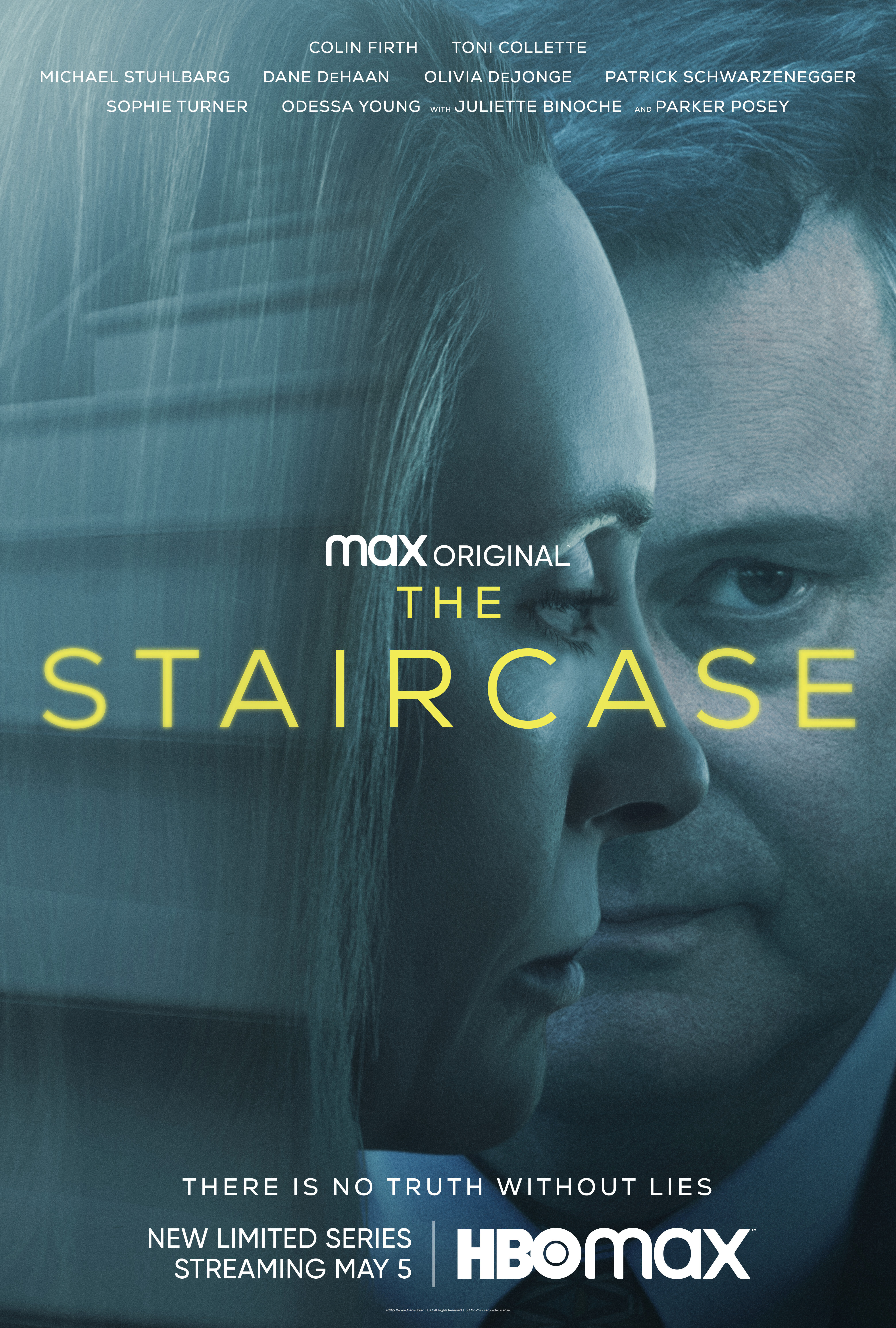
The Staircase2022
Jean-Xavier de Lestrade's HBO Max miniseries documents a real murder trial with novelistic depth. Absorbing, formally inventive, and raises questions about justice and documentary truth itself.
But Eight episodes is a commitment, and the show's own unreliability about what happened can feel deliberately evasive rather than intellectually honest.
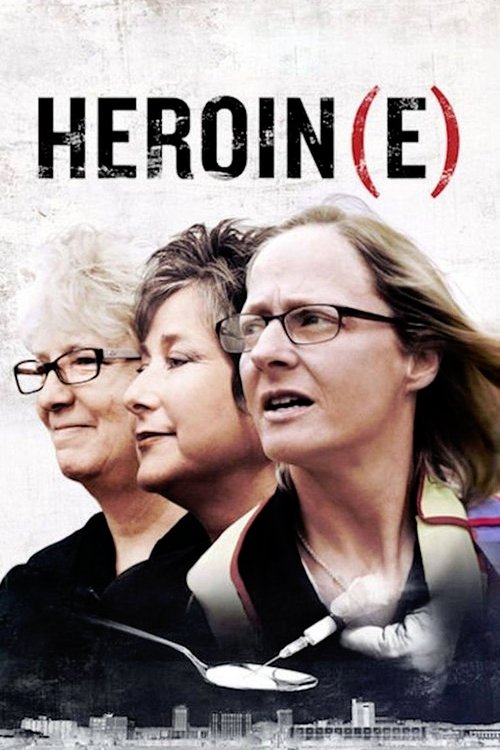
Heroin(e)2017
Elaine McMillion Gorga's portrait of three Appalachian women fighting addiction and its aftermath is tender and clear-eyed. Respectful without condescension, urgent without preaching.
But The geographical and economic specificity may feel narrow if you're looking for broader context. Some want more structural analysis of the opioid crisis.
Come and See1985
Both refuse to look away from death, but Come and See renders it embodied and immediate where A Certain Kind of Death renders it procedural—opposite approaches to the same unflinching requirement.
Elem Klimov's Soviet war film is unflinching documentary-style brutality mounted as fiction. It achieves what most documentaries can't: the visceral, embodied horror of historical atrocity without the aesthetic distance that documentary sometimes permits.
But Genuinely traumatizing. One of cinema's most brutal films. The graphic violence and despair make it unwatchable for many, and no artistic justification makes that easier.

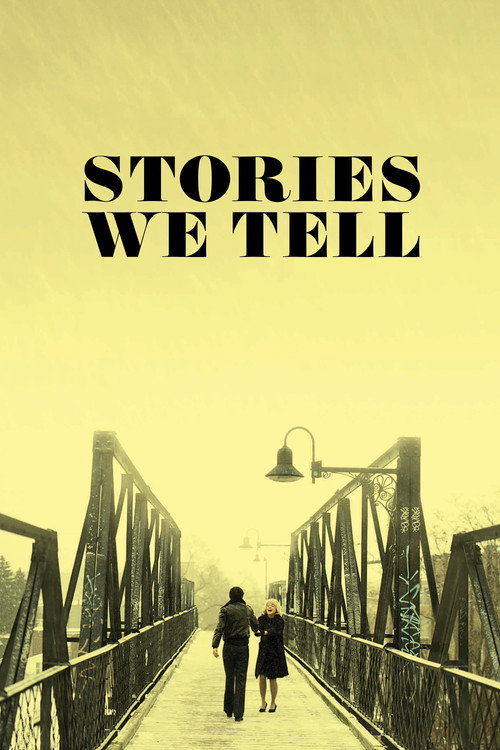
Stories We Tell2012
Both examine what remains and how we process the dead—one through anonymous bodies, one through a single family. A Certain Kind of Death asks what happens to the unmourned; Stories We Tell asks what we do with the memory of the mourned.
Michael Karim builds a family mystery from contradictory home videos and testimony. A documentary about how memory and narrative reshape the dead, and how we tell ourselves stories about people we've lost.
But The personal scope is deliberately small; if you want broad historical or social analysis, it's too intimate. The formal trickery can feel precious if you're not invested in the family.
People
Cast
- Fred CorralSelf - LA Dept. of Coroner Investigations
- Sherwood DixsonSelf - LA Dept. of Coroner Investigations
- Betsy MagdalenoSelf - LA Dept. of Coroner Investigations
- Emil MoldovanSelf - LA Dept. of Coroner Investigations
- David SmithSelf - LA Dept. of Coroner Investigations
- Luis SuarezSelf - LA Dept. of Coroner Investigations
- Julie WilsonSelf - LA Dept. of Coroner Investigations
- Mel GrahamSelf - LA Dept. of Coroner Reporting Desk
- Joyce KatoSelf - LA D. of C. ID & Notification Section
- Doyle TolbertSelf - LA D. of C. ID & Notification Section
- Joe CroninSelf - LA D. of C. Decedent Services Dept.
- Ezell GipsonSelf - LA D. of C. Decedent Services Dept.
Directing
- Blue HadaeghDirector
- Grover BabcockDirector