
Film
I Live in Fear
- Drama
- Very dark
An aging Japanese patriarch, terrified of nuclear war, demands his family flee to Brazil. When they have him declared mentally unfit, a court counselor must reckon with an uncomfortable question: is the old man's paranoia actually madness, or merely clarity about a rational threat? A 1955 Kurosawa that remains urgently contemporary.
Should you watch it?
Watch it if you want a stubborn, unsettling family drama that treats a private fear as a public argument, and you're happy to sit with a character who is both monstrous and pitiable.
Skip it if you find dialogue-heavy family arguments wearying, since much of its running time is people talking in rooms and the mood stays bleak throughout.
What it asks of you: Just under two hours of close, mostly indoor scenes, with volatile shifts in volume and a heavy, unhurried shape that keeps circling the same argument.
Not sure? Find tonight's pick in a minute.
If you liked this
Ikiru1952
Takashi Shimura again, this time wrestling with mortality and meaning as a dying bureaucrat. Like I Live in Fear, it's Kurosawa asking what makes a life worth living—but the answer comes from acceptance rather than flight. Profound and genuinely moving.
But The pacing is slow and deliberate. If you need momentum or plot mechanics, this will feel like watching paint dry on a coffin.

The Bad Sleep Well1960
Mifune returns to Kurosawa in a thriller about corruption and corporate evil that could destroy a family. Same paranoia as I Live in Fear, but here the threat is real and institutional, forcing you to ask what counts as justified fear versus obsession.
But It's a dense political drama dressed as a thriller. The genre costumes come and go; your patience with subtlety matters more than your taste in noir.
Ran1985
Kurosawa's King Lear, where an aging patriarch's decision to divide his power fractures everything. Like I Live in Fear, it's about an elder whose grip on reality crumbles—but here the family becomes the apocalypse. Visually staggering and morally pitiless.
But Nearly three hours, brutally violent, and relentlessly bleak. The beauty is cold; there's no warmth to hide in.
Not sure tonight? Get a pick in a minute, starting from I Live in Fear
The wildcard
Something you would not have found on your own.
Dr. Strangelove or: How I Learned to Stop Worrying and Love the Bomb1964
Both films use nuclear dread as a lens to examine whether institutional or individual madness is the greater threat. One is serious, one is absurd—but they're asking the same terrible question.
Kubrick turns nuclear apocalypse into comedy—the exact opposite register from Kurosawa, but the same central obsession. Where I Live in Fear asks if terror is sane, Strangelove asks if sanity itself is the real threat. Watching them back-to-back creates a perfect unsettling echo.
But The humor is pitch-black and heavily ironic. If you need comedy to be warm or even clearly intentional, this will feel cruel rather than funny.
More like this (8)
High and Low1963
Mifune as a wealthy businessman whose life implodes after a kidnapping. Kurosawa at his most suspenseful, asking how much we owe to strangers and what wealth actually protects us from. The paranoia here has consequences.
But The second half shifts from thriller to crime procedural. Some find it slack; others find it a relief from tension.
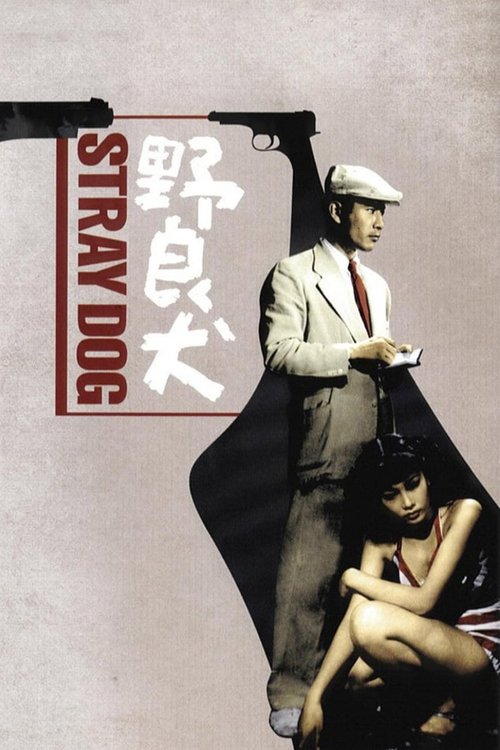
Stray Dog1949
Mifune's debut, playing a young cop searching for a stolen pistol in postwar Tokyo. It captures the same atmosphere of societal rupture and fear that haunts I Live in Fear—a society still learning how to exist after catastrophe.
But The mystery is thin. You're really watching a portrait of a city and a man—if that doesn't interest you, the plot won't carry it.
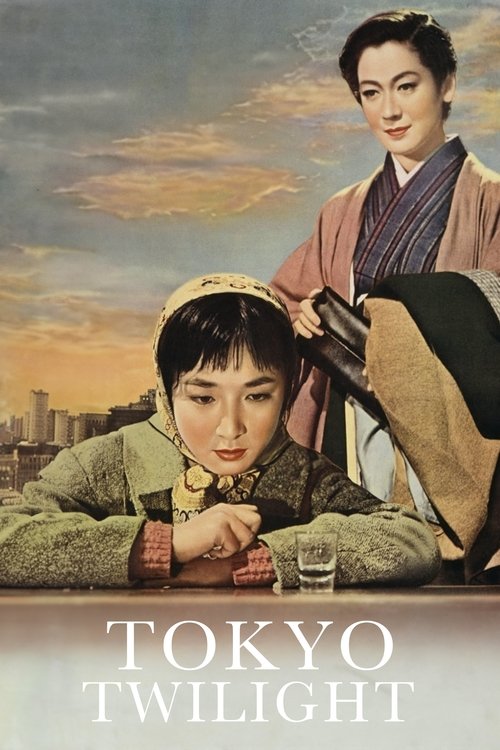
Tokyo Twilight1957
Another Kurosawa film about family rupture, this one centered on a woman trying to hold her household together as secrets and trauma surface. It shares I Live in Fear's interest in what families owe each other and what they conceal.
But Bleak in a way that can feel airless. There's tragedy here but very little catharsis.
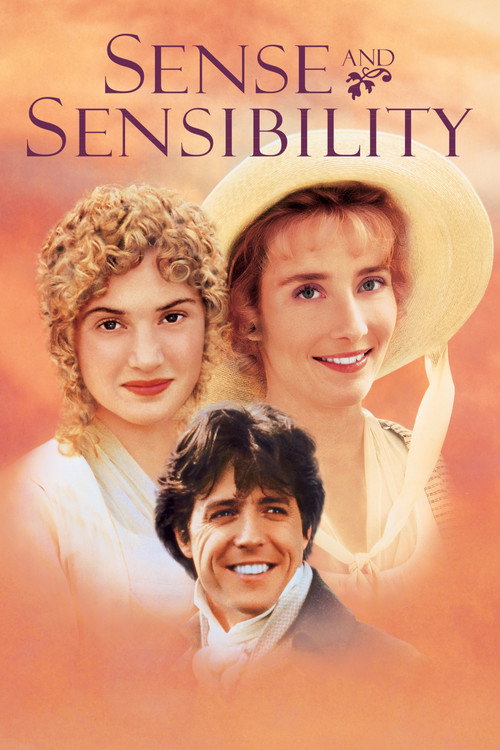
Sense and Sensibility1995
Emma Thompson adapts Austen with the same precision Kurosawa brings to human motive. It's about family crisis and how differently people process fear—one sister rational, one intuitive, neither entirely right. The emotional architecture mirrors I Live in Fear's central dilemma.
But If period drama bores you or Austen feels remote, the elegance won't be enough.
The Seventh Seal1957
Bergman's meditation on mortality and meaning, with Death himself as a character. Like I Live in Fear, it asks what we owe to life when death is certain—but it searches for spiritual answers rather than practical escape routes.
But Intensely allegorical and often very quiet. If you need your philosophy in plot, you'll find it frustratingly abstract.

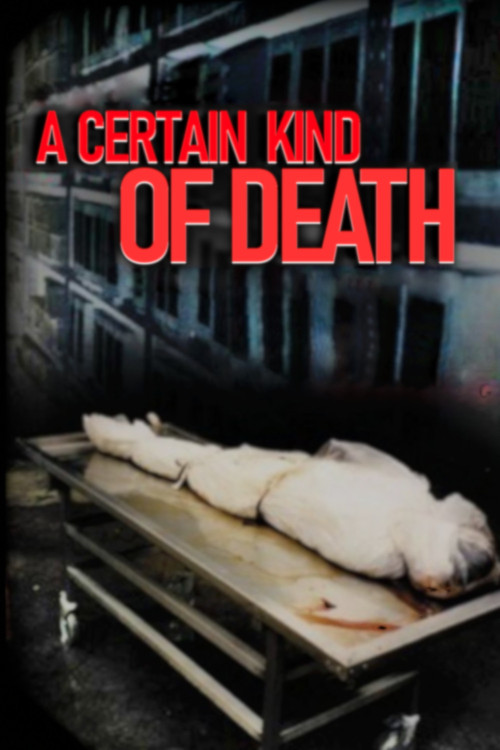
A Certain Kind of Death2003
A documentary about unclaimed bodies in Los Angeles. It has nothing to do with I Live in Fear on the surface, but it shares the film's discomfort with isolation and the question of whether fear of abandonment or invisibility can be its own kind of madness.
But It's a documentary about corpses and grief. The subject matter is deliberately unsettling; there's no escape into narrative.
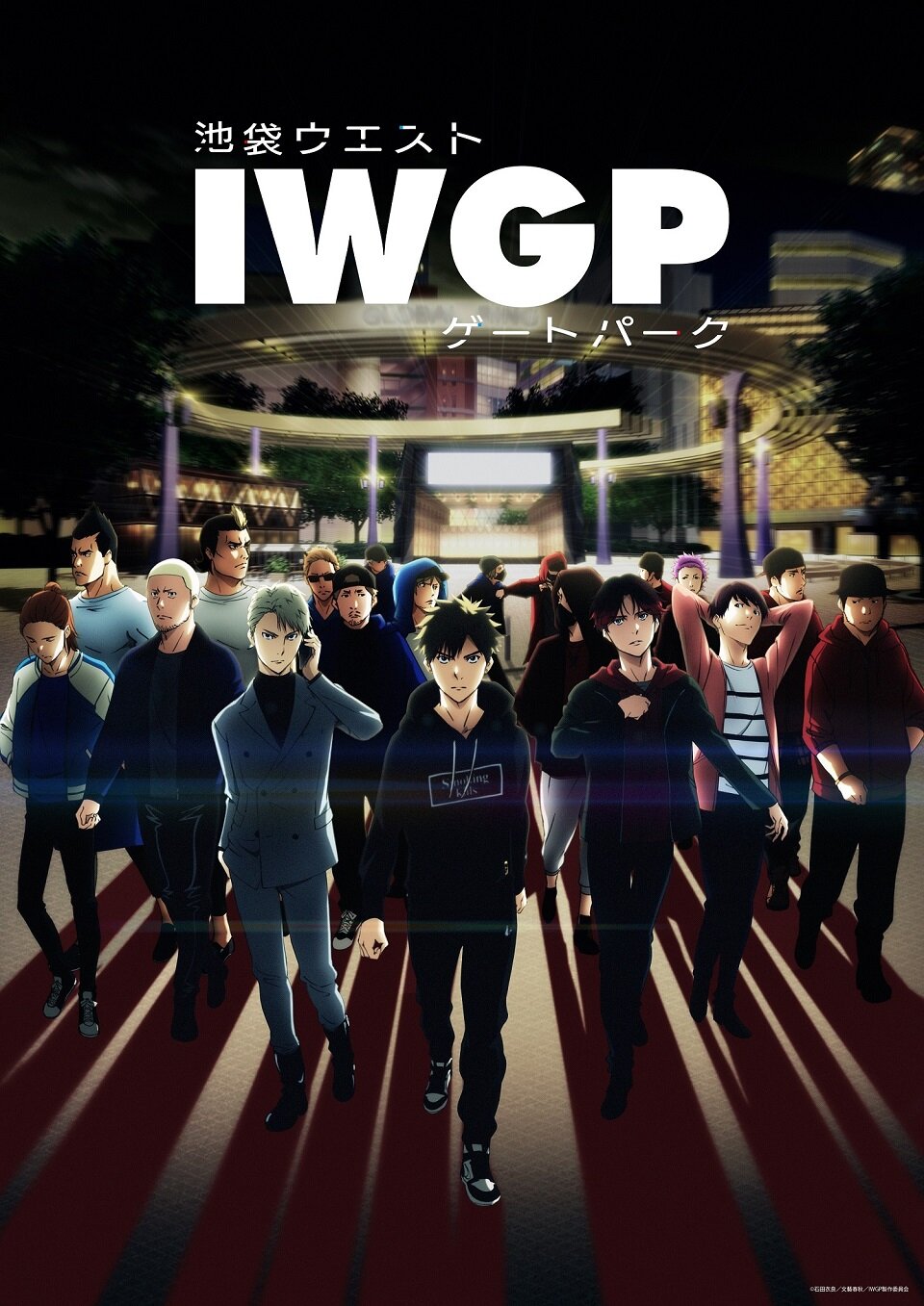
Ikebukuro West Gate Park2020
Both examine Japanese family structures under pressure and ask what happens when fear (rational or otherwise) becomes the thing that breaks the bonds meant to hold us. But where Kurosawa's film is claustrophobic and tragic, this one finds moments of grace.
A Japanese drama about community and fear in a Tokyo neighborhood, structured around micro-mysteries rather than grand plot. It shares I Live in Fear's interest in how Japanese families process crisis and the gap between what's unspeakable and what's unbearable—but it's modern, intimate, and occasionally funny.
But It's a streaming series with the pacing that implies; some eps drag. Subtitled and specific about Tokyo geography and generational politics—requires patience with cultural detail.
Come and See1985
Where I Live in Fear asks if terror of nuclear annihilation is reasonable or pathological, Come and See answers: it depends on whether you've already lived through the thing you're afraid of. Both explore the boundary between rational fear and traumatized obsession, but from opposite sides.
Elem Klimov's Belarusian masterpiece about a boy conscripted into WWII. It's the most brutal honest film about what war actually does to the human mind. I Live in Fear is about the *fear* of apocalypse; this is what apocalypse looks like when it's real. Both ask if sanity survives intact.
But It's genuinely disturbing—not artfully so, but viscerally. One of the hardest films to watch ever made. The trauma is the point, not decoration.

People
Cast
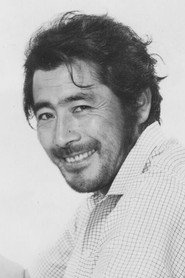 Toshirō MifuneKiichi Nakajima
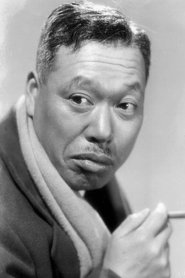 Takashi ShimuraDomestic Court Counselor Dr. Harada
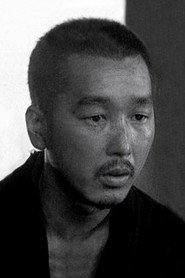 Minoru ChiakiJiro Nakajima
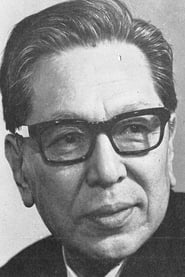 Masao ShimizuYamazaki, Yoshi's husband
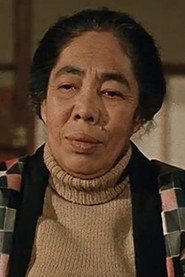 Eiko MiyoshiToyo Nakajima
 Kyoko AoyamaSue Nakajima
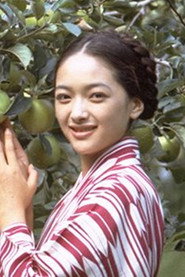 Haruko TōgōYoshi Nakajima
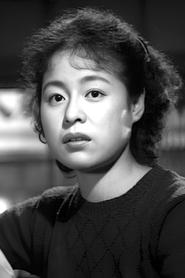 Noriko SengokuKimie Nakajima
 Akemi NegishiAsako Kuribayashi
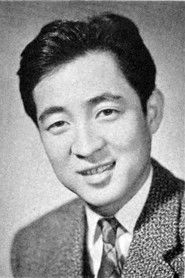 Hiroshi TachikawaRyoichi Sayama
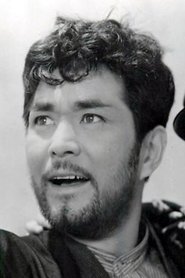 Kichijirō UedaMr. Kuribayashi father
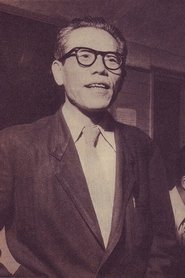 Eijirō TōnoOld man from Brazil
Directing
- Akira KurosawaDirector
Writing
- Akira KurosawaStory
- Fumio HayasakaStory
- Hideo OguniWriter
- Shinobu HashimotoWriter
Production
- Sōjirō MotokiProducer