
Film
The Bad Sleep Well
- Workplace drama
- White-collar crime
- Very dark
Kurosawa's 1960 masterpiece transplants Hamlet into postwar Japanese corporate culture, where an ambitious man infiltrates a zaibatsu to avenge his father's death. It's a tense, methodical thriller about power, corruption, and the cost of vengeance—less interested in soliloquies than in boardroom mechanics and surveillance. For anyone drawn to patient, intelligent revenge narratives with a sociological edge.
Should you watch it?
Watch it if you like slow-burning corporate conspiracies where the rot hides in paperwork and the wit is dry, and a revenge plot that keeps you guessing who is pulling whose strings.
Skip it if you need brisk pacing, since this runs two and a half hours and its patience is deliberate, with long stretches of quiet procedure before the tension tightens.
What it asks of you: Settle in for a long, unhurried sitting, with a sober tone and a plot you must follow closely, since small details in documents and conversations carry weight.
Not sure? Find tonight's pick in a minute.
If you liked this
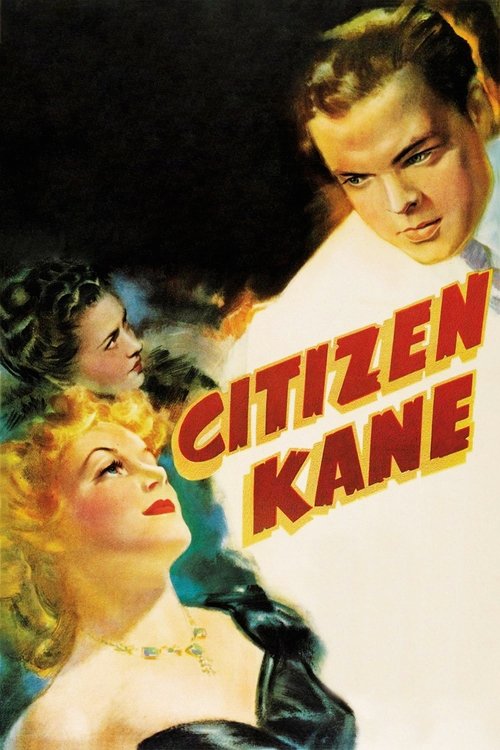
Citizen Kane1941
Both trace power and corruption through the lives of men who accumulate wealth and influence, using innovative narrative structure to expose the rot beneath postwar institutions and personal ambition.
But Kane moves backward through time in a way that can feel fragmented; this demands active attention and rewards it, but some find the non-linear approach frustrating.
In a Lonely Place1950
A noir about a man using charm and position as a weapon while those around him slowly recognize his capacity for violence. Tense, intimate, and deeply pessimistic about human nature and institutional blindness.
But It's quieter and more psychological than you might expect; the thriller elements are understated, and the ending offers no catharsis or justice.

Ikiru1952
Another Kurosawa film about corruption and institutional indifference in postwar Japan, but from the perspective of a dying bureaucrat finding meaning. Shares the same moral clarity and patient observation of how systems crush individuals.
But It's elegiac rather than thrilling—slower still, and the focus on mortality and acceptance may feel far from the revenge plot you're expecting.

Not sure tonight? Get a pick in a minute, starting from The Bad Sleep Well
The wildcard
Something you would not have found on your own.
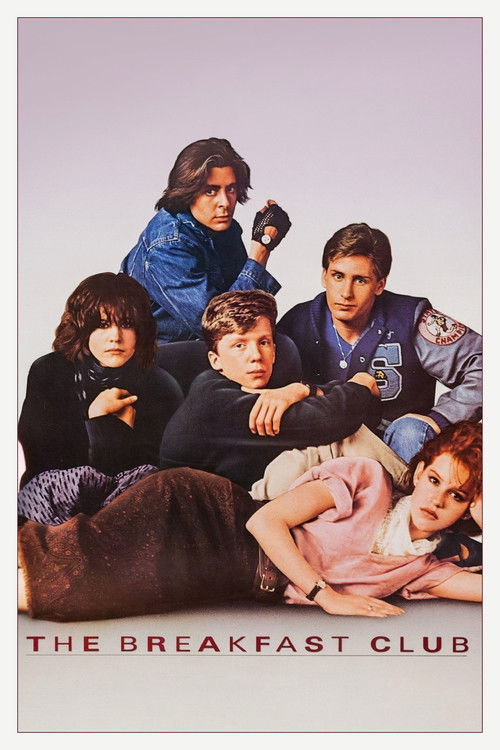
The Breakfast Club1985
Both films use a contained social ritual to interrogate how power works and how institutions protect themselves; the hidden death and its cover-up drive the moral engine of each.
Wait with us: like *Bad Sleep Well*, it's structured around a formal occasion—Saturday detention—where a hidden death and a power imbalance between authority and those being punished become the real subject. Both expose institutional corruption beneath mundane surfaces.
But It's an American teen film, which means it's optimistic and emotional where Kurosawa is cold. The tone is entirely different, and if you're seeking noir atmosphere, this will feel sunlit and naive.
More like this (8)
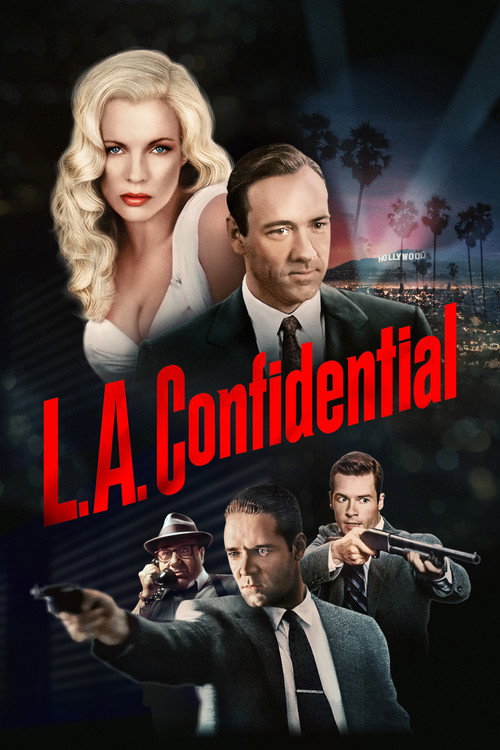
L.A. Confidential1997
Corrupt institutions, ambitious men climbing through deception, and a murder at the heart of it all. Slick, propulsive, and deeply engaged with how power protects itself and punishes those who threaten it.
But It's American and contemporary, which means it trades Kurosawa's restraint for faster pacing and more graphic violence. The moral texture is simpler.
The Godfather Part II1974
Parallel narratives of power consolidation and institutional control, with the same patient observation of how corruption metastasizes through families and hierarchies. Epic in scope but intimate in its attention to betrayal.
But Nearly four hours long and heavily focused on organized crime rather than corporate corruption; the aesthetic and moral universe are operatic where Kurosawa is austere.

Memories of Murder2003
A Korean thriller about institutional failure and the men who try to game the system for justice. Combines procedural detail with deepening moral complexity, all while exposing how power silences truth.
But It's a serial killer film, which means it traffics in genuine violence and suffering. The tone shifts between procedural and tragedy, which some find tonally uneven.

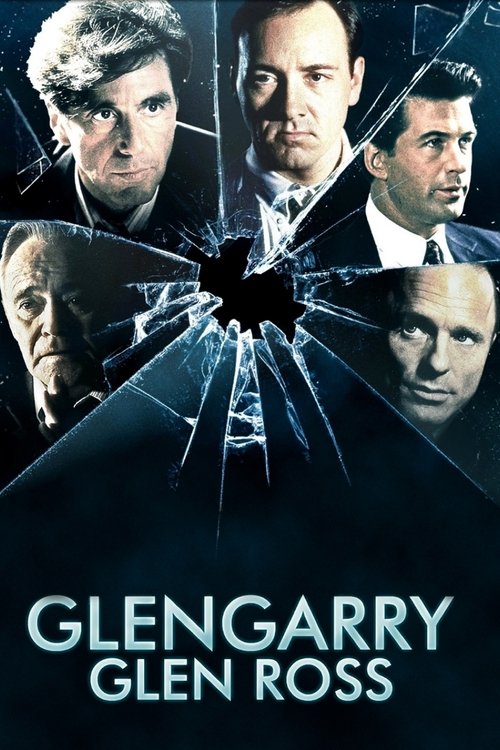
Glengarry Glen Ross1992
A brutally sharp look at men climbing corporate hierarchies through manipulation and moral compromise. The sales pitch as psychological weapon; the office as battlefield where language itself becomes a tool of coercion.
But It's almost entirely dialogue and performance—claustrophobic, loud, and relentlessly masculine in a way that can feel like a pressure chamber rather than narrative momentum.
The Third Man1949
A postwar thriller about moral compromise, institutional rot, and a man pursuing the truth through a corrupt system. Visually inventive, morally complex, and deeply skeptical of authority and friendship.
But It's more atmospheric and romantic than procedural; the plot feels secondary to the mood and the moral questions, which some experience as a lack of drive.

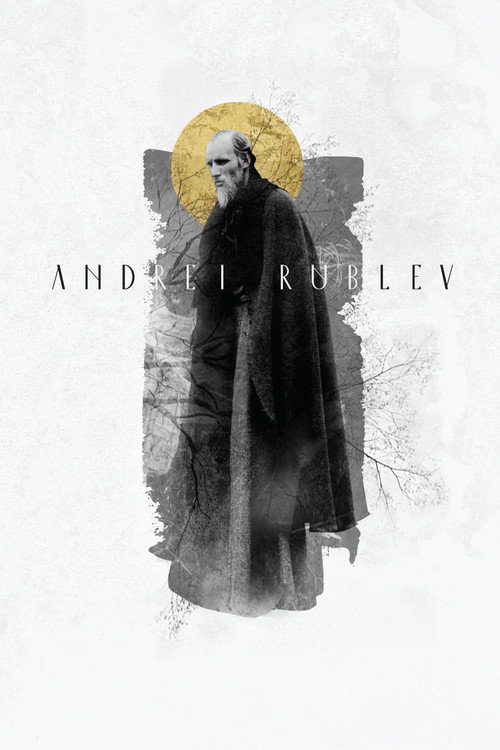
Andrei Rublev1966
Tarkovsky's meditation on art, power, and survival under institutional oppression. Like Kurosawa, it observes how authority crushes individuality and how those who resist pay a terrible price for their integrity.
But It's three hours of slow cinema about a medieval icon painter. If you need plot momentum, this will feel like watching paint dry—albeit the most beautiful paint drying ever filmed.
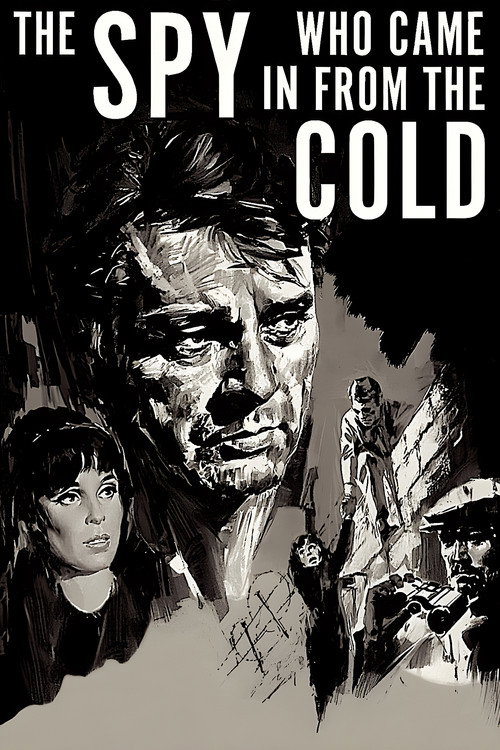
The Spy Who Came In from the Cold1965
Both show ambitious men used and discarded by the institutions they serve; both argue that loyalty to power is always a betrayal of something deeper.
John le Carré adaptation about a man deployed by bureaucracy as a human tool. Shares *Bad Sleep Well*'s pessimism about institutional loyalty, the disposability of individuals to systems, and the moral rot underneath official procedure.
But It's very talk-based and cerebrally paced; the spy thriller template you might know from Bond is inverted here into something dull and exhausting by design, which is the point but still bleak.
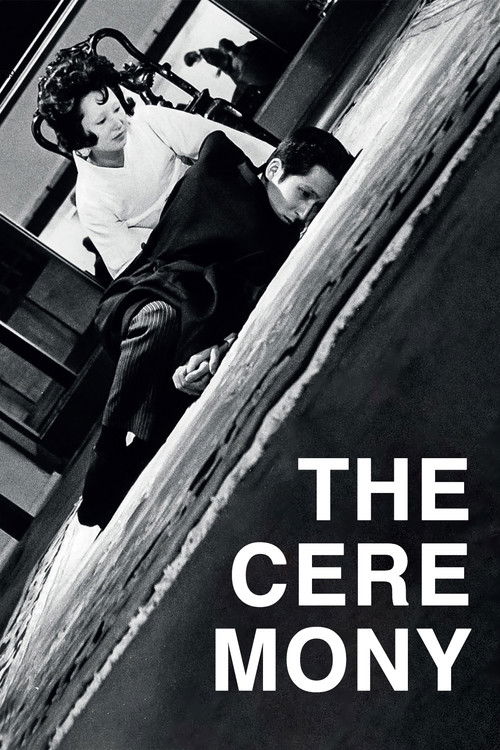
The Ceremony1971
Both films use a wedding reception as the stage where hidden violence and institutional complicity are exposed; both argue that ritual itself can be a weapon of social control.
Oshima's radical film uses a family wedding as the frame for examining postwar Japan's corruption, institutional violence, and generational trauma. Like Kurosawa, it locates moral and political rot in the formal rituals that hold society together.
But It's confrontational, sexually explicit, and formally experimental in ways designed to disturb. It's not trying to entertain you; it's trying to make you uncomfortable about what you're watching and why.
People
Cast
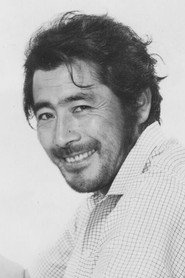 Toshirō MifuneKôichi Nishi
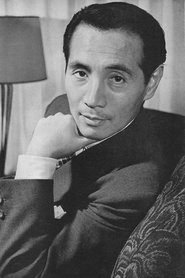 Masayuki MoriPublic Corporation Vice President Iwabuchi
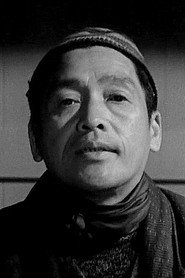 Kamatari FujiwaraAssistant-to-the-Chief Wada
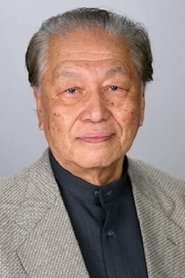 Takeshi KatōItakura
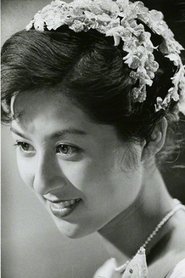 Kyōko KagawaYoshiko Nishi
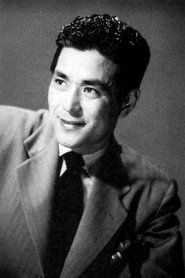 Tatsuya MihashiTatsuo Iwabuchi
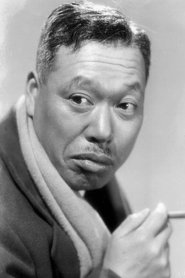 Takashi ShimuraAdministrative Officer Moriyama
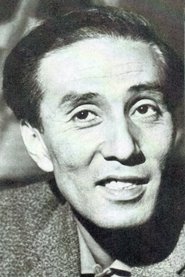 Kō NishimuraContract Officer Shirai
 Kyū SazankaConstruction Company Executive Director Kaneko
- Someshō MatsumotoConstruction Company President Hatano
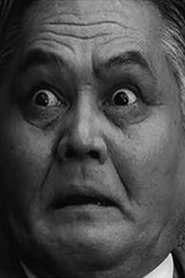 Gen ShimizuManaging Director Miura
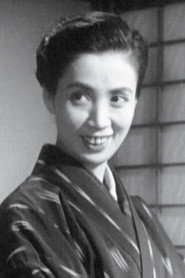 Atsuko IchinomiyaMrs. Ariyama
Directing
- Shirō MoritaniAssistant Director
- Yoshimitsu BannoAssistant Director
- Akira KurosawaDirector
Writing
- William ShakespeareOriginal Story
- Akira KurosawaWriter
- Eijiro HisaitaWriter
- Hideo OguniWriter
- Ryuzo KikushimaWriter
- Shinobu HashimotoWriter
Production
- Akira KurosawaProducer
- Tomoyuki TanakaProducer
Recommended by
The Glass Key, Hamlet, Goyokin, I Live in Fear, Youth of the Beast, The Munekata Sisters, Street Mobster