
Film
Youth of the Beast
A Tokyo yakuza thriller where a cool, detached drifter plays both sides of a turf war for his own advantage. Seiji Suzuki directs with kinetic style—rapid cuts, jazzy sound design, sudden bursts of violence. It's sleek pulp, more interested in mood and maneuver than plot coherence. For anyone who wants their crime stories propulsive and morally murky.
If you liked this
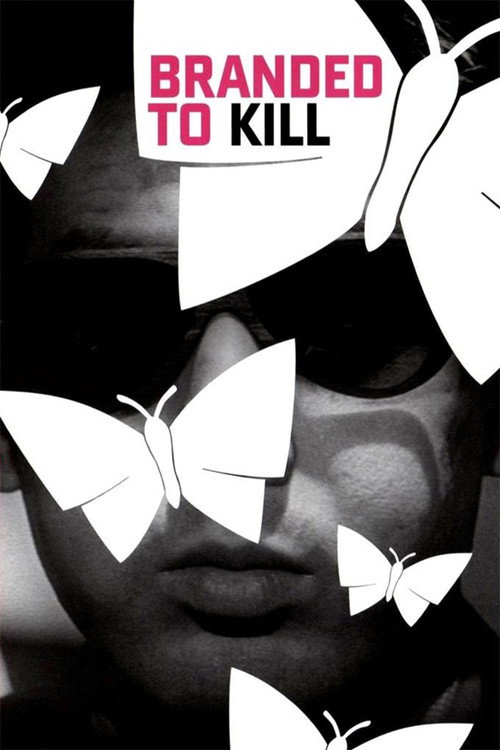
Branded to Kill1967
Another Suzuki masterpiece: a hitman framed for a murder he didn't commit navigates yakuza politics with style, paranoia, and surreal flair. Similar DNA—amoral protagonist, baroque visual language, Tokyo underworld.
But The narrative gets genuinely hard to follow in the final act. Some viewers find the mannered style exhausting rather than exhilarating.
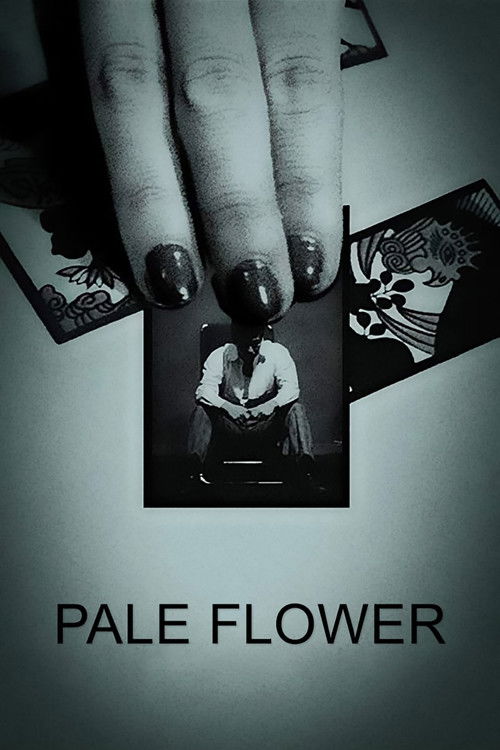
Pale Flower1964
A yakuza and a woman find dark connection through gambling and heroin. Masashige Narusawa's film has the same cool fatalism, the same sense of characters drifting through moral void with style intact.
But Deliberately paced. The plot barely exists; it's an exercise in mood and deterioration. Patience required.
Harakiri1962
Masaki Kobayashi's masterpiece deconstructs samurai honor codes with formal precision and devastating emotional force. Not yakuza, but the moral architecture—ritual, loyalty, systems that crush individuals—resonates deeply.
But A dagger through the heart. Austere, tragic, demanding. This is high art, not entertainment; commit fully or skip it.

Not sure tonight? Get a pick in a minute, starting from Youth of the Beast
The wildcard
Something you would not have found on your own.
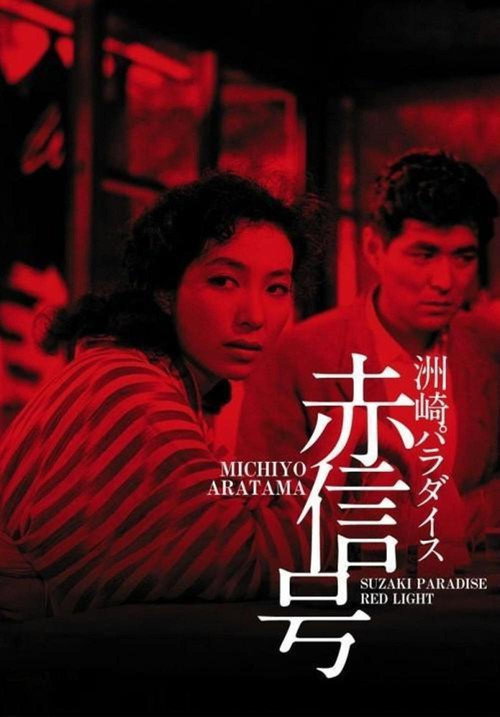
Suzaki Paradise: Red Light District1956
Suzuki's stylistic prototype—the same visual language applied to yakuza material, proving these techniques weren't accident but philosophy.
Seiji Suzuki's own earlier yakuza thriller, less polished but more feverish. Same director; this is where he invented the style that culminates in Youth of the Beast. Watching his evolution is revelatory.
But The print quality is rough. The pacing is even more abstract and digressive than its successor. Requires tolerance for formal experimentation.
More like this (7)
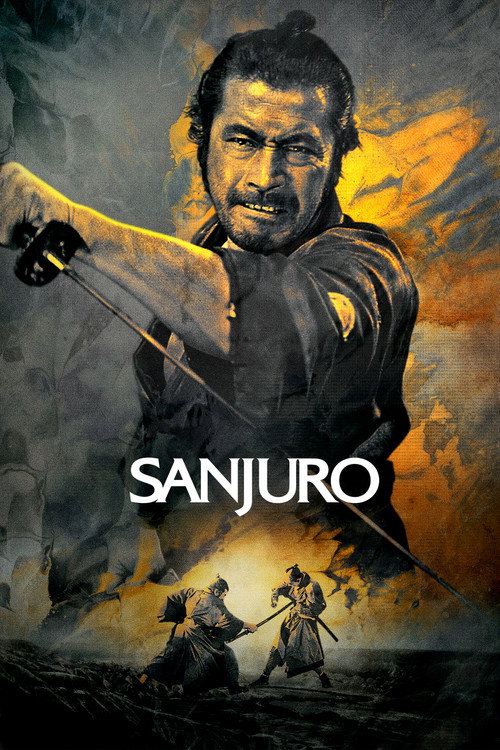
Sanjuro1962
Kurosawa's final samurai film is an action thriller about a group of idealists caught in political machinations. Propulsive, funny, violent—proves Kurosawa could do pulp as well as any director.
But The final image is so shocking some viewers feel it undermines the film. It's divisive, even now.
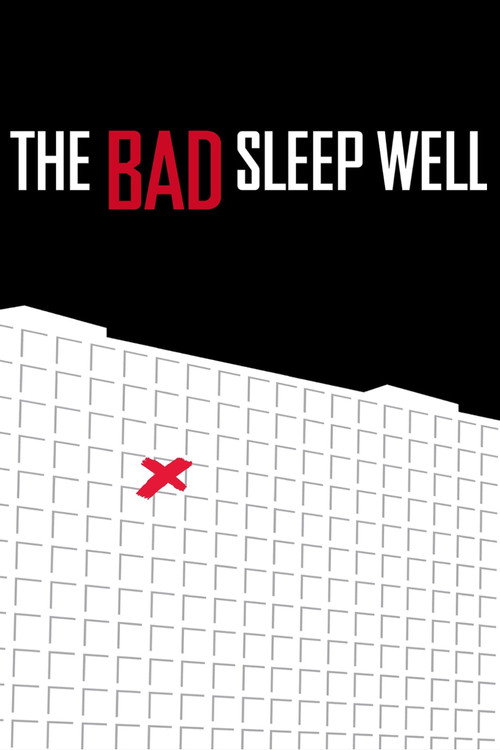
The Bad Sleep Well1960
Kurosawa's corporate corruption thriller: a man infiltrates a corrupt company to destroy it from within. Taut plotting, moral clarity murked by human weakness, stunning use of architecture and shadow.
But Longer than it needs to be. The middle sags, and some will find the moralizing heavy-handed.
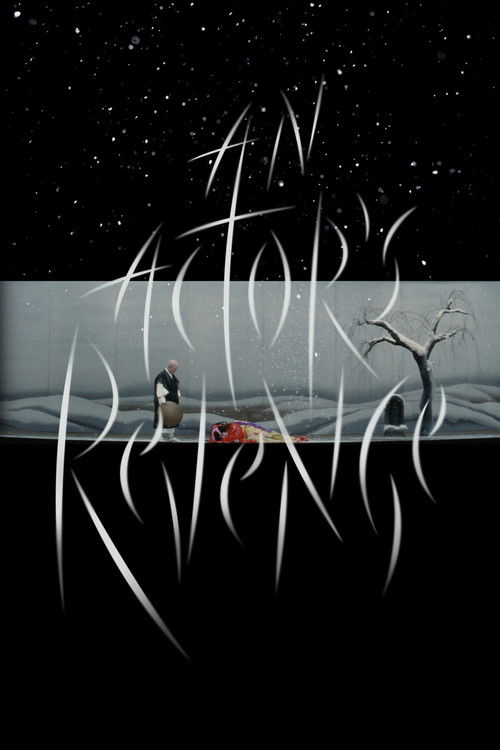
An Actor's Revenge1963
Kon Ichikawa's Kabuki-inflected revenge tale: a female impersonator poses as a courtesan to destroy those who ruined his family. Gorgeous, baroque, a different kind of underworld (Edo theater) with similar codes.
But The theatrical artifice might feel dated or alienating. The plot is deliberately convoluted; following it requires full attention.
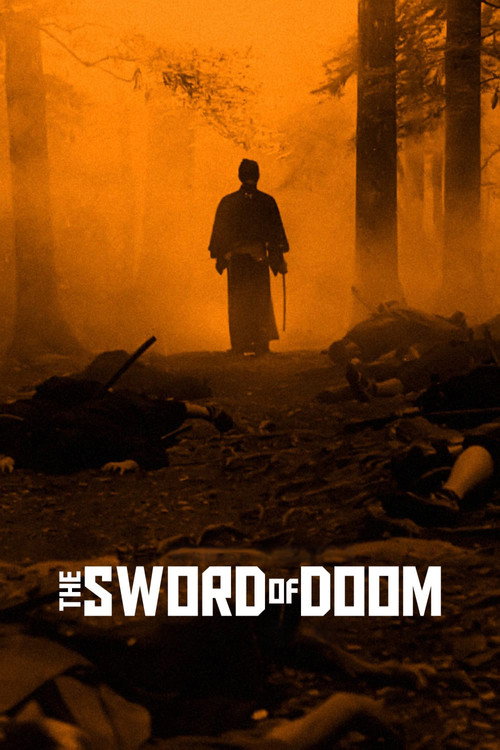
The Sword of Doom1966
Tatsuya Nakadai as an amoral samurai killer in Meiji-era Japan. Bleak, stylish, nihilistic—a spiritual cousin exploring the same void that motivates Jo's drifting through yakuza politics.
But Ends abruptly and philosophically. No catharsis, no resolution. The ambiguity enrages some viewers.
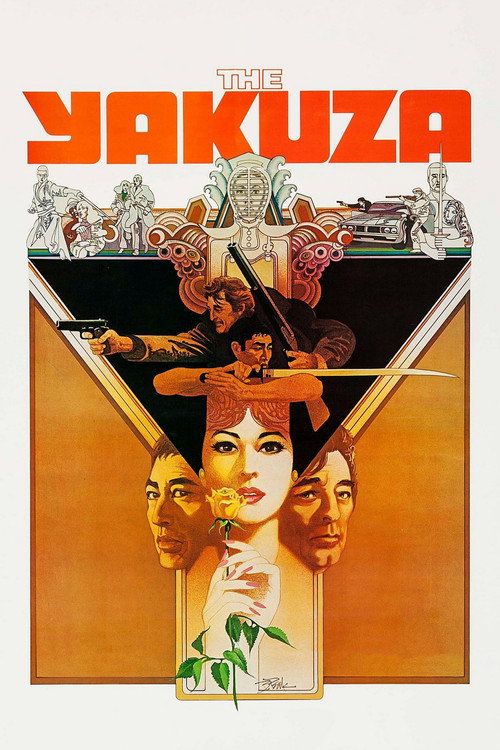
The Yakuza1974
Sidney Lumet's American remake: a retired cop drawn back into yakuza warfare. Less baroque than the originals but tense, well-acted, and respectful to the source material's moral complexity.
But Slows considerably in the second half. Some of the dialogue is stiff. It's a solid thriller, not a masterpiece.
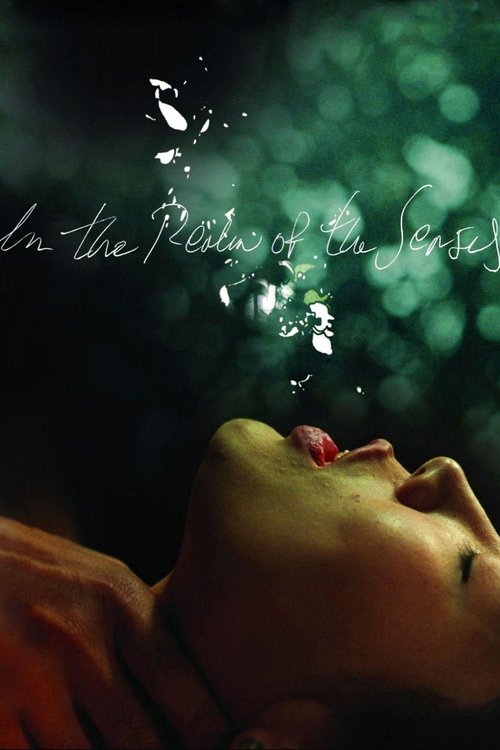
In the Realm of the Senses1976
Both films use repetition, escalation, and the camera's refusal to look away to suggest how fixation—on power, on pleasure—corrodes the self from inside.
Nagisa Oshima's transgressive masterpiece about obsession consuming a man and woman through erotic desire. Made years later, but shares Youth of the Beast's fascination with characters spinning into personal abyss through intensity, and its willingness to let the camera stay unflinching.
But Explicit sexual content. Not provocative for its own sake, but genuinely unsettling in how it marries desire and destruction. Very hard to watch.
A Prophet2009
Same narrative engine—a blank protagonist who reads systems, moves between factions, accumulates power through performance rather than belief. The setting changes; the architecture of amorality stays the same.
Jacques Audiard's prison thriller about a young man manipulating rival factions to survive and rise. Not yakuza, not Tokyo, but identical DNA: protagonist as chess player, moral emptiness as survival strategy, style over sentiment.
But French, modern, 155 minutes. Some find it slow and painterly when they want propulsion. The French prison system is unfamiliar to many viewers.

People
Cast
 Joe ShishidoJôji 'Jo' Mizuno
 Misako WatanabeKumiko Takeshita
 Tamio KawachiHideo Nomoto
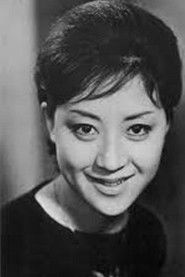 Minako KatsukiSawako Miura
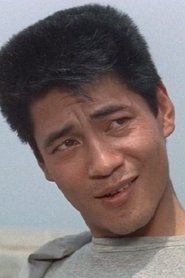 Daizaburo HirataShibata
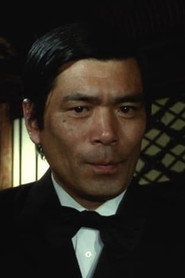 Eimei EsumiGorô Minami
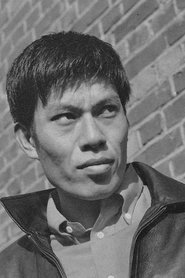 Eiji GōShigeru Takechi
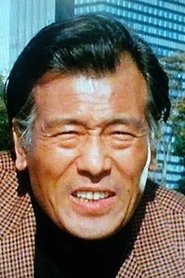 Akiji KobayashiTatsuo Nomoto
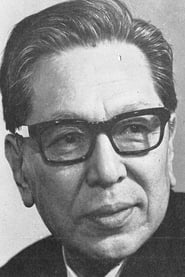 Masao ShimizuYôsuke Ishiyama
 Nobuo KanekoSôichi Ozawa
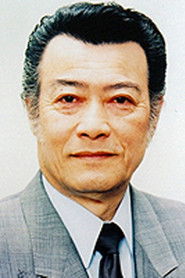 Kōichi UenoyamaMasao Hisano
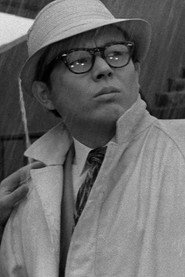 Yuzo KiuraTakeo Minegishi
Directing
- Noboru WatanabeAssistant Director
- Seijun SuzukiDirector
Writing
- Haruhiko OyabuNovel
- Ichirō IkedaWriter
- Tadaaki YamazakiWriter
Production
- Keinosuke KuboProducer
- Yoshio MutôProduction Manager