
Film
Suzaki Paradise: Red Light District
A 1956 Japanese drama set in Tokyo's red-light district, following a desperate young couple scraping by in menial work. Shot with unflinching clarity and quiet compassion, it captures economic precarity and moral compromise without sentimentality. For anyone drawn to neorealist cinema or histories of postwar urban life told from below.
If you liked this
Tokyo Story1953
Ozu's masterpiece about ordinary lives and unspoken feelings, made just three years before this film. The same attention to small gestures, the same faith in silence, the same Japan finding its footing after war.
But Plotless by design. If you need narrative propulsion or dramatic climax, Ozu will test your patience severely.

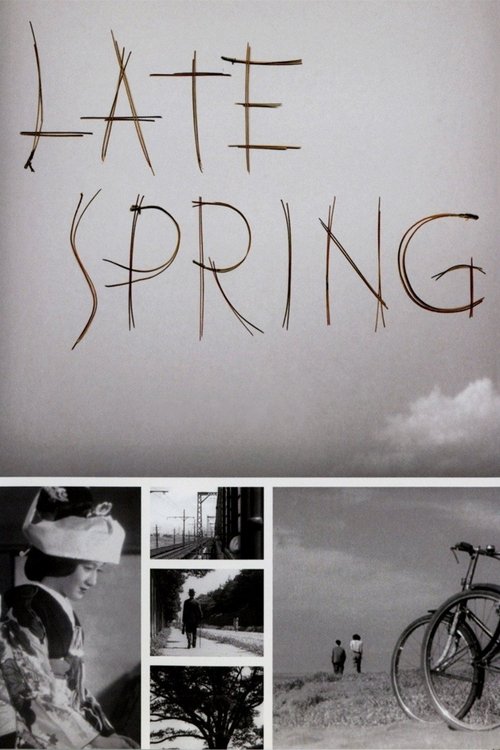
Late Spring1949
Another Ozu, another portrait of Tokyo life, another film about people making do and the quiet sorrows that live alongside daily routine. His visual language is hypnotic once you settle into it.
But Even slower than Tokyo Story. The risk of watching Ozu is becoming conscious of how little actually happens, and either finding that liberating or unbearable.
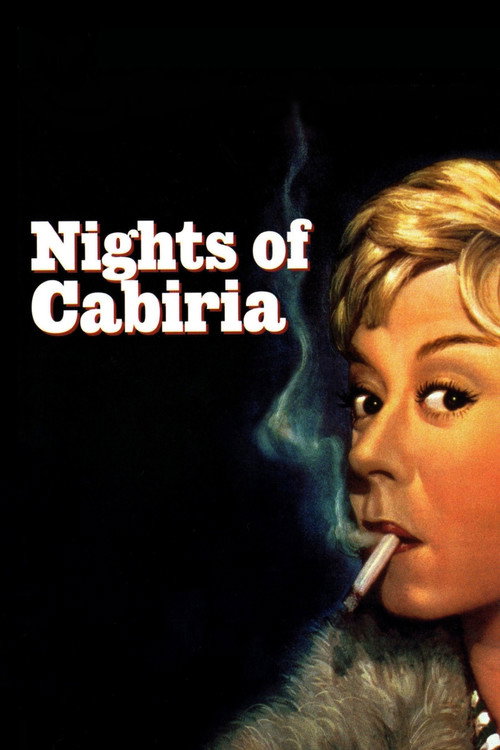
Nights of Cabiria1957
Fellini's portrait of a sex worker in Rome, made the year after Suzaki. Like this film, it refuses to make its protagonist into a victim or a lesson. Dignity lives in small moments and small kindnesses.
But Italian neorealism can feel sentimental to modern eyes. The score occasionally does heavy lifting the images don't need.
Not sure tonight? Get a pick in a minute, starting from Suzaki Paradise: Red Light District
The wildcard
Something you would not have found on your own.
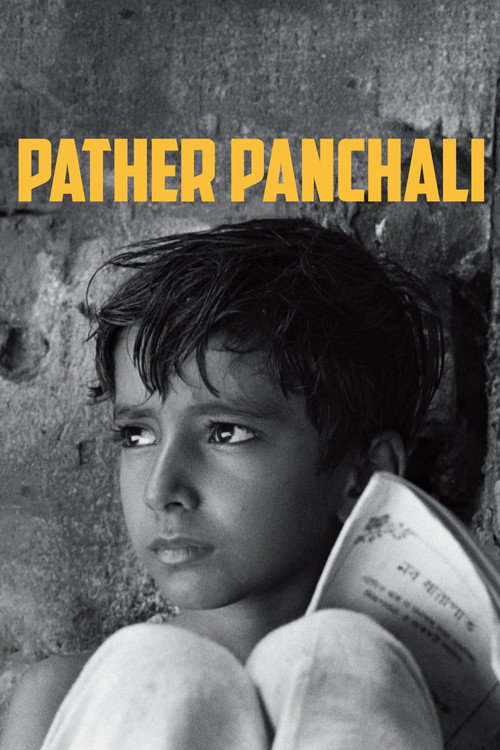
Pather Panchali1955
Two debuts released the same year, both capturing economic precarity in their respective countries with neorealist clarity and without sentimentality. Both trust the audience to find meaning in texture and small gesture.
Ray's Bengali masterpiece, made the same year as Suzaki, documenting rural poverty in India with the same unsentimental eye and faith in human dignity. Both films believe the small moments are the whole story.
But Black and white, three hours, subtitled, plotless by Western standards. The patience it asks for is genuine and non-negotiable.
More like this (7)
In the Mood for Love2000
Wong Kar-wai's film set in 1960s Hong Kong, about two neighbours in cramped quarters. Like Suzaki, it's about lives lived in close proximity, desire simmering beneath routine, the ache of proximity without connection.
But Deliberately artificial and colour-drenched, the opposite of neorealist restraint. If you want gritty authenticity, this isn't it.

Floating Clouds1955
Naruse's tragedy about a couple meeting again after the war, shot in colour, about memory and the ways the past won't release us. Made the year before Suzaki, equally unsentimental about human weakness.
But Genuinely bleak. The film offers no redemption, no easy answers, no moment where things turn around. It's watching someone fail.

The River1951
Renoir filming in India, about a community learning to live together, about the texture of ordinary days. International but in spirit close to this film's quiet attention to how people actually survive.
But The English characters are drawn lightly and the film's perspective is divided. Some find the tonal shifts dilute rather than deepen it.

Bicycle Thieves1948
De Sica's essential neorealist masterpiece about a man and his son searching through Rome for a stolen bicycle. The emotional blueprint for films like Suzaki: ordinary crisis, maximum stakes, no easy answers.
But If you've seen it, you already know. And it casts a shadow that makes every film about poverty that follows seem to live in its wake.

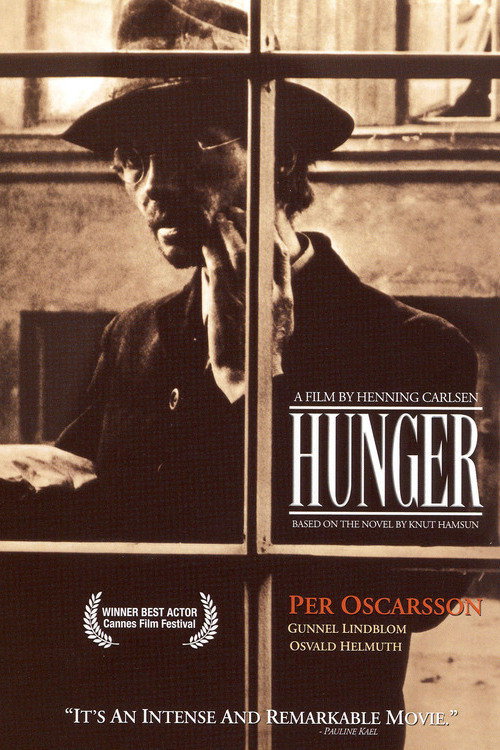
Hunger1966
Henning Carlsen's adaptation of Knut Hamsun, about a writer in Oslo struggling with poverty and madness. Like Suzaki, it watches someone come apart under economic pressure without explaining it away.
But Deliberately fragmented editing, deliberately punishing pacing. The idea is to make watching uncomfortable. Some viewers find that didactic rather than moving.
Woman in the Dunes1964
Both are Japanese films about characters ground down by economic forces, but where Suzaki shows the grind directly, Woman in the Dunes transforms it into existential nightmare. Same pressure, opposite aesthetic register.
Hiroshi Teshigahara's surreal film about a man trapped in a sandpit with a widow, forced into repetitive labour. Formally abstract where Suzaki is concrete, but both explore how economic desperation and social entrapment reshape identity.
But Deliberately strange and metaphorical. If you watch Suzaki for realistic sociology, this will feel pretentious and willfully obscure.

The Battle of Algiers1966
Both films centre characters operating in systems larger than themselves, showing how desperation and ideology force ordinary people into compromises that defy easy judgment. Both insist on complexity.
Pontecorvo's revolutionary film shot like a documentary, about colonialism and resistance. Like Suzaki, it refuses to simplify the moral lives of people in desperate circumstances. Both show survival and compromise as inseparable.
But A political film first, a drama second. If you don't engage with its argument about colonialism and revolution, the emotional material lands thinner.

People
Cast
 Michiyo AratamaTsutae
 Yukiko TodorokiOtoku
 Seizaburō KawazuMr. Ochiai
 Tatsuya MihashiYoshiji
 Izumi AshikawaTamako
- Shinsuke MakiNobuo
- Noriko KatsuraWoman Applying for Housemaid
 Fudeko TanakaProstitute of a Certain Age
 Kenjiro UemuraDenshichi
 Kyōzō FuyukiSoba Shop Owner
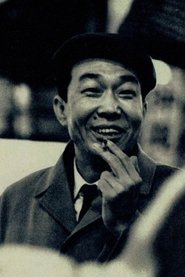 Shoichi OzawaSankichi
 Zenji YamadaMan Looks Like Carpenter
Directing
- Shōhei ImamuraAssistant Director
- Yūzō KawashimaDirector
Writing
- Yoshiko ShibakiOriginal Story
- Nobuyoshi TeradaScreenplay
- Toshiro IdeScreenplay
Production
- Hiroyoshi HayashimotoExecutive In Charge Of Production
- Shizuo SakagamiProducer