
Film
Floating Clouds
Mikio Naruse's masterpiece follows a woman and man bound by a wartime promise that destroys them both. Shot in luminous colour, it's a portrait of quiet desperation—how we rationalize our betrayals, how we cling to hope against all evidence. Essential cinema for anyone who understands that love and ruin are sometimes the same thing.
Should you watch it?
Watch it if you love slow-burning romances where the ache comes from small compromises and weary, unspoken regret, the way Mikio Naruse's quieter films let feeling pool in the spaces between people.
Skip it if you want romance that moves briskly or resolves cleanly, since this one lingers on its lovers' hesitations and stretches across two hours and three minutes of mostly quiet, sorrowful exchanges.
What it asks of you: Settle in for a long, patient watch with little melodrama on the surface; its emotional weight builds gradually and asks you to sit with disappointment rather than be swept along.
Not sure? Find tonight's pick in a minute.
If you liked this
In the Mood for Love2000
Wong Kar-wai's hypnotic meditation on desire and restraint. Two neighbours discover their spouses are having an affair and fall into an aching affair themselves. Drenched in primary colours and cigarette smoke, it captures the fever of illicit love.
But Deliberately paced to the point of stasis. If you want plot momentum or answers, you'll be frustrated. Some find it achingly slow rather than achingly beautiful.

Tokyo Story1953
Ozu's most accessible film, which is still very Ozu. An elderly couple visit their children in Tokyo; nothing happens and everything happens. You'll understand why Japanese cinema shifted something fundamental in world cinema.
But The rhythm is meditative bordering on glacial. There's no conventional drama. Patience is a requirement, not optional.

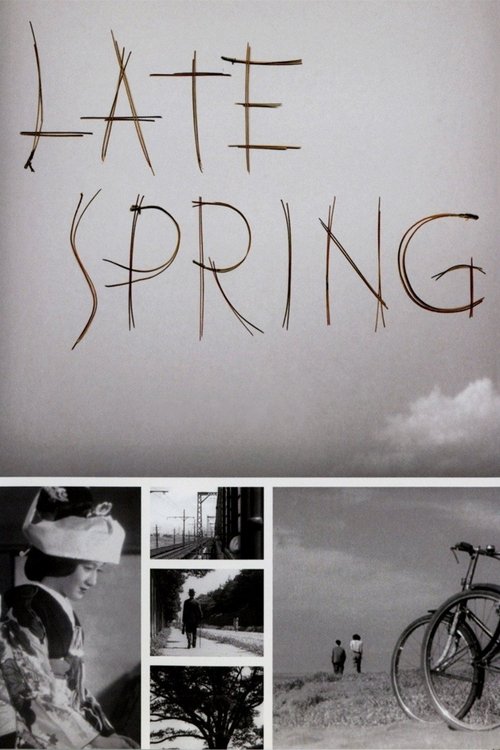
Late Spring1949
Ozu again, but this one hums with buried melancholy. A widowed father gently deceives his daughter into marriage so he can finally live alone. It's about love expressed through lies, told with devastating restraint.
But Almost nothing happens. If you need external conflict or raised voices to feel engaged, this will feel like watching paint dry.
Not sure tonight? Get a pick in a minute, starting from Floating Clouds
The wildcard
Something you would not have found on your own.
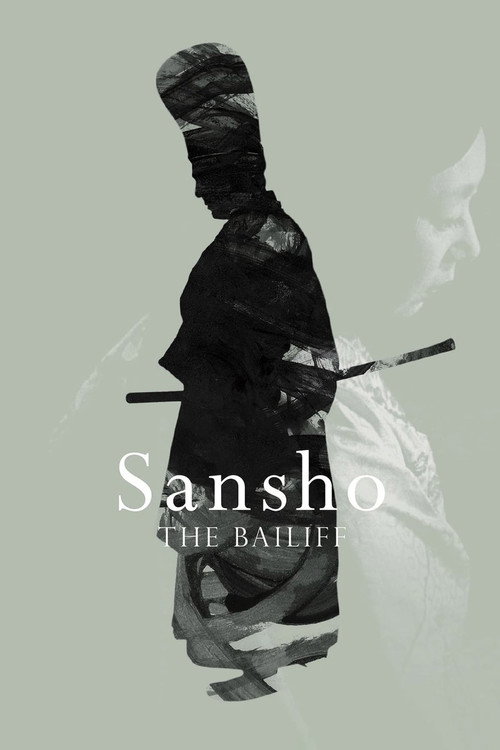
Sansho the Bailiff1954
Both are Japanese films from the 1950s about characters destroyed by promises they can't keep, with formal mastery that never sentimentalizes suffering.
Mizoguchi's masterpiece about a family torn apart by greed and servitude in medieval Japan. Formally flawless and morally pitiless. It shares Floating Clouds' belief that fate and circumstance can destroy love without redemption.
But It's bleak to the point of nihilism. The ending offers no comfort, no meaning, just the weight of what we've lost. That severity will devastate some viewers and exhaust others.
More like this (8)
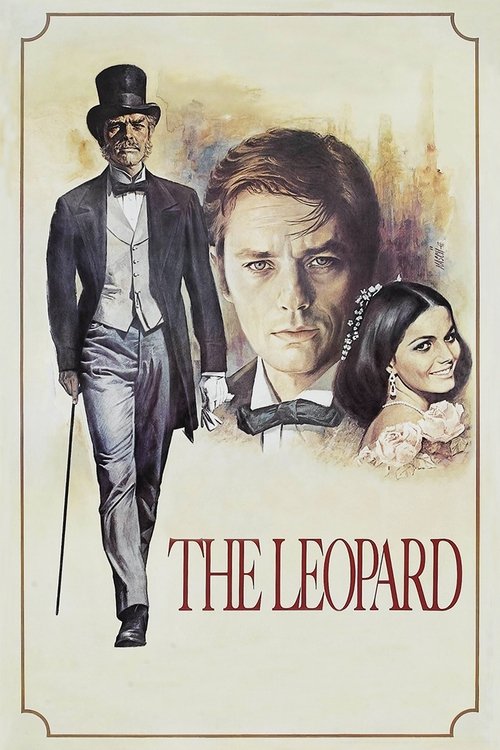
The Leopard1963
Visconti's sweeping romance of decline. A Sicilian prince watches his world collapse and falls for a younger woman, knowing it can't last. Sumptuous, doomed, and achingly aware of its own beauty.
But Three hours of Italian melodrama in 1960s Technicolor. Some find it overwrought; it demands you surrender to its romanticism completely.
A Woman's Life2016
Chen Kaige's Chinese film about a woman whose life is ruined by an unworthy man she loves. Quietly devastating, gorgeously shot, and morally clearer than Floating Clouds—which somehow makes it hurt more.
But It's relentlessly bleak. No redemption, no second chances, no comfort. The ending is as cold as the one in Naruse's film, but without the ambiguity.

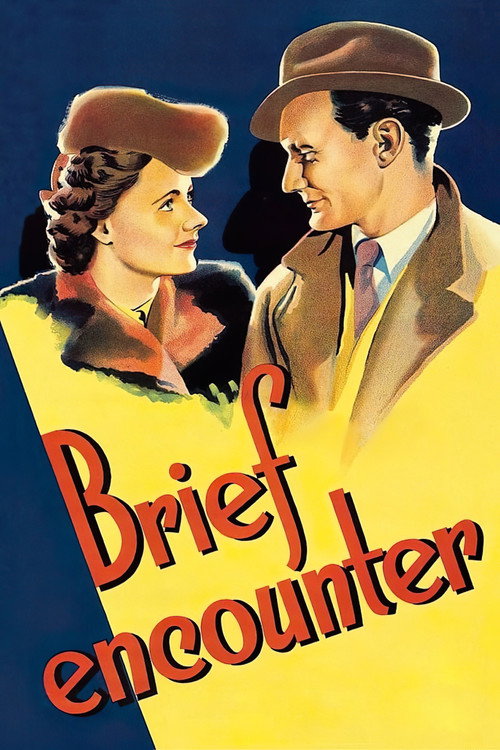
Brief Encounter1945
Lean and Coward's English heartbreak. Two married strangers fall into a brief, impossible affair that lingers forever. The emotional architecture is perfect: how passion blooms in small moments and destroys quietly.
But British restraint means feelings are expressed through glances and silences. If you prefer directness, the understatement will feel evasive rather than moving.
Hiroshima Mon Amour1959
Resnais and Duras's fever dream. A French actress and Japanese architect have a brief affair in Hiroshima; memory and forgetting become the real subject. Experimental, beautiful, and heartbreaking in unexpected ways.
But It's deliberately fragmented and non-linear. Narrative clarity takes a back seat to mood and association. Some will find it pretentious; it requires active engagement.
The Remains of the Day1993
Stevens's butler has wasted his life in service and unrequited love. A film about what we don't say, what we sacrifice, and the terrible clarity that comes too late. Quiet devastation in English tweed.
But The emotional payoff is muted. There's no grand confrontation or passionate declaration. If you need explicit emotion, the repression will feel cold.

An Autumn Afternoon1962
Ozu's final film. An aging widower arranges his daughter's marriage and is left alone as he wanted. It's about the terrible truth that we get what we wish for. Achingly tender and unbearably sad.
But It's Ozu at his most austere. Minimal plot, static camera, long silences. If you haven't seen his other work, this might feel like nothing is happening.
The Past2013
Both anatomize how a past affair—and the lies that surrounded it—poisons everything that comes after. Both insist that time doesn't heal these wounds, it just changes their shape.
Asghar Farhadi's Iranian film about a man returning from exile to find his ex-wife entangled with a new partner and his angry stepchildren. A masterclass in how old loves haunt new relationships, told with surgical precision.
But It's contemporary and realist rather than lyrical. If you want Floating Clouds' visual beauty, this is deliberately plain and mundane. It's also very long and emotionally exhausting.
Chungking Express1994
Both films use visual technique—Naruse's precise compositions versus Wong's frenetic editing—to create distance between the audience and characters' emotional cores. Both insist love is most powerful when it's incomplete.
Wong Kar-wai's second film about two cop protagonists who barely cross paths, each nursing a separate heartbreak in neon-soaked Hong Kong. A love story told sideways, through what's not said and what's barely glimpsed.
But It's fragmented and dizzying. Rapid cuts, superimpositions, and a deliberately shallow emotional register. It's beautiful but cold, which some will find exhilarating and others alienating.

People
Cast
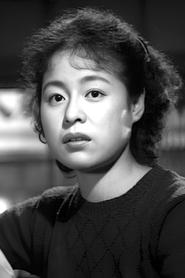
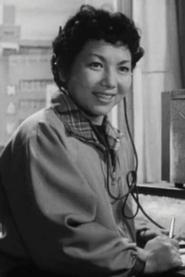
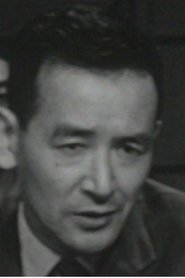
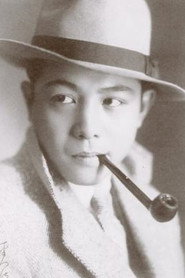
 Hideko TakamineYukiko Koda
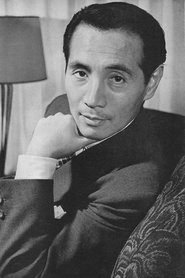 Masayuki MoriKengo Tomioka
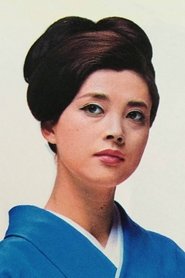 Mariko OkadaSei Mukai
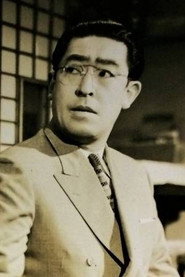 Isao YamagataSugio Iba
 Chieko NakakitaKuniko Tomioka
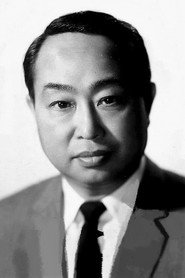 Daisuke KatōSeikichi Mukai

Directing
- Kihachi OkamotoAssistant Director
- Mikio NaruseDirector
Writing
- Fumiko HayashiNovel
- Yōko MizukiScreenplay
Production
- Sanezumi FujimotoProducer
- Ryōichi ItayaProduction Manager
Recommended by
When a Woman Ascends the Stairs, Good Morning, Yi Yi, Pigs and Battleships, The Barbarian and the Geisha, Chikamatsu Monogatari, A Taxing Woman, An Actor's Revenge, The Flavor of Green Tea Over Rice, The Apostate, Tokyo Chorus, The Munekata Sisters, The Sea Is Watching, Nine Lives, Boat People, Thou Shalt Not Kill, The Lower Depths, The Awakening, Suzaki Paradise: Red Light District, Odd Obsession, Sound of the Mountain, What Did the Lady Forget?