
Film
Sound of the Mountain
Ozu's 1954 masterpiece explores the quiet devastation of desire and fidelity through a family unit coming undone. A young wife finds unexpected emotional intimacy with her distant father-in-law while her husband openly pursues another woman. It's achingly tender, visually austere, and concerned with the small gestures we make to survive disappointment. Ozu's camera watches without judgment.
If you liked this
Tokyo Story1953
Ozu's immediate predecessor, equally masterful at finding profound emotion in domestic rituals. A husband and wife visit their son's family in Tokyo, and everything meaningful happens in the spaces between words.
But Minimal plot, deliberate pacing, and a visual style that prizes composition over movement might feel static if you're expecting conventional drama.

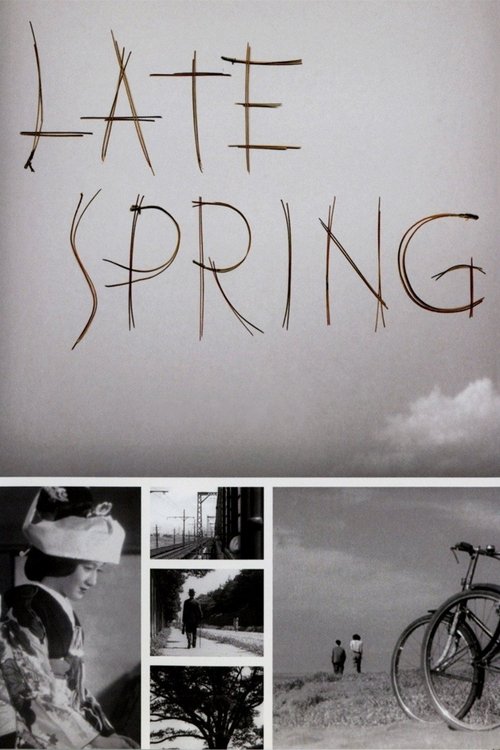
Late Spring1949
Ozu at his finest, exploring the unspoken bond between widowed father and unmarried daughter. It's about the life we live versus the life we imagine, rendered with devastating subtlety and restraint.
But The emotional payoff is oblique and comes entirely from careful observation. You have to meet the film halfway to feel it at all.
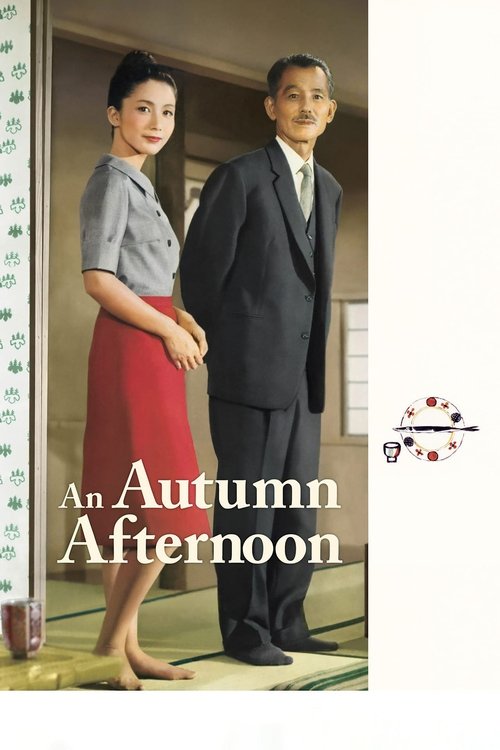
An Autumn Afternoon1962
Ozu's final film, another meditation on aging, acceptance, and the strange comfort of routine. A retired man encourages his daughter's marriage while confronting his own solitude. It's a profound farewell work.
But If you need a film to do something—a plot to move forward, a question to be answered—Ozu will frustrate you. He prefers to watch and wait.
Not sure tonight? Get a pick in a minute, starting from Sound of the Mountain
The wildcard
Something you would not have found on your own.
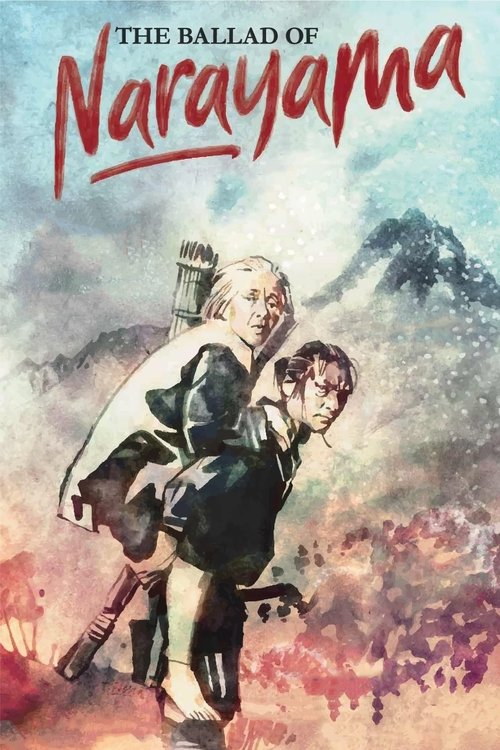
The Ballad of Narayama1983
Both films locate moral seriousness in the unspoken obligations between generations, and both understand that love and duty are not opposites but entangled.
Shohei Imamasu's devastating film about aging, mortality, and obligation in a mountain village. It shares Sound of the Mountain's preoccupation with what we owe the generation before us, but transmutes it into ritualistic, almost mythic tragedy. The visual language is completely different—expressionistic, gorgeously composed, almost unbearably sad—but the emotional architecture is kin.
But It's graphic about death and hardship in ways that Ozu never was. The cruelty is explicit rather than implicit, and the film does not offer the comfort of routine or small kindnesses.
More like this (8)
Ikiru1952
Kurosawa's portrait of a dying bureaucrat who finally discovers meaning. Like Ozu, it finds spirituality in ordinary life, but with more overt emotional catharsis. A different approach to the same philosophical ground.
But It's heavier and more overtly tragic than Sound of the Mountain. The weight of its theme can feel didactic if you're sensitive to that sort of thing.

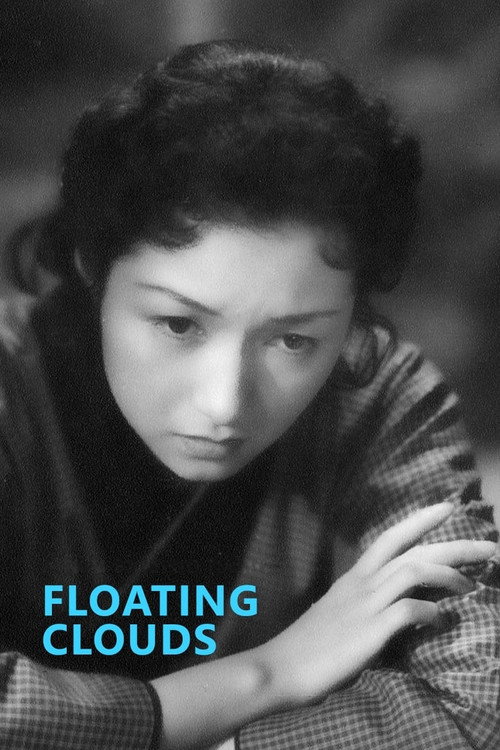
Floating Clouds1955
Naruse's female-centered tragedy about a woman caught between two men across two continents. Similar emotional landscape to Ozu but sharper, more bitter. Gorgeous cinematography and a haunting performance.
But The romantic geometry is more conventional than what Ozu does. It feels more like melodrama, even when it's executed with real artistry.
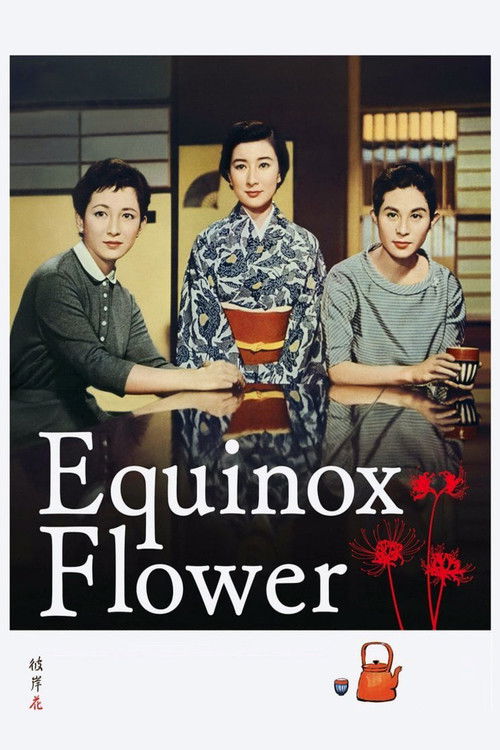
Equinox Flower1958
Ozu's first colour film, a gentler work about a father learning to accept his daughter's choices. The colour adds warmth to his usual austerity without changing his philosophical core.
But It's more overtly comedic than Sound of the Mountain, and the moral concerns are less complex. A good entry point, but slighter than his very best work.
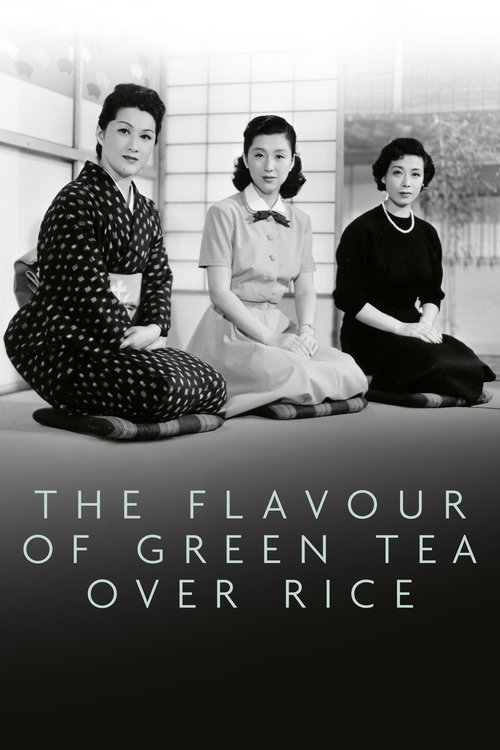
The Flavor of Green Tea Over Rice1952
Ozu examining a different kind of marriage—one that's lasted decades and run cold. A husband and wife must learn each other again. Tender without being sentimental, witty without being unkind.
But The plot is truly minimal: two people eat tea over rice and remember why they married. That's genuinely all that happens, and it either moves you or leaves you cold.
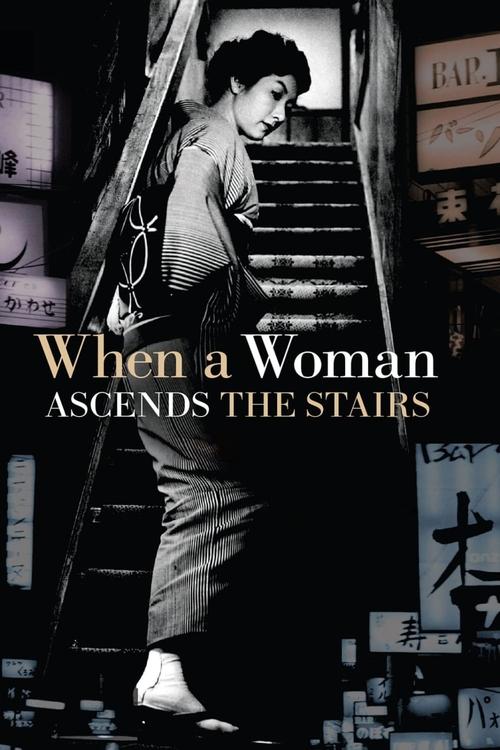
When a Woman Ascends the Stairs1960
Naruse's Setsuko Hara (the star of Sound of the Mountain) as a bar hostess navigating desire, economics, and the men around her. It has Ozu's sensibility but sharper edges and darker implications.
But It's bleaker and less forgiving than Sound of the Mountain. The world it portrays is constrained in ways that might feel suffocating or depressing rather than quietly wise.
Woman of Tokyo1933
An early, proto-Ozu film about a young woman supporting her family through morally questionable work. It shares his concern with female endurance and the daily rituals of survival, but with an earlier, rawer energy.
But The filmmaking style is from another era entirely—much more theatrical and less refined than Ozu's mature work. It requires a taste for cinema history as cinema history.
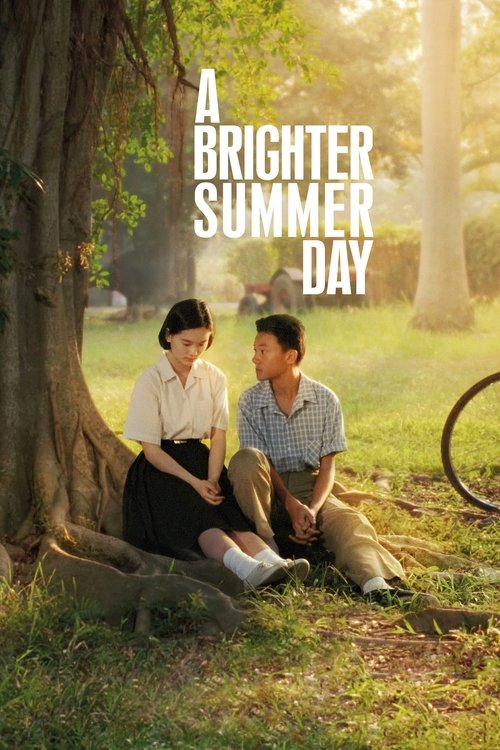
A Brighter Summer Day1991
Both films understand that desire is complicated by circumstance and propriety, and that the most important moments are often silent. Both prefer observation to explanation.
Edward Yang's four-hour epic about adolescence, desire, and the surveillance state in 1960s Taiwan. It has nothing to do with elderly Japanese families and everything to do with Sound of the Mountain's fundamental concern: how we navigate between what we want and what the world permits us. Achingly beautiful and intellectually rigorous.
But Four hours of sometimes-static camera, Mandarin dialogue, and historical detail about Taiwan's martial law. No plot momentum at all. Only watch if you're willing to sit with a film like an Ozu film—to let it observe rather than to be entertained.
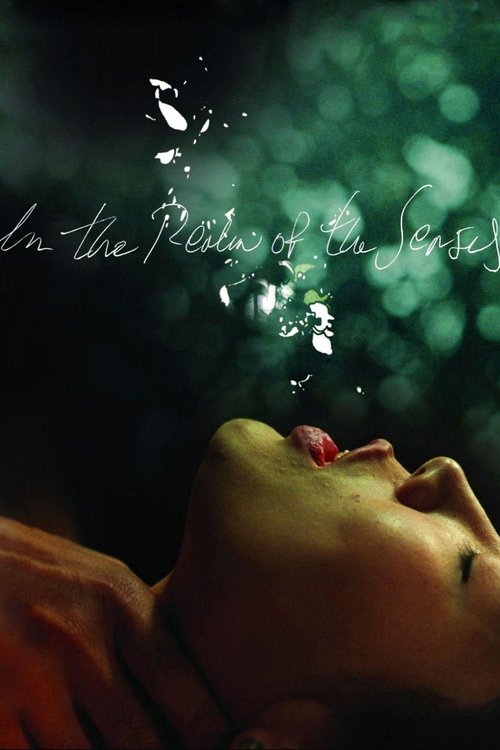
In the Realm of the Senses1976
Both films believe that bodies and gestures contain the whole truth of human connection, and that cinema should watch them closely without judgment.
Nagisa Oshima's explicit, transgressive film about erotic obsession and the body. It sounds like the opposite of Ozu, but both are concerned with how the body expresses what cannot be said. Where Ozu finds meaning in restraint, Oshima finds it in escalation—but both are after the same truth: that the physical world contains our deepest selves.
But It's extremely graphic sexually, and the relationship depicted is abusive and mutually destructive. It's art, not exploitation, but the distinction won't comfort you if violence disgusts you.
People
Cast
 Setsuko HaraOgata Kikuko
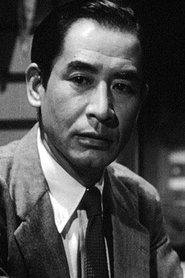 So YamamuraOgata Shingo
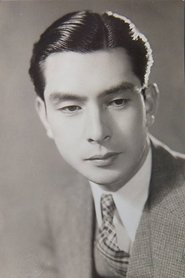 Ken UeharaOtto, Shuuichi
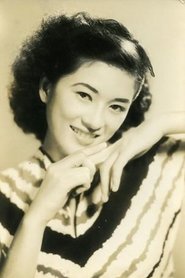 Yōko SugiTanizaki Hideko
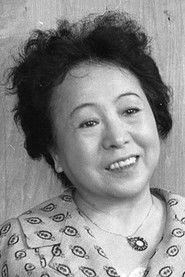 Teruko NagaokaTsuma, Yasuko
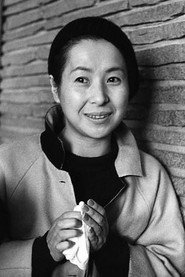 Yatsuko Tan'amiIkeda
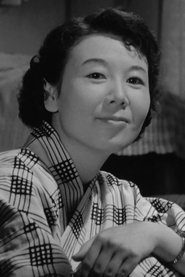 Chieko NakakitaAihara Fusako
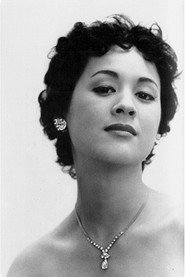 Rieko SumiKinuko
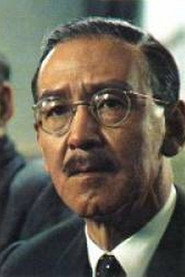 Hisao ToakeShingo no yuujin

Directing
- Masanori KakeiAssistant Director
- Mikio NaruseDirector
Writing
- Yōko MizukiAdaptation
- Yasunari KawabataNovel
- Yōko MizukiScreenplay
Production
- Sanezumi FujimotoProducer
- Kazuo BabaUnit Manager