
Film
Woman of Tokyo
- Social drama
- Very dark
A 1933 Japanese silent drama about a sister sacrificing everything—her body, her dignity, her future—to send her brother to university. Shot with aching restraint, it's a film about complicity and survival, about the lies families tell themselves. Ozu's camera watches without judgment as poverty calcifies into moral compromise.
Should you watch it?
Watch it if you like slow, observant studies of ordinary family pressure, where the drama lives in glances, small talk and money worries, and you want a clear-eyed portrait of 1930s Tokyo.
Skip it if you want lush visuals or a plot that keeps building; at forty-seven minutes it is spare, and its quiet, observational pace can feel thin if you need a lot happening.
What it asks of you: Under fifty minutes, it moves at a patient, unhurried clip, lingering on ordinary routine and faces, so you read mood more than wait for big scenes.
Not sure? Find tonight's pick in a minute.
If you liked this
Tokyo Story1953
Ozu's masterpiece of ordinary life and family obligation. Shows how his visual language evolved, but carries the same quiet devastation about what we owe each other and what it costs.
But Slower than a glacier. If you need plot momentum or dramatic music cues, this will feel like watching paint dry.

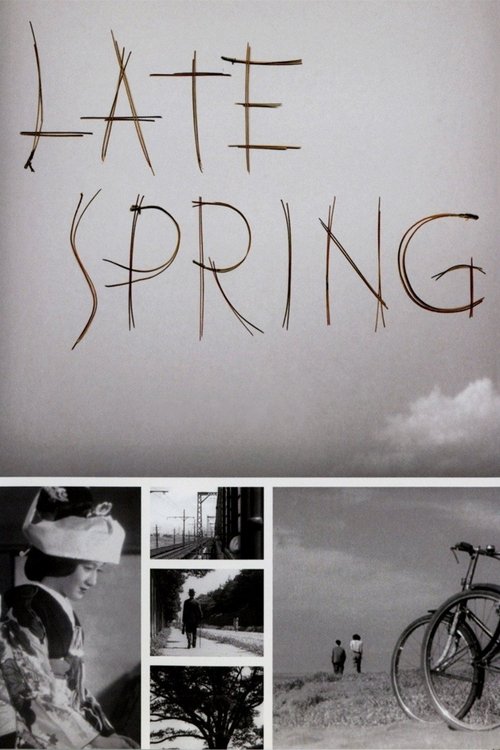
Late Spring1949
Another Ozu meditation on familial duty, this time a father and daughter. Quieter than Woman of Tokyo, more philosophical, but haunted by the same question: what do we owe each other?
But Requires patience with long takes and minimal plot. The emotional payoff is tiny and internal—you have to do the work.
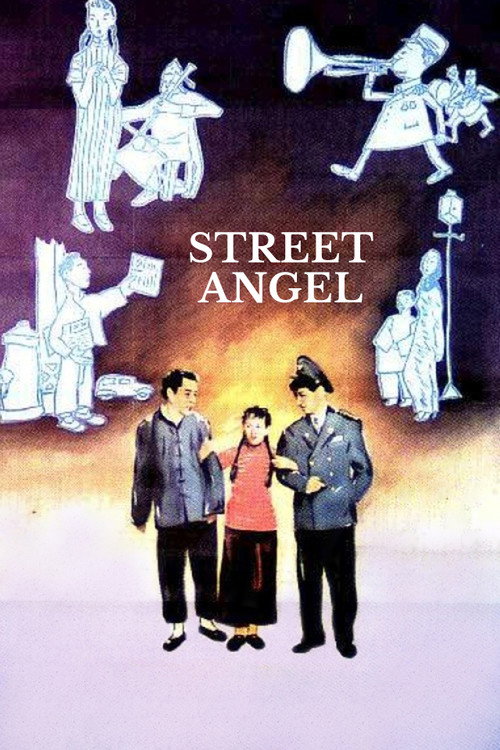
Street Angel1937
Chinese silent drama about poverty, prostitution, and survival in Shanghai. Similar setting, similar desperation, similarly unsparing in its eye. A true peer to Ozu's vision.
But Even harder to find than Woman of Tokyo. When you do, the print quality can be rough and the pacing feels very much of its era.
Not sure tonight? Get a pick in a minute, starting from Woman of Tokyo
The wildcard
Something you would not have found on your own.
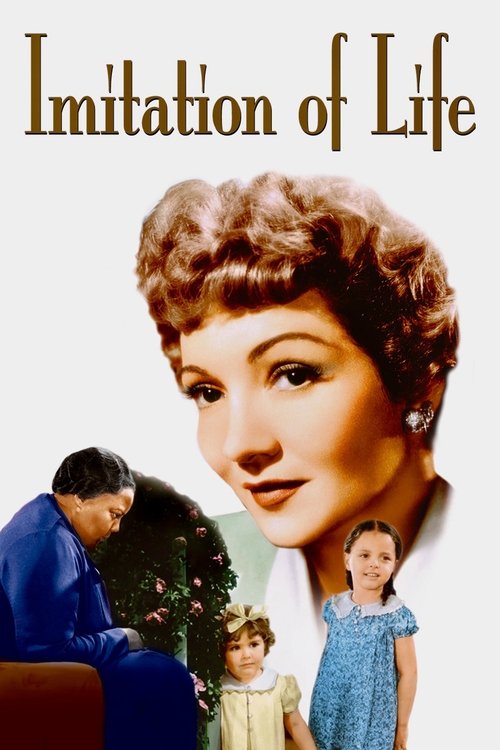
Imitation of Life1934
Both are about the moral catastrophe of a family member's advancement built on another's suffering, and both refuse easy absolution for the person being sacrificed.
American melodrama about a Black woman raising her light-skinned daughter, sacrifice, and the lies families construct. Completely different culture and genre register—glossy, emotional, operatic—but built on the exact same engine: a woman's self-erasure funding someone else's future.
But The racial politics are of 1934. Watching it requires holding discomfort and empathy at the same time, which is necessary but not easy.
More like this (7)
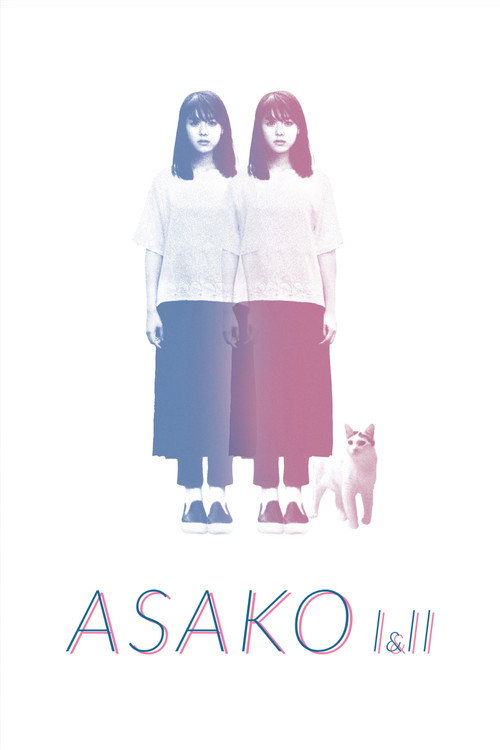
Asako I & II2018
Modern Japanese film about a woman and the man she loves, separated by time and circumstance. Understated, melancholic, concerned with how love becomes obligation and obligation becomes the shape of your life.
But Contemporary indie pacing means very little happens. Some find it meditative; others find it frustratingly static.
Battleship Potemkin1925
Silent Soviet montage masterpiece about suffering bodies and collective action. Different politics from Ozu, but the same refusal to look away from human cost.
But Agitprop can feel didactic. The famous Odessa Steps sequence overshadows the rest, and the film's revolutionary zeal may feel dated.

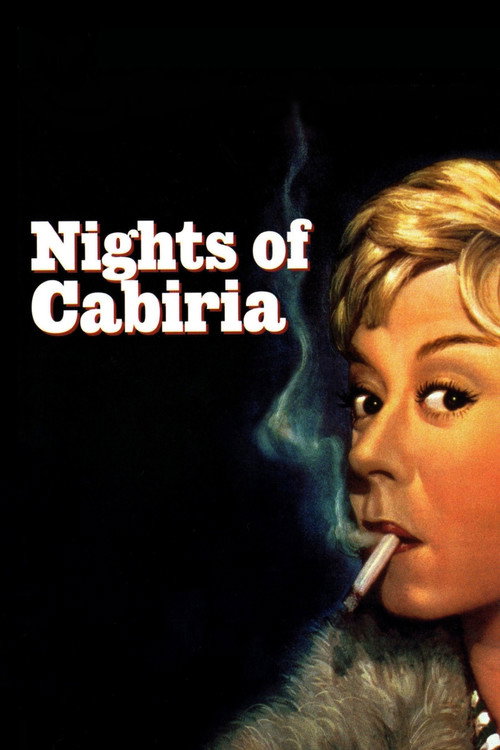
Nights of Cabiria1957
Fellini's portrait of a sex worker trying to claw dignity from Rome's streets. Messier and more romantic than Woman of Tokyo, but equally committed to seeing its protagonist fully.
But Sentimentality creeps in. By the end, some find the pathos manipulative rather than earned.
Stalker1979
Tarkovsky's meditative sci-fi about desire and what we'll sacrifice for it. Long takes, philosophical, concerned with inner life over action. Pure cinema of moral weight.
But 163 minutes of deliberate pacing. If you're exhausted by Woman of Tokyo's brevity becoming heaviness, this will feel like punishment.

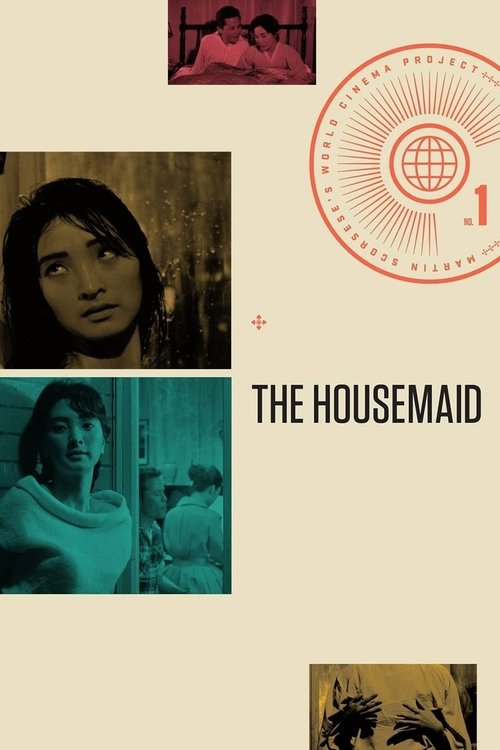
The Housemaid1960
Korean psychological drama about exploitation, class, and the family home as a space of hidden violence. Same era as Ozu, same economy of gesture, different temperature.
But Tone shifts toward thriller in ways that feel artificial. The final act abandons the patient observation that makes the film work.
Aachi & Ssipak2006
Both see survival and indignity as inseparable. Both refuse pity. Both find humour in the grimmest places without letting it cancel out the grimness.
Korean animated action-comedy about scavengers in a brutal future. Wildly different genre—trashy, crude, hilarious—but built on the same foundation: characters in the economic basement doing whatever they can to survive, with dignity stripped away.
But Aggressively ugly animation, crude humour, and gleeful vulgarity. If Woman of Tokyo's restraint appealed to you, this will feel offensive.

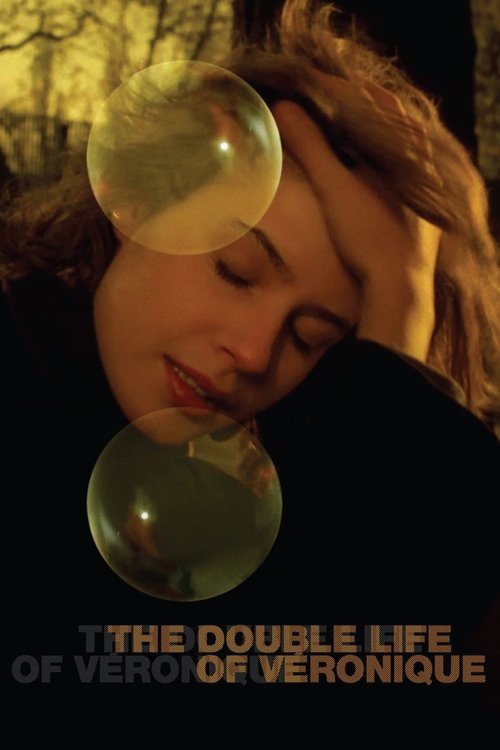
The Double Life of Véronique1991
Both are about hidden lives and invisible labour—Woman of Tokyo shows it literally (the night shifts), Véronique through metaphor and doubling. Both suggest some people are seen and some are not, and that this is a tragedy.
Polish-French art film about two women, one alive and one dead, connected across countries and time. Visually ravishing, structurally puzzling, mystical. Kieślowski's meditation on chance, connection, and the self—completely different era and form, but concerned with the same question: what do we owe people we've never met?
But Opaque by design. Much of its meaning is withheld. Some experience this as profound mystery; others as pretentious obscurity.
People
Cast
 Yoshiko OkadaChikako
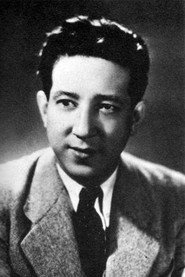 Ureo EgawaRyoichi
 Kinuyo TanakaHarue
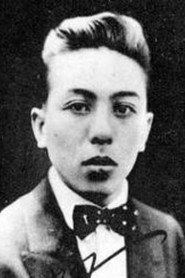 Shin'yō NaraKinoshita
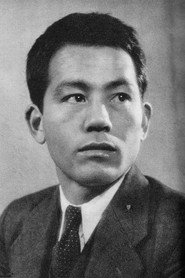 Chishū RyūReporter
Directing
- Akira KiyosukeAssistant Director
- Hiroo HiratsukaAssistant Director
- Kenkichi HaraAssistant Director
- Masaru KashiwabaraAssistant Director
- Yasujirō OzuDirector
Writing
- Yasujirō OzuStory
- Kōgo NodaWriter
- Tadao IkedaWriter