
Film
A Story of Floating Weeds
A 1934 Japanese melodrama about an aging itinerant actor who returns to his hometown, disrupting the life of his former lover and illegitimate son. Ozu's camera is unflinching but kind, finding quiet dignity in ordinary disappointment. It's intimate and unsentimental—less about plot than the texture of longing, regret, and the compromises people make to survive.
Should you watch it?
Watch it if you love films that find the whole drama in glances, stray gestures and the small humiliations of a travelling troupe, rather than in plot turns.
Skip it if you want fast momentum or big emotional speeches, since this one holds its feeling back and moves at the pace of a slow afternoon.
What it asks of you: Settle into its unhurried 86 minutes; feeling arrives through small looks and pauses, so patience is rewarded more than sharp attention.
Not sure? Find tonight's pick in a minute.
If you liked this
Tokyo Story1953
Ozu's masterpiece of accumulated feeling. A family gathers, nothing dramatic happens, and you're undone. If you respond to *Floating Weeds*, this is where Ozu's vision deepens into something almost unbearably human.
But Slow pacing that demands patience. The emotional payoff is quiet and earned, not handed to you. Some find it glacial.

Late Spring1949
Another Ozu film about aging, duty, and the small betrayals families inflict on each other. The father-daughter bond is tender and fraught in ways that will haunt you long after it ends.
But Structurally simple and deliberately paced. If you need plot momentum, this will feel like watching paint dry.
Woman of Tokyo1933
A contemporary Japanese melodrama about survival and compromise in hard times. The same emotional register as *Floating Weeds*—intimate, unglamorous, focused on how people endure rather than triumph.
But Prints are scarce and restoration quality varies. You may need to hunt for a decent copy, and even then, the image can be grainy and soft.
Not sure tonight? Get a pick in a minute, starting from A Story of Floating Weeds
The wildcard
Something you would not have found on your own.
Tokyo Chorus1931
Made three years before *Floating Weeds*, it shows Ozu developing his visual language and moral focus. Same formal restraint, different milieu—this one is about salaried work and shame, that one about itinerant performance and abandonment. Watch them together to see how Ozu's concerns evolved.
An earlier Ozu about a salaryman's economic humiliation and his family's patient suffering. It's lighter than *Floating Weeds* but shares its interest in ordinary people's quiet dignity under pressure, and Ozu's visual wit is already fully formed.
But A print exists in poor condition and restoration is uneven. The economics and social systems depicted are deeply specific to 1930s Japan, which can make it feel remote.
More like this (7)
Ikiru1952
Kurosawa's chamber piece about an aging man confronting mortality. Like *Floating Weeds*, it finds profound humanity in quiet devastation and asks what a life well-lived actually means.
But The second half shifts in tone and some find it sentimental. It's also a bruising portrait of bureaucratic indifference that can feel punishing to watch.

The Ballad of Little Jo1993
A woman disguises herself as a man to survive in the Old West. Like *Floating Weeds*, it's about self-invention, belonging, and the price of pretending to be someone you're not.
But Deliberately unglamorous and slow. Maggie Greenwald's direction is austere, and the film refuses easy catharsis or romance.

A Gentle Woman1969
Bresson's adaptation of Dostoevsky about a woman's silent defiance within marriage. It shares *Floating Weeds*' interest in emotional restraint and the quiet rebellions of the powerless.
But Extremely austere and demanding. Bresson removes music, cuts away from action, and trusts silence in ways that can feel punishing.
Kes1970
Ken Loach's British drama about a working-class boy and a hawk. Like *Floating Weeds*, it finds beauty and dignity in unglamorous lives, and mourns the systems that crush tender possibility.
But Bleak and angry in ways that don't soften by the end. The regional Yorkshire dialect can be difficult for some viewers to parse.

Mulholland Drive2001
Lynch's dreamlike meditation on performance, identity, and desire in Los Angeles. Like *Floating Weeds*, it's about people pretending to be other people and the cost of sustaining a false self.
But Deliberately fragmented and often incomprehensible on first viewing. If you need a clear plot, this will infuriate you.

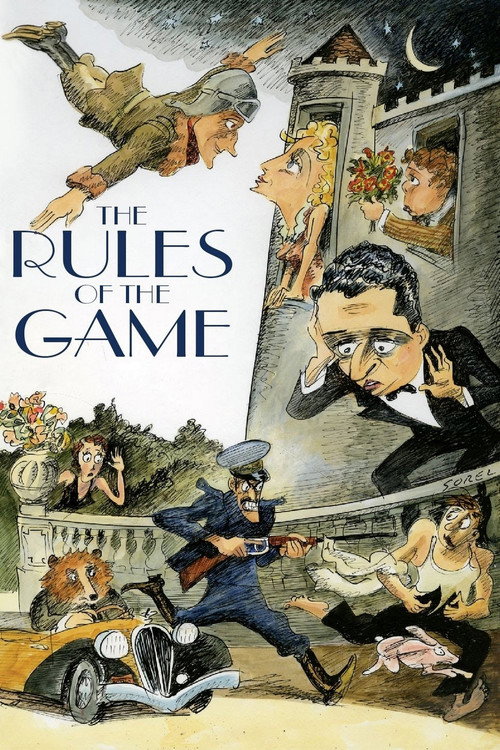
The Rules of the Game1939
Renoir's panoramic comedy-drama about a weekend country gathering. It shares *Floating Weeds*' interest in class, desire, and the small deceits that hold social life together.
But Very long and populated with a large ensemble cast. The tone shifts constantly between comedy and melancholy, which some find unsettling.
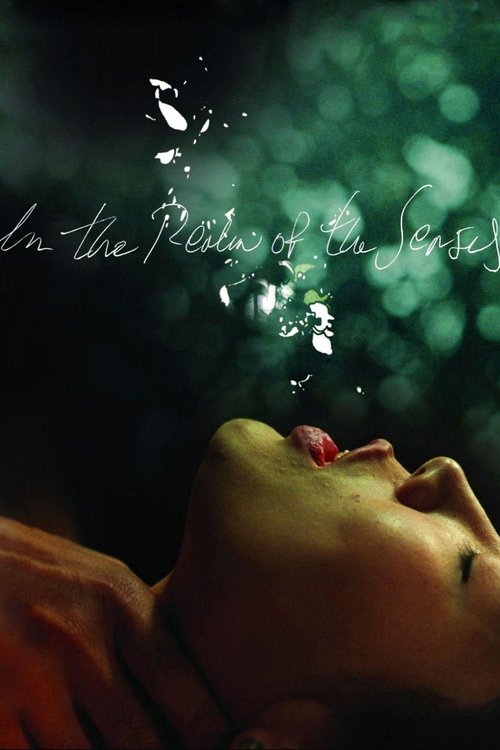
In the Realm of the Senses1976
Both films are deeply interested in desire as a social and personal force in 1930s Japan. *Floating Weeds* shows desire as longing and regret, a shadow hanging over people's lives. *In the Realm of the Senses* shows it as consuming fire. Together they're a conversation about what the body wants and what society allows.
Nagisa Oshima's explicit and transgressive film about obsessive desire in 1930s Japan. Like *Floating Weeds*, it's set in the same era and explores how bodies and emotions drive people toward self-destruction, but with unflinching erotic intensity rather than restraint.
But Genuinely graphic sexual content that some find exploitative rather than liberating. The sound design is abrasive and the pacing can be tedious. It's an endurance test, not always in a good way.
People
Cast
 Takeshi SakamotoKihachi
 Chōko IidaOtsune
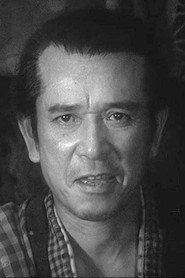 Kōji MitsuiShinkichi
 Emiko YagumoOtaka
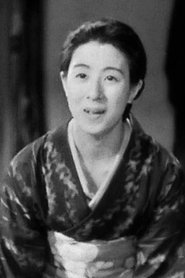 Yoshiko TsubouchiOtoki
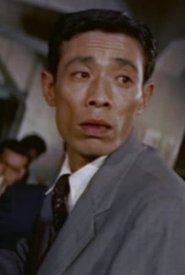 Tomio AokiTomio
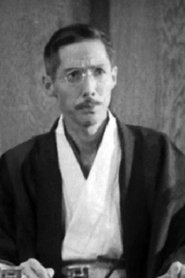 Reikō TaniTomio's Father
 Seiji NishimuraKichi
- Nagamasa YamadaMā kō
- Kiyoshi AonoSword trainer
- Mitsuru WakamiyaStation attendant
- Mariko AoyamaBarber's landlady
Directing
- Gen KenkichiAssistant Director
- Hamao NegishiAssistant Director
- Haruo TanakaAssistant Director
- Kazuo IshikawaAssistant Director
- Yasujirō OzuDirector
Writing
- Yasujirō OzuStory
- Tadao IkedaWriter
Recommended by
The Life of Oharu, From Here to Eternity, The Story of the Last Chrysanthemum, The Light Shines Only There, Floating Weeds, Maborosi, The Cherry Orchard, Madame Butterfly