
Film
The Life of Oharu
- Period drama
- Very dark
Mizoguchi's masterpiece follows a woman's devastating descent through Edo society after a forbidden love affair costs her everything. A portrait of grace under systematic cruelty, told with camera movements that feel like witnessing history. For anyone who believes cinema can be both formally beautiful and emotionally devastating.
Should you watch it?
Watch it if you are drawn to slow, unhurried melodrama where a single long fall is observed with patience, and where Mizoguchi's moving camera lets suffering register in the space around a face rather than in tears.
Skip it if you want momentum or plot twists, since this is a long, deliberate film at about two hours and sixteen minutes, and its sorrow accumulates rather than arriving in sharp bursts.
What it asks of you: It asks for a long stretch of uninterrupted attention and a willingness to sit with one woman's decline as it unfolds in measured, stately scenes that move at their own pace.
Not sure? Find tonight's pick in a minute.
If you liked this
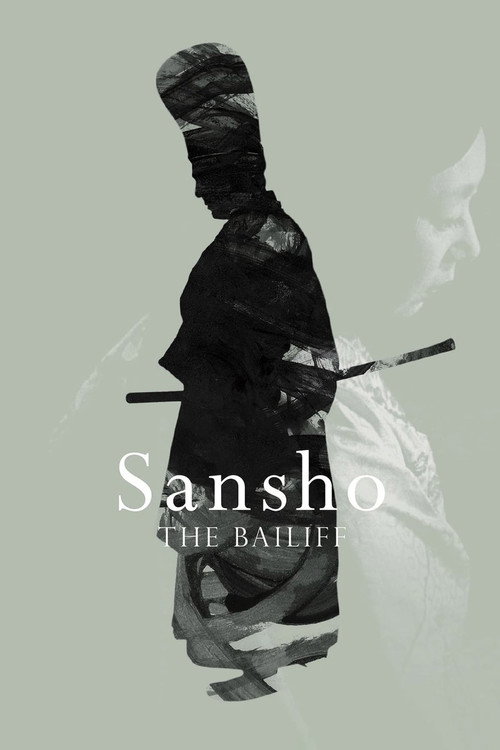
Sansho the Bailiff1954
Another Mizoguchi film about suffering and survival, with the same formal elegance and moral clarity. A mother and children separated by slavery—it's as difficult and necessary as Oharu, equally masterful.
But The pacing is deliberately slow, the sadness is relentless, and there's little comfort offered. Not a film for when you want to feel better.
Tokyo Story1953
Made just a year later, Ozu's portrait of an aging couple visiting their children observes human life with similar gentleness and without sentimentality. Both films understand how to show the texture of ordinary survival.
But It's extremely quiet and domestic. If you're expecting plot, you'll spend two hours waiting for something to happen.

Ikiru1952
Kurosawa's contemporaneous study of a dying man finding meaning mirrors Oharu's meditation on worth and dignity. Both are about what remains when the world strips everything away from you.
But It's a film about terminal illness and bureaucratic indifference. The second half moves at its own pace, which some find meditative and others find slow.

Not sure tonight? Get a pick in a minute, starting from The Life of Oharu
The wildcard
Something you would not have found on your own.
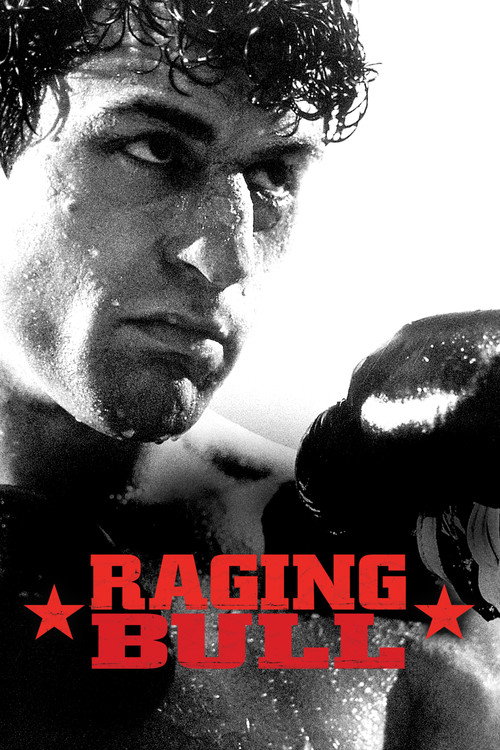
Raging Bull1980
Both use monochromatic cinematography and repetitive formal structure to examine the destruction of the human spirit—one through systematic social cruelty, one through personal violence. Both refuse pity.
Scorsese's portrait of a violent man destroying everyone around him, told with the same black-and-white cinematography and formal precision Mizoguchi pioneered. Both films use style to force you to look at degradation unflinchingly. Oharu filtered through masculine rage and 1980s cinema.
But De Niro's Jake LaMotta is brutal and repellent, and the film doesn't offer distance from his cruelty. It's about 40 minutes longer than the story seems to need, and the boxing scenes are punishing.
More like this (8)
The Ballad of Little Jo1993
A woman rejected by society for breaking its rules; a story of survival told with unflinching honesty rather than romance. Both films understand how systems destroy women and how women persist anyway.
But It's a revisionist Western, period-accurate about hardship, and interested in complications rather than triumph. The ending refuses easy catharsis.

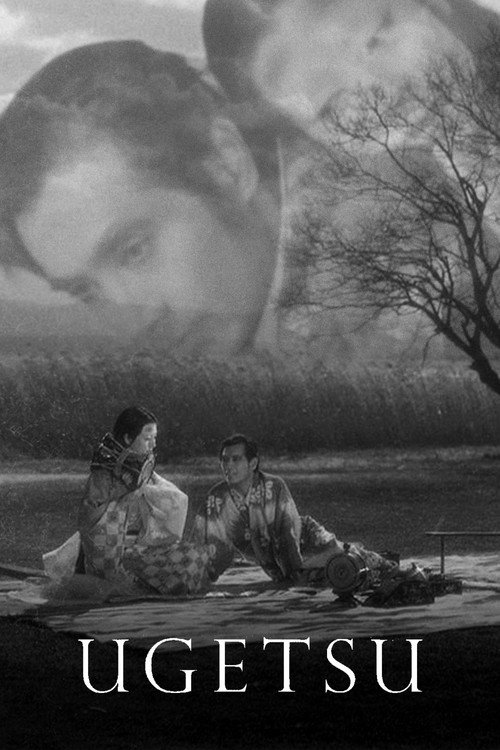
Ugetsu1953
Mizoguchi again—a film about desire, ambition, and the cost paid by those caught in a man's dreams. The cinematography is spellbinding and the moral reckoning is unmerciful.
But It mixes supernatural elements with historical realism in ways that might feel uneven. The ending is heartbreaking in ways you don't see coming.
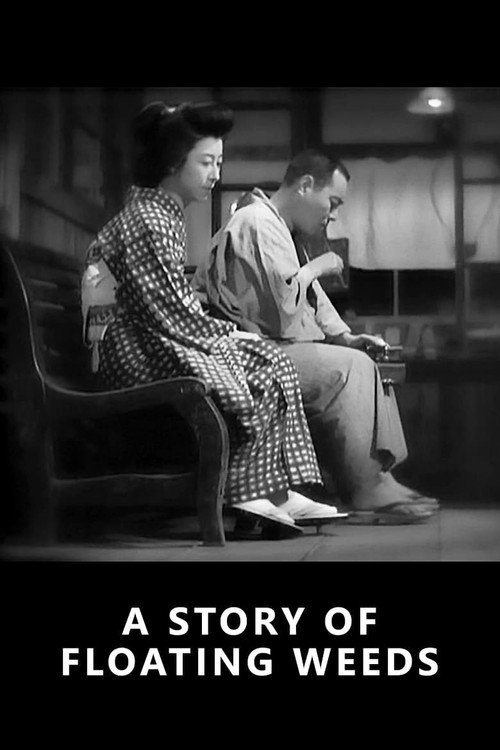
A Story of Floating Weeds1934
Ozu's earlier film about theater people and social precarity—a gentler film than Oharu but with the same eye for how shame and circumstance reshape lives. A window into where postwar Japanese cinema came from.
But Silent film, which means intertitles and a different rhythm entirely. The quality of available prints varies significantly.
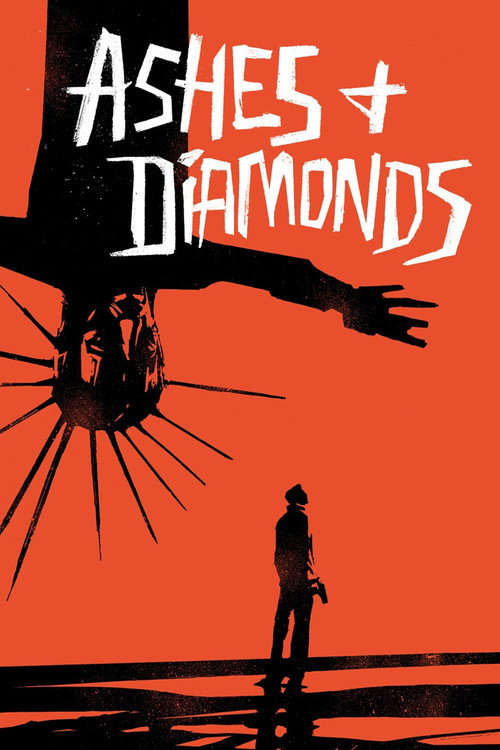
Ashes and Diamonds1958
Wajda's Polish masterpiece about survival and complicity in a brutal system. Like Oharu, it's visually stunning and refuses to offer its characters—or you—comfortable moral ground.
But It's steeped in Polish postwar history you may need context to fully understand. The ending is deliberately ambiguous and bleak.
Harakiri1962
Masaki Kobayashi's critique of samurai honor codes and the systems that destroy the powerless. Formally perfect and morally furious—a film that shares Mizoguchi's disgust with hierarchies that demand suffering.
But It's brutal and lengthy, interested in ceremony as cruelty. The violence, when it comes, is staged to make you uncomfortable rather than exhilarate.

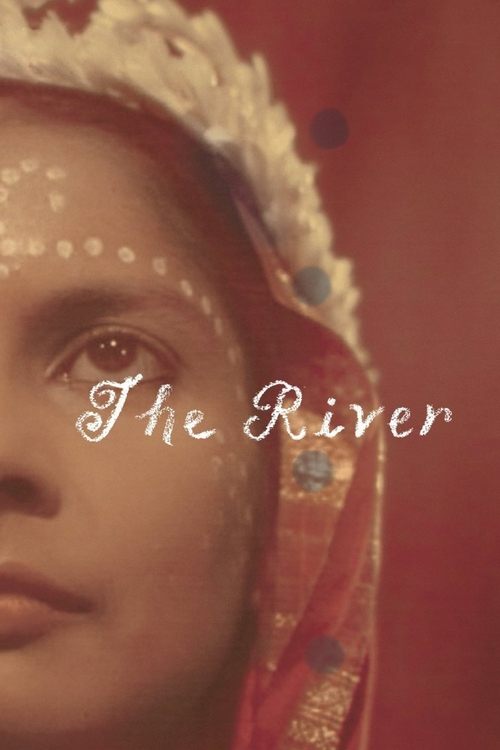
The River1951
Renoir's film about a European family in India, also about displacement and how life continues despite upheaval. A different sensibility but the same patience with observing human adaptation to circumstance.
But Colonial-era perspectives embedded throughout. It's more impressionistic than narrative-driven, which some find achingly beautiful and others find formless.
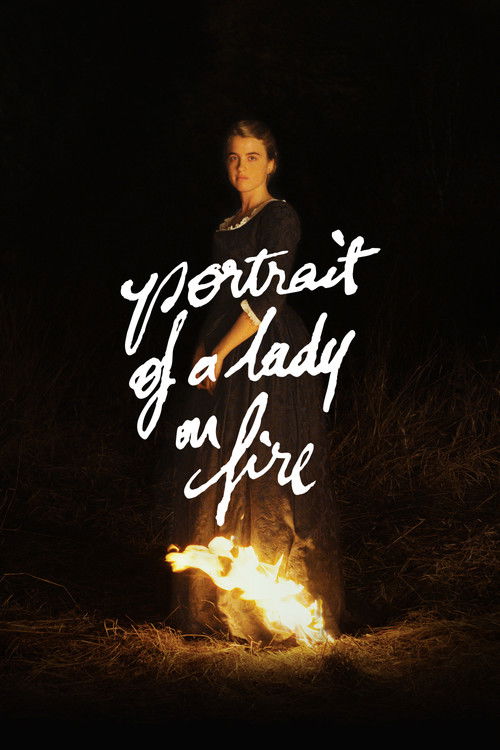
Portrait of a Lady on Fire2019
Both are studies of women within systems designed to erase them, but Scipio gives her camera agency and resistance. Watching them together is like seeing Oharu's story told twice—once as a tragedy of acceptance, once as a resistance narrative.
Scipio Causarino's portrait of a woman resisting her assigned fate through art and defiance, animated but visceral. It reclaims the space Oharu's world denies: choice, self-determination, the refusal to disappear. A meditation on woman painters, female desire, and how art becomes survival.
But It's entirely rotoscoped animation, which creates an uncanny, sometimes stiff effect. And if you expect narrative plot rather than mood and visual rapture, you'll be frustrated.
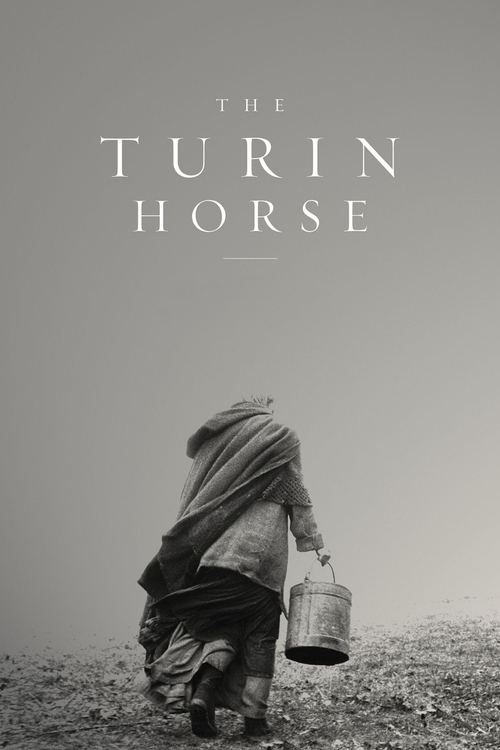
The Turin Horse2011
Both films understand cinema as a medium for depicting prolonged suffering without false redemption. Both use long takes and minimal cutting to make time itself visible. Both believe beauty and despair can coexist.
Béla Tarr's last film, about a philosopher and his servant in the end times—isolation, routine, the erosion of dignity, all filmed in exhausted black-and-white. It shares Oharu's sense that existence itself is the struggle, that survival is both everything and nothing.
But It's 146 minutes of near-silence, bleak weather, and repetitive action. Tarr's films are about endurance; watching one is an act of endurance. No plot arrives; nothing resolves.
People
Cast
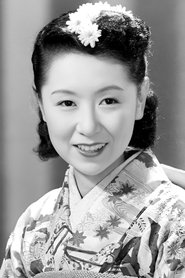 Kinuyo TanakaOharu
- Tsukie MatsuuraTomo
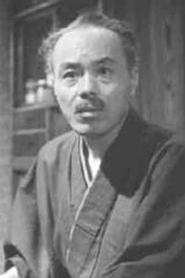 Ichirō SugaiShinzaemon
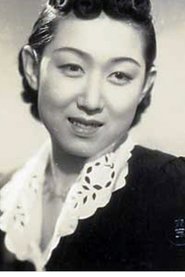 Hisako YamaneLady Matsudaira
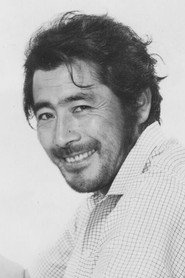 Toshirō MifuneKatsunosuke
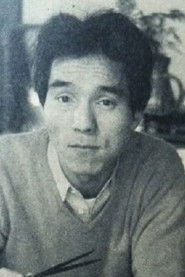 Jūkichi UnoYakichi Ogiya
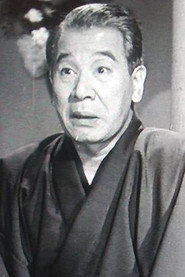 Eitarō ShindōKahe Sasaya
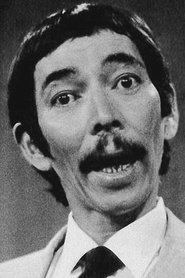 Akira ŌizumiFumikichi
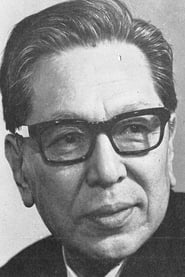 Masao ShimizuKikuoji
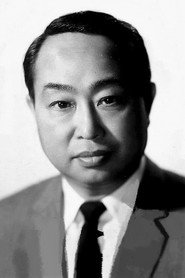 Daisuke KatōTasaburo Hishiya
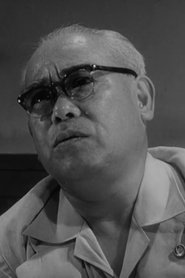 Toranosuke OgawaYoshioka
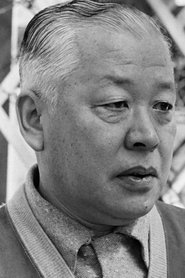 Eijirō YanagiCounterfeiter
Directing
- Kenji MizoguchiDirector
Writing
- Saikaku IharaNovel
- Kenji MizoguchiWriter
- Yoshikata YodaWriter
Production
- Hideo KoiProducer
- Kenji MizoguchiProducer
Recommended by
Sansho the Bailiff, Days of Glory, Raise the Red Lantern, Camille