
Film
Ugetsu
Kenji Mizoguchi's 1953 ghost story is about greed, war, and the illusions men chase when they abandon their families. Two peasants pursue riches and status amid civil war; one drifts into a spectral romance that may cost him everything real. Stately, sorrowful, visually ravishing, its camera glides through fog and firelight in unbroken takes. For patient viewers drawn to folklore that doubles as moral reckoning, not scares.
If you liked this
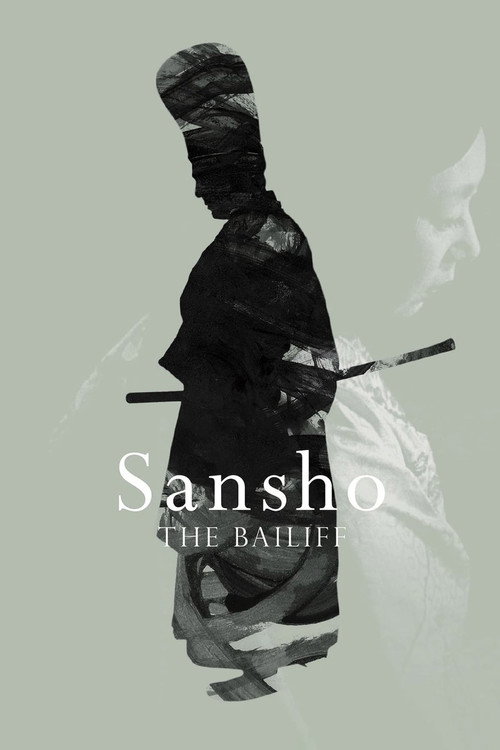
Sansho the Bailiff1954
Mizoguchi's other masterpiece, made the very next year, carries the same aching sorrow over families torn apart by greed and power, and is even more devastating in its patience.
But It's slower and bleaker still—no ghosts to soften the cruelty, just human institutions grinding people down.
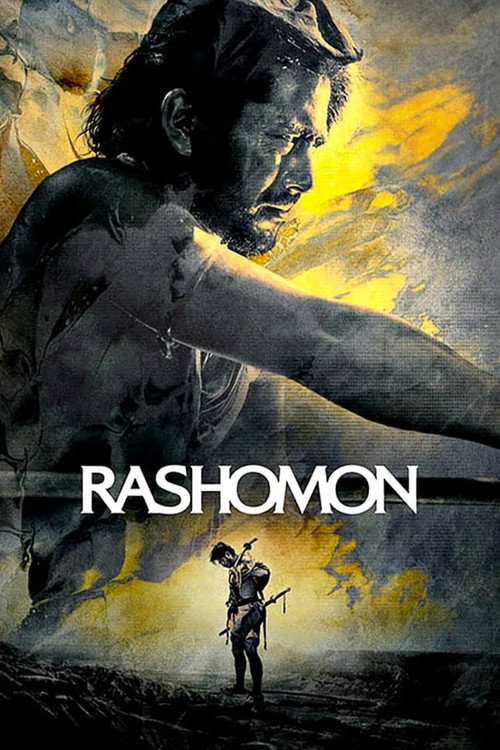
Rashomon1950
Kurosawa's contemporary told the same era's moral rot from four irreconcilable angles—if Ugetsu's ambiguity about desire and truth intrigued you, this interrogates truth itself.
But More courtroom puzzle than folklore; some find its structure clever rather than moving.
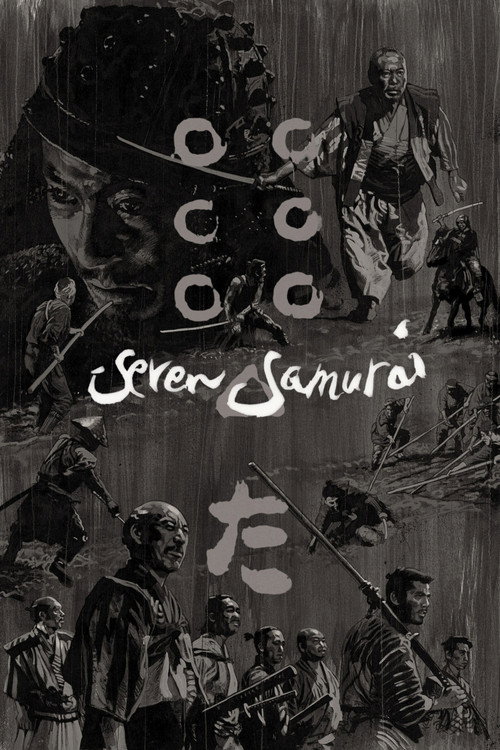
Seven Samurai1954
Same ravaged, war-torn countryside and desperate peasants, but here the men who arrive to help become heroes instead of casualties—a warmer, more rousing companion piece.
But Three and a half hours of action and camaraderie is a very different pace and mood than Ugetsu's quiet dread.
The wildcard
Something you would not have found on your own.
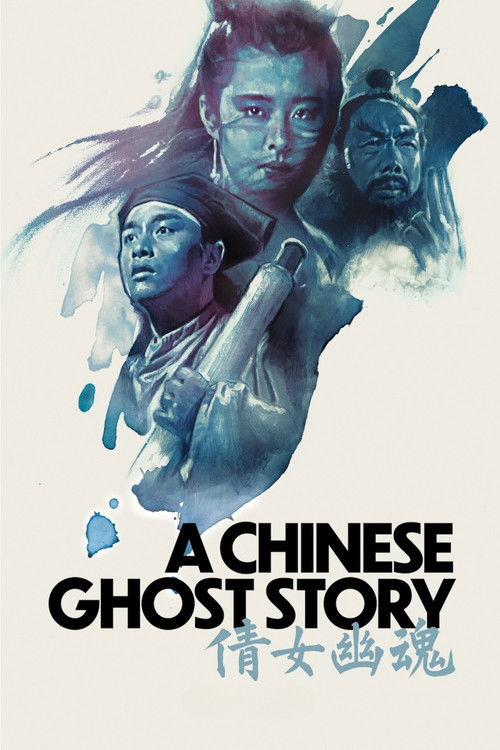
A Chinese Ghost Story1987
Same bones as Ugetsu—a man falls for a beautiful woman who turns out to be a spirit, and the affair threatens to destroy him—but told as a swooning, special-effects-drenched Hong Kong horror-romance-comedy instead of a solemn fable.
It's exuberant, funny, genuinely romantic and visually inventive, proof the 'man loves ghost' story can also be a rollercoaster instead of a dirge.
But The tonal whiplash between slapstick, horror and romance is jarring if you want Mizoguchi's controlled sorrow.
More like this (8)
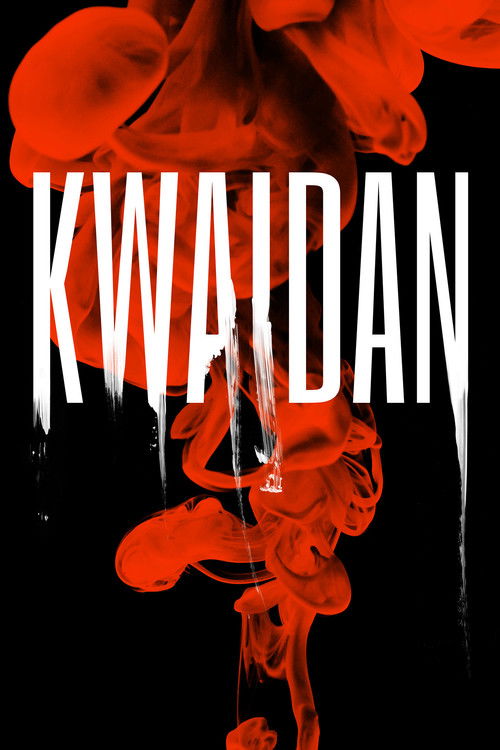
Kwaidan1965
Four Japanese ghost stories shot in eye-popping, theatrical colour—if you loved Ugetsu's dreamlike hauntings, this pushes the folklore further into pure, painterly strangeness.
But Nearly three hours of anthology segments can feel disjointed if you want a single sustained story.
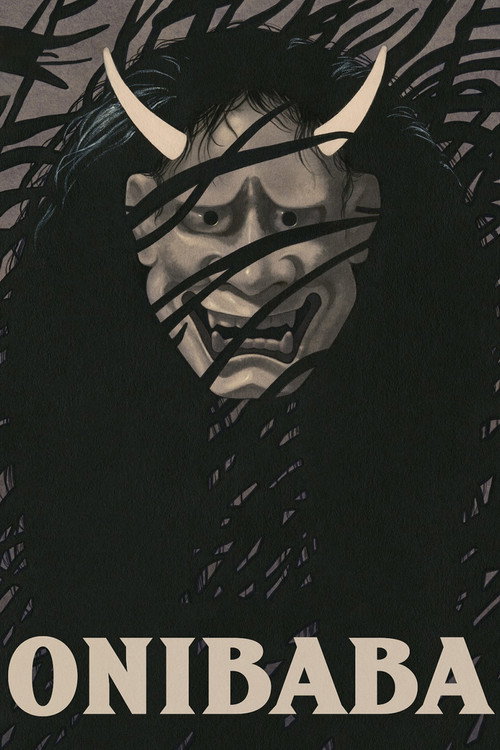
Onibaba1964
Wartime desperation curdles into something feral and erotic here—two women survive by killing stragglers, until a demon mask changes everything. Same terrain, rawer nerve.
But Considerably more sexual and violent than Mizoguchi's restraint; it trades elegance for visceral heat.
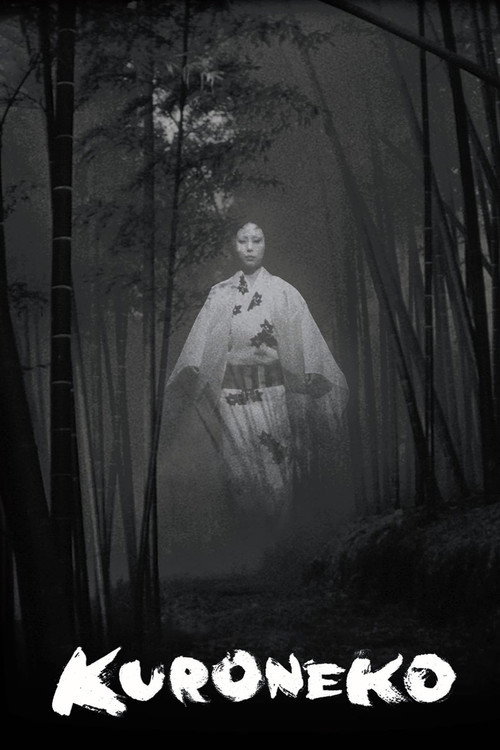
Kuroneko1968
Wronged women return as vengeful spirits preying on samurai in this eerie, elegant ghost tale—Ugetsu's supernatural seduction flipped into something colder and angrier.
But Its slow-burn dread and theatrical style ask for patience rather than delivering shocks.
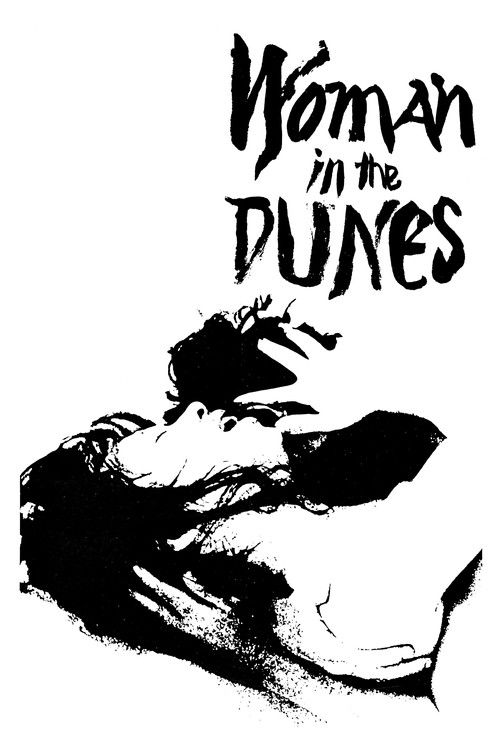
Woman in the Dunes1964
A man is trapped by desire and circumstance in a stranger's world he can't quite escape—if Ugetsu's dreamlike entrapment stuck with you, this makes the metaphor literal and suffocating.
But It's a slow, sweaty psychological trap with almost no plot momentum for long stretches.
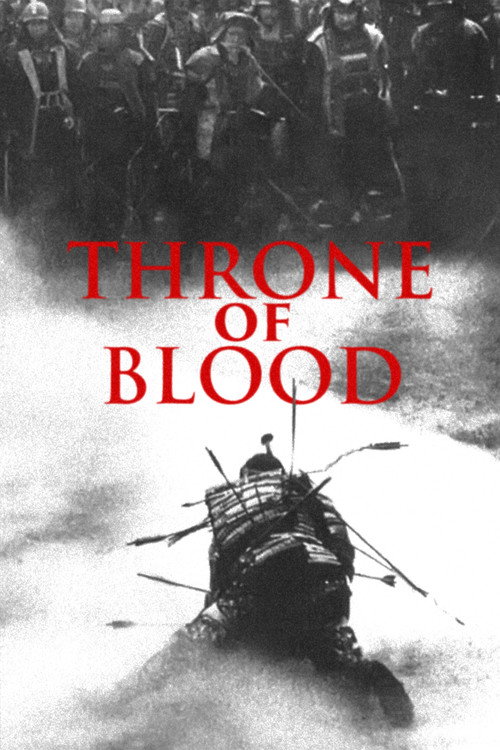
Throne of Blood1957
Kurosawa transplants Macbeth into feudal Japan, with a witch's prophecy standing in for Ugetsu's seductive ghost—ambition and the supernatural again conspire to destroy a man.
But Its Shakespearean fatalism is grander and colder than Mizoguchi's more intimate tragedy.
The Ballad of Narayama1983no page yet
A harsher, later look at village life crushed by poverty and custom, with the same unsentimental eye for what desperation does to families.
But Deliberately punishing in its bleakness—less lyrical dream, more unflinching endurance test.
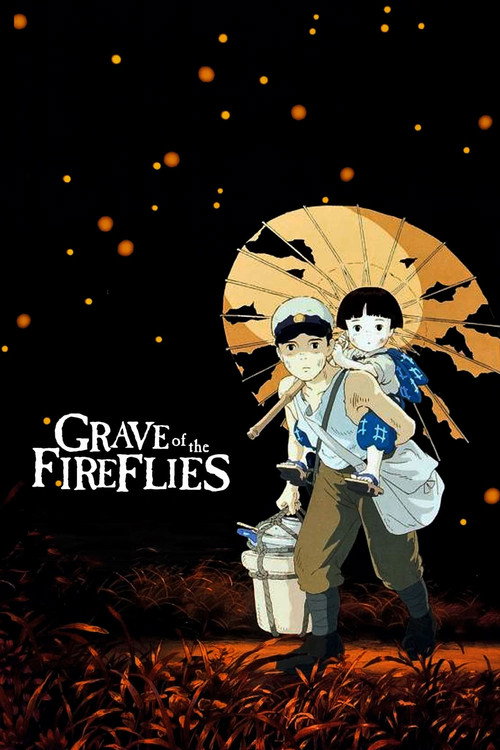
Grave of the Fireflies1988
Ugetsu is Mizoguchi's veiled reckoning with a war that hollowed out families and turned survival into ruin; this animated film drops the folklore and shows that devastation directly, through children instead of soldiers and merchants.
It's one of the most devastating war films ever made, using animation not to soften the horror but to make it unbearably intimate and specific.
But There's no ghostly distance here to cushion the grief—it is relentless, and many people find it too painful to rewatch.
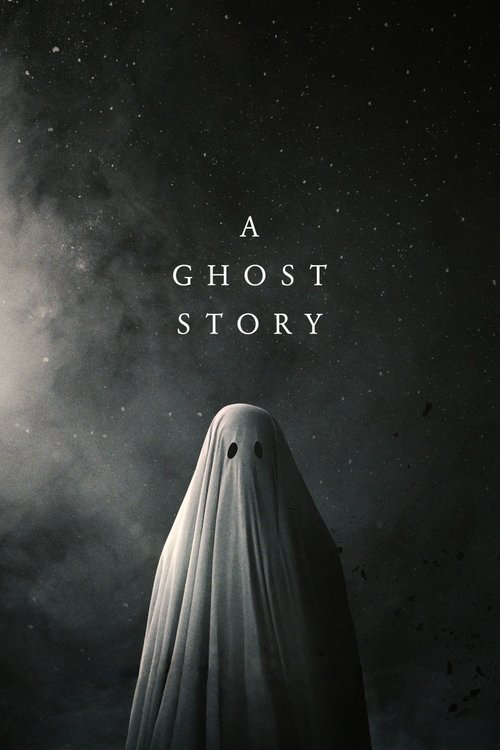
A Ghost Story2017
Strip away the samurai politics and you're left with Ugetsu's real subject—a man's death or delusion severs him from the wife and home he can't return to—and this quiet American indie tells almost the same story in a bedsheet and total silence.
Its hushed, almost wordless grief over lost domestic life echoes Ugetsu's ache, filtered through a strange, minimalist, deeply modern register.
But Long static takes and near-total lack of dialogue will test viewers looking for anything resembling plot or action.
People
Cast
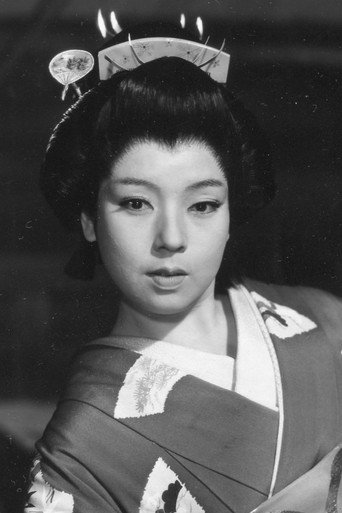 Machiko KyōLady Wakasa
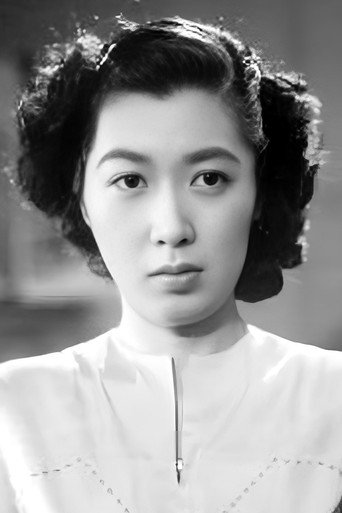 Mitsuko MitoOhama
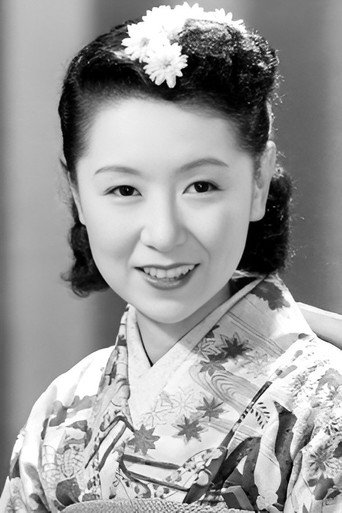 Kinuyo TanakaMiyagi
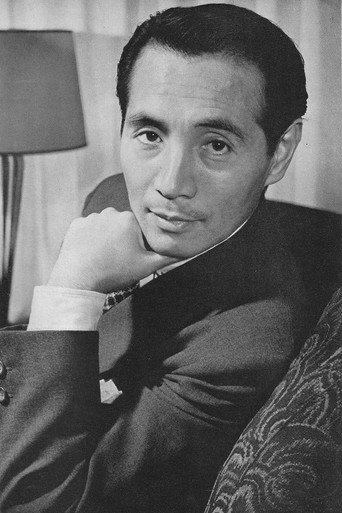 Masayuki MoriGenjurô
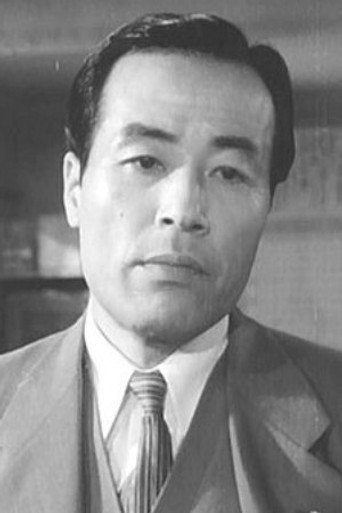 Eitarō OzawaTôbei
- Sugisaku AoyamaOld Priest
- Mitsusaburō RamonCaptain of Tamba Soldiers
 Ryōsuke KagawaVillage Master
 Kichijirō UedaShop Owner
 Shōzō NanbuShintô Priest
- Kikue MōriUkon
 Ryūzaburō MitsuokaSoldier
Directing
- Tokuzō TanakaAssistant Director
- Kenji MizoguchiDirector
Writing
- Matsutarō KawaguchiAdaptation
- Akinari UedaOriginal Story
- Yoshikata YodaScreenplay
- Hisakazu TsujiStory
Production
- Masaichi NagataProducer
Recommended by
Sansho the Bailiff, Kwaidan, The Tale of The Princess Kaguya, Weathering with You, Stalker, Kuroneko, The Sword of Doom, Dark Water, Mushi-Shi, Onibaba, A Tale of Two Sisters, A Chinese Ghost Story, Beloved