
Film
Onibaba
A stark, sweat-soaked parable set during feudal Japan's civil wars, Onibaba follows a mother and daughter-in-law who survive by ambushing fleeing soldiers in a wind-torn marsh. Kaneto Shindo shoots it like a fever: grasses hiss, drums pound, hunger curdles into jealousy and then something demonic. The horror here comes from poverty and desire, not ghosts. Slow-burn dread for patient, adventurous viewers.
If you liked this
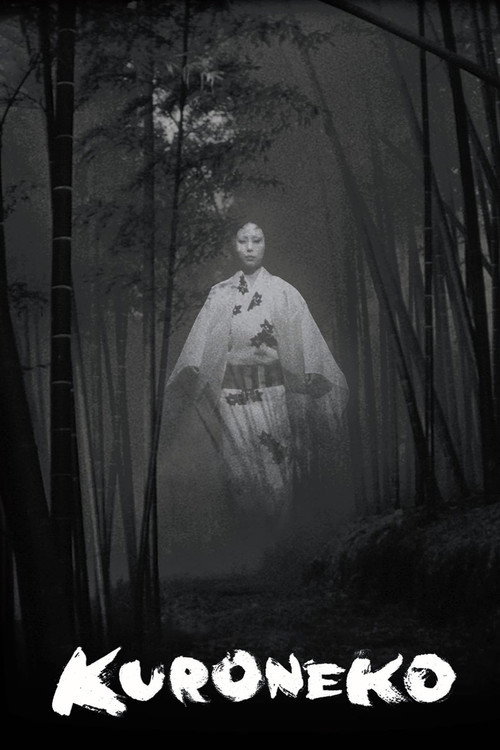
Kuroneko1968
Shindo's own spiritual sequel: same eerie marsh-and-grass aeshetic, same rural desperation, but this time the vengeful women really are ghosts. Gorgeous monochrome, genuinely unsettling.
But More overtly supernatural and folkloric, with less of Onibaba's grubby, physical menace.
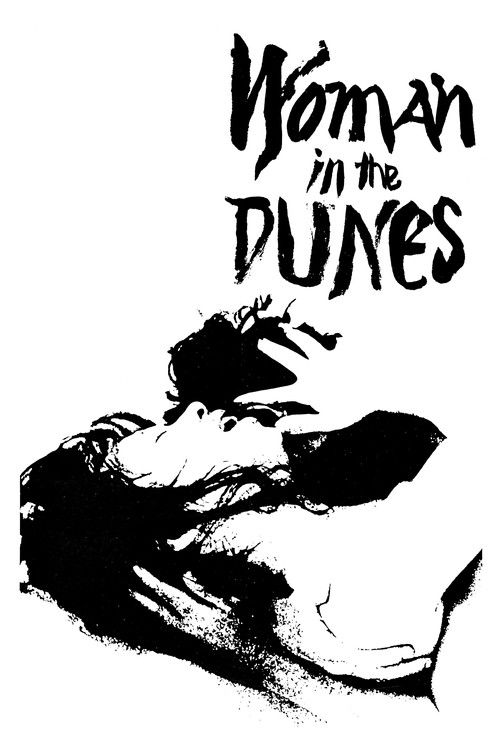
Woman in the Dunes1964
Same year, same suffocating isolation, same erotic charge between two people trapped by circumstance and landscape. The photography of sand rivals Onibaba's photography of reeds.
But More philosophical and absurdist than violent — this is existential dread, not survival horror.
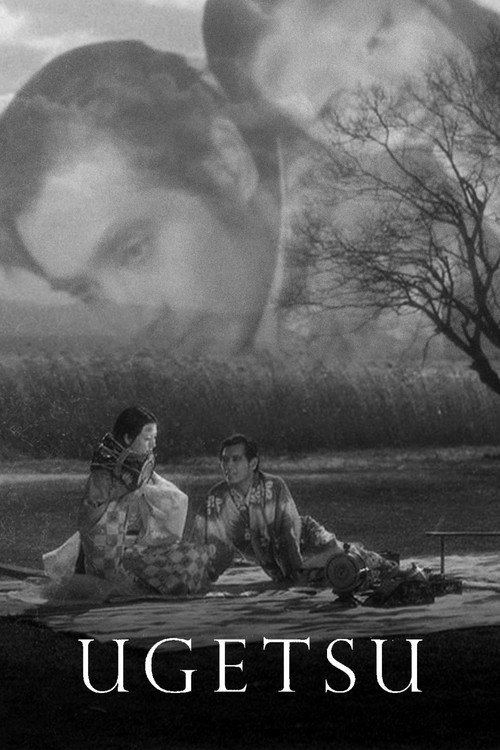
Ugetsu1953
Mizoguchi's tale of wartime hardship, ghostly seduction and moral reckoning is arguably the root system Onibaba grew from. Devastatingly beautiful and quietly frightening.
But Gentler pacing and a sadder, more melancholic register than Onibaba's raw physicality.
The wildcard
Something you would not have found on your own.
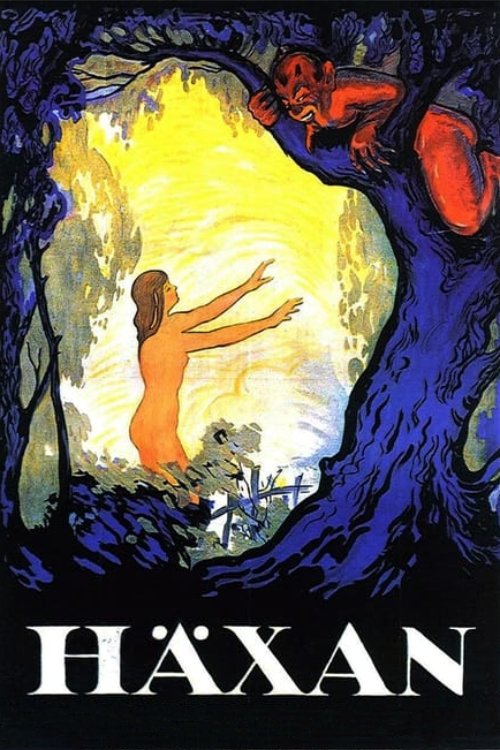
Häxan1922
Both films use a demon mask as the mechanism by which a community turns a woman's desire into monstrousness — Onibaba just moves the accusation into the family itself.
A Swedish silent docudrama that dramatises witch trials and demonic possession with startling, still-unnerving imagery. It's the granddaddy of using masks and superstition to demonise women.
But Silent, academic in structure, and stitched together from staged 'lecture' segments — patience required.
More like this (8)
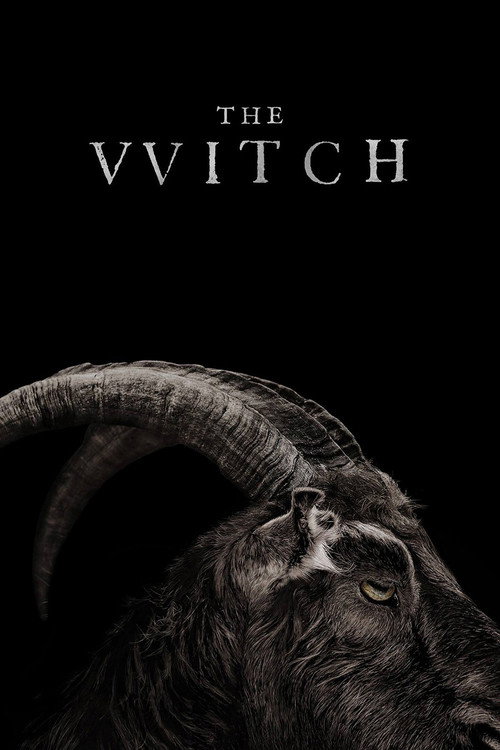
The Witch2016
An isolated family, creeping superstition, and dread that turns kin against kin — the same slow suffocation of desperation curdling into something monstrous.
But Puritan New England setting and thick period dialect; the folklore is entirely different, only the mood rhymes.
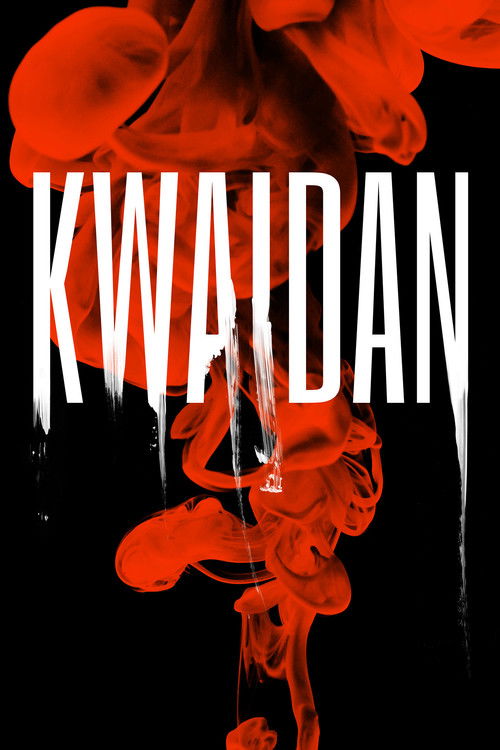
Kwaidan1965
An anthology of Japanese ghost stories from the same year, built on eerie, theatrical sets and unbearable stillness. A masterclass in atmosphere over jump scares.
But Episodic and stagey rather than driven by a single relentless story.
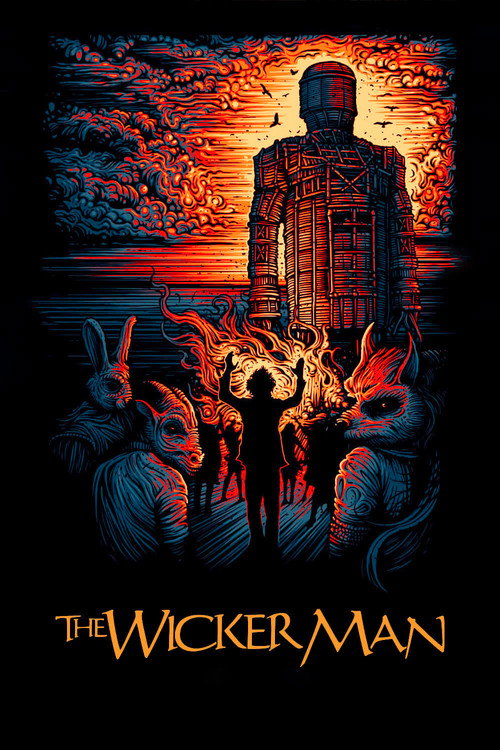
The Wicker Man1973
The folk horror touchstone: an isolated community, pagan ritual, and dread that builds from daylight rather than darkness.
But A stranger, drier sense of humour runs through it, and it's ultimately less grim and visceral than Onibaba.
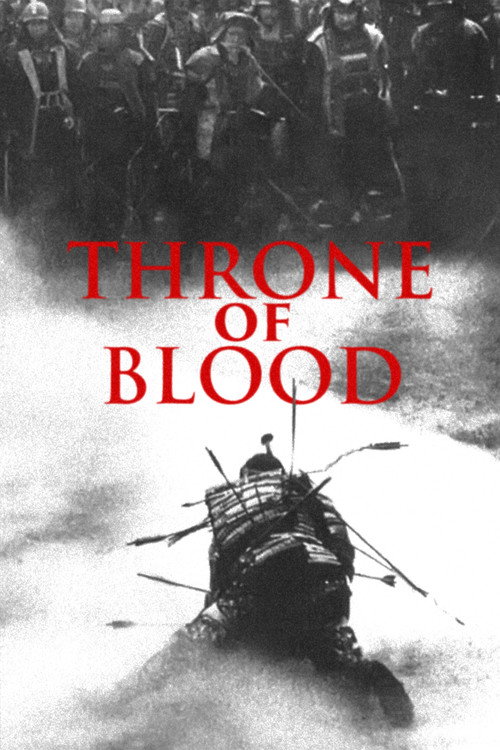
Throne of Blood1957
Kurosawa's feudal Macbeth, thick with fog, ambition, and supernatural dread. If you loved the period texture of Onibaba, this delivers it at Kurosawa scale.
But More theatrical and concerned with power than with bare survival — a colder, grander film.
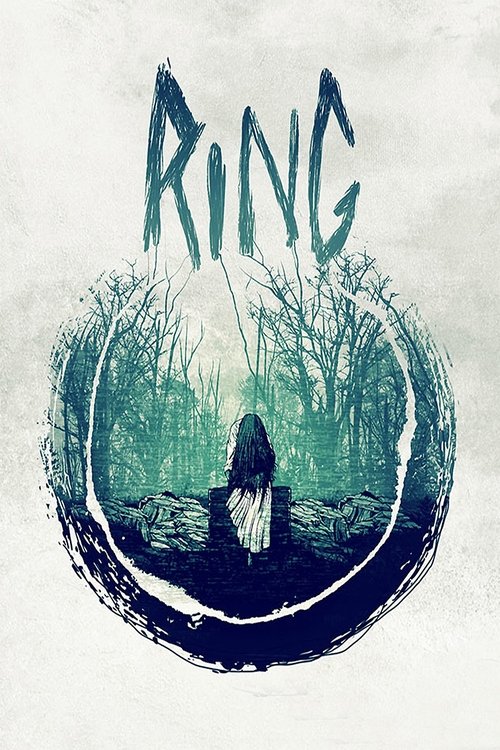
Ring1998
The modern descendant: dread built from silence, hair, and a mask-like face rather than gore. Shows how far the DNA of this kind of horror travelled.
But Contemporary setting and a cursed-videotape premise that feels a world away from Onibaba's mud and reeds.
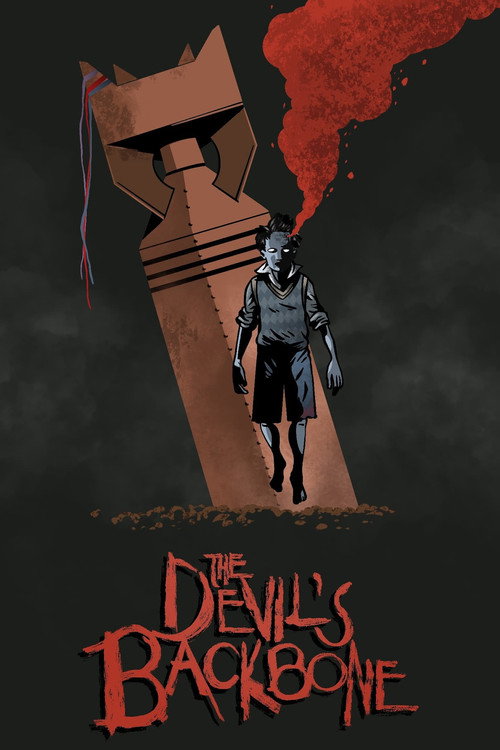
The Devil's Backbone2001
A ghost story soaked in the moral rot of war, with orphaned children standing in for Onibaba's abandoned women. Guillermo del Toro at his most mournful.
But Spanish Civil War setting and a child's-eye view give it a softer, more sentimental heart.
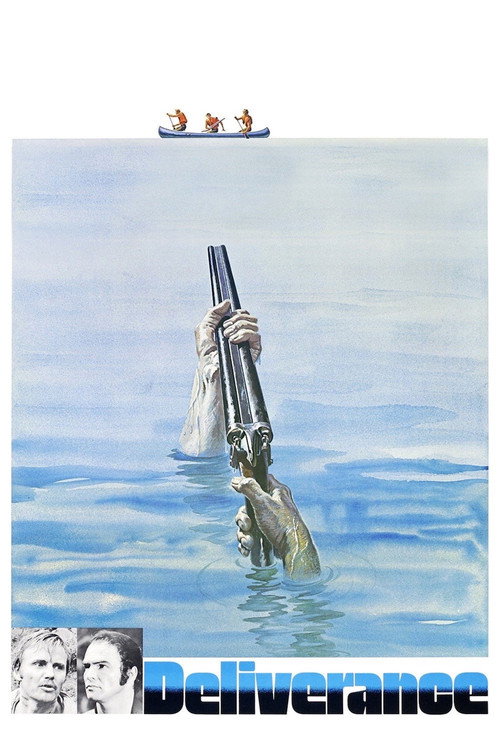
Deliverance1972
Same engine as Onibaba in a different costume: decent people committing atrocity to survive, and the film refusing easy absolution for it.
Four ordinary men turn feral to survive backwoods violence, and the film never lets them — or you — off the hook for what they become.
But American wilderness thriller, not horror; no folklore, no ghosts, just men and a river.
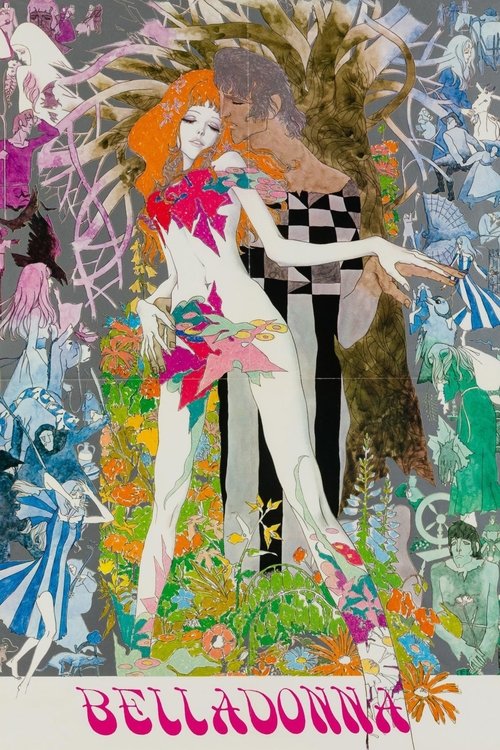
Belladonna of Sadness1973
Same postwar Japanese lineage of rural women, war's aftermath, and desire curdling into the demonic — just blown up into full psychedelic, sexually frank anime.
A psychedelic Japanese animated feature about a peasant woman's sexual awakening and demonic transformation after wartime trauma — hallucinatory, explicit, unforgettable.
But Explicit sexual imagery and a fever-dream animation style that's a long way from Onibaba's grounded realism.
People
Cast
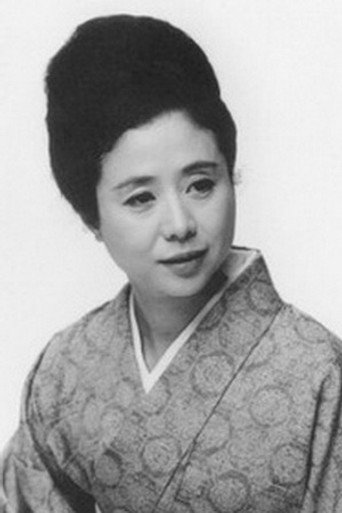 Nobuko OtowaWoman
 Jitsuko YoshimuraYoung Woman
 Kei SatōHachi
 Jūkichi UnoThe Samurai
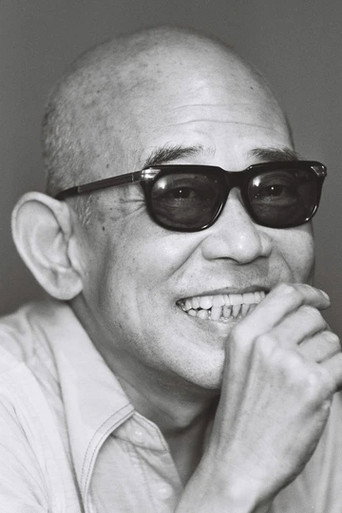 Taiji TonoyamaUshi
- Someshō MatsumotoRunaway Warrior
- Kentarô KajiRunaway Warrior
 Fudeko TanakaOld Woman
- Hiroyoshi YamaguchiHorse Riding Samurai
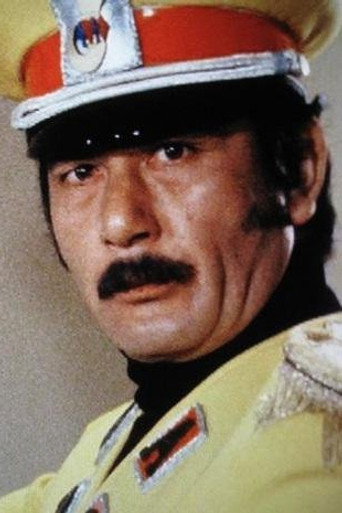 Hiroshi TanakaHorse Riding Samurai
 Kanzō UniHorse Riding Samurai
- Hosui ArayaUshi's Follower
Directing
- Kaneto ShindōDirector
Writing
- Kaneto ShindōScreenplay
Production
- Kazuo KuwaharaAssociate Producer
- Hisao ItoyaProducer
- Setsuo NotoProducer
- Tamotsu MinatoProducer
- Toshio MiyagawaProduction Supervisor
Recommended by
Kwaidan, Ju-on: The Grudge, Audition, The Wailing, The Northman, Kuroneko, Koukyuu no Karasu, Ugetsu, Belladonna of Sadness