
Film
Jigoku
- Crime
- Drama
- Supernatural horror
- Very dark
Jigoku is a 1960 Japanese horror film where interconnected sinners descend into a vivid, grotesque vision of Hell itself. Nakamoto Hideo's direction treats damnation as visual spectacle and psychological torment, blending Buddhist mythology with avant-garde cinema. It's hypnotic and deeply unsettling—for viewers ready to sit with moral ambiguity and experimental form.
Should you watch it?
Watch it if you like your horror built from moral bookkeeping, where every grim vignette is a sinner settling a debt and the dread builds through talk and atmosphere as much as shocks.
Skip it if you need brisk pacing or one central protagonist, since it moves through loosely linked episodes, and its dated stage-bound effects can look creaky to modern eyes.
What it asks of you: A slow, patient ride of roughly ninety-nine minutes in black and white, where you hold on through long static tableaux and episodic detours before the threads gather.
Not sure? Find tonight's pick in a minute.
If you liked this
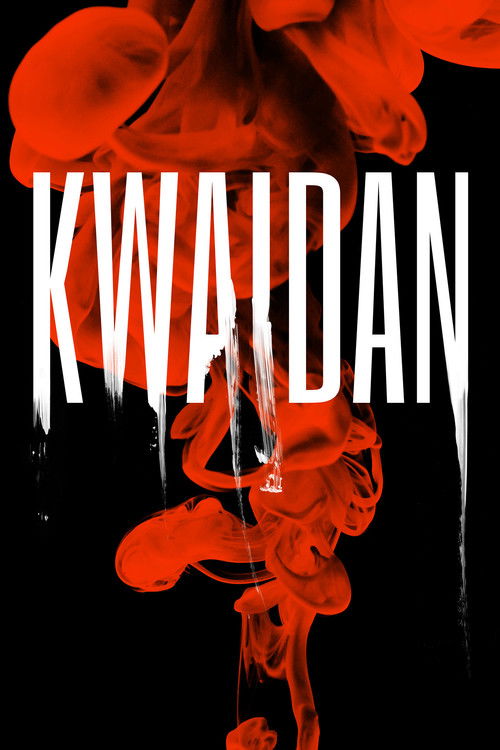
Kwaidan1965
Masaki Kobayashi's four supernatural tales share Jigoku's blend of Japanese folklore, philosophical weight, and stunning visual composition. Equally committed to making the invisible visible through color and shadow.
But Slower paced than most horror, with long stretches of atmospheric buildup rather than incident. The stories feel like parables, which can feel distant.
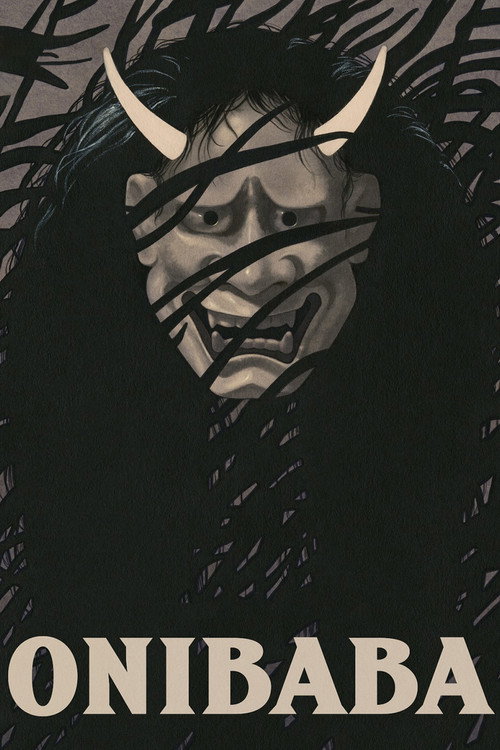
Onibaba1964
Another 1960s Japanese horror film using landscape and ritual as moral language. Shohei Imamura's black-and-white visuals are as striking as Jigoku's Hell, and both films treat cruelty as something that corrupts the soul.
But Extremely bleak. There are no good people here, only varying degrees of complicity and survival. Some find it nihilistic rather than illuminating.
The Seventh Seal1957
Bergman's meditation on death and faith shares Jigoku's gravity about damnation and judgment. Both films treat the metaphysical as cinematically real, and both ask whether morality matters at all.
But Bergman can feel austere and philosophical rather than visceral. If you want sensation over ideas, this will feel slow and talk-heavy.

Not sure tonight? Get a pick in a minute, starting from Jigoku
The wildcard
Something you would not have found on your own.
Synecdoche, New York2008
Both films use production design and visual accumulation as metaphors for psychological entrapment. Both ask whether an artist's sins matter if the work is beautiful.
Charlie Kaufman's film is a descent into a self-created Hell of artistic ambition, obsession, and moral compromise—a psychological underworld rather than a metaphysical one. Like Jigoku, it uses elaborate visual excess to externalize interior damnation, and both suggest that guilt is a space we build and inhabit.
But Notoriously difficult and self-indulgent. The plot collapses into abstraction, which some see as profound and others as self-aggrandizing. Requires patience with obscurity.

More like this (8)
Suspiria1977
Dario Argento's visual fever dream of witchcraft has Jigoku's commitment to making Hell (or evil) look stunning and strange. Both prioritize atmosphere and image over conventional narrative logic.
But Argento's style is camp and artificial in ways Jigoku isn't. The plot is almost negligible, which frustrates anyone wanting a tight story.

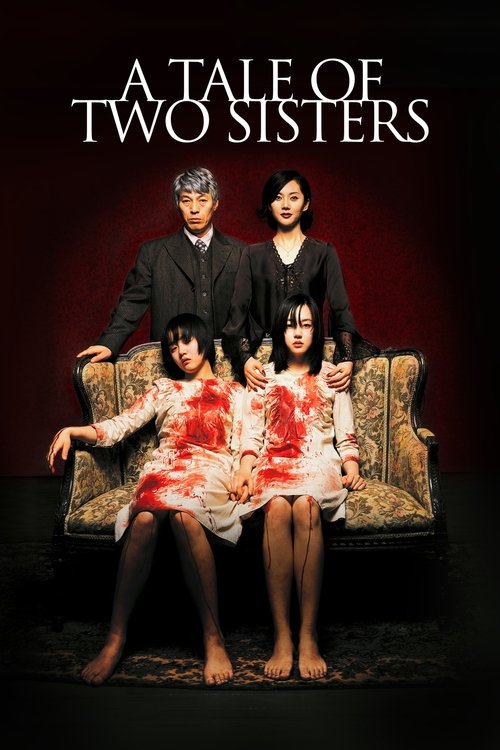
A Tale of Two Sisters2003
Kim Jee-woon's Korean horror uses dreamlike imagery and family trauma as gateways to the surreal, much like Jigoku's interconnected sins. Both films blur psychological breakdown with supernatural collapse.
But The twist ending divides audiences. Some find it recontextualizes everything beautifully; others feel it undermines the film's power.
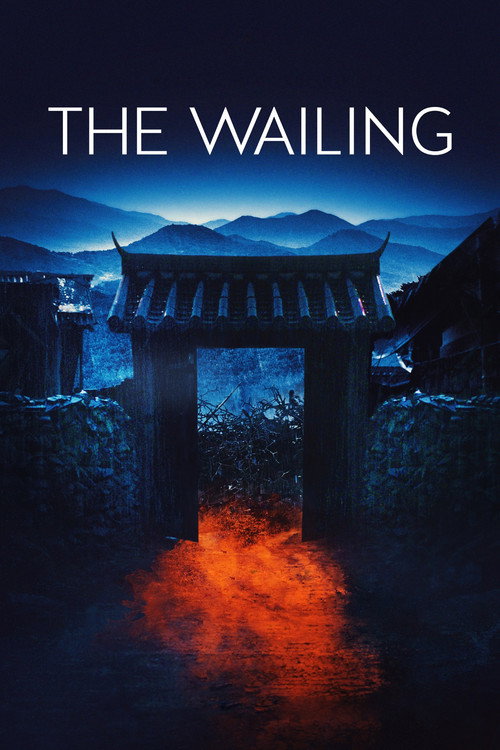
The Wailing2016
Na Hong-jin's mystery-horror explores sin, guilt, and whether redemption is possible in a morally ambiguous world. The visual and thematic complexity rivals Jigoku's ambition, though through a modern lens.
But Nearly three hours long and narratively intricate to the point of frustration. Requires active attention and rewards repeat viewings, which isn't for everyone.
Mulholland Drive2001
Lynch's descent into a fractured Los Angeles hell shares Jigoku's willingness to abandon linear narrative for psychological and spiritual collapse. Both are visually intoxicating and structurally daring.
But Deliberately confusing. If you need answers and clarity, this will infuriate you. Some see it as pretentious rather than profound.

Come and See1985
Elem Klimov's film is perhaps cinema's most unflinching depiction of moral annihilation through war. Like Jigoku, it suggests that witnessing atrocity damns the observer as much as the perpetrator.
But Brutally difficult to watch. This is not entertainment; it's endurance. Many find it traumatizing rather than cathartic, and there's a valid case for that.

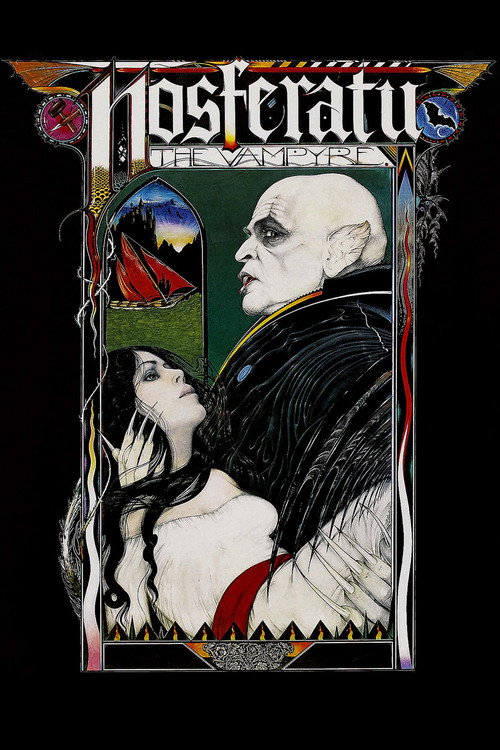
Nosferatu the Vampyre1979
Werner Herzog's remake treats vampirism as metaphysical plague and romantic doom. It shares Jigoku's sense that damnation is inevitable, beautiful, and inescapable—though through Gothic rather than Japanese sensibility.
But More meditative than scary. Herzog's pacing is deliberate to the point of glacial. You're watching mood and philosophy, not plot momentum.
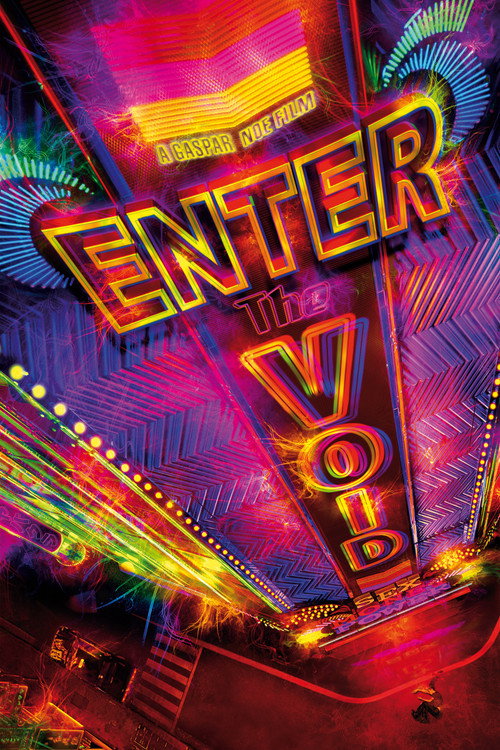
Enter the Void2010
Both films insist that Hell is not punishment imposed from above but a landscape of desire and sin that the damned inhabit willingly. Both use overwhelming visual style as the true subject.
Gaspar Noé's hallucinogenic vision of Tokyo, death, and rebirth is shot from a floating first-person perspective that moves through neon-soaked nightclubs and brothels toward literal transcendence. It's Jigoku for the rave generation—a synesthetic journey through a specific Hell rendered in overwhelming sensory detail.
But Two hours forty minutes of strobing lights, electronic noise, and deliberate visual assault. Nauseating for many viewers. The story is minimal, the style everything. Not for migraine sufferers or anyone with photosensitive epilepsy.
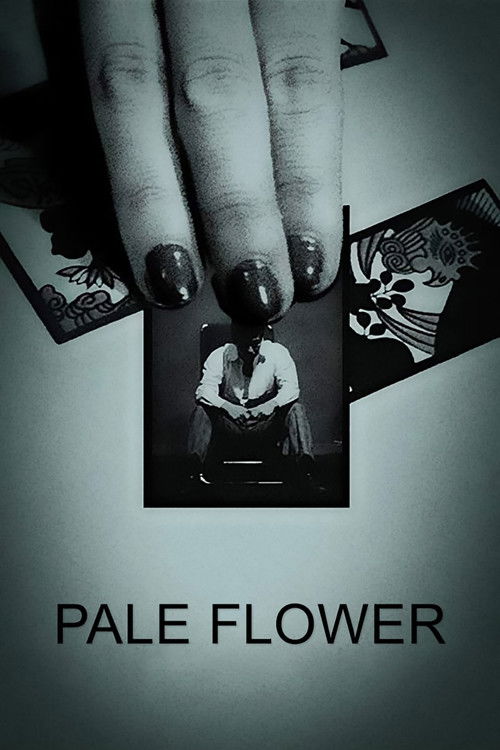
Pale Flower1964
Both are Japanese films from the 1960s that treat transgressive spaces as metaphysically real. Both argue that living in Hell can be more honest than living in society.
Masashiro Shinoda's yakuza film follows a released prisoner who discovers that the underworld offers more spiritual release than legitimate life—a inversion of moral geography. Like Jigoku, it suggests damnation might be preferable to the alternative, and renders a criminal underworld with poetry and visual elegance.
But Slow, oblique, and more interested in mood than action. There's no plot in the conventional sense. The yakuza elements are incidental to the film's meditation on addiction and meaninglessness.
People
Cast
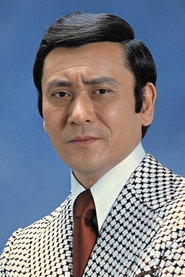 Shigeru AmachiShirô Shimizu
 Utako MitsuyaYukiko / Sachiko
 Yōichi NumataTamura
 Hiroshi HayashiGôzô Shimizu
 Kanjūrō ArashiEnma
 Jun ŌtomoEnsai Taniguchi
- Akiko YamashitaKinuko
 Kiyoko TsujiKyôichi's Mother
 Fumiko MiyataMrs. Yajima
- Akira NakamuraProfessor Yajima
- Kimie TokudaijiIto Shimizu
- Akiko OnoYoko
Directing
- Keinosuke TsuchiyaAssistant Director
- Nobuo NakagawaDirector
Writing
- Ichirō MiyagawaScreenplay
- Nobuo NakagawaScreenplay
Production
- Mitsugi OkuraProducer