
Film
Enter the Void
- Portal fantasy
- Very dark
- Strange
A hallucinogenic first-person vision of the afterlife from the spirit of a dead drug dealer in Tokyo. Shot as a sustained visual assault of neon, geometry, and fractured memory, it moves like a fever dream and feels less like narrative than immersion. For viewers willing to surrender to sensory overload and sit with grief's strangeness without resolution.
Should you watch it?
Watch it if you want cinema that pushes past plot into sensation, and you are happy to be disoriented by a camera that never blinks and a neon-soaked Tokyo that feels like a fever.
Skip it if you need a story with clear turns and momentum, since this one drifts through long hallucinatory stretches and its 161 minutes will test patience.
What it asks of you: Long, slow and mostly disorienting, with a restless camera that hovers over every scene and a dark palette that rarely lets up, it asks for near-total attention.
Not sure? Find tonight's pick in a minute.
If you liked this
Requiem for a Dream2000
Aronofsky's descent into addiction uses montage and distortion to make internal collapse visible. Like Enter the Void, it finds profound empathy inside total degradation, and refuses to look away.
But The despair is unrelenting and the style eventually feels punishing rather than exploratory. Some viewers experience it as exhausting rather than transcendent.

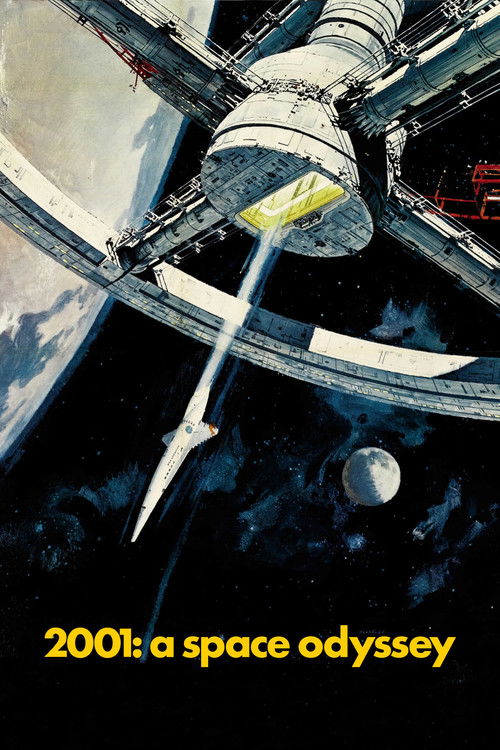
2001: A Space Odyssey1968
Kubrick builds a cosmos of visual abstraction where meaning lives in form, not plot. Long, hypnotic, and trusting the audience to find their own way through strangeness—exactly Enter the Void's philosophy.
But Very slow. Very quiet. The reputation can set false expectations; it's meditative rather than dramatic, which frustrates people primed for narrative.
Stalker1979
Tarkovsky's spiritual journey uses long takes and landscape as a language for the unknowable. Like Enter the Void, it's patient with mystery and uninterested in answers—the form itself is the meaning.
But Longer than Enter the Void and even more demanding of patience. It moves at the speed of thought, which can feel glacial if you're watching for momentum.

Not sure tonight? Get a pick in a minute, starting from Enter the Void
The wildcard
Something you would not have found on your own.
Sans Soleil1983
Both use foreign cities as spiritual labyrinths. Both treat the image as a thought rather than an illustration. Both assume the viewer will follow into genuinely disorienting territory.
Chris Marker's essay-film meditates on memory, death, and time across Tokyo and Guinea-Bissau—a visual poem rather than narrative. It moves at the speed of consciousness and feels closer to dreaming than cinema normally permits.
But There is almost no plot and no characters. It's voice-driven and demands the viewer construct meaning from juxtaposition. Many find it inaccessible rather than poetic.

More like this (7)
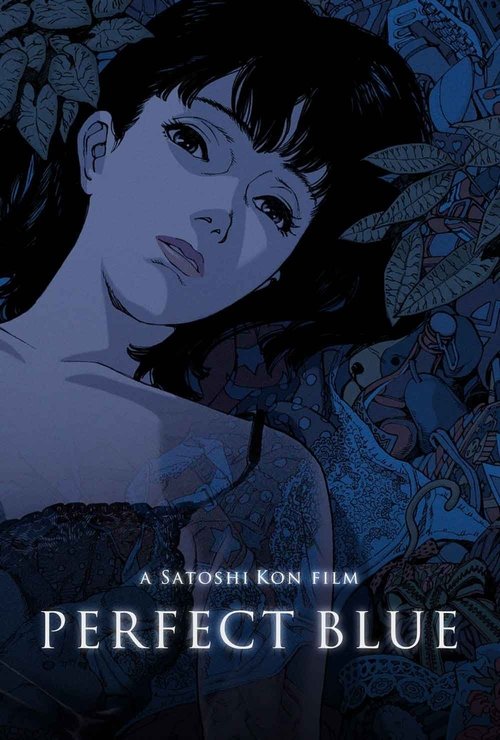
Perfect Blue1998
Satoshi Kon's mind-bending animation collapses reality and obsession through split-screens and bleeding identities. It captures that same vertiginous feeling of perception becoming unreliable.
But The plot can seem muddled on first viewing. It requires patience to untangle, and some find the pacing jarringly fast after the opening.
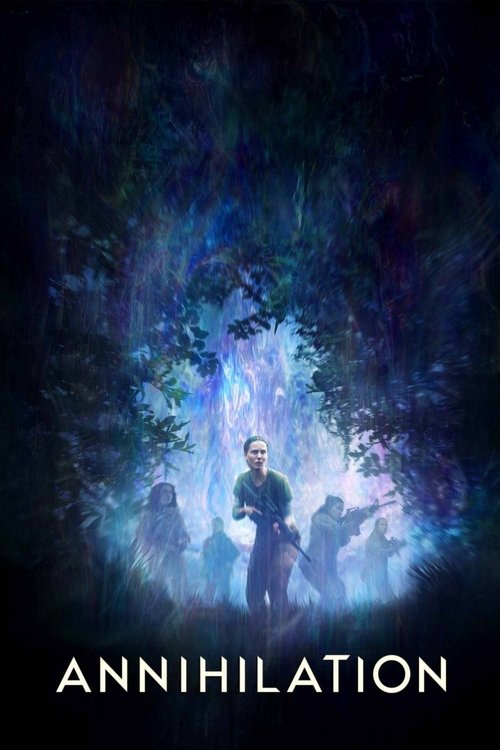
Annihilation2018
Alex Garland's exploration of a mysterious zone uses visual abstraction and mounting dread to suggest something beyond comprehension. It shares Enter the Void's commitment to letting the audience sit in uncertainty.
But The science-fiction framework may feel safer than you want. It ultimately explains things where Gaspar Noé would leave you suspended.
Under the Skin2014
Jonathan Glazel treats narrative as secondary to atmosphere and image. Long sequences of mood over plot, alien geometries, and a refusal to comfort the viewer—philosophically aligned with Enter the Void's priorities.
But It's deliberately enigmatic to the point of opacity. If you need clarity or conventional character development, this will feel pretentious rather than profound.

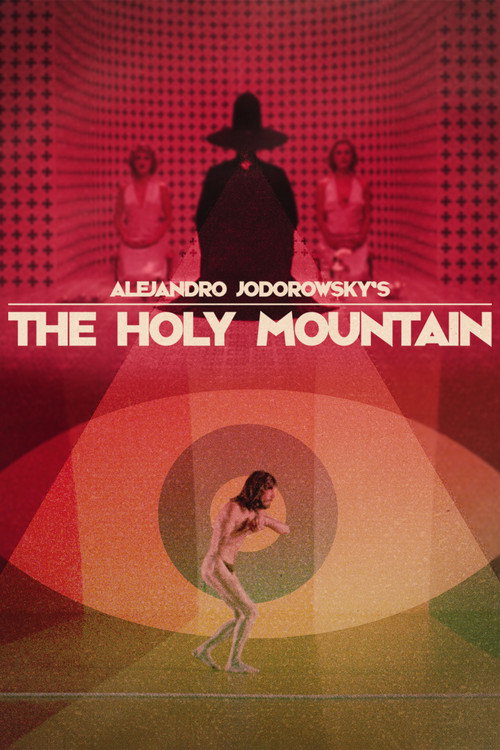
The Holy Mountain1973
Jodorowsky's surrealist epic is a hallucinogenic spiritual journey through human degradation and transcendence. Wildly transgressive visuals in service of sincere metaphysical questions.
But It's genuinely disturbing and sometimes gratuitous. The spiritual ambitions and the shock tactics don't always feel balanced.
Mulholland Drive2001
Lynch fractures Los Angeles into dream logic where identity and reality become porous. Like Enter the Void, it trusts fragmentation and visual language over plot coherence.
But The structure is deliberately confusing. Some find it rewarding; others feel it's withholding information as a substitute for meaning.

Synecdoche, New York2008
Kaufman's only directed film uses nested realities and scale distortion to collapse self, art, and death. It's about mortality and obsession with genuine strangeness but more narrative structure than Enter the Void.
But The ambition can feel bloated. It's trying to contain everything and sometimes collapses under its own scope.

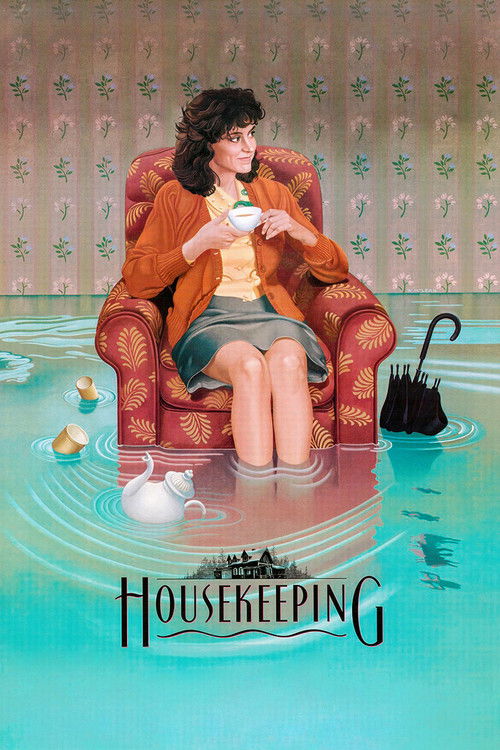
Housekeeping1987
Both are about how grief deranges perception and make that internal state the shape of the film itself. One is overwhelming; one is whisper-quiet. Both trust the audience to feel rather than understand.
Bill Forsyth's strange, elegiac film about grief and abandonment moves with dream logic and genuine strangeness. It's sparse and small where Enter the Void is overwhelming, but both trust that emotional truth exists outside conventional narrative.
But It's quiet to the point of stillness. The pacing will feel glacial to anyone seeking momentum. Some see it as minor; it's actually profound but doesn't announce itself.
People
Cast
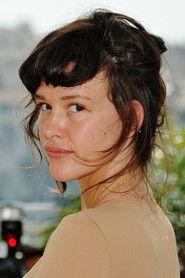 Paz de la HuertaLinda
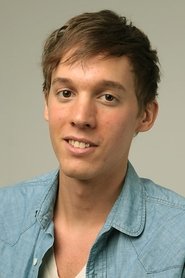 Nathaniel BrownOscar
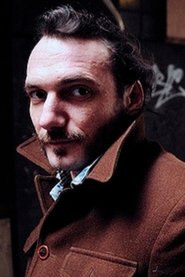 Cyril RoyAlex
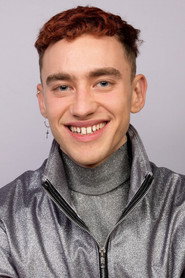 Olly AlexanderVictor
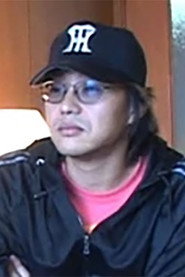 Masato TannoMario
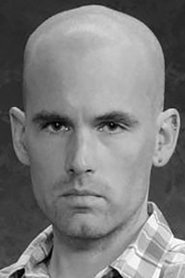 Ed SpearBruno
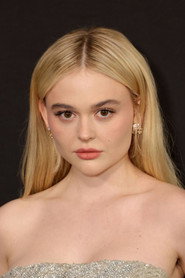 Emily Alyn LindYoung Linda
 Jesse KuhnYoung Oscar
 Nobuko ImaiTito
- Sakiko FukuharaSaki
- Janice Béliveau-SicotteMother
 Sara StockbridgeSuzy
Directing
- Hideaki JimboAssistant Director
- Michael A. WilliamsAssistant Director
- Toshio HanaokaAssistant Director
- Gaspar NoéDirector
Writing
- Gaspar NoéWriter
Production
- Gaspar NoéAssociate Producer
- Nicolas LeclercqAssociate Producer
- Philippe BoberAssociate Producer
- Valerio De PaolisAssociate Producer
- Barbara PfisterCasting
- Des HamiltonCasting
- Helene RousseCasting
- Kathryn TaylorCasting
- Lisa Mae FincannonCasting
- Georgina PopeLine Producer
- Olivier Théry-LapineyLine Producer
- Suzanne GirardLine Producer
- Brahim ChiouaProducer
- Marc MissonnierProducer
- Olivier DelboscProducer
- Peter HermannProducer
- Pierre BuffinProducer
- Susanne MarianProducer
- Vincent MaravalProducer
Recommended by
An Occurrence at Owl Creek Bridge, A Scanner Darkly, Un Chien Andalou, Pi, Control, Fantastic Fungi, Vortex, Fear and Loathing in Las Vegas, Southland Tales, Liquid Sky, Vanilla Sky, 9, The Zero Theorem, Pink Floyd: The Wall, Jigoku, The Beach, Vanishing Point, Naked Lunch, Hardcore Henry, Last Days, No Exit, Mandy, Martyrs, Irreversible, 9 Songs, Zookeeper, Have a Good Trip: Adventures in Psychedelics, Salò, or the 120 Days of Sodom, The Masque of the Red Death, What the #$*! Do We (K)now!?, The Forbidden Room, Morgan: A Suitable Case for Treatment, Vanya and Sonia and Masha and Spike, A Serbian Film, Parade, Metallica: Through the Never, 200 Motels, Toute une nuit, Stay, The Greasy Strangler, The Octagon, The Limits of Control, Year of the Dog, The Act of Seeing, Berlin Calling, The Ten, The Burden, Daydream, Kaboom, Molotov Alva and His Search for the Creator: A Second Life Odyssey, Hamletmachine, Black Heaven, Remainder, Southbound, Caviar, Possible Worlds