
Film
Fear and Loathing in Las Vegas
- Comedy
- Strange
- Relentless
Terry Gilliam's hallucinogenic adaptation of Hunter S. Thompson's novel is a fractured, intensely visual descent into drug-fueled paranoia and American excess. Depp and del Toro careen through Vegas as unreliable narrators in a film that feels like watching someone's fevered nightmare. Challenging, darkly funny, and genuinely disorienting—not for everyone, but unforgettable for those it reaches.
Should you watch it?
Watch it if you like scattered, hallucinatory comedy where the form mirrors the chaos, and you don't mind a character who seems to be losing the thread as much as the audience is.
Skip it if you need a plot that moves forward in a straight line, since this drifts in loose, repetitive episodes and rewards mood over momentum, even at nearly two hours.
What it asks of you: It asks you to stay in a sustained haze for 118 minutes, letting sensation pile up scene by scene instead of waiting for neat payoffs.
Not sure? Find tonight's pick in a minute.
If you liked this
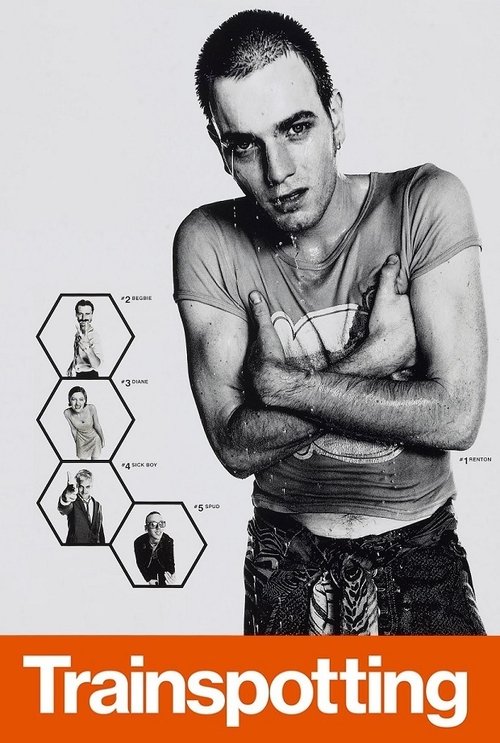
Trainspotting1996
A similarly propulsive descent into addiction told with visual bravura and black humour. Boyle's Edinburgh heroin scene hits the same register of stylised dysfunction and human wreckage, though with Scottish grit where Gilliam brings acid-dream chaos.
But Harder to watch in some ways—grittier, colder, less fantastical. If you want the drug experience prettified rather than unflinching, this will feel bleaker.
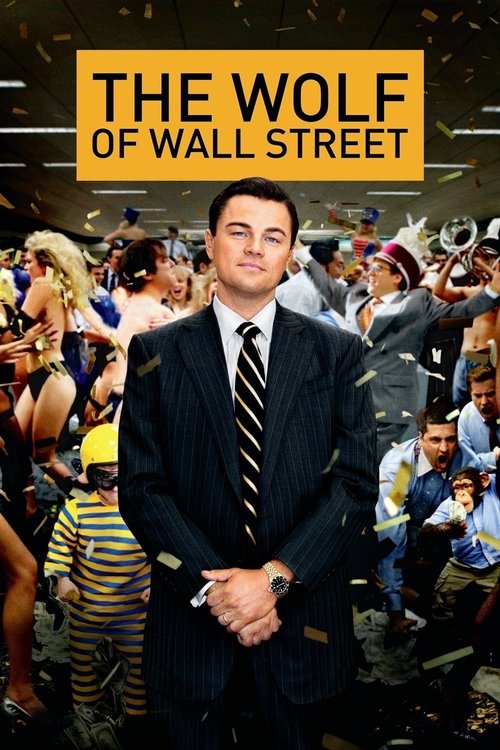
The Wolf of Wall Street2013
Same energy: excess, corruption, charisma masking moral void, and a protagonist so committed to their self-destruction that watching becomes a kind of dark comedy. Scorsese captures that manic, consequence-free spiral before the reckoning.
But Three and a half hours of unearned confidence. DiCaprio's charm can feel like the film's endorsement of Belfort's behaviour, which may frustrate you.
Requiem for a Dream2000
Aronofsky's four-way addiction spiral—heroin, cocaine, speed, prescription pills—with visual inventiveness that rivals Gilliam's. The disintegration is real, the style operatic. A vision of drug use without comedy or consolation.
But Genuinely punishing to watch. There is no catharsis, no affection for its characters, no moment to breathe. The editing is relentless and the ending is designed to devastate.

Not sure tonight? Get a pick in a minute, starting from Fear and Loathing in Las Vegas
The wildcard
Something you would not have found on your own.
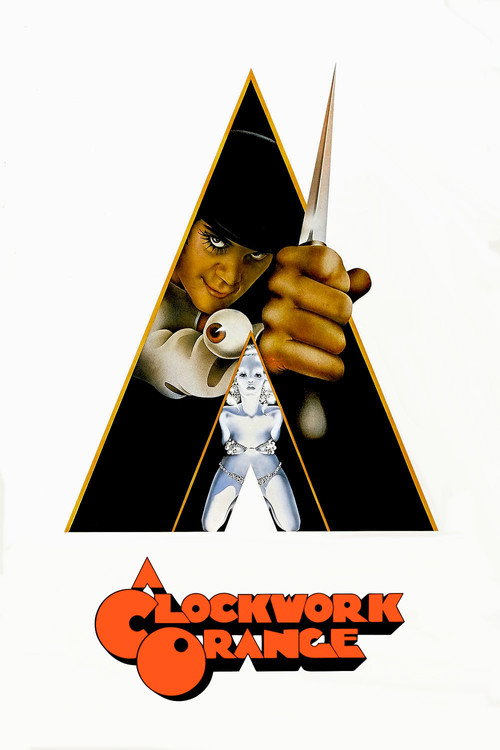
A Clockwork Orange1971
Both use baroque visual style to immerse you in a protagonist's depravity without allowing distance or comfort.
Kubrick's 1971 dystopia is the closest thing to a spiritual ancestor—visual excess deployed to show moral corruption, style as the film's argument, a protagonist who is magnetic and appalling. Both films are formally radical in ways that date them strangely backwards into the future.
But The sexual violence is graphic and neither contextualised nor condemned. Kubrick's coldness can read as endorsement. Many find the film itself morally repugnant, and that's not a misreading.
More like this (8)
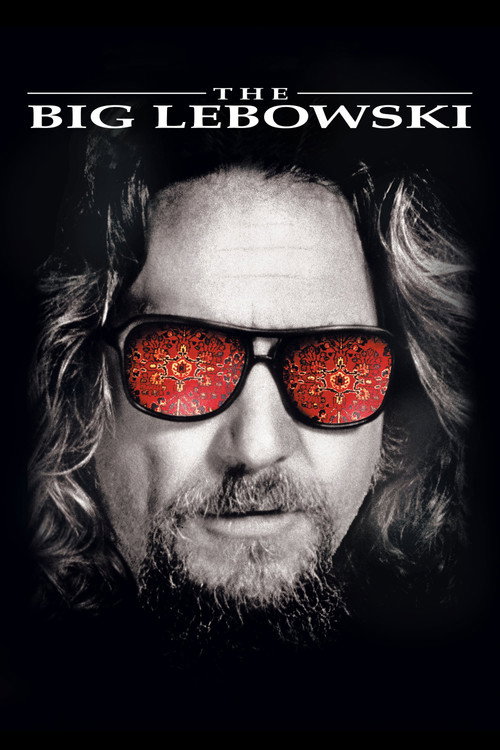
The Big Lebowski1998
Released the same year; similarly fractured narrative where plot matters less than atmosphere, character, and the peculiar logic of a stoned protagonist stumbling through an indifferent world. Coen Brothers' precise weirdness matches Gilliam's.
But Deliberately plotless and meandering. If you need a story with momentum and resolution, the aimlessness will feel like affectation.
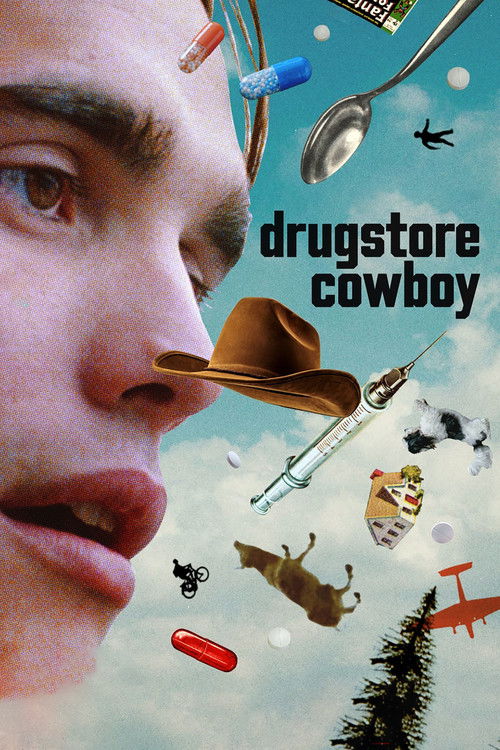
Drugstore Cowboy1989
Gus Van Sant's portrait of Portland drug addicts—intelligent, empathetic, visually elegant. Where Fear and Loathing is delirious and picaresque, this is intimate and mournful. Same subject, utterly different temperature.
But Quiet and elegiac where you might want kinetic energy. The emotional weight builds slowly; immediate gratification is not the point.
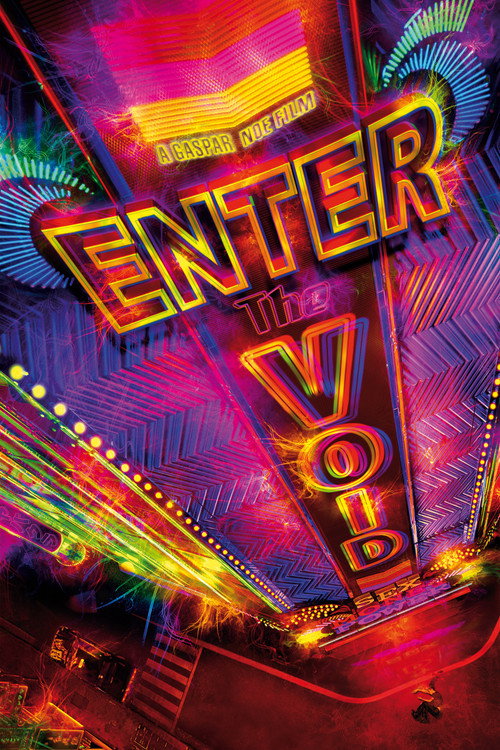
Enter the Void2010
Gaspar Noé's Tokyo nightmare filmed like a first-person hallucination—strobing neon, fractured perspectives, a journey through pleasure and death. Visually as uncompromising as Gilliam's Vegas, thematically even darker.
But Assaultive and pretentious. Nearly three hours of sensory bombardment with minimal plot. Many will find it unwatchable; some will find it essential. No middle ground.
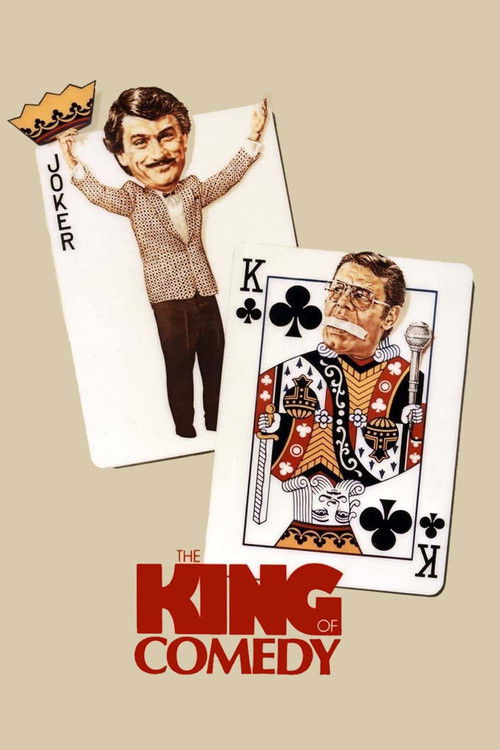
The King of Comedy1982
Scorsese's portrait of delusion and desperation, where the protagonist's reality warps increasingly around his fantasy. DeNiro's obsessed comedian shares Duke's detachment from consequence, but Scorsese undercuts the comedy with creeping dread.
But Uncomfortable in ways that aren't funny. The laughs dry up as the film darkens; if you're watching for entertainment, the shift will feel punishing.
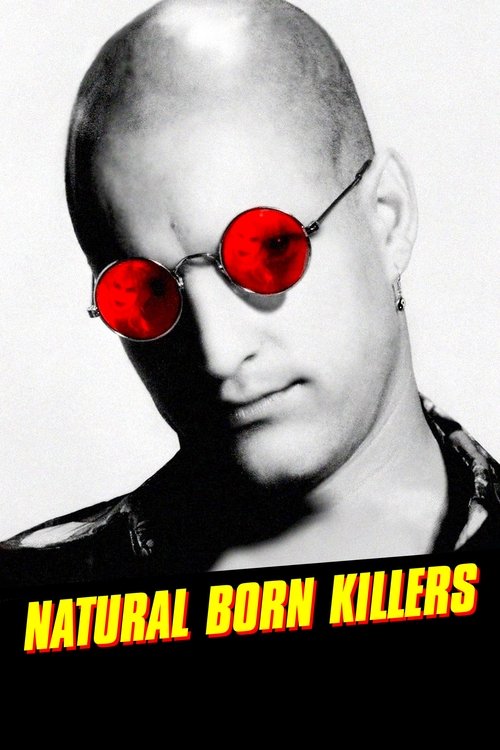
Natural Born Killers1994
Stone's fractured, media-saturated America; visual excess as content; a road movie where protagonists are both victims and architects of their own chaos. Similar DNA to Gilliam's approach, different destination.
But Dated in its provocations and heavy-handed in its satire. What felt transgressive in '94 now reads as obvious, and the romance angle undercuts the critique.
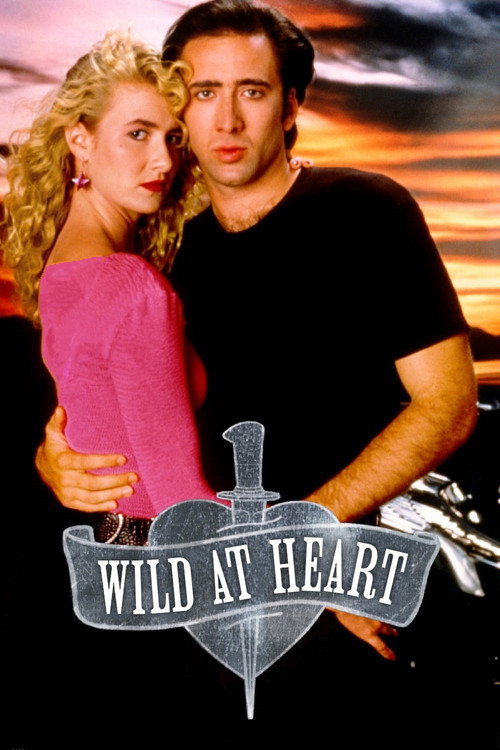
Wild at Heart1990
Lynch's fever dream of American danger and desire. A road movie as surrealist poem, where logic dissolves and the couple's love is both genuine and deranged. Similar commitment to style over sense, dreams over plot.
But Wilfully obscure and self-indulgent. If you don't surrender to Lynch's wavelength, it will feel pretentious and impenetrable.
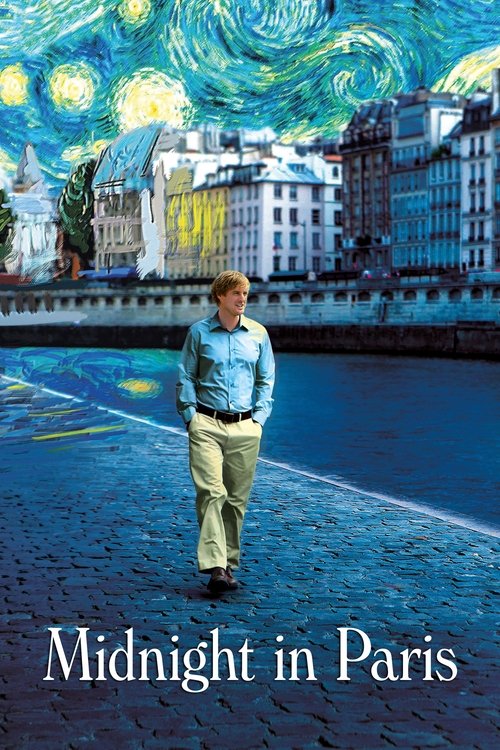
Midnight in Paris2011
Both protagonists flee into fantasies of 'better' times and places; both films ask what happens when you can't leave the dream.
Allen's magical-realist fantasy of escape and artistic nostalgia—Wilson's character dissolves into 1920s Paris, chasing golden-age aesthetics. Where Fear and Loathing is Nevada drug hell, this is the dream of elsewhere as salvation. Both are about the gap between fantasy and consequence, one funny, one dark.
But Whimsical and sentimental where you might want complexity. Allen's formula—American in Europe learning life lessons—feels slight, and the romance is calculated.
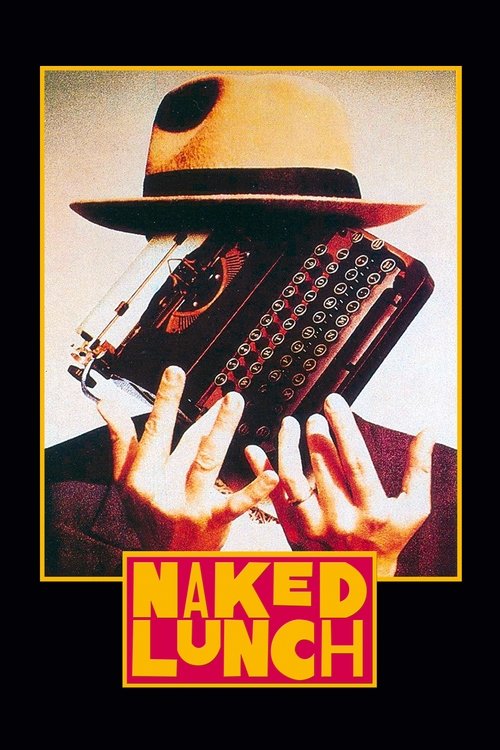
Naked Lunch1991
Both are films of pure subjective immersion—the screen becomes a protagonist's consciousness unspooling in real time, hostile to conventional storytelling.
Cronenberg's adaptation of Burroughs' unfilmable novel—a hallucinatory collage where plot dissolves into imagery, addiction and creativity blur, and narrative logic becomes irrelevant. As formally anarchic as Fear and Loathing, even more alienating. A genuine fever dream.
But Deliberately incoherent and grotesque. If you want narrative or meaning to coalesce, it won't. Audiences often leave this one genuinely disturbed and unsure what they've seen.
People
Cast
 Johnny DeppRaoul Duke
 Benicio del ToroDr. Gonzo
 Tobey MaguireHitchhiker
 Michael Lee GoginUniformed Dwarf
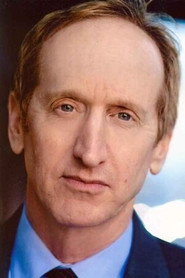 Larry CedarCar Rental Agent - Los Angeles
- Brian Le BaronParking Attendant
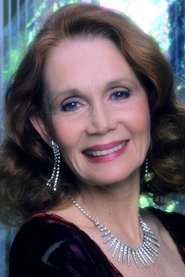 Katherine HelmondDesk Clerk at Mint Hotel
 Michael WarwickBell Boy
 Craig BierkoLacerda
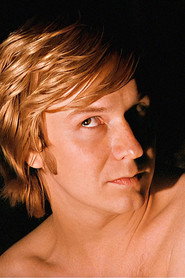 Tyde KierneyReporter
 Mark HarmonMagazine Reporter
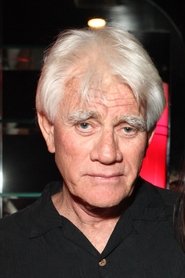 Tim ThomersonHoodlum
Directing
- Terry GilliamDirector
- Philip A. PattersonFirst Assistant Director
- Karon MayScript Supervisor
- Christina FongSecond Assistant Director
- Seth EdelsteinSecond Second Assistant Director
- Bruce LoganSecond Unit Director
Writing
- Hunter S. ThompsonNovel
- Alex CoxScreenplay
- Terry GilliamScreenplay
- Tod DaviesScreenplay
- Tony GrisoniScreenplay
Production
- R. Scott PooleAssistant Location Manager
- Alisa MoellerAssistant Production Coordinator
- Nancy RestucciaAssistant Production Coordinator
- John JergensAssociate Producer
- Margery SimkinCasting
- Carmen CubaCasting Assistant
- Elliot Lewis RosenblattCo-Producer
- Harold BronsonExecutive Producer
- Richard FoosExecutive Producer
- Susan GiordanoFirst Assistant Accountant
- Serena BakerLocation Assistant
- Molly AllenLocation Manager
- Kristen FelanPayroll Accountant
- Laila NabulsiProducer
- Patrick CassavettiProducer
- Stephen NemethProducer
- Keli CraigProduction Assistant
- Pearl A. LuceroProduction Coordinator
- Deborah RickettsResearcher
- Jenni WielandSecond Assistant Accountant
- Mark IndigUnit Production Manager
Recommended by
Trainspotting, Withnail & I, Control, Spinning Plates, Road Trip, Freeway, Have a Good Trip: Adventures in Psychedelics, Into the Dark, Choke, Masters of Horror, Permanent Midnight, Ringmaster, Blue Sunshine, Tragedy Girls, Gonzo: The Life and Work of Dr. Hunter S. Thompson, The Circus