
Television series
The Circus
Other titles called The Circus: the 1928 film.
The Circus is a real-time documentary series following the 2016 US presidential election and Trump presidency through the eyes of four experienced political journalists. It's urgent, intimate, and often darkly funny—less about declaring winners than exploring how power actually works when cameras are allowed close. For anyone curious about recent American politics who wants reporting over rhetoric.
Should you watch it?
Watch it if you care about how the Trump-era news cycle actually worked and enjoy quick, knowing talk from people who have spent time close to American politics, with the headlines still fresh.
Skip it if you want a settled, long-view history, since this is brisk, real-time chatter about headlines that were still unfolding while it aired.
What it asks of you: Episodes run about half an hour across eight seasons and 130 installments, so it is a long, steady commitment best taken in regular doses.
Not sure? Find tonight's pick in a minute.
If you liked this
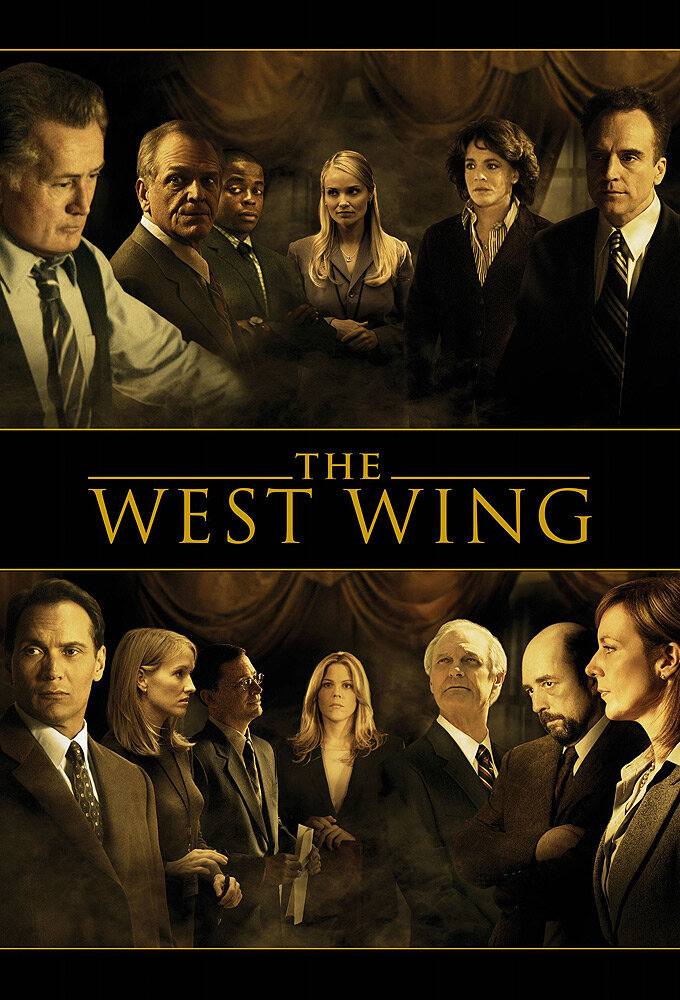
The West Wing1999
Aaron Sorkin's idealistic drama about presidential staffers offers the inverse image: how government looks when institutions function and people mostly mean well. Pair it with The Circus to see fantasy versus reality.
But It's relentlessly optimistic in a way that feels almost naive now. Seven seasons is also a time commitment.
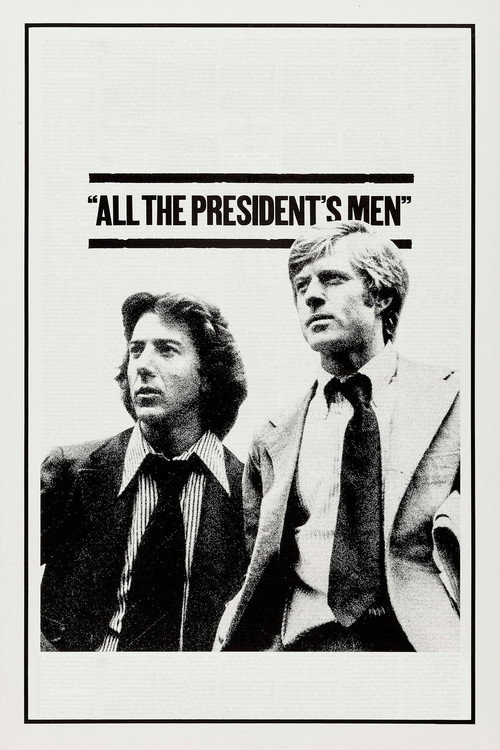
All the President's Men1976
Woodward and Bernstein chasing Watergate—the template for how journalism investigates power. It shows what careful reporting looks like when stakes are genuinely high and nobody knows how it ends.
But Methodical 1970s pacing. If you want constant revelation, this builds slowly and deliberately.
Veep2012
Political satire that somehow becomes more accurate the longer The Circus runs. Its cynicism about how government actually functions—the incompetence, the vanity, the chaos—lands differently after watching real events unfold.
But Comedy about politics you care about can feel glib. The humor gets darker as the show progresses and stops being purely funny.

Not sure tonight? Get a pick in a minute, starting from The Circus
The wildcard
Something you would not have found on your own.
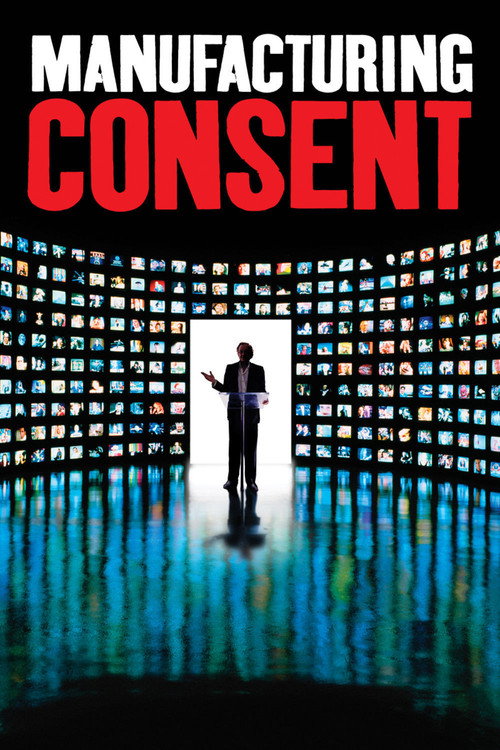
Manufacturing Consent: Noam Chomsky and the Media1992
Both examine how stories about politics actually get told—the apparatus, the choices, the power structures. The Circus shows it happening in real time; Manufacturing Consent explains the system that makes it inevitable.
Documentary about how media systems manufacture consent rather than report truth. It's a theoretical argument that becomes viscerally clear watching The Circus—how narratives are shaped, what gets centered, what disappears.
But It's dense, polemical, and makes a case rather than letting you decide. Some find Chomsky's arguments reductive, and the film doesn't present counterarguments fairly.
More like this (7)
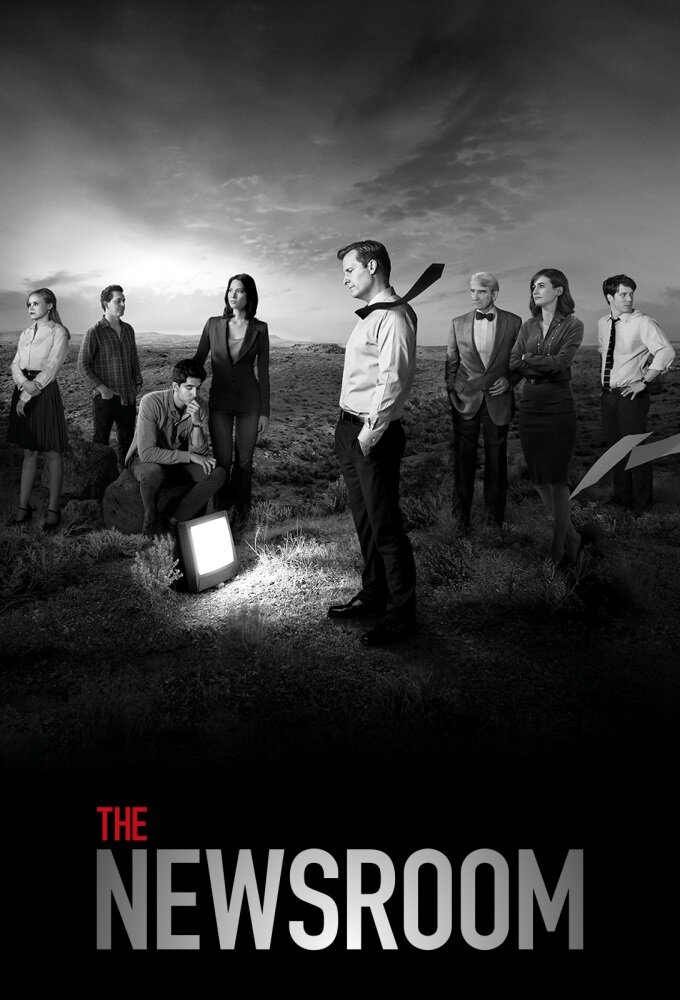
The Newsroom2012
Aaron Sorkin's idealistic drama about journalists trying to report truth during the Obama era. Like The West Wing, it's what the world looks like when people in institutions actually believe in them—a useful counterpoint.
But Sorkin's dialogue is self-conscious and sometimes preachy. The show argues its politics rather than letting them emerge from events.
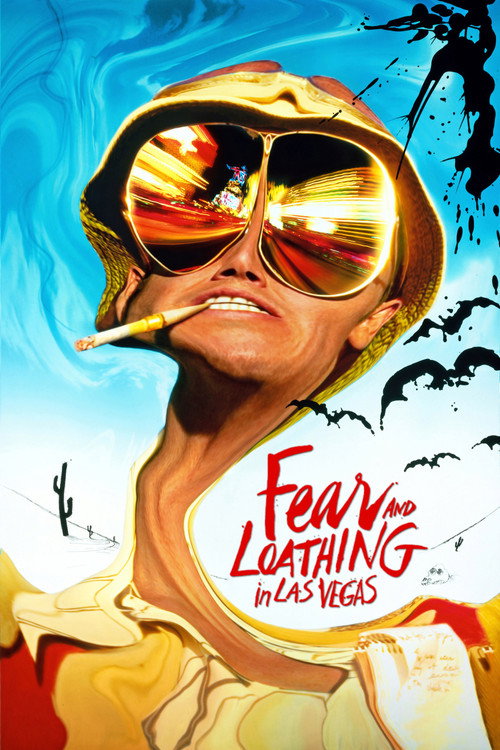
Fear and Loathing in Las Vegas1998
Terry Gilliam's hallucinatory adaptation of Hunter S. Thompson's essay captures the breakdown of American consensus and the paranoid energy of the early 1970s. It's anarchic, often hilarious, and somehow documents a real historical moment through total psychic disarray.
But It's a fever dream rather than a narrative. If you need plot or conventional sense, this will be frustrating and exhausting.
Unnatural Selection2019
This Netflix documentary series explores how misinformation spreads through American institutions—science, media, politics. It's journalism about journalism, examining how facts become contested in real time.
But Some episodes feel didactic. The optimistic final message about fighting misinformation can feel thin against the evidence presented.

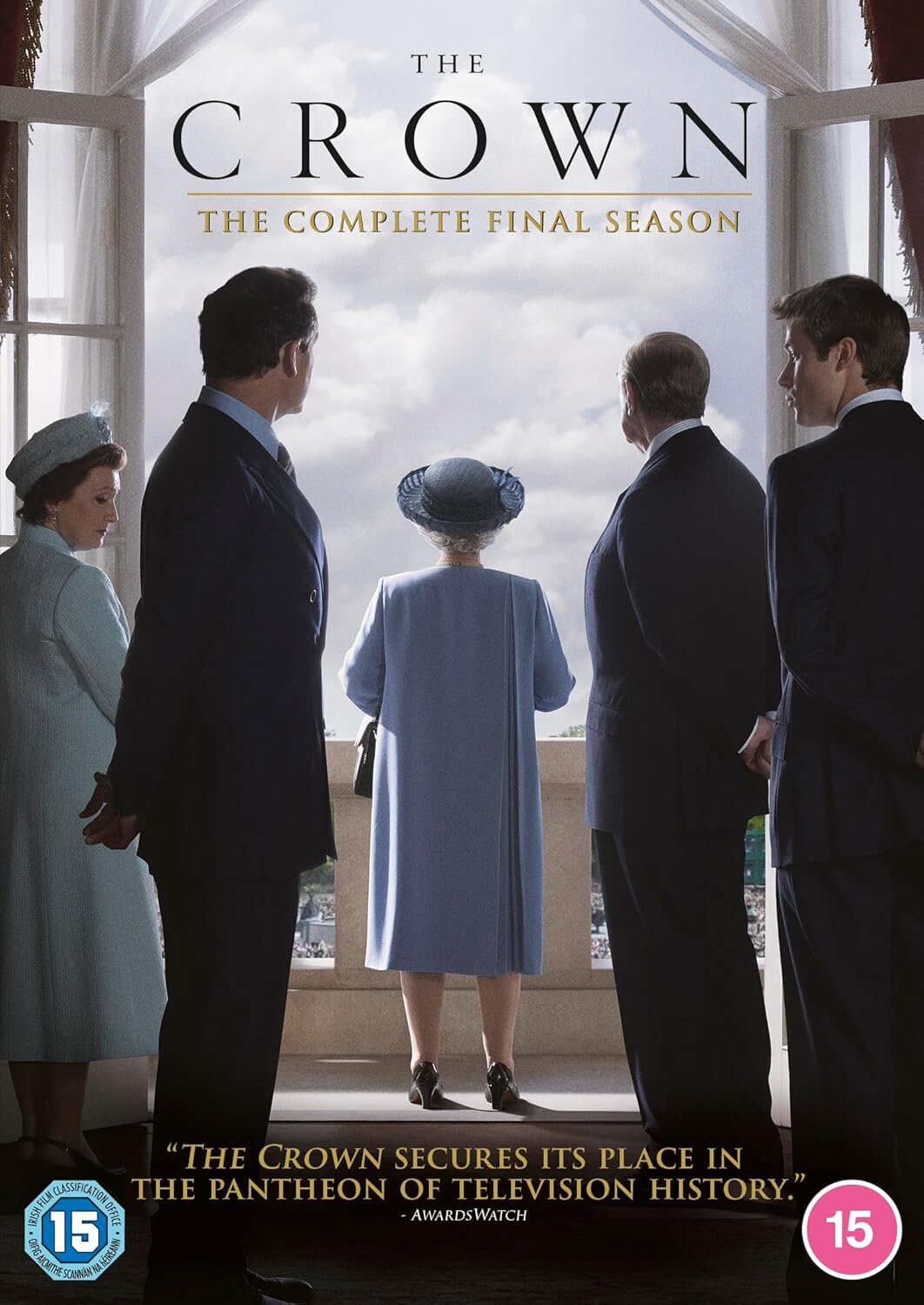
The Crown2016
Dramatized but detailed examination of how power operates within institutions and families. It shares The Circus's interest in character, motivation, and the gap between public image and private reality—just with royalty instead of politics.
But It's drama, not reporting. You're always aware you're watching interpretation, which some find more interesting and others find dishonest about history.
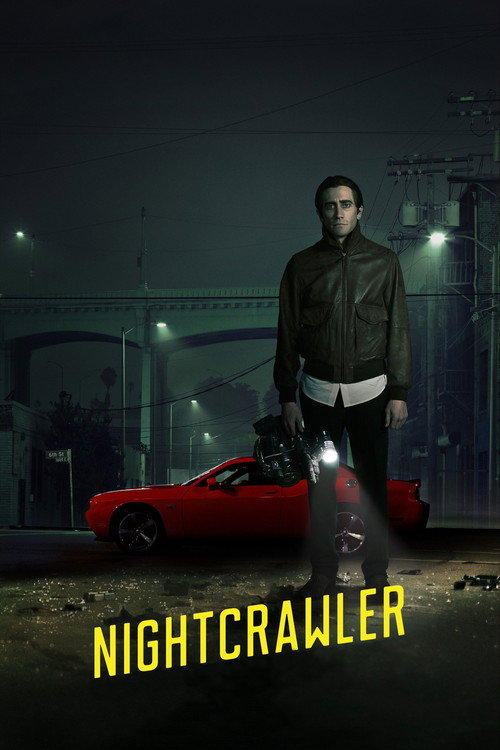
Nightcrawler2014
Jake Gyllenhaal as a freelance videographer chasing sensational stories for LA news. It's a dark, precise examination of how media manufactures crisis and how ambition corrupts institutions from within. Sharper than many documentaries about media itself.
But It's a thriller, not reportage, and deeply nihilistic. If you want solutions or hope, it offers neither.
Ghostland2018
Where The Circus is immediate and urgent, this offers deep spatial and historical context. Both are asking how we understand American politics, but one races and one lingers.
A visual essay by Dutch filmmaker Aria Loberti about American politics, geography, and myth told entirely through photographs and ambient sound. No narration, no talking heads—just landscape and history and the weight of what happened where.
But It's experimental and asks a lot from viewers. If you want direct information or narrative momentum, you'll find it frustratingly oblique and slow.

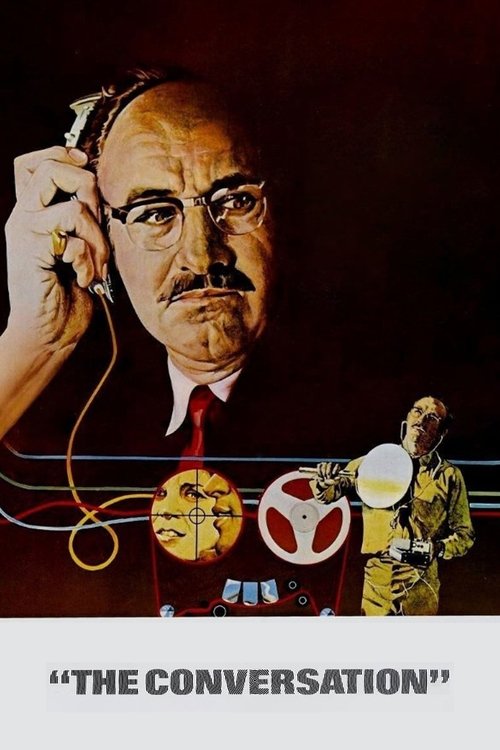
The Conversation1974
Both examine what happens when people are watched, when cameras change behavior, when reporting reshapes reality. The Circus literally watches politics; The Conversation asks what it means to watch anything at all.
Coppola's thriller about a surveillance expert recording a conversation and growing paranoid about what he's captured. It's formally brilliant and documents 1970s anxieties about privacy and power in ways that uncannily preview our current moment.
But It's a slow-burn psychological drama, not journalism. The narrative unfolds obliquely, and the ambiguity bothers people who want clarity.
People
Cast
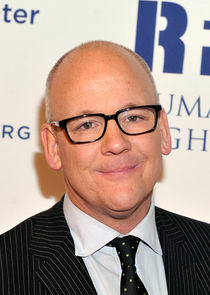 John HeilemannHost
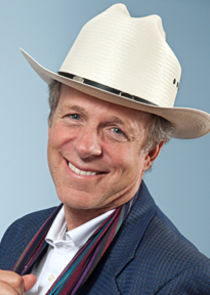 Mark McKinnonHost

 Alex WagnerHost