
Film
The Accidental President
A 2020 documentary investigating how Trump won the 2016 election against near-universal predictions of a Clinton landslide. Features interviews with political operatives, media figures, and strategists from across the spectrum. It's a forensic examination of polling failures, media dynamics, and electoral mechanics—more interested in *how* than in arguing *why* it mattered.
Should you watch it?
Watch it if you followed the 2016 election as a puzzle and still want the machinery explained, with commentators from both sides arguing over the same unexpected result.
Skip it if you were already sick of 2016 coverage and want a fresh angle, since this mostly revisits the familiar pundit lineup and the polls everyone already argued about.
What it asks of you: About ninety-four minutes of interviews cut against archive clips, so it stays brisk and rarely lingers, asking you to follow a political argument rather than to feel much.
Not sure? Find tonight's pick in a minute.
If you liked this
All the President's Men1976
The gold standard for 'how did this happen?' political cinema. Shows journalism as detective work, not commentary. Methodical, gripping, and about institutional failure at scale.
But Deliberately paced. No answers arrive quickly. If you want someone to tell you what to think, this isn't it.
Frontline1983
PBS's deep-dive comparison of Trump and Biden's lives and characters. Rigorous reporting. Lets evidence speak rather than editorializing.
But Broadcast documentary pacing feels slow if you're used to streaming. Covers familiar ground if you followed 2020 closely.
The Circus2016
Showtime's fly-on-the-wall series during the 2016 campaign. You see the machinery in real time—operatives, pollsters, strategists—before the outcome was known. Feels like a primary source.
But Overwhelmingly focused on Trump's campaign, which creates an imbalance. Moves very fast; easy to lose the thread if you step away.
Not sure tonight? Get a pick in a minute, starting from The Accidental President
The wildcard
Something you would not have found on your own.
Network1976
Both documents how information systems fail. Network shows how television creates reality; *The Accidental President* shows what happens when it does.
Paddy Chayefsky's savagely prescient satire about how news became entertainment and ratings became truth. Every scene feels ripped from 2016—or 2024. It's not a documentary, but it's more truthful about media than most are.
But Theatrical and angry in a way that can feel overwrought. It's a sermon disguised as a movie, and if you don't share the sermon, it exhausts.
More like this (4)
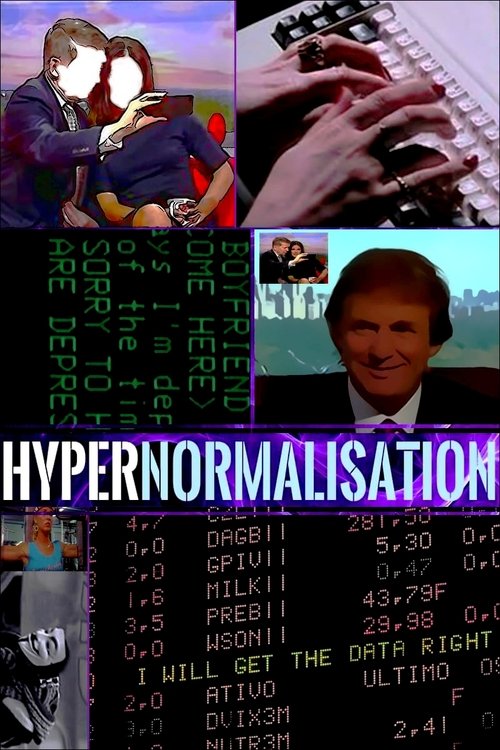
HyperNormalisation2016
Adam Curtis's fever-dream essay on how the world became too complex to understand, and why we stopped trying. Oblique but essential viewing if you want to think about 2016 at a deeper level.
But Deliberately obscure. Curtis connects dots in ways that require patience and argument. Not a documentary that answers questions; it asks harder ones.
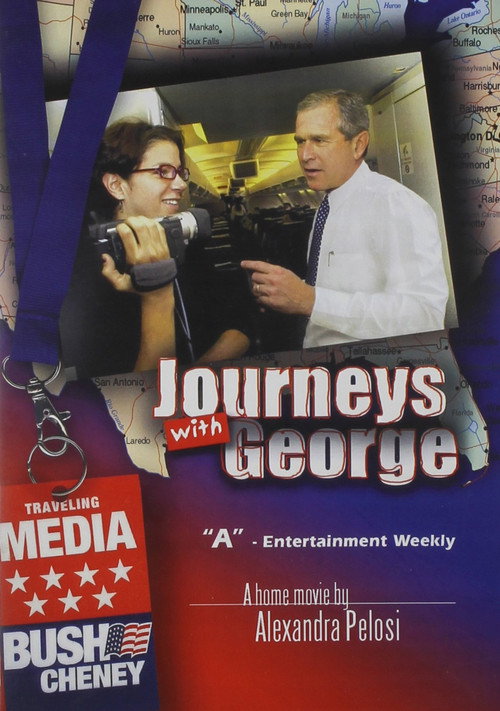
Journeys with George2002
Alexandra Pelosi's embedded documentary following George W. Bush's 2000 campaign. Shows how charm and media access can shape perception. Prophetic about what was coming.
But Feels quaint now in retrospect. The technology and media landscape it documents are almost unrecognizable.
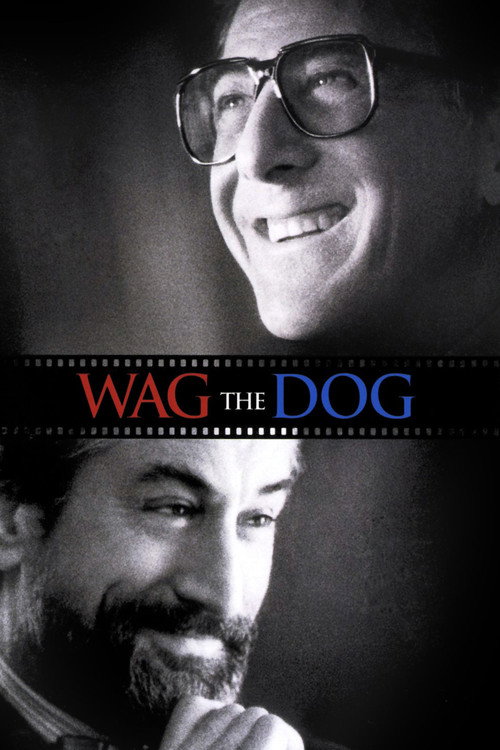
Wag the Dog1997
Same DNA: how modern politics is won in the spaces between what's real and what's broadcast. One shows it happening, one shows it being planned.
A comedy-thriller about manufacturing political crisis through media spectacle. Barry Levinson made this as satire in 1997. By 2016, it was instruction manual. Funny, dark, and almost unbearably relevant.
But Cynicism at this level can feel like poisoning the well. The film argues nothing can be believed or trusted, which is exhausting.
The Act of Killing2012
Both examine how power conceals itself through narrative and spectacle. *The Act of Killing* shows how regimes survive by controlling the story; *The Accidental President* shows how a story controls the outcome.
Joshua Oppenheimer's documentary asks Indonesian death-squad perpetrators to reenact their crimes for the camera. It's about power, memory, and how people justify atrocity. Devastating and formally brilliant.
But Deeply disturbing. Shows violence and cruelty in ways that are hard to sit with. Not watching for catharsis or answers.

People
Cast
 Donald TrumpSelf (archive footage)
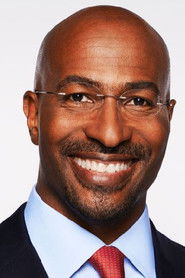 Van JonesSelf
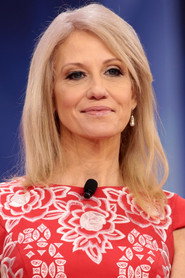 Kellyanne ConwaySelf
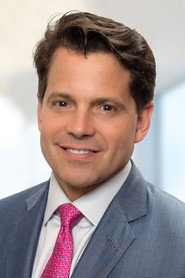
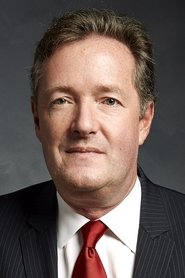 Piers MorganSelf
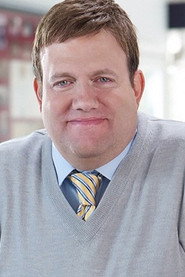 Frank LuntzSelf
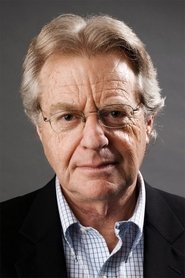 Jerry SpringerSelf
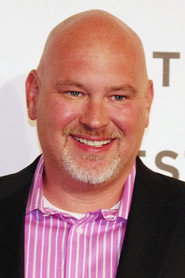 Steve SchmidtSelf
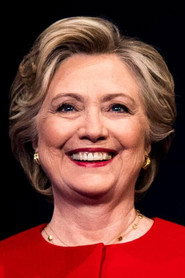 Hillary ClintonSelf
 Barack ObamaSelf
 Michelle ObamaSelf
Directing
- James FletcherDirector
Production
- Kent KubenaExecutive Producer
- Eve KornblumProducer
- James FletcherProducer