
Film
Journeys with George
Alexandra Pelosi follows George W. Bush's 2000 campaign trail with unusual access, capturing the person behind the public persona. Intimate and curious rather than polemical, it's a rare glimpse of how a presidential candidate moves through the world when the cameras are supposed to be friendly. Essential viewing for understanding that election and the man who won it.
If you liked this
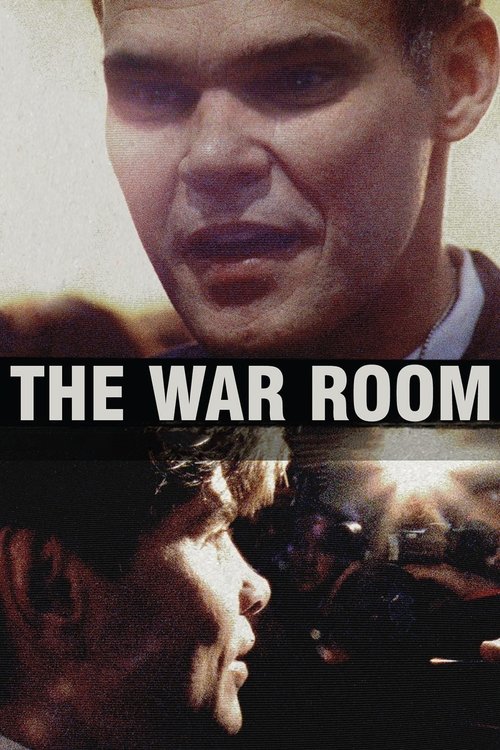
The War Room1993
D.A. Pennebaker's fly-on-the-wall account of Clinton's 1992 campaign offers the template Pelosi follows: unflinching, humanizing access to the machinery of power and the people running it.
But The 90s political aesthetic feels very dated now, and if you're expecting scandal, the documentary restraint may frustrate you.
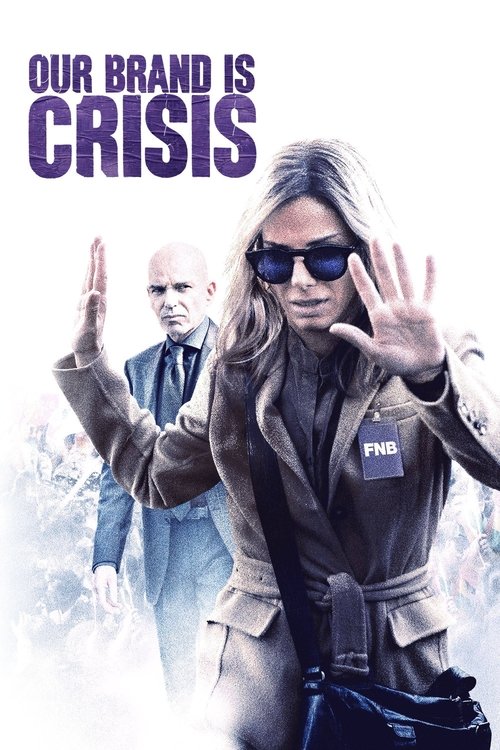
Our Brand Is Crisis2015
David Guggenheim's documentary about American political consultants in Bolivia does what Pelosi does—strips away the spin to show the cynical machinery underneath, with darker stakes and higher comic absurdity.
But It's angrier and more overtly judgmental than Journeys with George, which some will prefer and others will find exhausting.
Fahrenheit 9/112004
Michael Moore's counterargument arrived two years later, using Bush himself—and footage like Pelosi's—to make the opposite case. Watching both is essential for understanding the moment.
But It's polemical where Pelosi is observational, which means it sacrifices nuance for impact. Your patience depends on your politics.

Not sure tonight? Get a pick in a minute, starting from Journeys with George
The wildcard
Something you would not have found on your own.
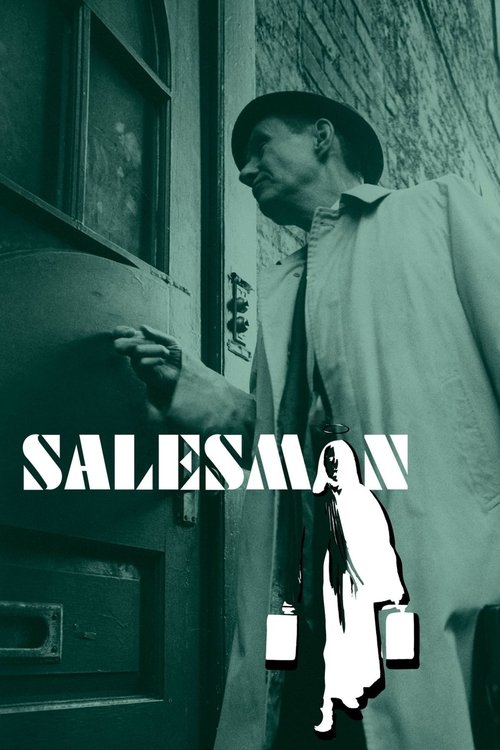
Salesman1969
Both are purely observational documentaries that treat their subjects with genuine curiosity rather than judgment, finding humanity in figures society wants to dismiss or simplify.
Albert and David Maysles follow door-to-door Bible salesmen in the Midwest with anthropological precision. It's the granddaddy of intimate documentary—the exact same DNA as Pelosi's work, just applied to working men instead of a future president.
But It's in black and white, nearly 90 minutes of slow observation with no plot, and the salesmen are not glamorous. Your patience will be tested.
More like this (8)
Rise of the Guardians2012
This documentary follows the Secret Service protecting Bush and other presidents, showing the logistics of security that Pelosi's cameras occasionally catch in the background—the full picture of what campaigning requires.
But It's more procedural than personal, and less cinematically interesting than the best documentary films from this era.

Bush's Brain2004
Wayne Slater (who appears in Journeys with George) co-directed this portrait of Karl Rove, the architect behind the campaign Pelosi was documenting. It explains what the first film observes.
But It's explicitly critical rather than curious, and some will find it reductive of a complicated figure, even one you dislike.

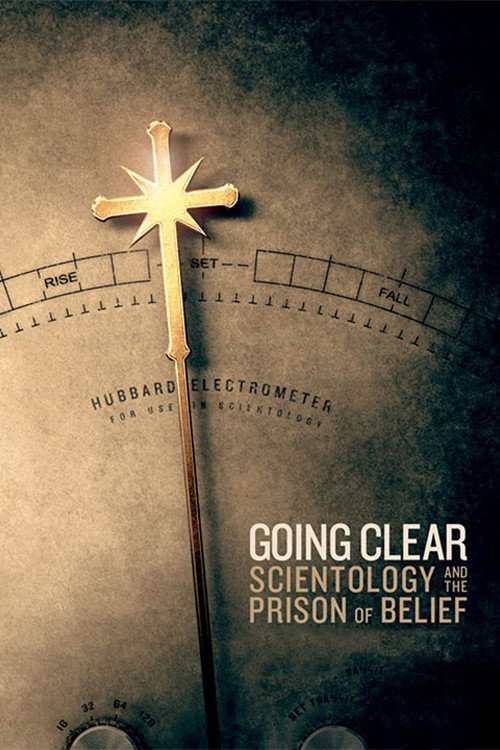
Going Clear: Scientology and the Prison of Belief2015
Alex Gibney's investigative documentary shows how access can be weaponized—the inverse of Pelosi's approach. It's a masterclass in what camera placement and editing can mean when the subject doesn't control the narrative.
But It's much darker and more accusatory, which is appropriate to its subject but makes for grimmer watching than a campaign doc.
The Fog of War2003
Errol Morris lets Robert McNamara explain himself across a lifetime of decisions. Like Pelosi, Morris is interested in how powerful men think, not in prosecuting them—though the record speaks for itself.
But It's meditative and slow, and if you want clear moral judgment rather than ambiguity, you'll feel cheated.

Hoop Dreams1994
Steve James's marathon doc follows two basketball players across years, using close observation to reveal how systems work and dreams get made or broken. The technique is Pelosi's: patience and presence.
But At three and a half hours, it demands stamina, and the payoff is emotional rather than revelatory about any single moment.

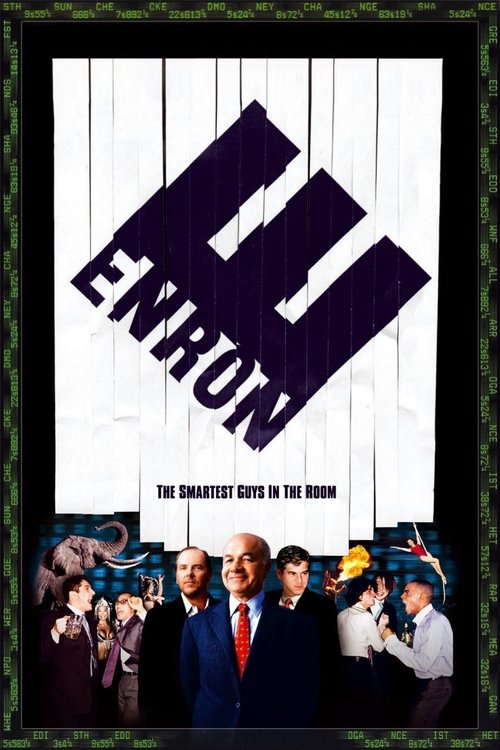
Enron: The Smartest Guys in the Room2005
Alex Gibney documents the Enron collapse with corporate-access footage that reveals hubris and delusion in real time—the same intimate style applied to a scandal rather than a campaign.
But It's more about fraud than personality, and the financial mechanics can feel abstract compared to the human observation Pelosi does so well.
Thin2005
Like Journeys with George, it trusts the camera to reveal character through presence rather than confrontation—but instead of a powerful man performing, it captures people stripped of armor.
Lauren Greenfield embeds in an eating disorder clinic for months, capturing unguarded moments of women at their most vulnerable. It's Pelosi's access-based technique applied to people with nothing to gain from the camera—raw and devastating.
But It's emotionally brutal and occasionally hard to watch without feeling like a voyeur, even though the intention is compassionate.

Los Angeles Plays Itself2004
Both examine how image-making shapes perception of powerful things—one personal, one systemic—and both suggest that the act of documenting inevitably changes what's documented.
Thom Andersen's essay-film uses clips from movies and TV to argue that cinema has colonized how we see Los Angeles—that representation becomes reality. It's a wildly different form, but it asks the same question Pelosi's film can't help but raise: when cameras follow power, who decides the story?
But It's a written essay read over images, not a traditional narrative. If you need plot or character arc, you'll be bored within minutes.

People
Cast
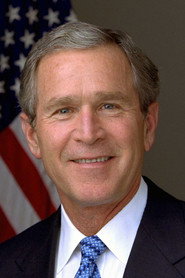 George W. BushSelf
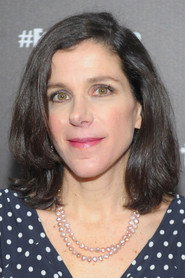 Alexandra PelosiSelf
 Karl RoveSelf
- Wayne SlaterSelf
 Erin BrockovichSelf (archive footage)
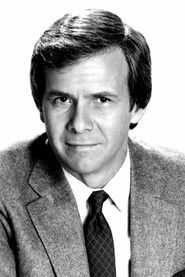 Tom BrokawSelf (archive footage)
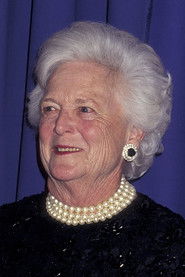 Barbara BushSelf (archive footage)
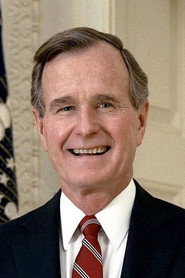 George H. W. BushSelf (archive footage)
Directing
- Aaron LubarskyDirector
- Alexandra PelosiDirector
Production
- Sheila NevinsExecutive Producer