
Film
Fahrenheit 9/11
Michael Moore's furious, funny, deliberately unfair polemic against the Bush administration's response to 9/11 and the march into Iraq. Part investigation, part stand-up routine, part grief, it stitches archive footage, ambush interviews and stunts into a two-hour argument. It's for anyone who wants their outrage confirmed with jokes, and it made history as the first documentary to win Cannes' Palme d'Or.
If you liked this
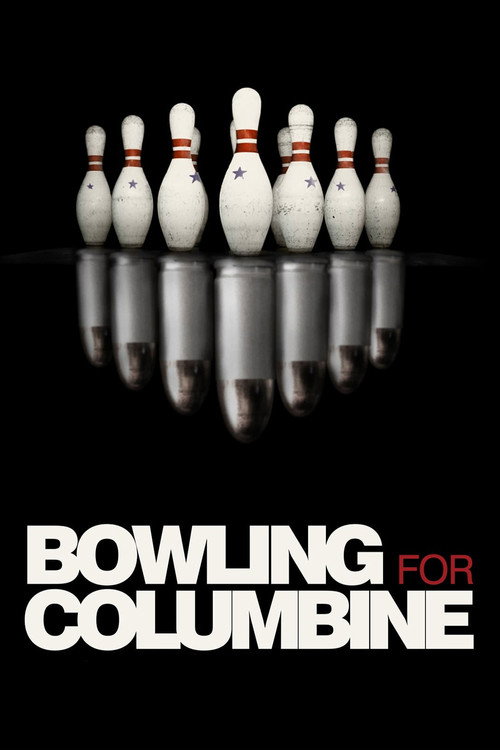
Bowling for Columbine2002
Moore's own Oscar winner, the film that established his whole method: outrage, ambush interviews, and a genuine gift for finding the one clip that damns everyone.
But Same playbook, same buttonholing, same editing-for-effect over fairness — you'll know exactly what you're getting.
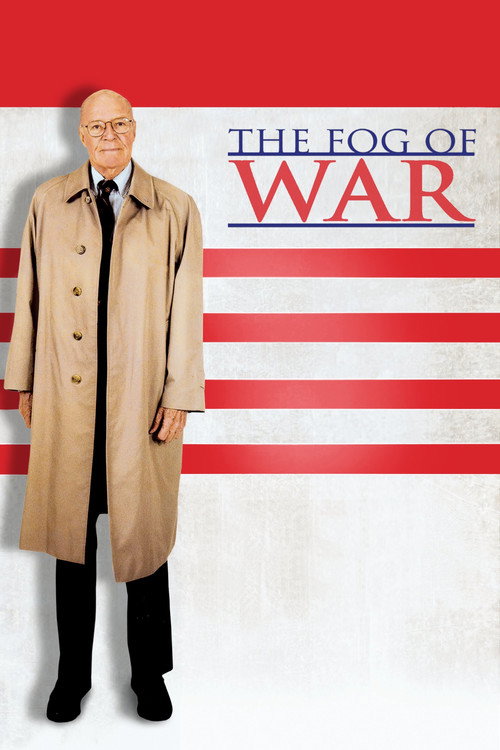
The Fog of War2003
Errol Morris lets Robert McNamara reckon with Vietnam decades on, making a nearly identical argument about war and hubris without ever raising his voice.
But No jokes, no confrontation — just one old man thinking aloud, which is slow if you came for Moore's energy.
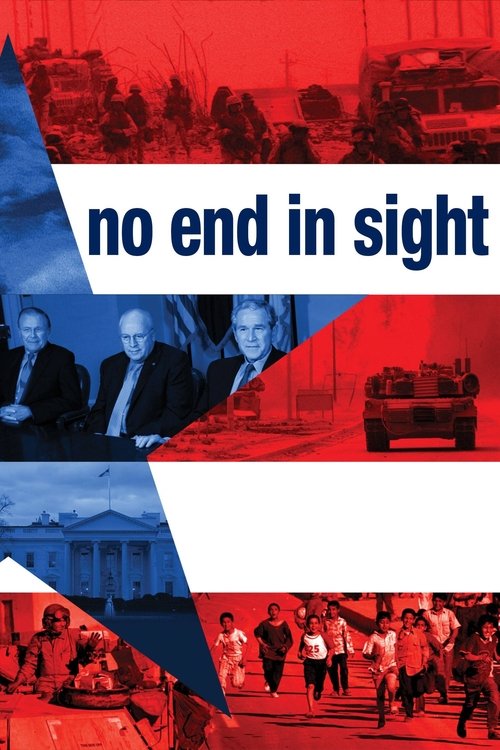
No End in Sight2007
The soberer, more forensic account of how the Iraq occupation was actually bungled, told by insiders who watched the mistakes happen in real time.
But Dry and procedural rather than theatrical — persuasive through detail, not spectacle.
The wildcard
Something you would not have found on your own.
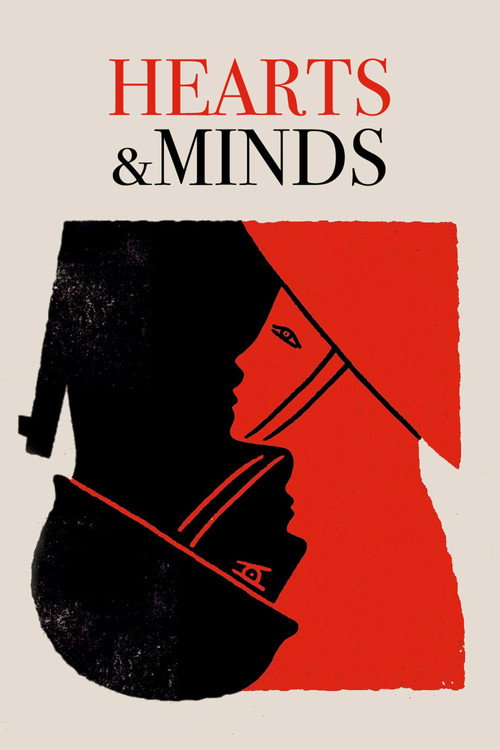
Hearts and Minds1974
This is the film Fahrenheit 9/11 is quietly arguing with across three decades: same charge, same fury, but filed in real time from inside a war that hadn't ended yet.
The Oscar-winning Vietnam documentary that made Moore's exact accusation thirty years earlier — that a government sold its citizens a war built on lies — while the war was still going.
But Grainy, unrelentingly bleak, and made without any of Moore's showmanship to cut the despair.
More like this (8)
Control Room2004no page yet
Watches the same invasion unfold from inside Al Jazeera's newsroom, a sharp reminder that the war looked completely different depending on which channel you trusted.
But Less about Bush personally, more about the machinery of coverage — a cousin argument, not the same one.
Why We Fight2005no page yet
Eugene Jarecki traces Iraq back to the military-industrial complex Eisenhower warned about, widening Moore's target into a much longer American habit.
But More academic and even-handed in tone, without a single villain to focus your anger on.
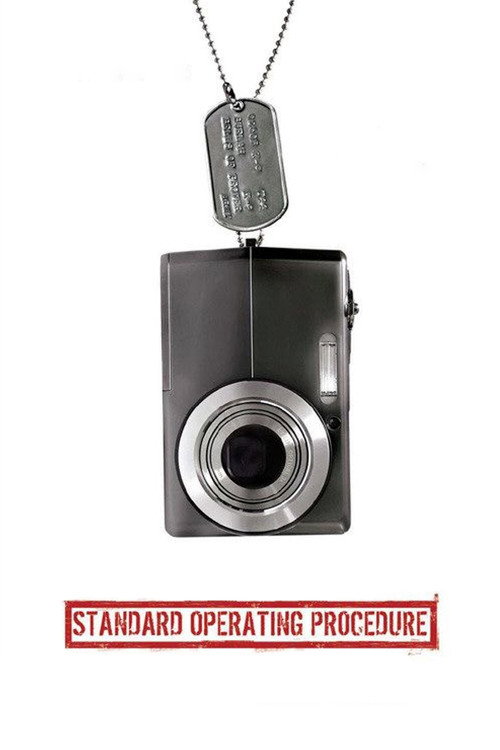
Standard Operating Procedure2008
Errol Morris interrogates the Abu Ghraib photographs directly, methodical and unwilling to let anyone — photographer, soldier, or command — off easy.
But Genuinely upsetting material handled with a clinical coldness some viewers find harder to sit with than outrage.
W.2008no page yet
Oliver Stone's dramatized Bush biopic, with Josh Brolin giving an oddly humane, uncanny performance as the man Moore spends two hours mocking.
But It's fiction, not documentary, and surprisingly gentler on its subject than you'd expect going in.
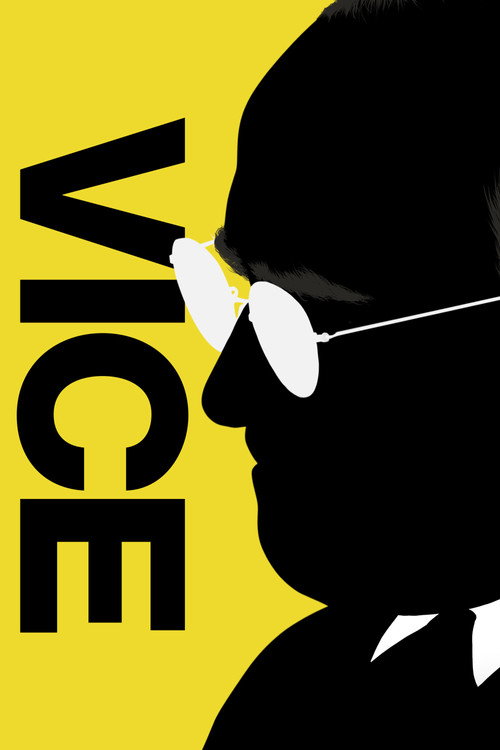
Vice2018
Adam McKay's gonzo Cheney biopic borrows Moore's toolkit — jokes, archive footage, fourth-wall winks — to tell the same era's story from deep inside the White House.
But Dazzling but a little hollow; the style-over-substance complaints land here even harder than they do on Moore.
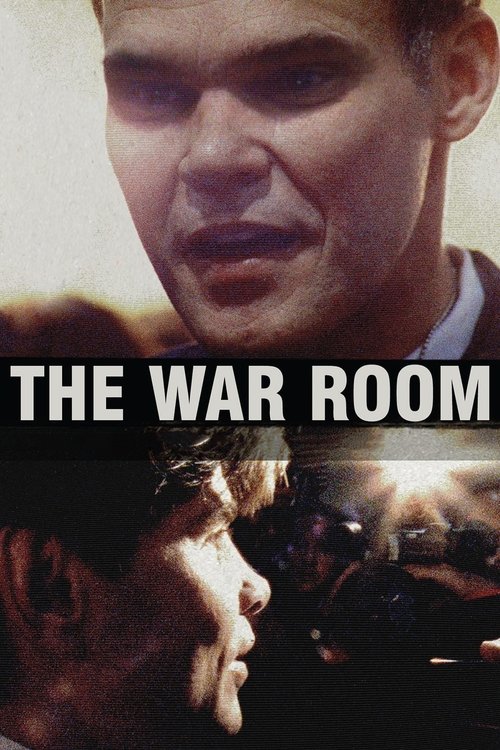
The War Room1993
A fly-on-the-wall look at Clinton's 1992 campaign that essentially invented the modern political-documentary style Moore later inherited and roughed up.
But No villain, no war — just campaign machinery, a much gentler entry point into the genre.
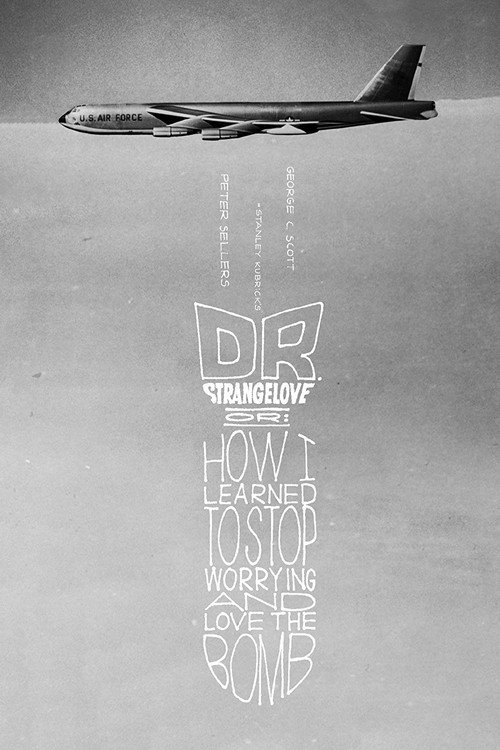
Dr. Strangelove or: How I Learned to Stop Worrying and Love the Bomb1964
Swap documentary anger for outright farce and the target barely changes: institutions marching toward catastrophe on logic nobody can quite defend, which is the same laugh Moore is chasing with real footage instead of a script.
Kubrick's black comedy about men in a war room deciding to end the world for reasons that dissolve the second you look at them closely.
But Black and white, 1964, and its comic rhythm is slower and stranger than modern satire — it takes a minute to click.
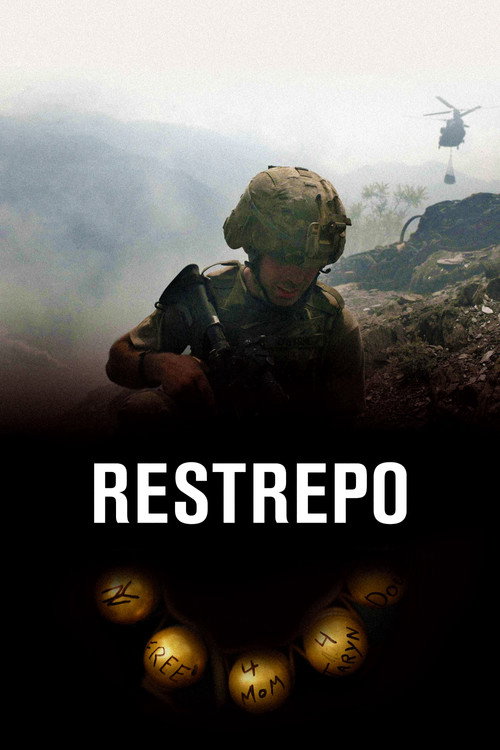
Restrepo2010
It's the deliberate inverse of polemic: strip away every argument, every archive clip, every joke, and what's left is the war itself, seen from the one vantage Moore's film never actually visits.
An embedded documentary that drops you into a remote Afghan outpost with the soldiers actually living the policy Moore is furious about — no narration, no politics, just the ground.
But It refuses to editorialize at all, offering no villain and no verdict, which can feel like a void if you want answers.
People
Cast
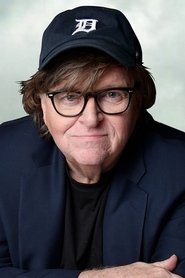 Michael MooreSelf
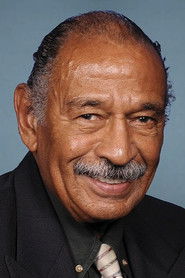 John ConyersSelf
- Abdul HendersonSelf
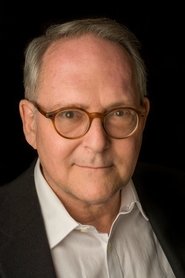 Craig UngerSelf
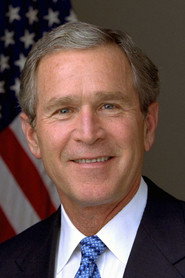 George W. BushSelf (archive footage)
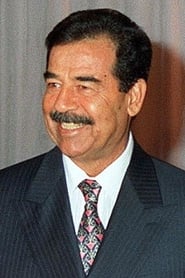 Saddam HusseinSelf (archive footage)
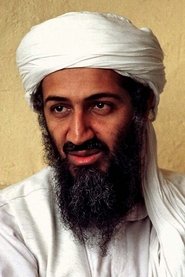 Osama bin LadenSelf (archive footage)
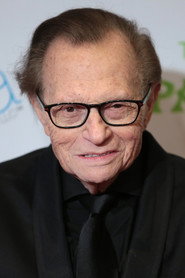 Larry KingSelf (archive footage)
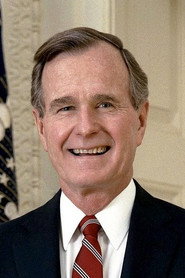 George H. W. BushSelf (archive footage)
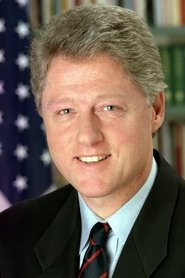 Bill ClintonSelf (archive footage)
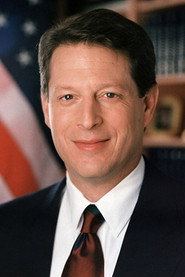 Al GoreSelf (archive footage)
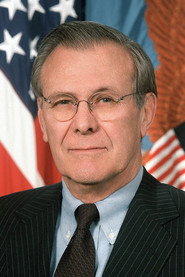 Donald RumsfeldSelf (archive footage)
Directing
- Michael MooreDirector
Writing
- Michael MooreScreenplay
- Michael MooreWriter
Production
- Bob WeinsteinExecutive Producer
- Harvey WeinsteinExecutive Producer
- Jim CzarneckiProducer
- Kathleen GlynnProducer
- Michael MooreProducer