
Film
The Selling of the Pentagon
A landmark 1971 CBS documentary examining how the Pentagon spends millions on PR to shape public opinion toward military spending. Director Peter Davis tracks the machinery of influence: slick advertising, carefully staged demonstrations, celebrity endorsements. It's eye-opening reporting that feels urgent, and occasionally infuriating. Essential viewing for anyone wanting to understand how institutional power manufactures consent.
If you liked this
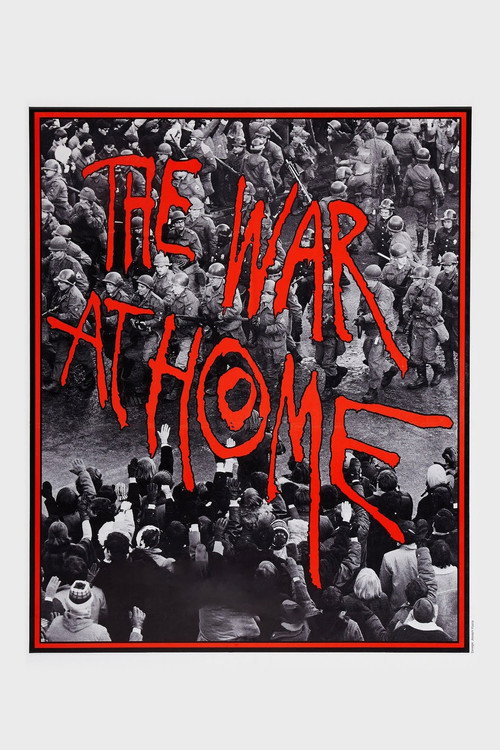
The War at Home1979
Glenn Silber and Barry Alexander Brown's documentary about Vietnam War protests on the University of Wisconsin campus. Raw, immediate, and furious—it captures the collision between institutional authority and genuine moral outrage with unflinching honesty.
But Shot on 16mm with limited resources, the technical quality is rough. Some sequences feel scattered in their focus, which can test patience if you want polished narrative.
The Best Years of Our Lives1946
William Wyler's masterpiece about soldiers returning home after World War II. It's less about jingoism than about the actual cost of war—emotional, psychological, economic. A corrective to propaganda that asks what we actually owe the people we send to fight.
But At nearly four hours, it demands time. It's emotionally heavy and doesn't offer easy catharsis; Wyler leaves you sitting with uncomfortable truths about injury and belonging.

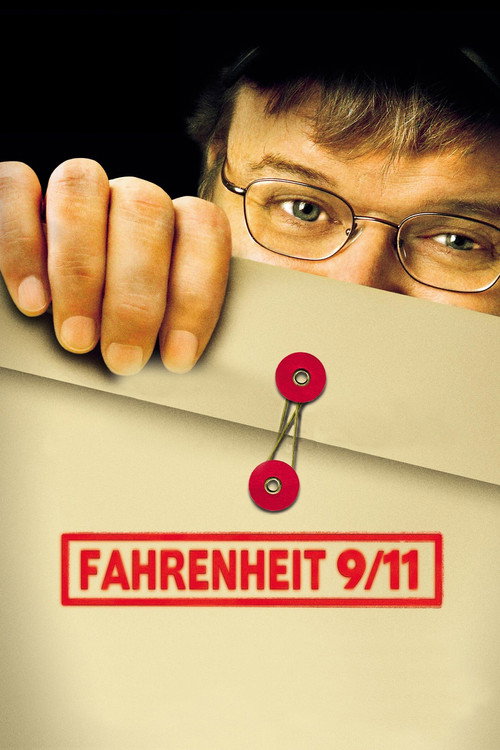
Fahrenheit 9/112004
Michael Moore's fiery examination of Bush administration foreign policy and military-industrial connections. Whether or not you agree with every argument, it's agitprop documentary at its most confrontational—the direct heir to Davis's methodology.
But Moore's style is deliberately provocative and sometimes manipulative. If you're exhausted by partisan rhetoric, his approach might feel crude rather than illuminating.
Not sure tonight? Get a pick in a minute, starting from The Selling of the Pentagon
The wildcard
Something you would not have found on your own.
Singin' in the Rain1952
Both expose how narrative is constructed and deployed. Davis shows the Pentagon's sales pitch; this shows Hollywood perfecting the art of making audiences see what studios want them to see. Same machinery, different product.
Gene Kelly and Stanley Donen's musical comedy about the transition from silent to talking pictures. It's about how stories are manufactured, repackaged, and sold to audiences—and how charisma and presentation matter more than truth.
But It's a joyful Hollywood musical, not a political screed. If you approach it cynically, the brilliance of the craft can obscure rather than illuminate the machinery at work.

More like this (7)
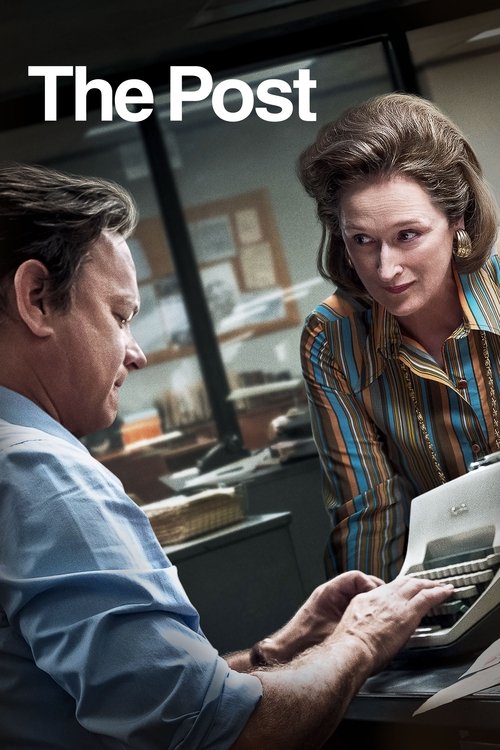
The Post2017
Sterlin Hardin's documentary about the classified study that revealed systematic government deception about Vietnam. Timely material examining how institutions protect themselves through secrecy and selective information, starring Daniel Ellsberg.
But It covers familiar historical ground if you know the Ellsberg story. The pacing is conventional—solid but not visually innovative.
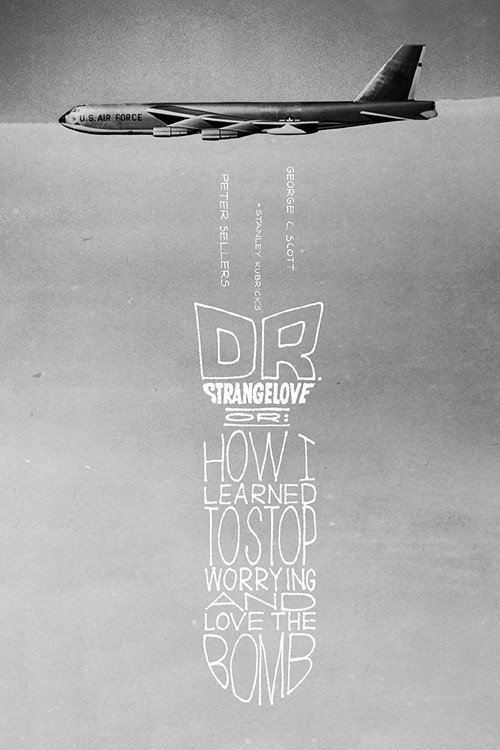
Dr. Strangelove or: How I Learned to Stop Worrying and Love the Bomb1964
Stanley Kubrick's dark comedy about nuclear brinksmanship exposes the absurd rationality of military thinking. It's savage satire about how bureaucracies and institutional logic override human judgment. Wickedly intelligent.
But It's a comedy about potential nuclear annihilation. Some find the joke tone-deaf; the intellectual style alienates viewers who prefer emotional directness.
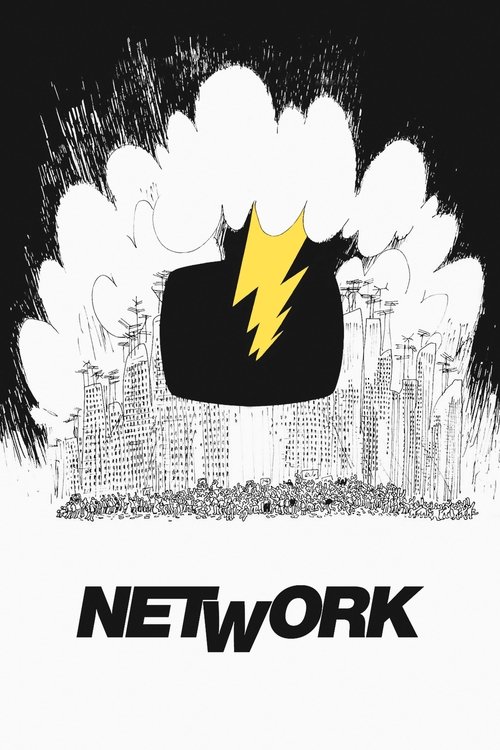
Network1976
Sidney Lumet's viciously smart thriller about how media corporations manufacture reality. Paddy Chayefsky's script is prophetic about the machinery that shapes public consciousness—the logical endpoint of the Pentagon's PR strategies applied to news.
But It's a satire that can feel cynical and dated if you watch it expecting suspense. Some sequences lean theatrical in ways that undercut the serious argument.
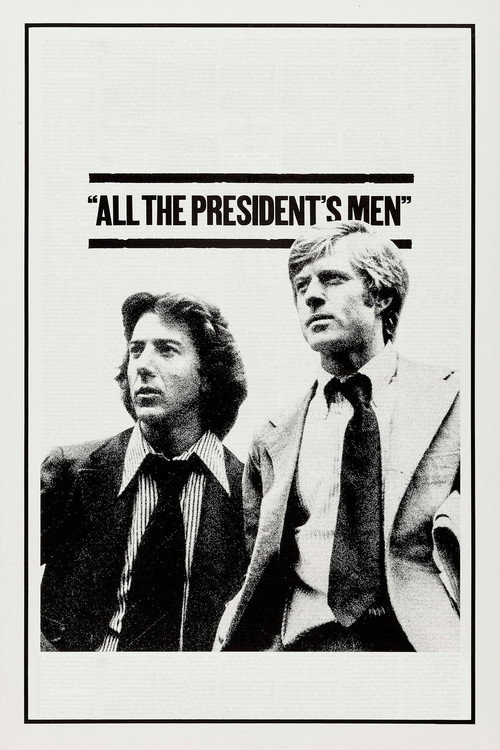
All the President's Men1976
Alan Pakula's procedural about Watergate investigative reporting. It's a model of how journalism can check institutional power. The tension comes from watching people insist on truth against overwhelming pressure to stay silent.
But It's primarily about two journalists following leads. If you want action or spectacle, the actual work of reporting may feel slow, even tedious.
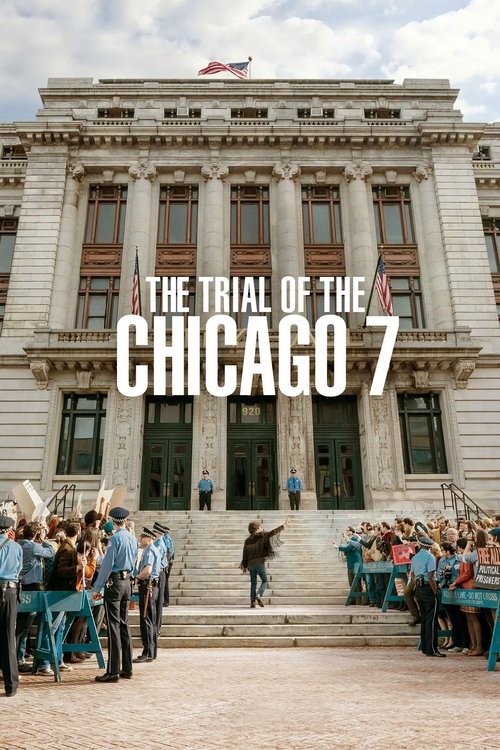
The Trial of the Chicago 72020
Aaron Sorkin's courtroom drama about Vietnam War protesters tried for conspiracy. It dramatizes the confrontation between grassroots resistance and state power with energy and moral clarity about what was actually at stake.
But Sorkin's slick dialogue style sometimes flattens complexity into scoring points. The Hollywood framing can feel reductive about real political violence and genuine stakes.
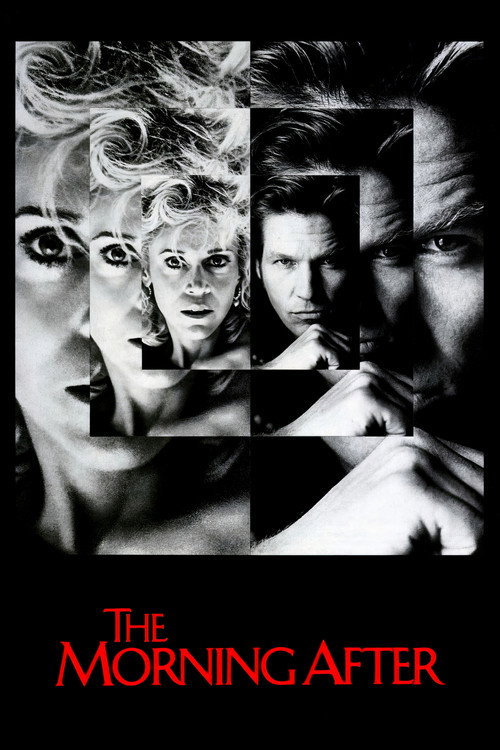
The Morning After1986
Sidney Lumet's thriller about a woman framed for murder, investigating systems that use her for their purposes. It's genre cinema thinking about institutional corruption and how the powerful protect themselves.
But It's primarily a mystery thriller, not a political documentary. If you want overt argument about PR and propaganda, the critique is embedded in plot rather than explicit.
The Act of Killing2012
Both show institutional/state power shaping narrative to justify violence. Davis documents the Pentagon's careful PR campaign; Oppenheimer shows what happens when that PR succeeds so completely that the perpetrators believe their own mythology.
Joshua Oppenheimer's devastating documentary interviews Indonesian death squad leaders about 1960s genocidal killings. They perform re-enactments, confident in their righteousness. It's a portrait of how state violence justifies itself through storytelling and performance—propaganda from the perpetrators themselves.
But It's extremely difficult to watch. The casual way killers discuss murder, combined with graphic recreations, creates genuine horror. This isn't analytical—it's visceral and traumatizing.

People
Cast
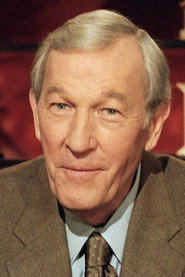 Roger MuddNarrator
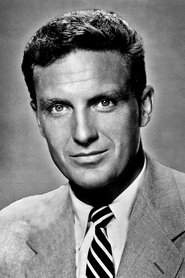 Robert StackSelf (archive footage)
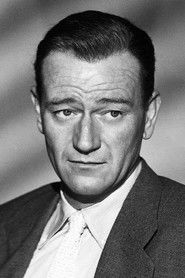 John WayneSelf (archive footage)
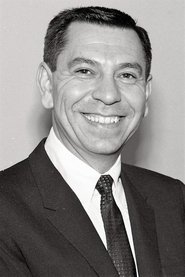 Jack WebbSelf (archive footage)
Directing
- Peter DavisDirector
Writing
- Peter DavisWriter
Production
- Perry WolffExecutive Producer
- Peter DavisProducer