
Film
Millhouse
Emile de Antonio's 1971 demolition of Richard Nixon uses only Nixon's own words and archive footage to build a portrait of paranoia, self-deception, and ruthless ambition. It's a masterclass in montage—letting the subject hang himself. Essential viewing for anyone interested in how power corrupts, how politicians craft image, or how documentaries can weaponize the truth.
Should you watch it?
Watch it if you enjoy political documentaries built almost entirely from archive footage, where the director lets a politician's own words, speeches and television clips do the damning without a narrator.
Skip it if you want a balanced account or a narrator guiding your judgment; this is a pointed, one-sided assembly that leaves the verdict mostly to the clips.
What it asks of you: A brisk ninety-two minutes of rapid cutting between speeches, interviews and old television clips, so you need to keep track of names and dates as they fly past.
Not sure? Find tonight's pick in a minute.
If you liked this
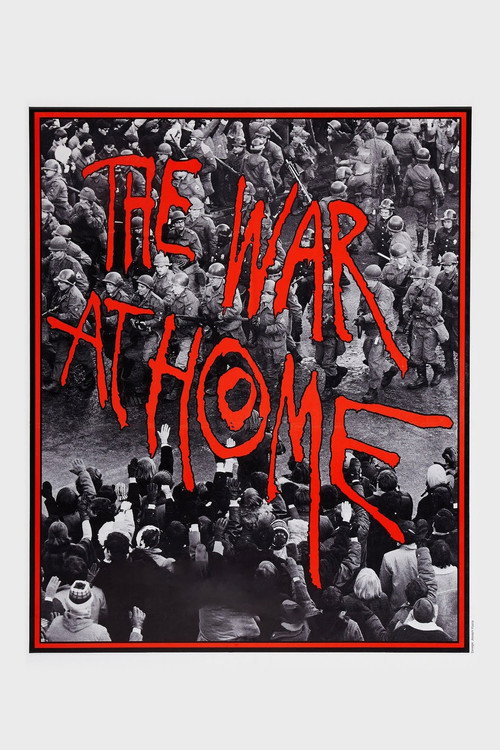
The War at Home1979
Glenn Silber and Barry Alexander Brown's devastating look at anti-war activism in Madison, Wisconsin. Like Millhouse, it lets real footage and voices expose institutional hypocrisy and generational fracture without a narrator to soften the impact.
But The editing is deliberately fragmentary and confrontational; it won't give you easy answers or emotional catharsis, just evidence.
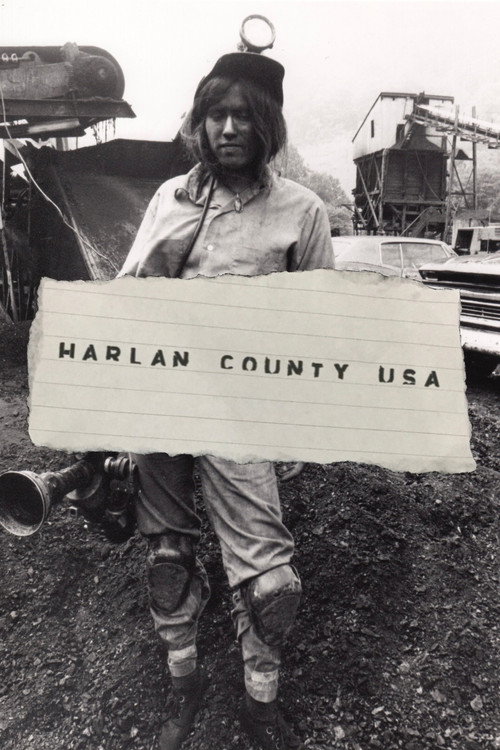
Harlan County U.S.A.1976
Barbara Kopple embeds herself in a brutal Kentucky coal miners' strike. Like Millhouse, it trusts viewers to draw conclusions from unvarnished reality—the courage, the stakes, the cost of standing against power.
But It's a slow burn that demands patience. Violence erupts suddenly and shockingly; there's no distance between you and danger.
The Selling of the Pentagon1971
Peter Davis exposes the military-industrial complex's propaganda machine in real time. Made the same year as Millhouse, it shares the same urgent fury—showing how institutions lie to justify themselves and who profits from the deception.
But It's dated in production quality but that rawness is part of its power. Some might find the approach didactic rather than exploratory.
Not sure tonight? Get a pick in a minute, starting from Millhouse
The wildcard
Something you would not have found on your own.
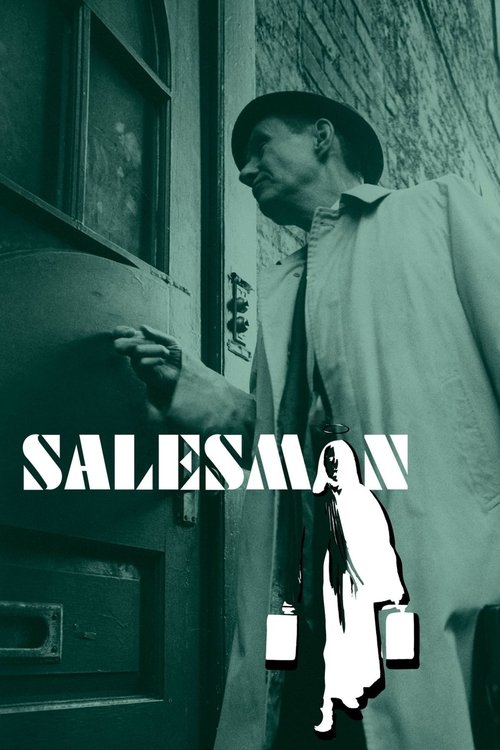
Salesman1969
Both use sustained observation to reveal the gap between what people say they are and what their actions show—the performed self versus the desperate one.
Albert and David Maysles follow Bible salesmen door-to-door across America. It's documentary as anthropology rather than argument—Millhouse's opposite in method but twin in theme: watching performance, desperation, and self-deception in close, non-judgmental detail.
But There's no narrator, no clear villain, no catharsis. Just the ache of watching people trying to survive. It's deliberately unglamorous and slow.
More like this (7)
Ikiru1952
Kurosawa's portrait of a dying bureaucrat trapped in systems larger than himself. Not a documentary, but it diagnoses the same spiritual rot Millhouse finds in Nixon—the slow erasure of self by the machinery of power and status.
But It's quietly devastating and offers no catharsis, only acceptance. The pacing is deliberate; impatient viewers may feel it drags.

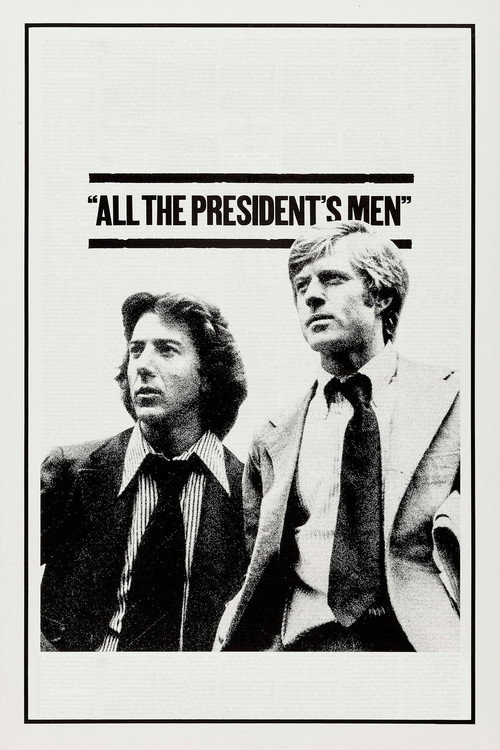
All the President's Men1976
Pakula's thriller about Woodward and Bernstein unraveling Watergate. If Millhouse is the indictment, this is the investigation—the procedural tension of watching truth emerge through journalism and dogged inquiry.
But It's a conventional thriller with a reassuring ending (the system worked!), which sits uneasily with the bleaker implications of Millhouse.
The Act of Killing2012
Joshua Oppenheimer lets Indonesian genocide perpetrators re-enact their crimes. Radical and unbearable in a different way—forcing viewers to witness perpetrators' self-justification, just as Millhouse forces us to witness Nixon's.
But It's one of the most morally difficult films ever made. The length, the repetition, the complicity it creates in the viewer—it's not entertainment, it's a trial.

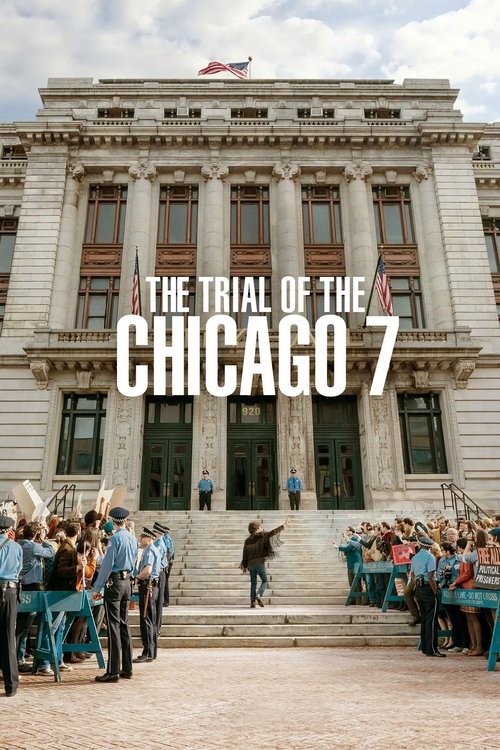
The Trial of the Chicago 72020
Aaron Sorkin dramatizes the prosecution of anti-war activists after the '68 Democratic Convention. It captures the same era and adversarial energy as Millhouse, showing how the legal system was weaponized against dissent.
But Sorkin's slickness and speechifying can feel like he's solving problems that Millhouse leaves deliberately unresolved. It's more satisfying and less honest.
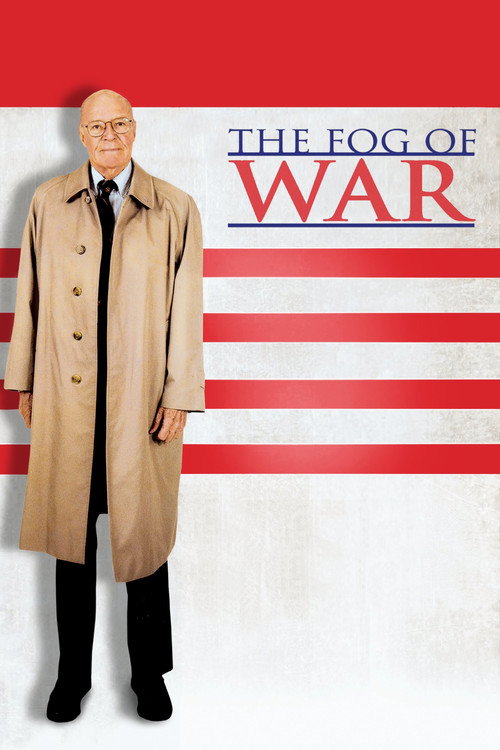
The Fog of War2003
Errol Morris interviews Robert McNamara about Vietnam, power, and how intelligent people rationalize catastrophe. It's a companion to Millhouse—one subject trying to control his narrative, Morris quietly dismantling it through questions and reflection.
But McNamara's eloquence and partial self-awareness make it less viscerally angry than Millhouse. Some find that ambiguity evasive.
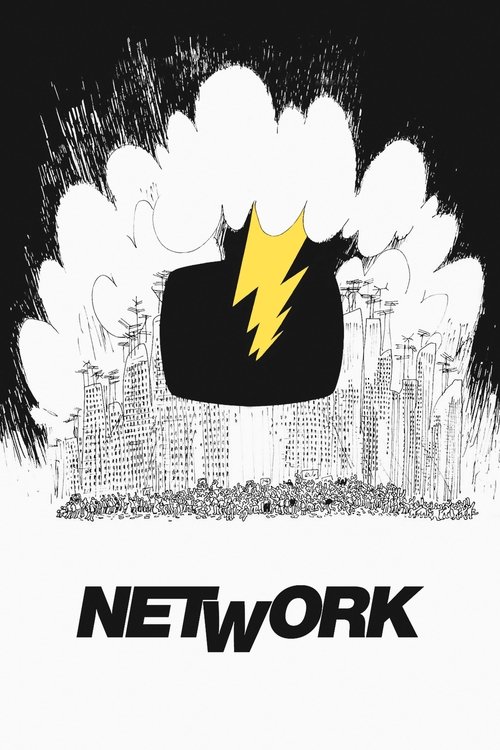
Network1976
Paddy Chayefsky's satirical nightmare about news as entertainment and image as reality. It shares Millhouse's fury at how power and media corrupt each other, but wraps it in dark comedy rather than documentary evidence.
But It's a movie, not an argument—heightened, theatrical, sometimes shrill. Its prescience can feel like an excuse for the film to congratulate itself.
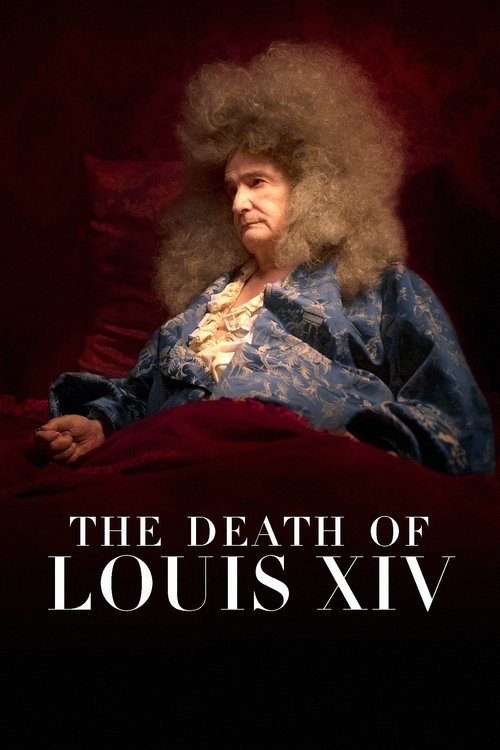
The Death of Louis XIV2016
Both are fascinated by the machinery of authority and how those inside it lie to themselves. Millhouse shows the ascent and madness; Serra shows what remains when power is stripped away.
Albert Serra's strange, hypnotic chamber piece about power's final hours. Like Millhouse, it examines how authority maintains itself through ritual and image, but from the inside—watching a man cling to dignity as his body and control fail.
But It's oblique, slow-moving, and deeply strange. Serra prioritizes mood and paradox over explanation. Many will find it pretentious and impenetrable.
People
Cast
 Richard NixonSelf (archive footage)
Directing
- Emile de AntonioDirector