
Film
Why We Fight
Eugene Jarecki's sharp-edged documentary examines the military-industrial complex in post-Cold War America, arguing that military spending and interventionism have become central to US foreign policy. Featuring declassified accounts and candid interviews, it's intellectually rigorous but pointedly polemical—designed to provoke as much as to inform. For viewers hungry to understand American power politics.
Should you watch it?
Watch it if you want a sharp, talky argument about power rather than a story, and you enjoy being walked through a case step by step by people who have lived inside the machine.
Skip it if you come for images and momentum; this is mostly interviews, archival clips and a steady, pointed thesis, and it can feel like a lecture you did not sign up for.
What it asks of you: About ninety-eight minutes of sustained attention to ideas, with few lighter moments; it moves briskly but stays in one register and rewards close listening.
Not sure? Find tonight's pick in a minute.
If you liked this
The Power of Nightmares: The Rise of the Politics of Fear2004
Adam Curtis's three-part essay on how fear has been weaponized in Western politics since the Cold War. Dizzyingly ambitious, edited with visual flair, and arriving at darker conclusions than most historical documentaries dare.
But Extremely long and dense. Curtis's narration can feel portentous, and the argument sometimes sacrifices clarity for provocation.
All the President's Men1976
A masterclass in how journalists pursue institutional corruption at the highest level. Tense, methodical, and made by people who understood that exposing truth requires exhausting work and real courage.
But Fifty years old and deliberately paced. Less focused on the *why* of power than the mechanics of exposure.

The Fog of War2003
Errol Morris's portrait of Robert McNamara meditates on how even brilliant, well-intentioned figures can architect catastrophe. Essential viewing for anyone wondering how Vietnam happened and why we repeat it.
But More meditation than argument. The film trusts viewers to draw conclusions rather than spelling them out.
Not sure tonight? Get a pick in a minute, starting from Why We Fight
The wildcard
Something you would not have found on your own.
The Thin Blue Line1988
Both are prosecutorial essays about institutional self-preservation, using evidence and testimony to suggest that the system serves its own interests before justice.
Errol Morris's documentary about a wrongly convicted man exposes how criminal justice institutions protect themselves rather than seek truth. A portrait of power deployed against the powerless—the domestic shadow side of Why We Fight's international argument.
But Formally experimental in ways that can feel mannered. The reconstructions and animated sequences, startling at the time, may now feel dated.
More like this (7)
Manufacturing Consent: Noam Chomsky and the Media1992
Documents Chomsky's theory that mainstream media serves elite interests rather than public understanding. Rigorous, occasionally infuriating, and completely uninterested in false balance.
But Chomsky's speaking style is dense and repetitive. The film doesn't soften his presentation or make him more conventionally charismatic.
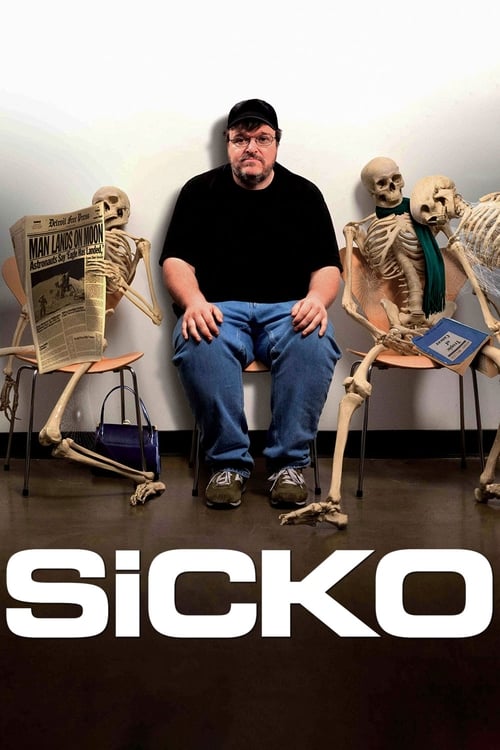
Sicko2007
Michael Moore's most focused polemic: comparing American healthcare to systems elsewhere, it argues that profit-maximization kills. Furious and entertaining, with a clearer target than his earlier work.
But Moore's style—ambush interviews, loaded framing—won't persuade skeptics. It speaks to the already-converted.
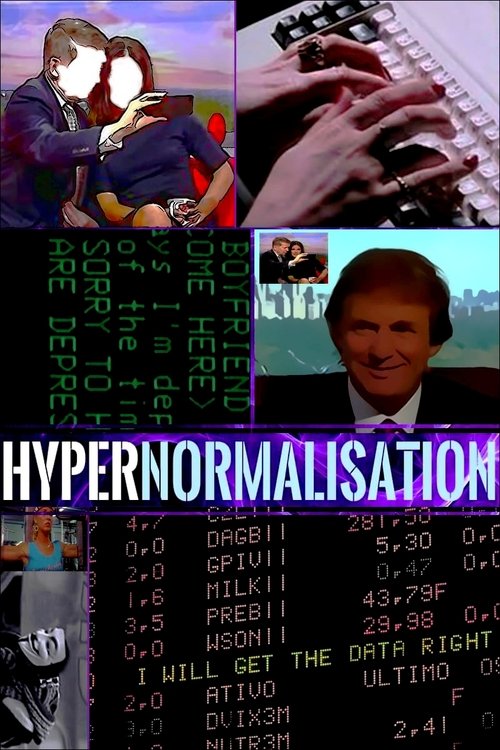
HyperNormalisation2016
Adam Curtis at maximum reach: a seven-hour argument that modern Western democracy is theater masking the absence of real power. Visually intoxicating and genuinely unsettling.
But Nearly incomprehensibly dense, spanning four decades and five continents. The structure rewards patience and punishes passive watching.
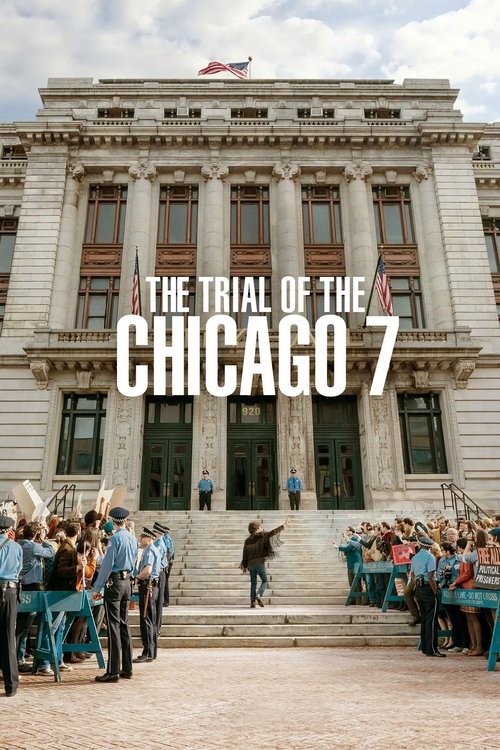
The Trial of the Chicago 72020
Aaron Sorkin's dramatization of 1969 courtroom chaos, showing how the system itself becomes a weapon against dissent. Crackling dialogue, high stakes, and a vivid portrait of state power deployed against civilians.
But Historically selective and narratively conventional. Sorkin's trademark walk-and-talk style can feel like Broadway in a courthouse.
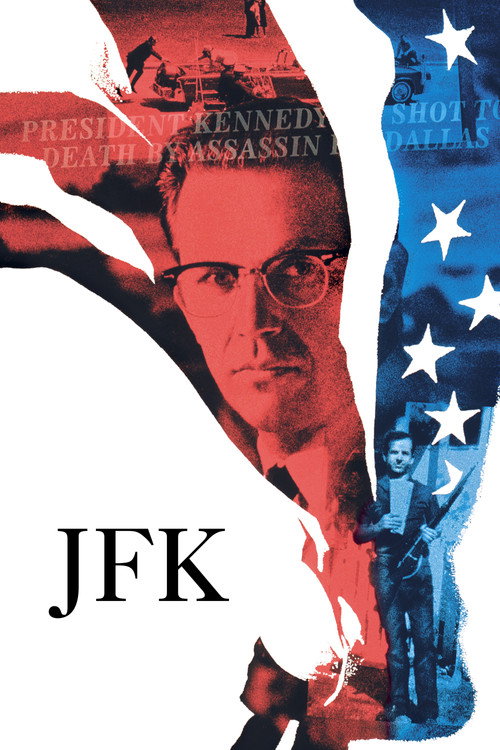
JFK1991
Stone's maximalist conspiracy epic treats American power as murky, violent, and self-protecting. Wildly entertaining and technically audacious, even if the historical case doesn't quite hold.
But Deliberately conspiratorial and historically unreliable. The sheer baroque excess works against credibility.
Come and See1985
Where Why We Fight traces ideological justifications for military power, Come and See shows the absolute obscenity of what that power destroys on the ground. They're opposite angles on the same brutality.
Elem Klimov's Belarusian masterpiece depicts Nazi occupation through the eyes of a boy conscripted as a Soviet partisan. Unbearably bleak, cinematically hypnotic, and the most honest film ever made about what militarization actually costs.
But Profoundly traumatic. Not a film you 'enjoy'—it's endurance art made by someone documenting the death of innocence and civilization.

The Act of Killing2012
Both investigate how states rationalize and mythologize violence. But where Why We Fight examines American ideology abstractly, The Act of Killing puts perpetrators in front of you and watches them defend themselves—the human machinery Jarecki's documentary dissects at institutional distance.
Joshua Oppenheimer's documentary gets Indonesian death-squad perpetrators to reenact their 1965-66 mass murders on camera, creating a nightmare mirror-logic essay on ideology, bragging, and state-sanctioned atrocity. Methodologically bold and morally devastating.
But Deeply uncomfortable to watch: the perpetrators are unreformed and unselfaware. No redemption arc, no catharsis, just the banality of evil in real time.

People
Cast
- Chalmers JohnsonSelf - CIA, 1967-1973
- Joseph CirincioneSelf - Carnegie Endowment for Peace
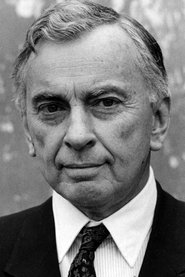 Gore VidalSelf - Author, "Imperial America"
- Charles LewisSelf - Center for Public Integrity
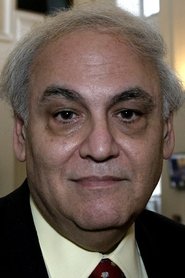 Richard PerleSelf - Advisor, U.S. Dept. of Defense
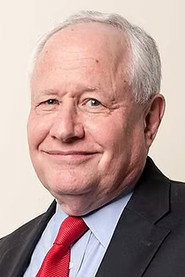 William KristolSelf - Project for the New American Century
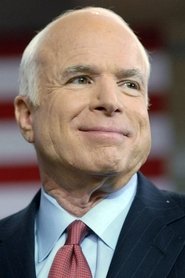 John McCainSelf - Senator (R/AZ)
- Ken AdelmanSelf
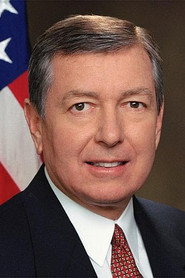 John AshcroftSelf (archive footage)
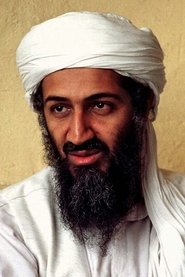 Osama bin LadenSelf (archive footage)
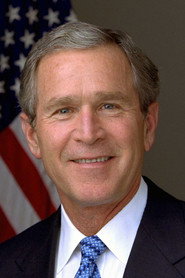 George W. BushSelf (archive footage)
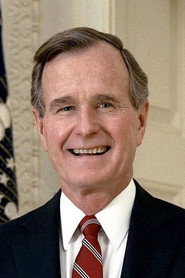 George H. W. BushSelf (archive footage)
Directing
- Eugene JareckiDirector
Writing
- Eugene JareckiWriter
Production
- Hans Robert EisenhauerExecutive Producer
- Mette Hoffman MeyerExecutive Producer
- Nick FraserExecutive Producer
- Roy AckermanExecutive Producer
- Julie FischerLine Producer
- Alessandra MeyerProducer
- Eugene JareckiProducer
- Prudence ArndtProducer
- Susannah ShipmanProducer
Recommended by
Team America: World Police, No End in Sight, Taxi to the Dark Side, Bitter Lake, Fahrenheit 9/11, Shadow Company, My Brother the Islamist, The Oil Factor: Behind the War on Terror