
Film
Shadow Company
- Crime
- Very dark
A 2006 documentary examining private military contractors and mercenaries operating in modern conflicts. Sharp-eyed and unflinching, it watches these soldiers-for-hire in their own terms, asking uncomfortable questions about who fights our wars and why. Essential viewing for anyone curious about the machinery behind contemporary geopolitics.
If you liked this
The Fog of War2003
Errol Morris's brilliant interview with Robert McNamara unpacks Cold War decision-making through the eyes of the man inside the room. Pairs perfectly with Shadow Company's street-level view by offering the institutional perspective.
But It's essentially one man talking for 107 minutes. If you need narrative momentum or visual variety, this will feel static.
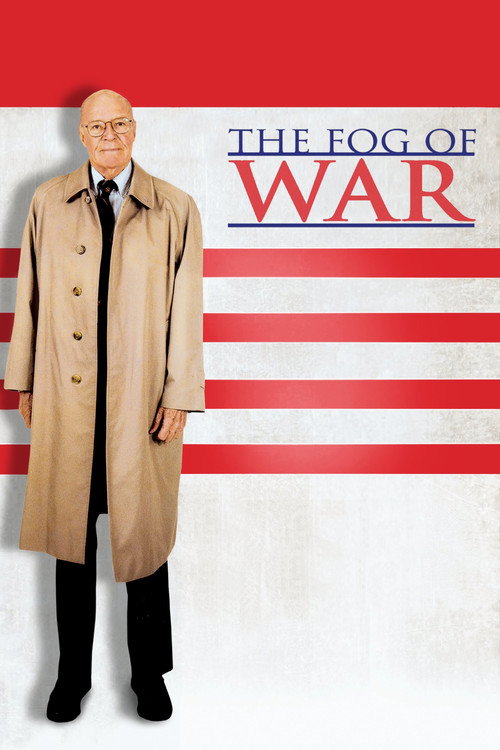
Why We Fight2005
Eugene Jarecki traces the military-industrial complex from Eisenhower's warning through Iraq, with archival footage and corporate testimony. Complementary inquiry into the same ecosystem from a different angle.
But Dense with economic theory and policy detail. It demands active attention; passive watching leaves you adrift.
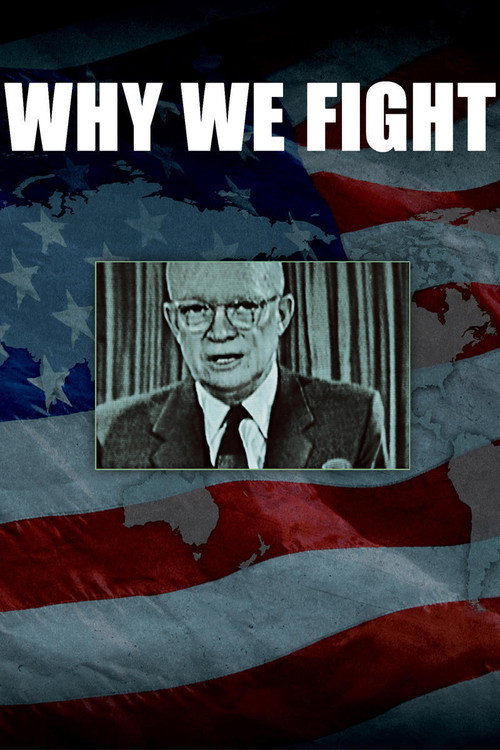
Blackwater2007
Jeremy Scahill's investigation focuses specifically on the private military company at the center of Iraq's chaos. Direct continuation of Shadow Company's concerns with fresh reporting and sharper outrage.
But Scahill's narration is hectoring. Some viewers find his moral certainty more sermon than journalism.
Not sure tonight? Get a pick in a minute, starting from Shadow Company
The wildcard
Something you would not have found on your own.
A Prophet2009
Both are anthropological studies of microcosms where violence is the only language and the only currency. Same social physics, different territory.
Jacques Audiard's crime thriller set entirely in a French prison. On its surface: gang drama and brutality. Beneath: a precise study of how power actually transfers, hierarchies form, and loyalty becomes currency—the exact mechanics Shadow Company watches in a larger frame.
But It's a narrative feature, not a documentary. Takes 120 minutes to earn what Shadow Company establishes in 86. Some will find the detour unnecessary.

More like this (6)
The Battle of Algiers1966
Gillo Pontecorvo's reconstruction of insurgency and counterinsurgency is treated as military instruction by actual armed forces. Historical precedent for modern conflicts Shadow Company examines.
But It's a 1966 film with subtitles in Italian. The aesthetic distance is genuine. It asks patience.

National Bird2016
Documentary following NSA and drone program whistleblowers. Examines the technological distance between operators and consequences—the inverse intimacy of modern warfare.
But Slower paced, more meditative than you might expect. It builds through repetition rather than revelation.
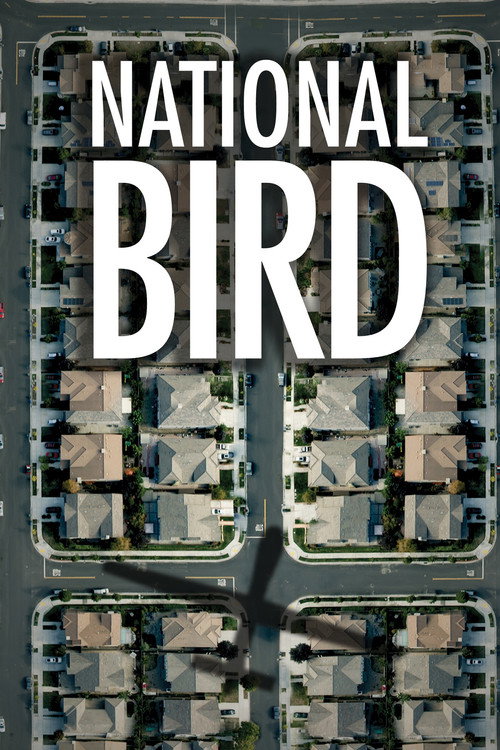
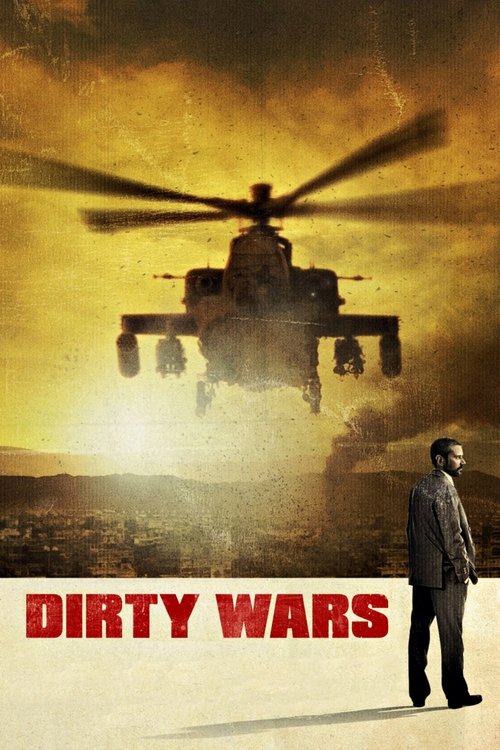
Dirty Wars2013
Scahill on the ground in Yemen, Somalia, and Afghanistan tracking Joint Special Operations Command's secret wars. What happens when you follow the contractors' logic to its extreme.
But Genuinely distressing subject matter without resolution. Some scenes are hard to sit with.
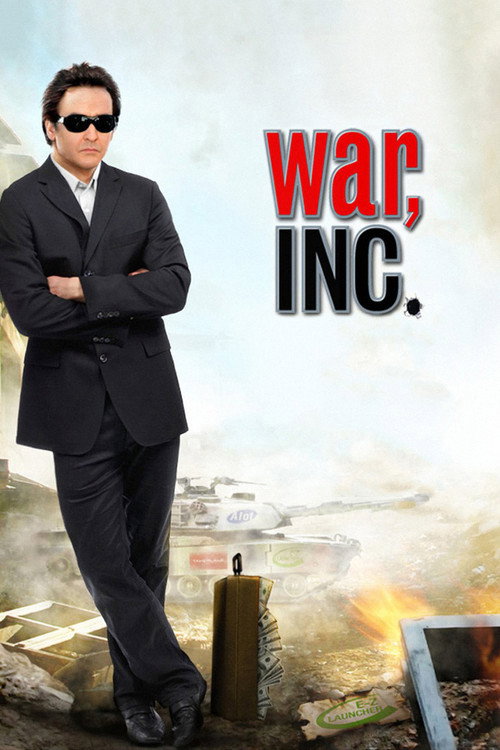
War, Inc.2008
Satirical thriller starring John Cusack as a paid assassin in a fictional war zone. Dark comedy that weaponizes Shadow Company's premise against itself, asking what privatized war actually means.
But Satire this broad often misses. The tone wavers between sharp and obvious, sometimes landing on both at once.
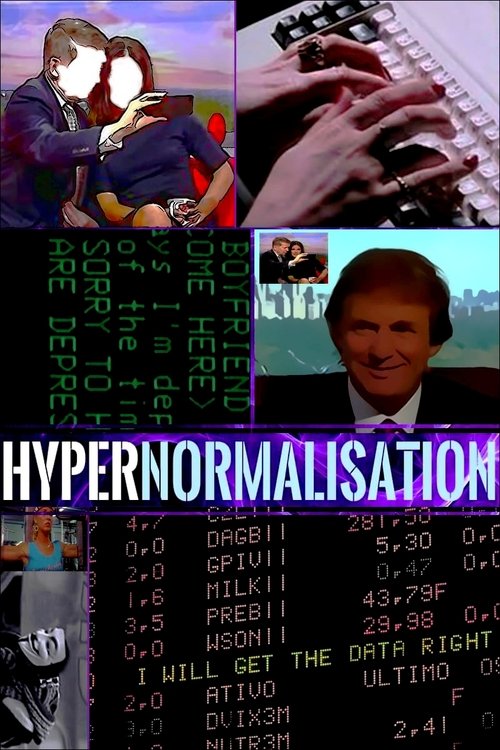
HyperNormalisation2016
Adam Curtis assembles Cold War footage, geopolitical theory, and strange tangents into a hypnotic argument about how modern power actually works. Oblique but rewarding complement to Shadow Company's directness.
But Curtis's method is associative, almost dreamlike. If you need clear thesis and argument, this will frustrate you.
Stalker1979
Shadow Company watches the erosion of conscience through repetition and rebranding. Stalker asks what remains of humanity when conscience is no longer available. Inverse questions, same wound.
Andrei Tarkovsky's science fiction journey into a mysterious zone becomes a philosophical interrogation of desire, faith, and the price of certainty. Not about mercenaries, but about the spiritual bankruptcy of instrumentalizing human will—what mercenaries are, at their core.
But 163 minutes of deliberate, meditative pacing. No plot in the conventional sense. You must surrender to it entirely or it will exhaust you.

People
Directing
- Jason BourqueDirector
- Nick BicanicDirector