
Film
National Bird
- War drama
- Very dark
- Slow-burning
National Bird examines US drone warfare through the eyes of three military whistleblowers whose consciences fractured under the weight of remote killing. Sonia Kennebeck's documentary is patient, intimate, and morally unsparing—less interested in pronouncing judgment than in watching these veterans reckon with what they've done and what they know. It's for anyone willing to sit with moral complexity and genuine pain.
Should you watch it?
Watch it if you want a patient, interview-driven look at the human cost of remote killing, where the people who did the work speak for themselves rather than being argued at.
Skip it if you need hard data and a clear policy argument, since it leans on personal testimony and sits mostly in rooms with talking heads rather than building a case.
What it asks of you: At ninety-two minutes it moves unhurried, letting people choose their words carefully, with a steady, sober tone that rarely lifts.
Not sure? Find tonight's pick in a minute.
If you liked this
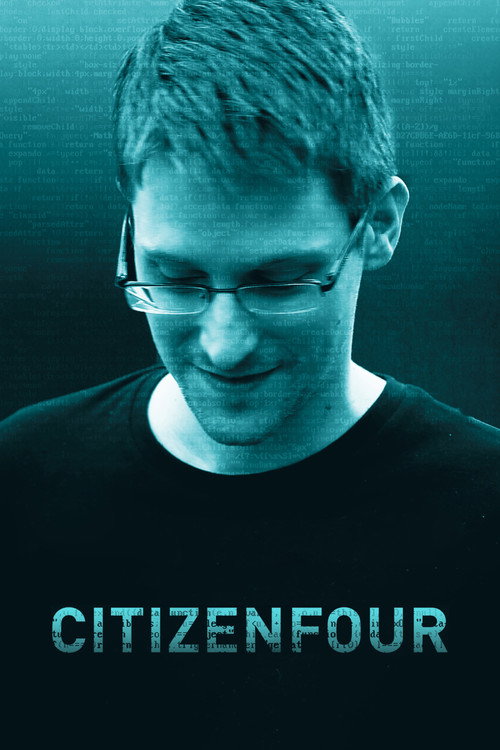
Citizenfour2014
Laura Poitras documents Edward Snowden's NSA revelations with the same unflinching attention to conscience and consequence. Both films centre on people who chose transparency over safety, and the personal cost of that choice.
But It's deliberately paced and asks you to absorb technical detail. The emotional weight builds slowly rather than hitting hard.
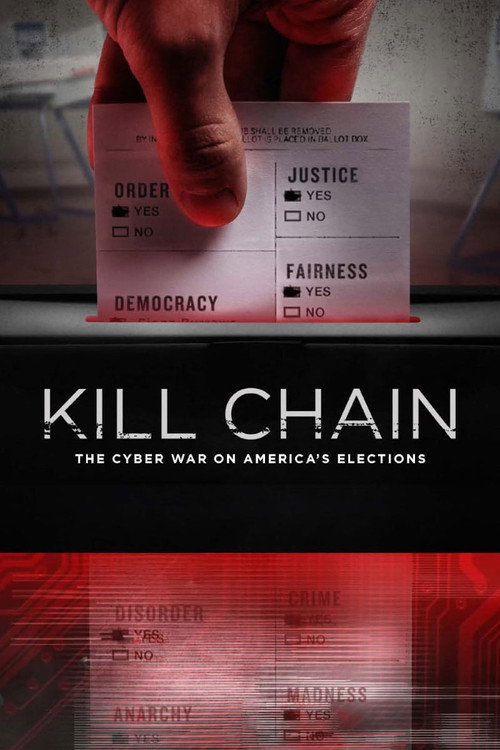
Kill Chain: The Cyber War on America's Elections2020
A documentary investigating the decision-making architecture behind drone strikes—the bureaucratic distance that lets killing feel administrative. Complements National Bird's focus on individual conscience with systemic critique.
But Less personal than National Bird. It prioritizes investigation over the human testimony that makes Kennebeck's film so affecting.
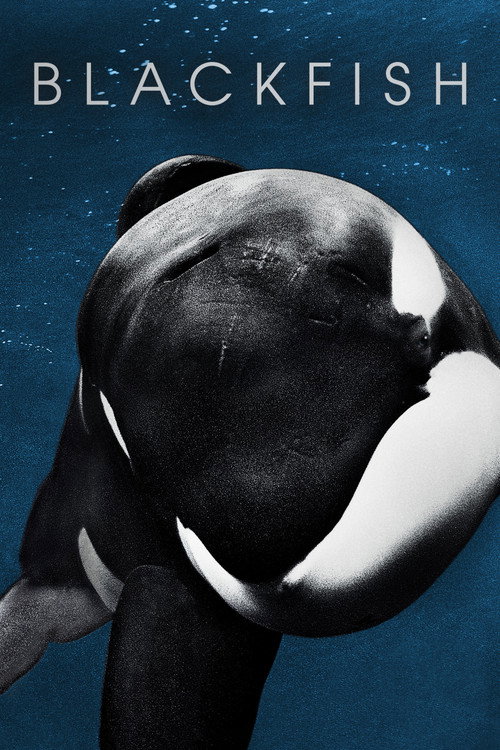
Blackfish2013
Gabriela Cowperthwaite examines how institutions rationalize harm in the name of profit and spectacle. Both films ask: what does complicity do to the people inside the machine?
But The parallel feels like it should be obvious but takes time to land. Some find the film's advocacy too pointed.
Not sure tonight? Get a pick in a minute, starting from National Bird
The wildcard
Something you would not have found on your own.
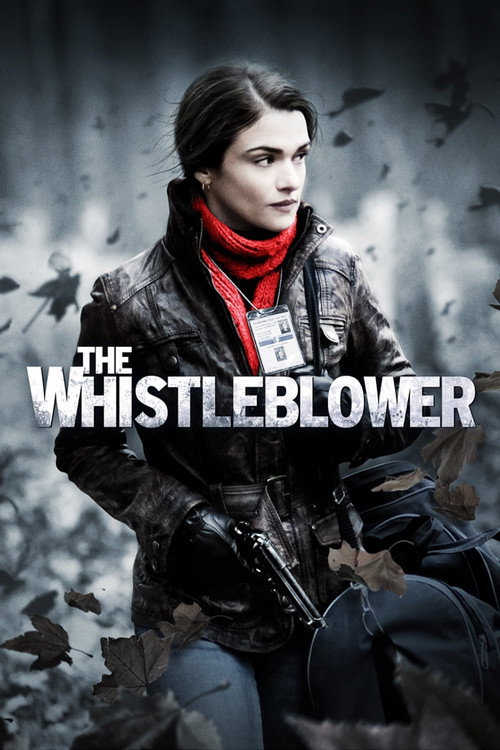
The Whistleblower2010
Both track what happens to people who know too much and refuse silence. The machinery that turns whistleblowers into pariahs.
Rachel Weisz plays a US peacekeeper in Bosnia who discovers her own employer is trafficking women. Fiction, not documentary—but it's built on the testimony of actual whistleblower Kathryn Bolkovac, and explores the same architecture: how institutions protect themselves by crushing the people who tell the truth.
But It's a revenge thriller wrapped in advocacy, which can feel manipulative. The film sometimes lets narrative momentum override the complexity of its own subject.
More like this (7)
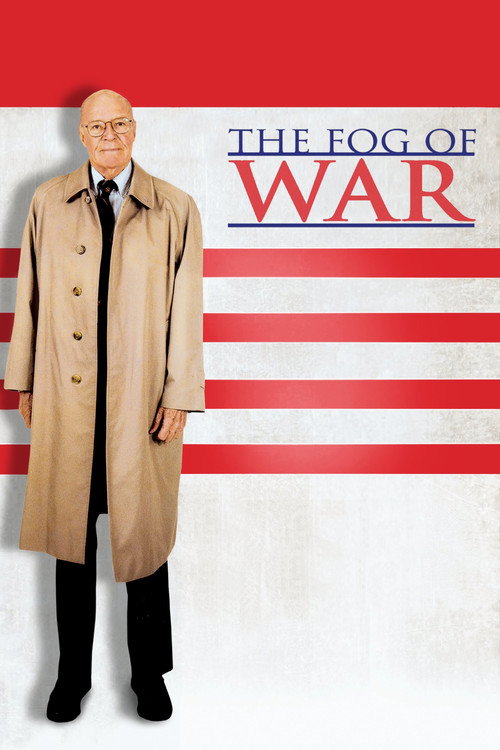
The Fog of War2003
Errol Morris sits with Robert McNamara as he reckons with Vietnam. Another meditation on old men confronting the violence they ordered, and the language we use to survive that knowledge.
But McNamara's voice dominates. It's a portrait of one man's particular evasions, not a comprehensive argument about war itself.
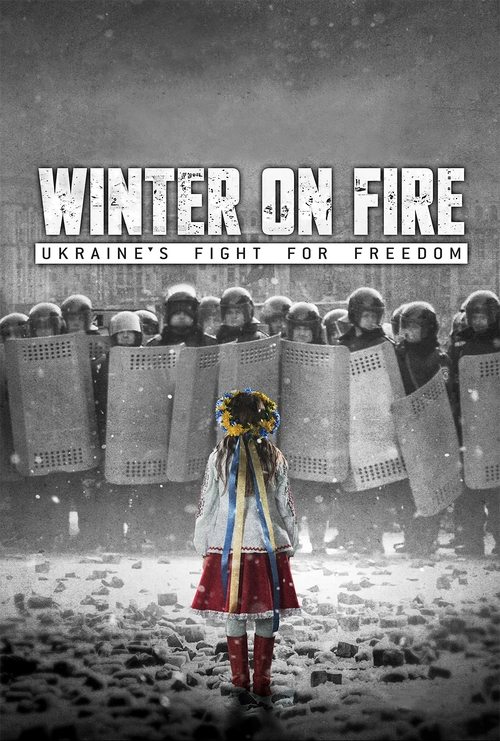
Winter on Fire: Ukraine's Fight for Freedom2015
Evgeny Afineevsky documents the Euromaidan uprising through participant testimony. Like National Bird, it's built from the inside—the view of people caught in historical events they partly create.
But The righteousness of the cause can read as simplifying. National Bird is less certain about where blame belongs, which some may find more honest.
The Act of Killing2012
Joshua Oppenheimer lets Indonesian death-squad leaders re-enact their murders. Grotesque and unbearable—a document of how people convince themselves. Shares National Bird's interest in conscience and its absence.
But Its method is provocative to the point of queasy. The film's ethics have been disputed since release. Very difficult viewing.

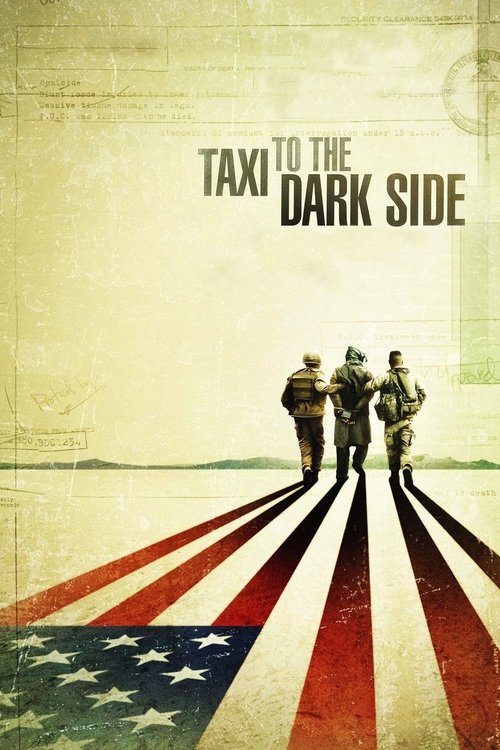
Taxi to the Dark Side2008
Alex Gibney traces a torture death from its aftermath backward to policy. Systematic and crushing. Another film about how institutions corrupt the people inside them through small, incremental choices.
But Heavily investigative. Less room for the personal testimony and ambivalence that makes National Bird so textured.
The Two Faces of January2014
Hossein Amini's adaptation lives in moral ambiguity—characters who are not good or bad, just caught. Offers a fictional complement to National Bird's documentary exploration of complicity and escape.
But A psychological thriller, not a documentary. Some may find its distance from real suffering inappropriate to seek comfort in form.

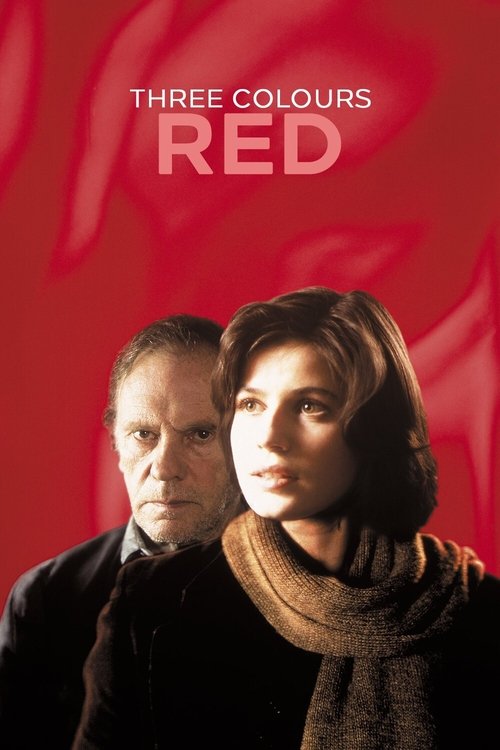
Three Colors: Red1994
Both examine how distance—physical, bureaucratic, emotional—lets us escape the weight of what we've done. And both ask whether that escape is possible, or whether conscience travels through the space we build to avoid it.
Kieslowski's meditation on chance, judgment, and the distance between intention and consequence. A woman discovers her neighbor is eavesdropping on phone calls—she becomes complicit in other people's secrets. The film thinks quietly about how we become implicated in systems larger than our individual acts.
But Abstract and Eurocean. No plot momentum. The connection to drone strikes is philosophical rather than literal. Demands patience with mood over message.
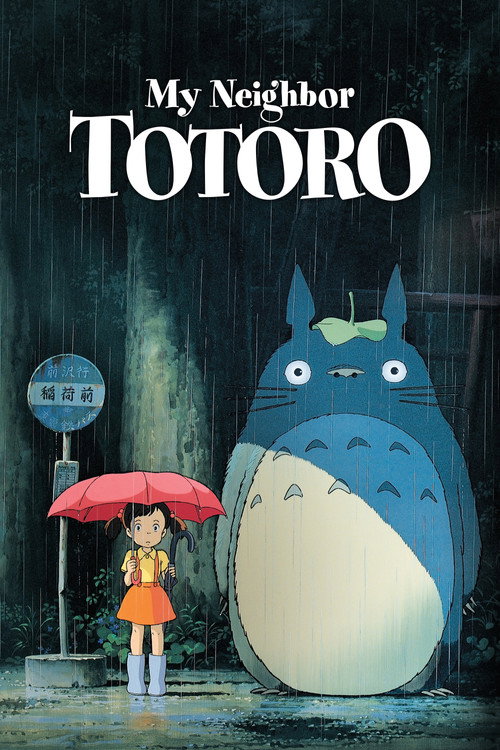
My Neighbor Totoro1988
The inverse journey. National Bird shows how distance from consequence lets us kill. Totoro shows how proximity and attention let us love. Both are about what we choose to see, and who we become as a result.
Miyazaki's film has nothing to do with drones or war. But it is fundamentally about how we treat living things when no one is watching, and the possibility of wonder existing alongside ordinary life. After National Bird's moral weight, here's a reminder that tenderness and attention are also choices we make.
But It's a children's film. Recommending it after a documentary about killing might seem tonally impossible, even cruel. You have to sit with that dissonance and decide whether it's the point.
People
Cast
- Jesselyn RadackSelf
- Daniel HaleSelf
- Lisa LingSelf
- Kim DunbarSelf
- Allen CapronSelf
 Barack ObamaSelf (Archive Footage)
Directing
- Sonia KennebeckDirector
Production
- Errol MorrisExecutive Producer
- Lois VossenExecutive Producer
- Sally Jo FiferExecutive Producer
- Wim WendersExecutive Producer
- Ines Hofmann KannaProducer
- Sonia KennebeckProducer
Recommended by
Shadow Company, Bombshell: The Hedy Lamarr Story, Drone, Unmanned: America's Drone Wars