
Film
Taxi to the Dark Side
Alex Gibney's Oscar-winning documentary traces the death of Dilawar, an innocent Afghan taxi driver killed in U.S. custody, into a wider indictment of American torture policy after 9/11. Built from interrogators' testimony, leaked memos and chilling photographs, it's methodical rather than sensational — a slow, damning procedural about how ordinary people get talked into cruelty by the language of policy.
If you liked this
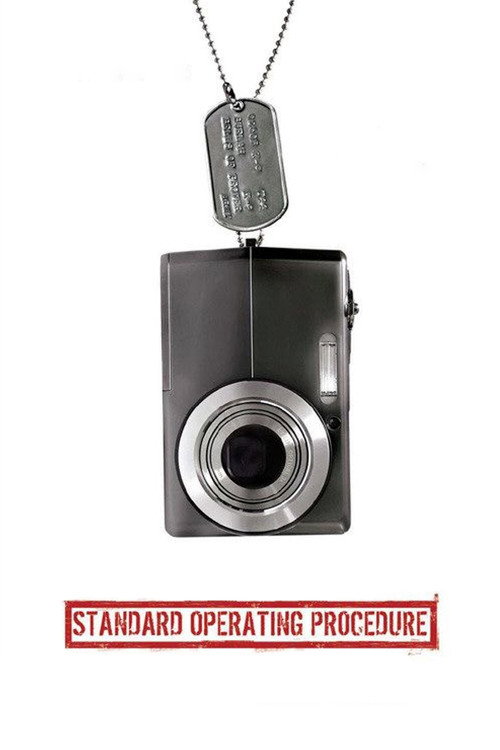
Standard Operating Procedure2008
Errol Morris turns the Abu Ghraib photographs themselves into evidence, interviewing the soldiers who took them to unpick how documentation became complicity. It's the visual, image-obsessed twin to Gibney's paper trail.
But Morris's stylised reenactments and moody score can feel like an aesthetic choice at odds with the horror on screen.
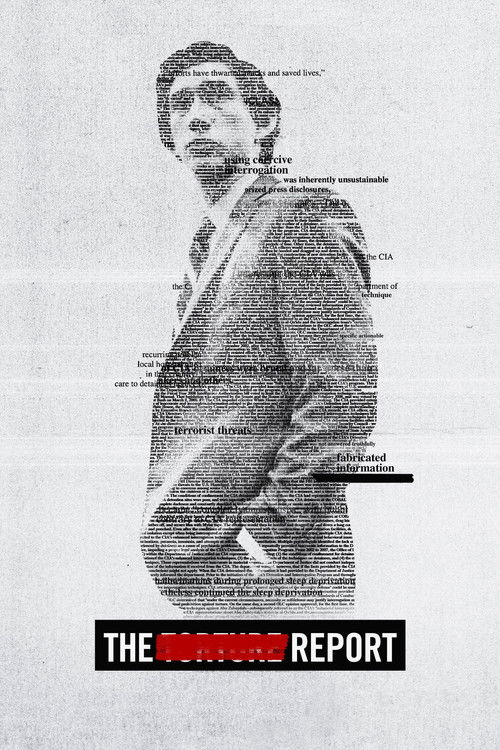
The Report2019
Adam Driver plays the Senate staffer who spent years compiling the torture report the CIA tried to bury — a procedural about institutional stonewalling that pairs perfectly with Gibney's investigative rage.
But It's talky and office-bound, more corridors and redacted documents than the visceral horror of the earlier film.
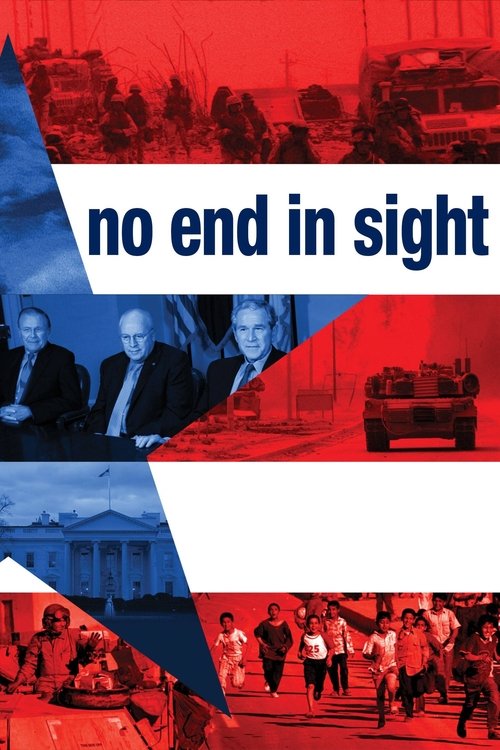
No End in Sight2007
Charles Ferguson's forensic account of the decisions that turned Iraq's occupation into chaos shares Gibney's method: calm narration, damning testimony, officials hanging themselves with their own words.
But It's dense with names, acronyms and policy detail — more briefing room than human drama.
The wildcard
Something you would not have found on your own.
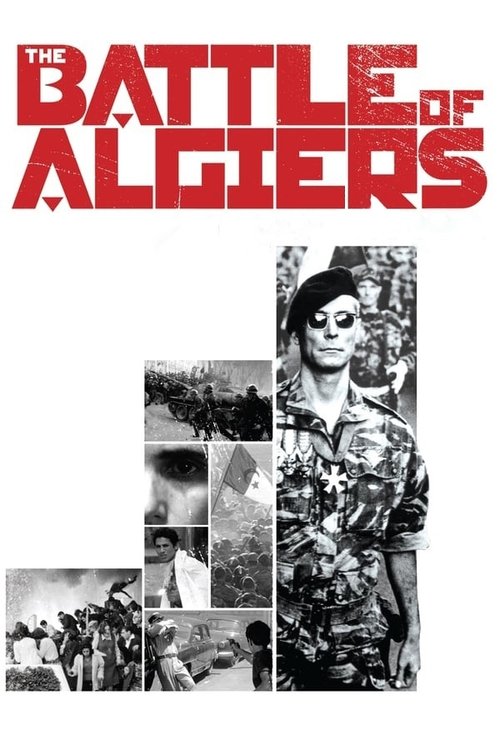
The Battle of Algiers1966
Both dissect how a state convinces itself torture is a regrettable necessity; Pontecorvo got there first, and as fiction it can go places a documentary can't.
Pontecorvo reconstructs the French use of torture against Algerian insurgents with documentary-like immediacy, decades before anyone said 'enhanced interrogation' — the same moral rot, filmed as urgent, breathless drama.
But It's a 1966 black-and-white foreign film with a large cast and no single throughline — demands more patience than Gibney's tighter documentary.
More like this (8)
Ghosts of Abu Ghraib2007no page yet
This HBO documentary sits down with both perpetrators and survivors of Abu Ghraib, asking the same question Gibney does — how do decent people end up doing this — without letting anyone off easy.
But Covers similar ground to Taxi to the Dark Side itself, so it can feel like a retread rather than a new angle.
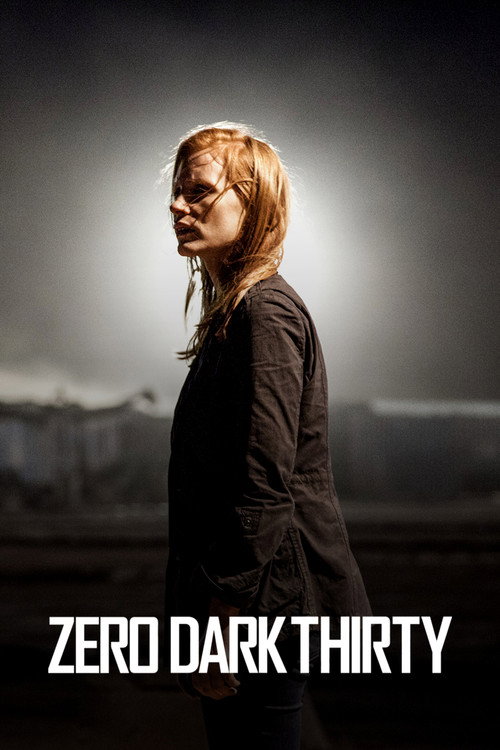
Zero Dark Thirty2012
Kathryn Bigelow's hunt-for-bin-Laden thriller opens with torture scenes so procedural they sparked a genuine debate about whether the film endorses what it depicts — exactly the argument Gibney's documentary settles.
But As a fictionalised, propulsive thriller it plays very differently from a documentary, and some found its torture scenes too clinical.
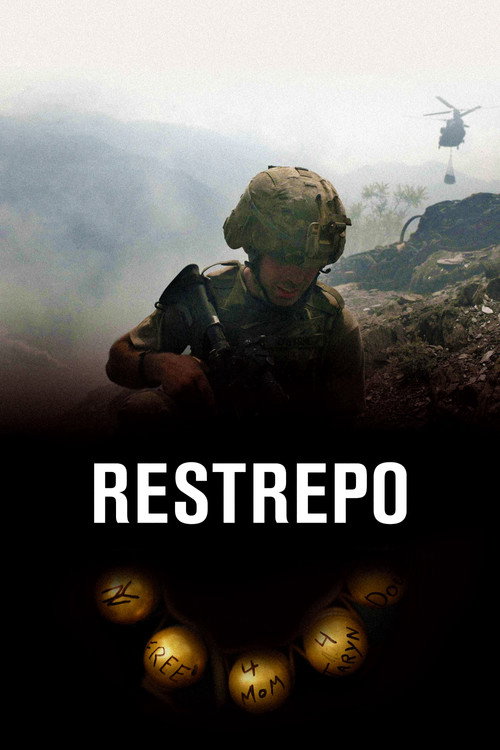
Restrepo2010
Embedded with a platoon in Afghanistan's Korengal Valley, this ground-level documentary has none of Gibney's argument-building — just exhausted, frightened young men doing an impossible job, a useful companion piece.
But There's no torture, no policy analysis and no villains here — if you want more of Gibney's specific indictment, this won't deliver it.
Why We Fight2005no page yet
Eugene Jarecki zooms out from any single war to ask why America keeps choosing them, tracing Eisenhower's warning about the military-industrial complex into the Iraq era with real bite.
But It's more essay than investigation, and its broad historical sweep trades some of Gibney's granular, name-naming specificity.
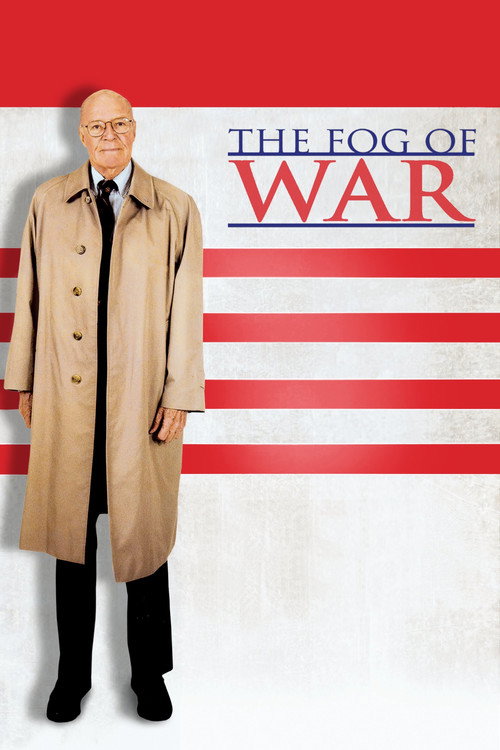
The Fog of War2003
Errol Morris interviews Robert McNamara about Vietnam decades later, and the result is a masterclass in getting a powerful man to almost, but not quite, admit what he did wrong.
But It's Vietnam, not the war on terror, and McNamara's reflective distance is a different register from Gibney's furious present tense.
Camp X-Ray2014no page yet
Kristen Stewart plays a young guard at Guantanamo forming an uneasy bond with a detainee — a smaller, more intimate fictional take on the institution Gibney's film investigates directly.
But It softens the politics into a two-person drama, and some will find it too gentle given the subject.
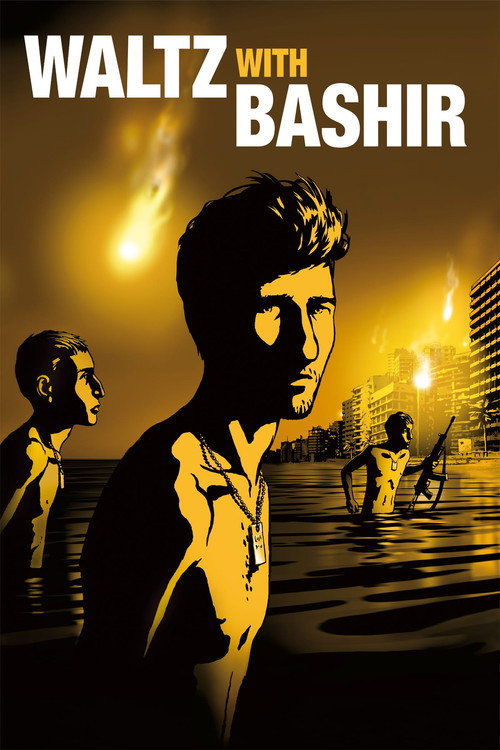
Waltz with Bashir2008
Same question as Gibney's film — how institutions and individuals bury complicity in violence — but told in a completely different documentary language: memory and animation instead of testimony and paper trail.
An Israeli filmmaker animates his own fractured memories of the 1982 Lebanon War and a massacre he can't quite recall witnessing — a documentary using illustration to reach truths memory keeps hiding.
But The animation creates an emotional distance some viewers find beautiful and others find oddly detached from real atrocity.
Unthinkable2010no page yet
It's the fantasy version of the argument the real documentary destroys: give torture a scenario dramatic enough and it looks justified, which is precisely the seductive lie Gibney is out to correct.
Samuel L. Jackson plays an interrogator given free rein against a suspected bomber in a ticking-clock thriller that dramatises, luridly, the exact 'necessary evil' argument Gibney's documentary spends two hours dismantling.
But It's a trashy, morally simplistic B-thriller next to a sober documentary — pulp entertainment, not analysis, and it knows it.
People
Cast
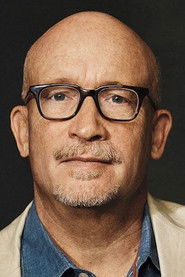 Alex GibneyNarrator (voice)
- Brian Keith AllenSoldier - New York studio shoot reenactment
- Moazzam BeggSelf - Torture Victim (as Moazzam Beg)
- Christopher BeiringSelf - Captain
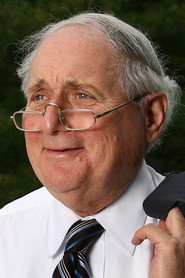 Carl LevinSelf
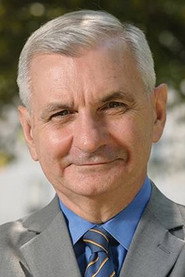 Jack ReedSelf (archive footage)
Directing
- Alex GibneyDirector
Writing
- Alex GibneyWriter
Production
- Blair FosterCo-Producer
- Martin FisherCo-Producer
- Sloane KlevinCo-Producer
- Don EdkinsExecutive Producer
- Don GlascoffExecutive Producer
- Jedd WiderExecutive Producer
- Mette HeideExecutive Producer
- Mette Hoffman MeyerExecutive Producer
- Todd WiderExecutive Producer
- Alex GibneyProducer
- Eva OrnerProducer
- Susannah ShipmanProducer
Recommended by
Going Clear: Scientology and the Prison of Belief, The Report, Syriana, Standard Operating Procedure, The Unknown Known, No End in Sight, Client 9: The Rise and Fall of Eliot Spitzer