
Film
My Country, My Country
Laura Poitras embeds with a Sunni Arab physician navigating the treacherous calculus of post-invasion Iraq, where running for office means navigating occupation, sectarian fracture, and the weight of representing a suddenly-powerless community. It's intimate and unflinching—less about grand politics than the impossible everyday choices of ordinary people caught in extraordinary circumstances.
If you liked this
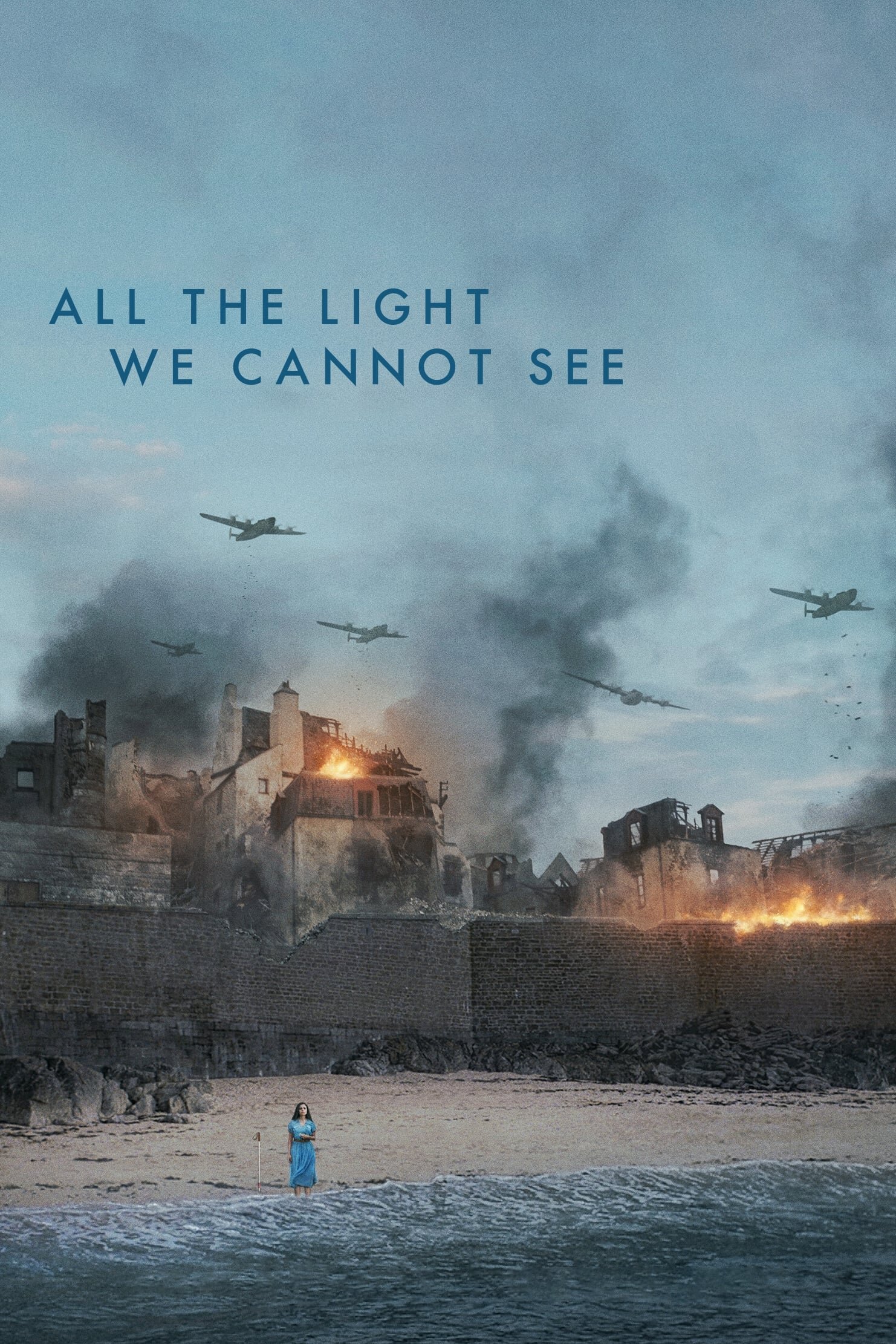
All the Light We Cannot See2023
A German soldier and a French girl's lives collide in occupied France. It's gorgeously shot, emotionally precise, and genuinely moves between their interior worlds without asking you to pick a side.
But The sweetness of the romance angle sits oddly with the historical brutality. Some find it too soft for the weight it's trying to carry.
The Act of Killing2012
A director asks Indonesian mass murderers to re-enact their killings on camera. It's deeply strange, morally vertiginous, and forces you to think harder about complicity and narrative than almost any documentary.
But It's deeply unsettling and sometimes feels like it's playing games with atrocity. The method is controversial for good reason.

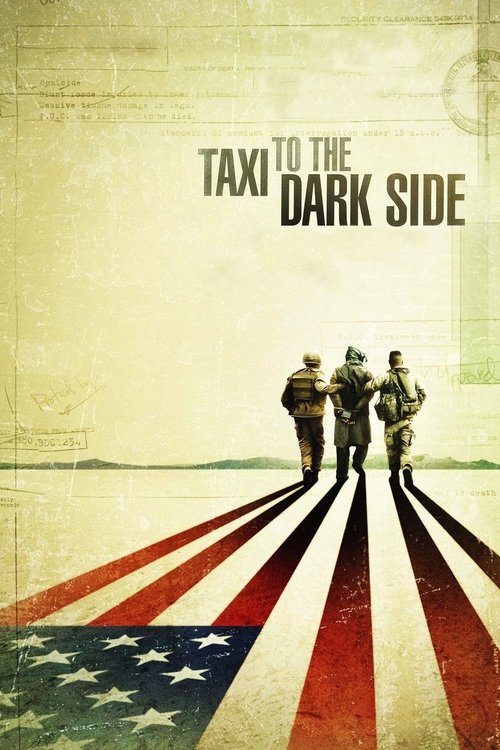
Taxi to the Dark Side2008
Poitras' Oscar-winning doc traces the American torture program through one Afghan taxi driver's disappearance. It's methodical, devastating, and structurally brilliant—how one life illuminates a system.
But The subject matter is bleak and angering. There's no redemption arc, just institutional cruelty laid bare.
Not sure tonight? Get a pick in a minute, starting from My Country, My Country
The wildcard
Something you would not have found on your own.
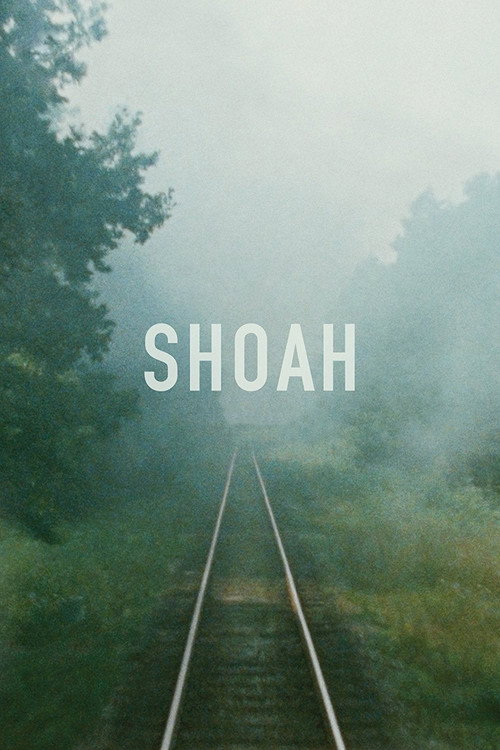
Shoah1985
Both films understand that presence and refusal to look away are forms of resistance. They trust testimony over explanation and allow silences to mean something.
Claude Lanzmann's nine-hour meditation on the Holocaust refuses archive footage, refusing the comfort of narrative distance. He drives around Poland talking to survivors and witnesses. It rewrites what a documentary can be—pure testimony, no framing.
But Nine hours. Very little happens onscreen. If you need conventional documentary rhythm or closure, this is anti-that. It's an act of witness that demands you witness in turn.
More like this (6)
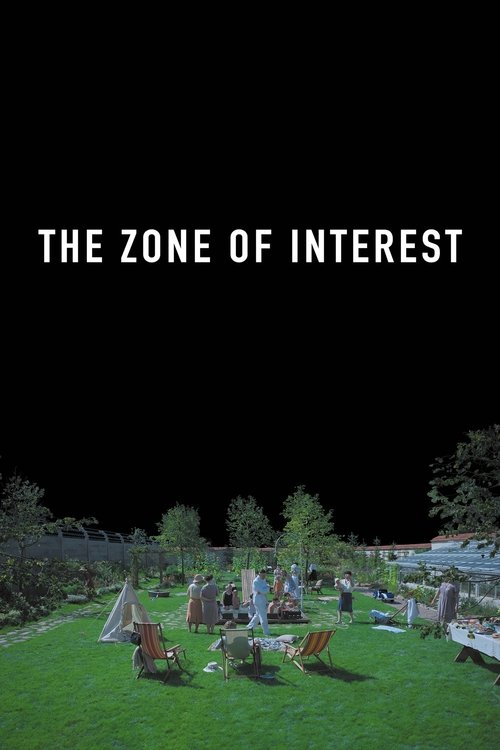
The Zone of Interest2023
A Nazi commandant and his family live in a house adjacent to Auschwitz. Shot mostly through windows and from outside, it's a masterclass in what you don't show, and how complicity lives in comfort.
But The restraint is intentional but demanding. If you need emotion signposted, this will frustrate you. Very slow.
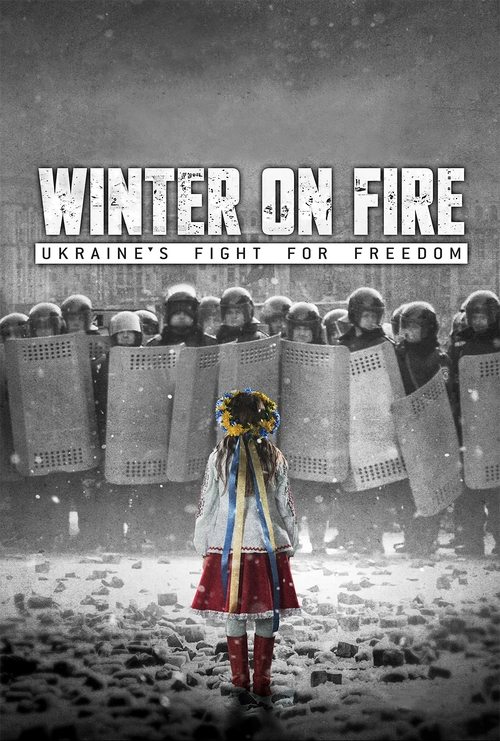
Winter on Fire: Ukraine's Fight for Freedom2015
The Euromaidan protests in Ukraine unfold in real time. You're on the streets as ideology becomes bodies, politics becomes survival. Visceral and immediate.
But The chaos can feel overwhelming. It's not always clear what's happening or why, because clarity itself was a luxury they didn't have.
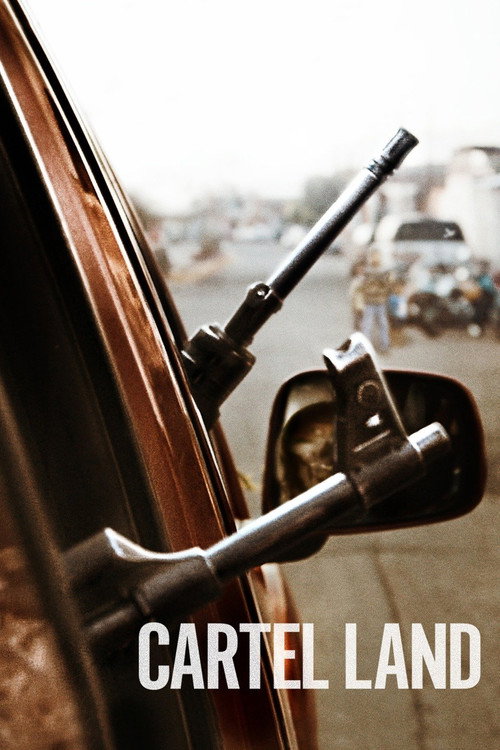
Cartel Land2015
A Mexican vigilante group tries to fight drug cartels while a former DEA agent runs a border militia. It's a portrait of violence breeding more violence, filmed with desperate clarity.
But Morally murky in ways that might feel like the film is dodging judgment. You have to sit with ambiguity that never resolves.
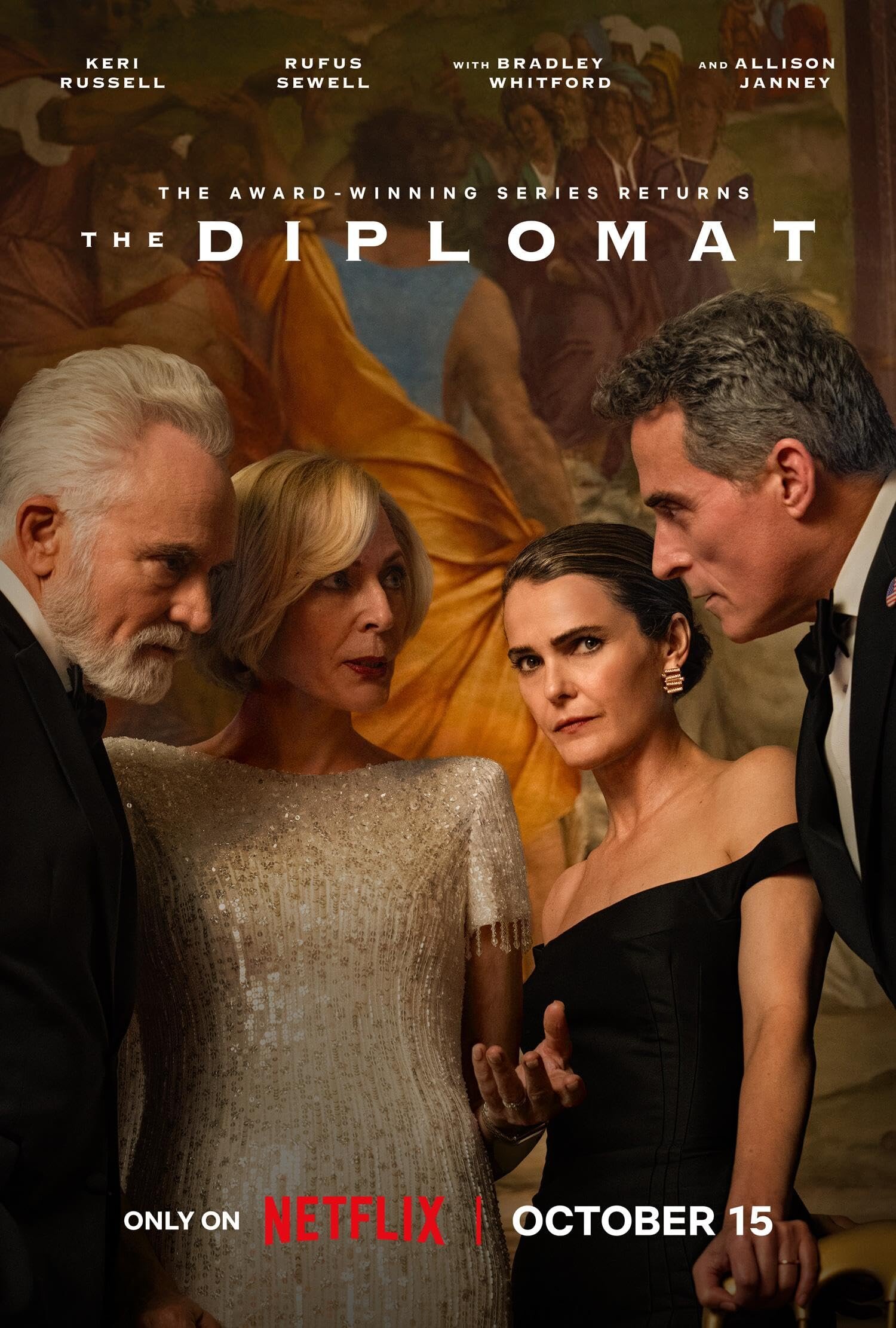
The Diplomat2023
Kate Keri Russell plays an American ambassador dropped into a crisis in an unnamed Middle Eastern country. It's sharp, propulsive, and thinks seriously about diplomacy as a kind of performance.
But It's TV melodrama with a political veneer. If you want real granular analysis, this pivots toward spectacle.
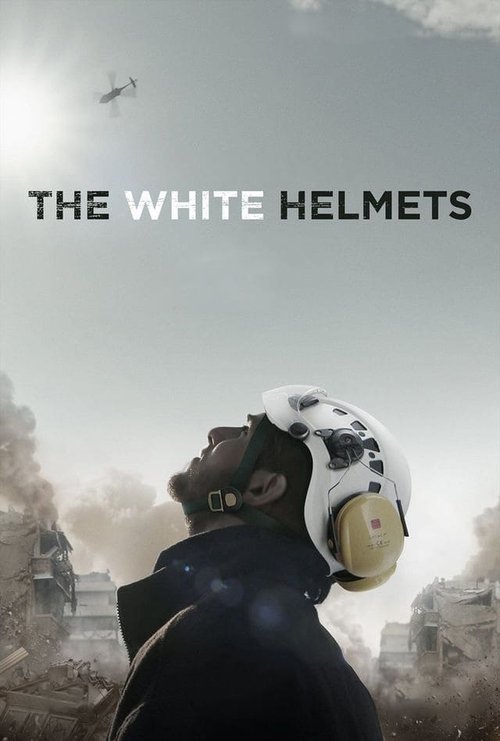
The White Helmets2016
Both follow ordinary people trying to maintain integrity and dignity while power operates around them. Both ask: what does it mean to witness and document when your government wants you silent?
Syrian rescue workers film themselves pulling bodies from rubble. It's unbearably intimate—you're watching people who decide to keep showing up, keep witnessing, keep documenting, because someone has to. A portrait of principled refusal to disappear.
But The proximity to active suffering is extreme. It's also Netflix-packaged activism, which some feel sanitizes the reality it depicts.
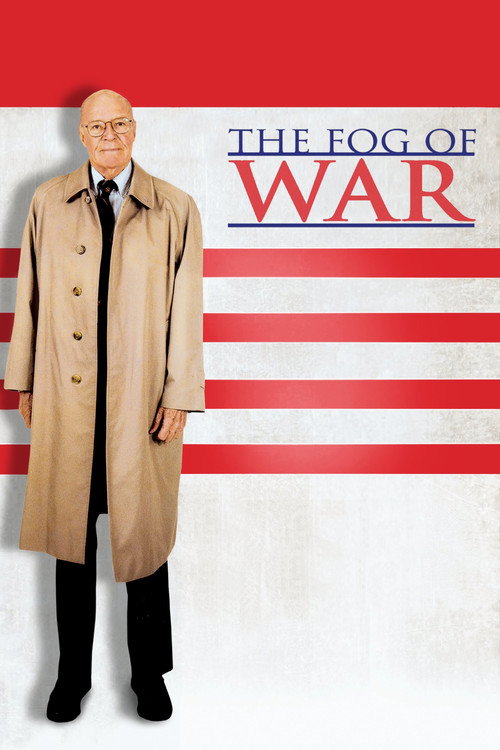
The Fog of War2003
Both examine the gap between intention and consequence, and how intelligent, principled people can end up serving systems that destroy. Both refuse to let politics be abstract—there are faces and choices and people living the aftermath.
Errol Morris interviews Robert McNamara about Vietnam, the Cuban Missile Crisis, and the nature of certainty in wartime. It's technically hypnotic—a man thinking on camera about decisions that killed millions, wrestling with what he knew and when.
But McNamara is trying to make sense of his complicity, not atone for it. If you need moral clarity or remorse, you'll leave frustrated. It's also Morris' formal playfulness over gravitas.
People
Cast
- Peter Towndrowhimself
- Scott Farren-Pricehimself
- Riyadh al-Adhadhhimself
Directing
- Laura PoitrasDirector
Production
- Jocelyn GlatzerProducer
- Laura PoitrasProducer
Recommended by
Cries from Syria, Burma VJ: Reporting from a Closed Country, Ai Weiwei: Never Sorry