
Film
The Zone of Interest
Jonathan Glazer's Auschwitz film never shows the camp's interior — only its garden wall, its smoke, its distant screams, heard while the commandant's family gardens and swims. It's a horror movie about domestic contentment, shot with the detachment of a nature documentary. Formally audacious, emotionally withholding by design, it asks you to notice what you'd rather not. Best watched with someone you can sit in silence with afterward.
If you liked this
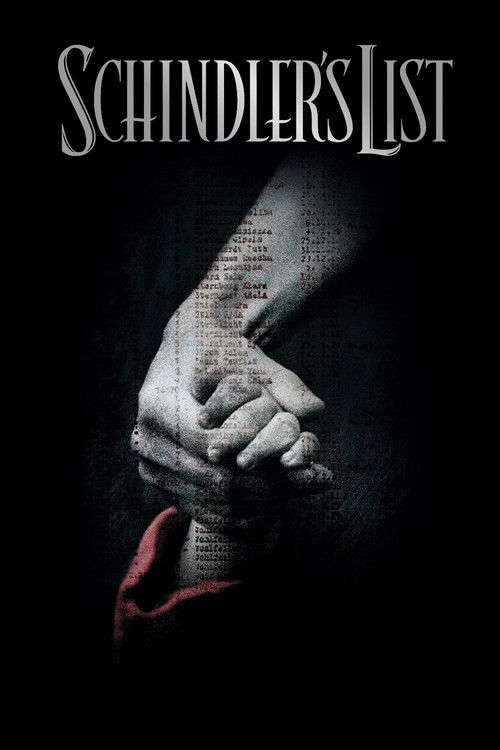
Schindler's List1993
The founding text of Holocaust cinema, and still the emotional gut-punch it was on release. If Zone of Interest withheld everything, this supplies the horror directly, and reminds you why that horror matters.
But Three hours, unashamedly manipulative, and the opposite of Glazer's cool distance — Spielberg wants you sobbing.
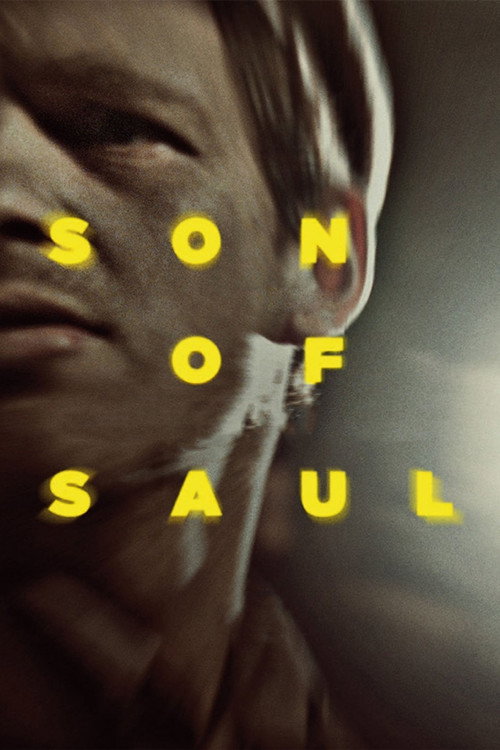
Son of Saul2015
Shot entirely from inside the machinery of a death camp, always in tight, shallow focus, so the atrocity stays at the edge of frame — a formal cousin to Glazer's off-screen approach, but from the other side of the wall.
But Punishingly claustrophobic and relentless; there's no relief valve, and it's designed that way.
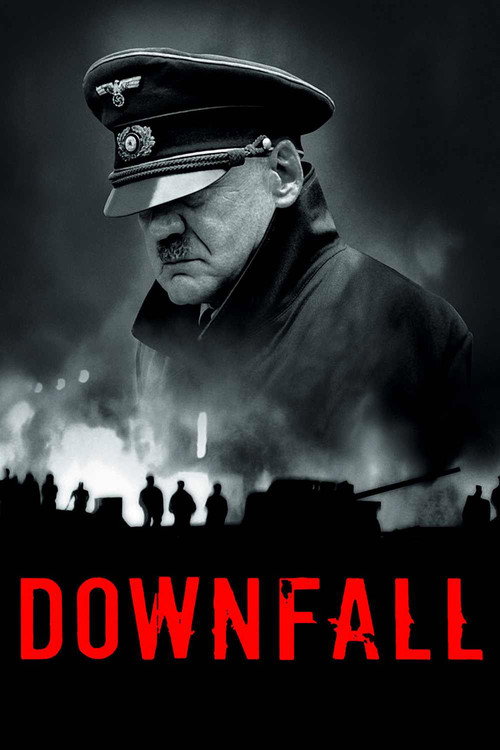
Downfall2004
Hitler's last days in the bunker, played with disturbing domesticity — meals, small talk, tantrums — showing evil as household routine rather than spectacle. The same unsettling banality Glazer mines, from inside the highest command.
But Bruno Ganz's performance is so human it occasionally tips toward sympathy some viewers find queasy.
The wildcard
Something you would not have found on your own.
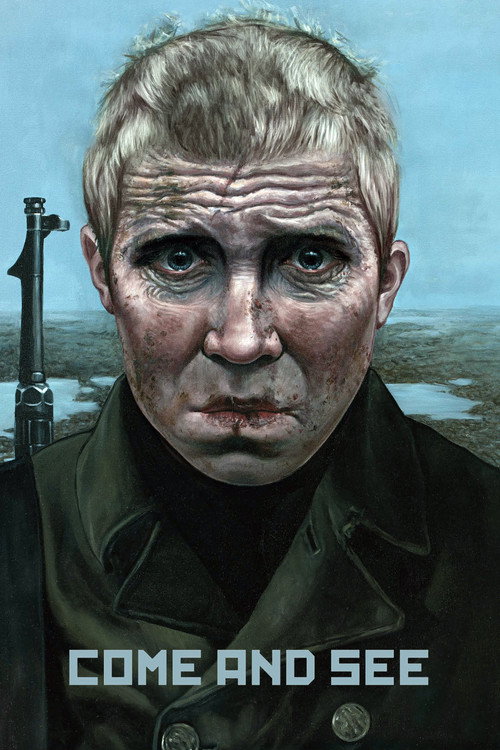
Come and See1985
Where Glazer withholds atrocity to unsettle you, Klimov floods you with it — same question about how close cinema should bring you to horror, answered in total opposite registers.
A Soviet film about a boy in occupied Belarus that is possibly the most physically overwhelming war film ever made — sound design, mud, faces, all pushed to sensory extremes no modern film dares match.
But It is genuinely traumatic to sit through, not metaphorically — a real ordeal, not a comfortable recommendation.
More like this (8)
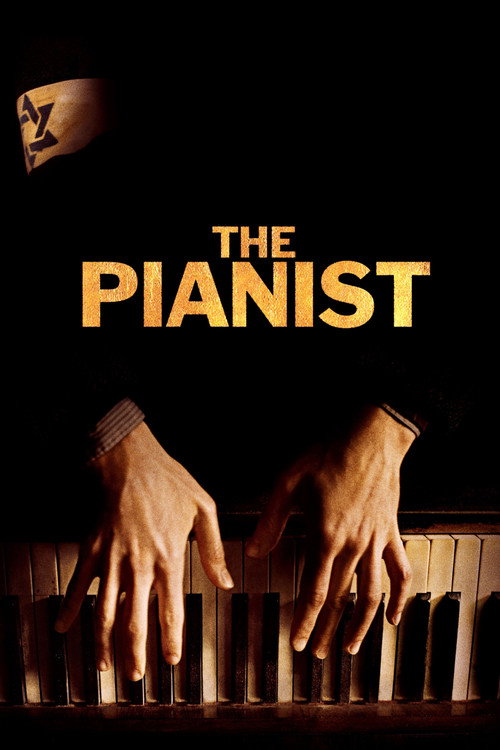
The Pianist2002
Polanski, who survived the Kraków ghetto himself, gives the Holocaust its most physically exhausting depiction of survival — cold, hunger, hiding, silence. A necessary counterweight told from inside the suffering Glazer keeps offscreen.
But Bleak and episodic rather than dramatic in a conventional arc; it's about endurance, not catharsis.
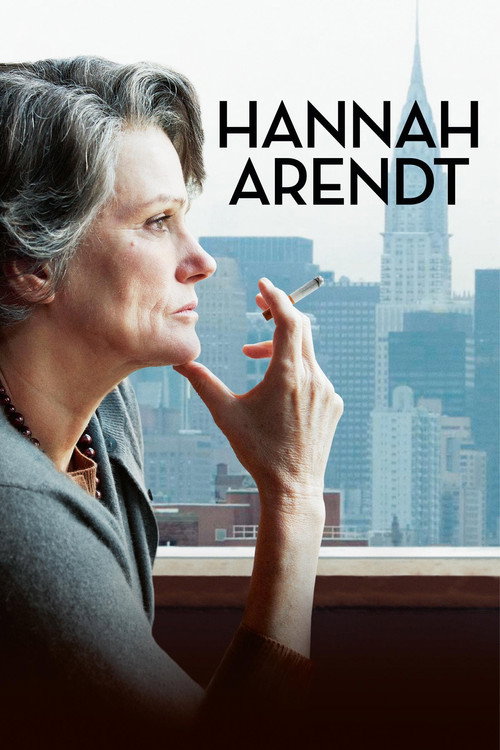
Hannah Arendt2012
A biopic about the philosopher who coined 'the banality of evil' while covering Eichmann's trial — essentially the intellectual scaffolding underneath everything Glazer is doing visually. Dense, talky, and genuinely illuminating.
But It's a film of ideas and courtroom argument, light on drama in the usual sense — bring patience.
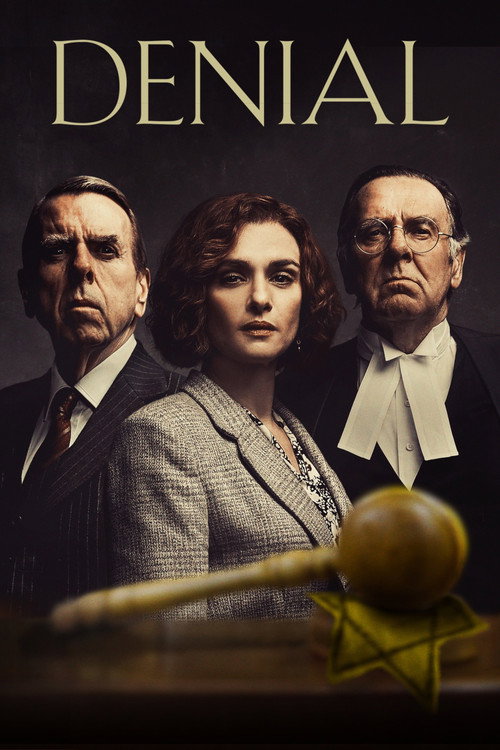
Denial2016
A courtroom drama about a historian forced to prove the Holocaust happened, against a denier who weaponises doubt as a legal strategy. Sharp, angry, and quietly terrifying about how easily facts erode.
But Conventional legal-drama structure — solid but far less formally daring than Glazer's film.
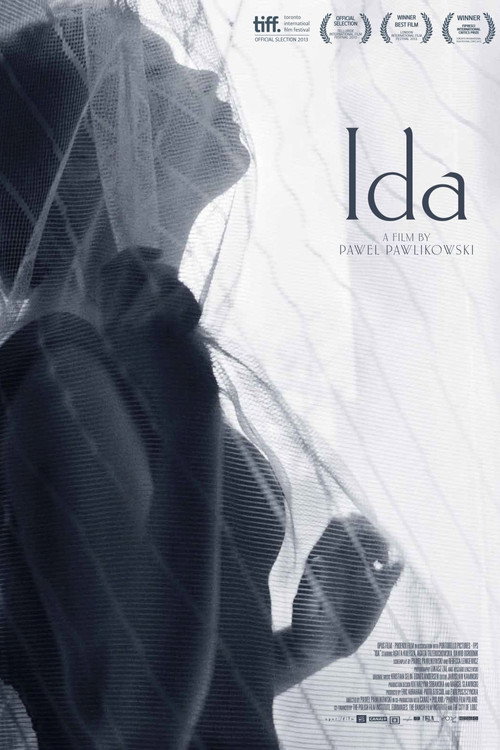
Ida2013
A Polish nun discovers her Jewish family history in a film as visually austere and controlled as Zone of Interest — black and white, static frames, grief handled with total restraint rather than melodrama.
But Slow, spare, and deliberately undemonstrative; some will find it too withholding to connect with.
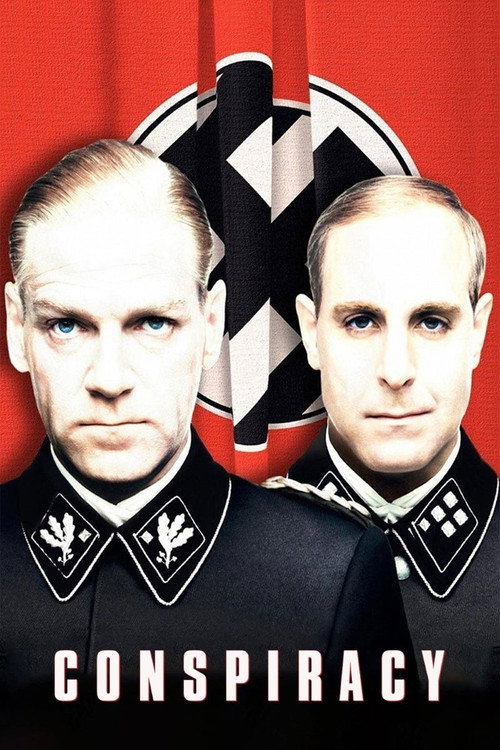
Conspiracy2001
A dramatisation of the Wannsee Conference, where the Final Solution was planned over lunch and small talk in ninety brisk minutes. Bureaucratic evil rendered as a business meeting — chillingly close to Glazer's thesis.
But Talk-heavy and stagebound, essentially a filmed play; it trades atmosphere for dialogue.
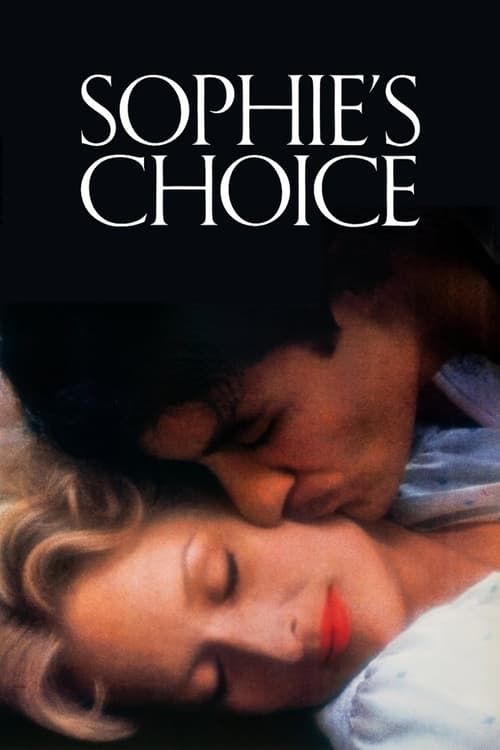
Sophie's Choice1982
Meryl Streep's performance as a camp survivor carrying an unspeakable secret into postwar life is the emotional register Zone of Interest refuses to give you — devastating, operatic, unforgettable.
But Melodramatic by design, and its pacing and tone have aged less gracefully than the performance at its centre.
Night and Fog1956
This is where the idea of 'the calm, ordinary landscape hiding the crime' comes from — a 1955 short essay film doing, in documentary form, exactly what Glazer does in narrative.
A 32-minute documentary essay, made a decade after liberation, that intercuts serene present-day camp grounds with archival horror — grass growing over mass graves, narration asking who is responsible. It's the direct ancestor of Glazer's method.
But Contains real atrocity footage, unflinching and historical, not staged — genuinely hard to watch, and short doesn't mean easy.
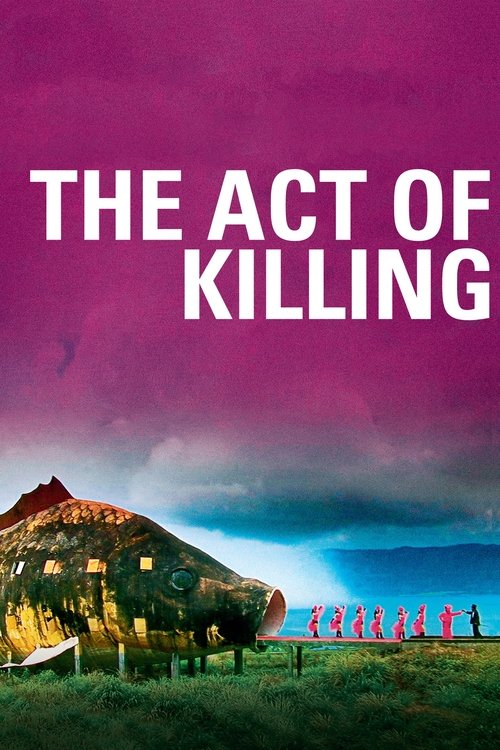
The Act of Killing2012
Same subject as Zone of Interest — ordinary men who commit genocide and go home for dinner — but here the perpetrators narrate themselves, turning Glazer's cool observation into unbearable, willing self-exposure.
Indonesian death-squad leaders re-enact their 1965 killings for the camera, in genre styles of their choosing — musicals, westerns — revealing how perpetrators mythologise themselves. A documentary that becomes stranger and more damning than fiction could dare.
But Morally disorienting by design; you spend two hours in the company of unrepentant killers, which some rightly can't stomach.
People
Cast
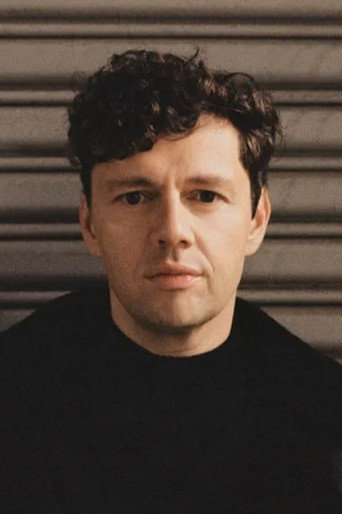 Christian FriedelRudolf Höss
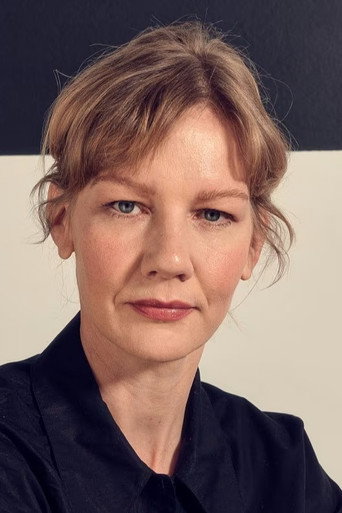 Sandra HüllerHedwig Höss
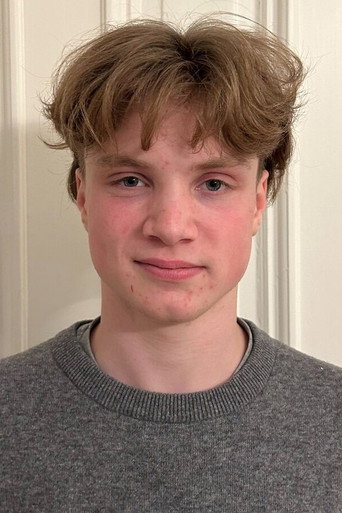 Johann KarthausClaus Höss
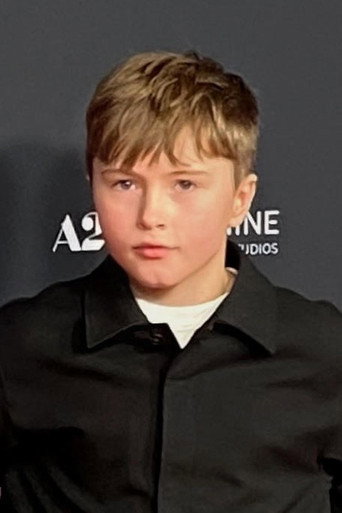 Luis Noah WitteHans Höss
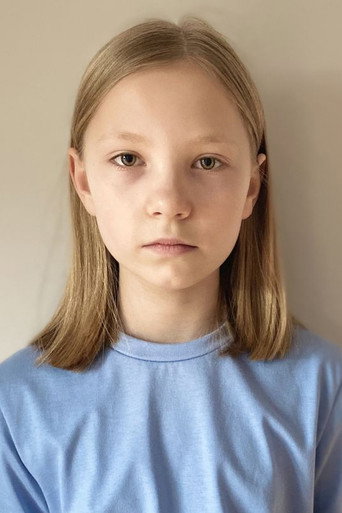 Nele AhrensmeierInge-Brigit Höss
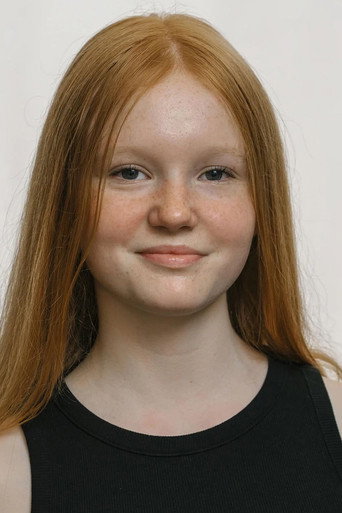 Lilli FalkHeideraud Höss
- Anastazja DrobniakAnnagret Höss
- Cecylia PekalaAnnagret Höss
- Kalman WilsonAnnagret Höss
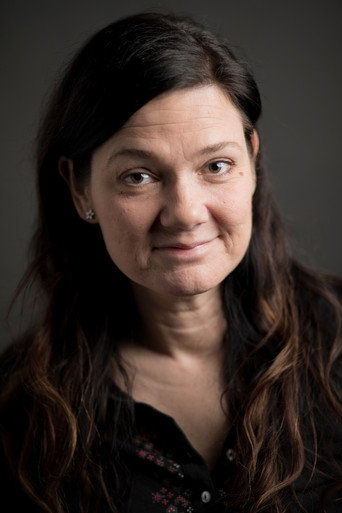 Medusa KnopfElfriede
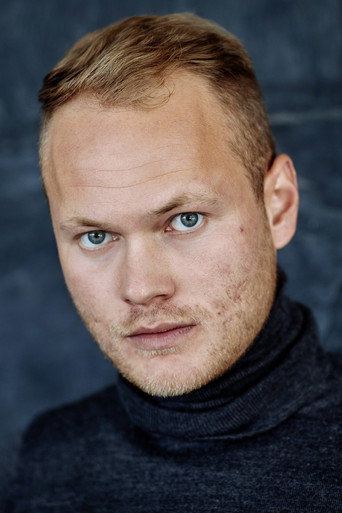 Maximilian BeckSchwarzer
- Andrey IsaevBronek
Directing
- Jonathan GlazerDirector
- Marc A. WilsonFirst Assistant Director
- Mieszko FalanaSecond Assistant Director
- Dominik WatinSecond Second Assistant Director
Writing
- Lukas FeigelfeldDialogue
- Martin AmisNovel
- Franz RodenkirchenOther
- Jonathan GlazerWriter
Production
- Katrin VorderwülbeckeAdditional Casting
- Agnieszka StanekAdministration
- Elżbieta ŚnigórskaAdministration
- Magdalena PlucennikAdministration
- Kornelia KamieniarzAssistant Production Manager
- Łucja DylewiczAssistant Production Manager
- Maciej WąsielAssistant Production Manager
- Maja KrężelAssistant Production Manager
- Alexandra MontagCasting
- Gniewko FalanaCasting
- Jacqueline RietzCasting
- Magdalena SzwarcbartCasting
- Simone BärCasting
- Bartek RainskiCo-Producer
- Bugs HartleyCo-Producer
- Nathan ReinhartExecutive In Charge Of Production
- Daniel BattsekExecutive Producer
- Danny CohenExecutive Producer
- David KimbangiExecutive Producer
- Len BlavatnikExecutive Producer
- Ollie MaddenExecutive Producer
- Reno AntoniadesExecutive Producer
- Tessa RossExecutive Producer
- Magdalena MaliszLine Producer
- Eugene StrangeLocation Manager
- Ewa PuszczyńskaProducer
- James WilsonProducer
- Dominika PołomskaProduction Coordinator
- Molly MoffattProduction Coordinator
- Witold FranczakProduction Coordinator
- Małgorzata BereźnickaProduction Manager
- Lucy PardeeResearcher
- Michał ŚliwkiewiczResearcher
Recommended by
Conspiracy, Judgment at Nuremberg, Son of Saul, Land of Mine