
Film
The Passion of Anna
Bergman's 1969 masterwork: a raw, almost documentary-like portrait of two damaged people trying to build connection on a remote Swedish island. It feels like watching someone's actual life—unguarded, painful, messy. For viewers ready to sit with real emotional hurt and believe it matters.
Should you watch it?
Watch it if you are drawn to chamber dramas that study two damaged people circling each other, where silence, close faces and small gestures carry more weight than plot, and where the intimacy is the whole point.
Skip it if you need steady momentum, since this is a slow, bleak, dialogue-heavy film with long stretches of quiet and an unrelenting melancholy that can feel punishing at feature length.
What it asks of you: Plan to sit still for about an hour and forty minutes, letting long close-ups and slow, gathering unease do the work; it rewards undivided attention and punishes distraction.
Not sure? Find tonight's pick in a minute.
If you liked this
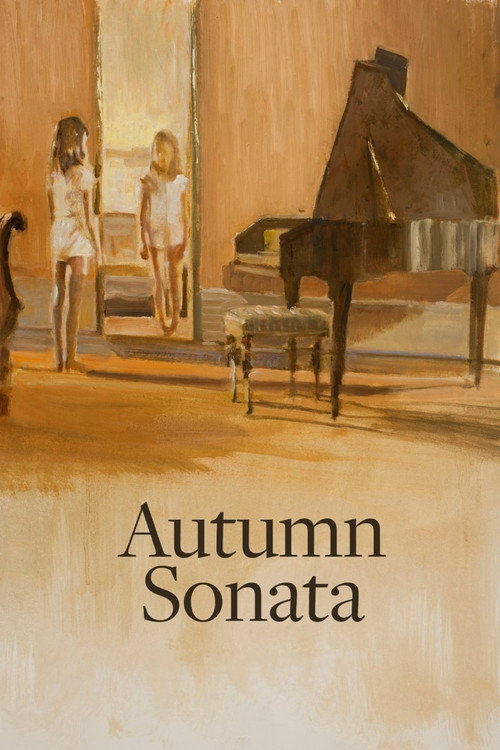
Autumn Sonata1978
Bergman's other great examination of how two people wound each other, this time a mother and daughter pianist reuniting after years. It has the same unflinching emotional precision, the same sense of old damage resurfacing.
But Slower and more conversational than The Passion of Anna, which some find less immediately gripping. Also demands you care about a fractured family relationship, not everyone's speed.
A Doll's House2023
Fein's adaptation of Ibsen captures that same 1960s-70s Scandinavian unflinching about marriage and identity—two people realizing they don't actually know who the other person is. Liv Ullmann, who starred in The Passion of Anna, also appears in this version.
But Theater-based, which means sometimes it feels like listening rather than watching. Ibsen dialogue can feel arch to modern ears if you're not in the mood for it.
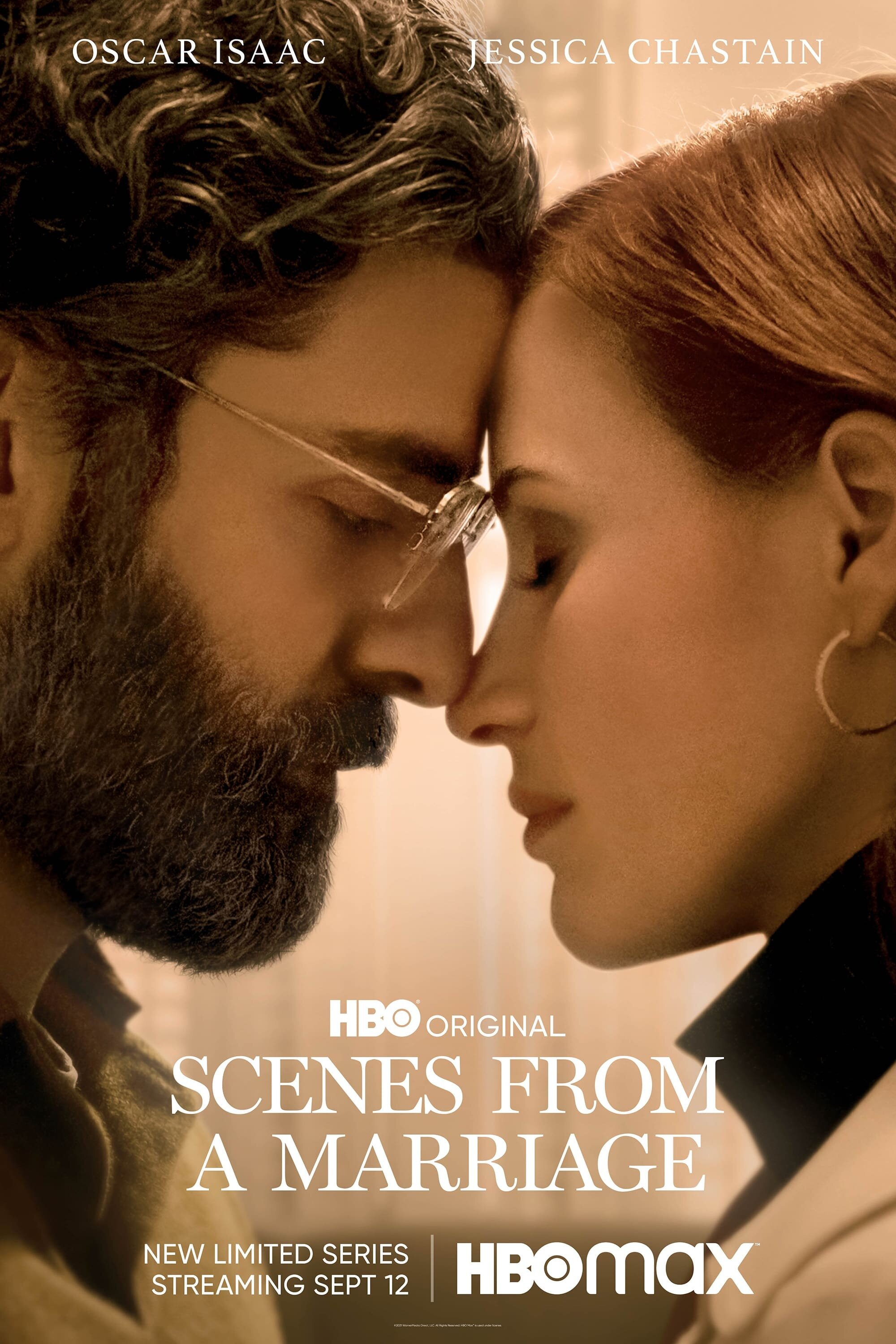
Scenes from a Marriage2021
Also Bergman, also Liv Ullmann, and it's arguably his finest work on how two people systematically destroy and rebuild themselves around each other. Six episodes that feel like watching a marriage in a petri dish.
But It's even slower and more deliberately paced than The Passion of Anna. Some scenes are just two people talking in a room for very long stretches.
Not sure tonight? Get a pick in a minute, starting from The Passion of Anna
The wildcard
Something you would not have found on your own.
Jeanne Dielman, 23, quai du Commerce, 1080 Bruxelles1976
Both films trust that a woman's interior world and daily survival matter as much as conventional drama. Both are about how people maintain themselves—emotionally, physically—in isolation or damaged partnership.
Chantal Akerman's three-hour observation of a widow's daily routine: making dinner, counting money, tidying, and once a week receiving a paying visitor. It's The Passion of Anna inverted—not the exception or the breakdown, but the grinding quotidian reality of a woman managing damage and isolation. Akerman trusts you to find meaning in routine in the way Bergman trusts you to find it in crisis.
But It is genuinely, seriously slow. You watch someone make mashed potatoes for real time. This is not art as entertainment. It requires patience that The Passion of Anna, for all its deliberation, does not demand.

More like this (7)
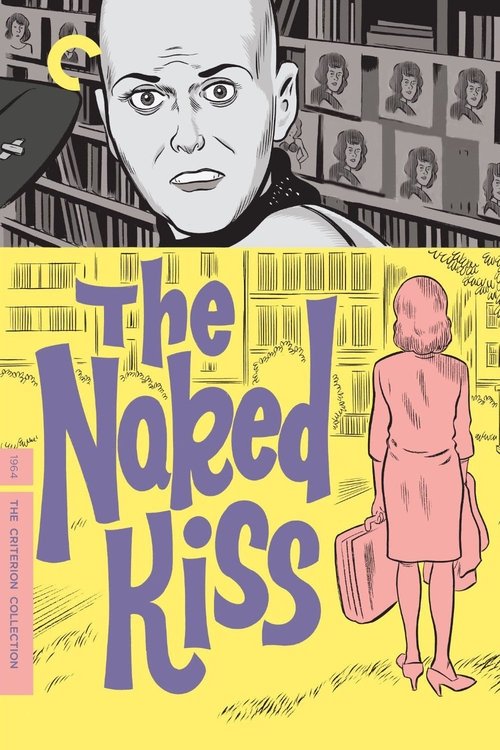
The Naked Kiss1964
Fuller's brilliant B-movie about a sex worker trying to build a real life in a small town. Like The Passion of Anna, it's unashamed about showing damaged people seeking connection, but it does so with pulp energy and raw-nerved compassion.
But It's made on a shoestring with non-professional actors, which gives it authenticity but also occasional awkwardness. The tone is harder to pin down than Bergman's control.
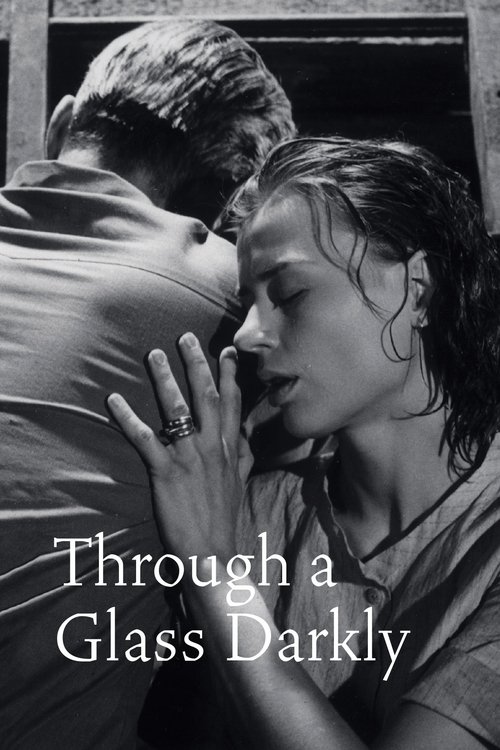
Through a Glass Darkly1961
Bergman on an island with four family members in real time as mental illness spirals. It shares The Passion of Anna's claustrophobic intensity and its refusal to look away from what love cannot fix.
But Deeply bleak. There's no redemption waiting at the end. If you need your stories to offer hope, this will feel like punishment rather than art.
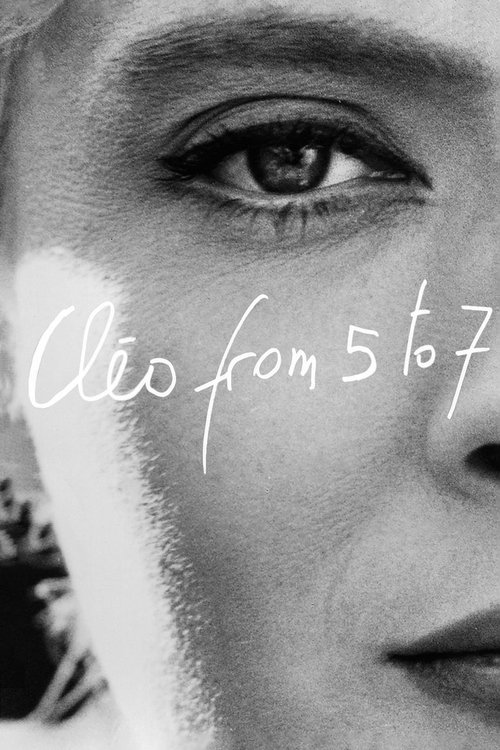
Cléo from 5 to 71962
Varda's film follows a woman for 90 minutes as she waits for cancer test results in Paris. Like The Passion of Anna, it finds profound humanity in a single human's interior weather, and it trusts watching someone just live.
But Very French in its pacing and philosophy. If you found The Passion of Anna slow, this will feel glacial. Also very much a woman's film, which isn't a problem unless you need external plot to keep you awake.
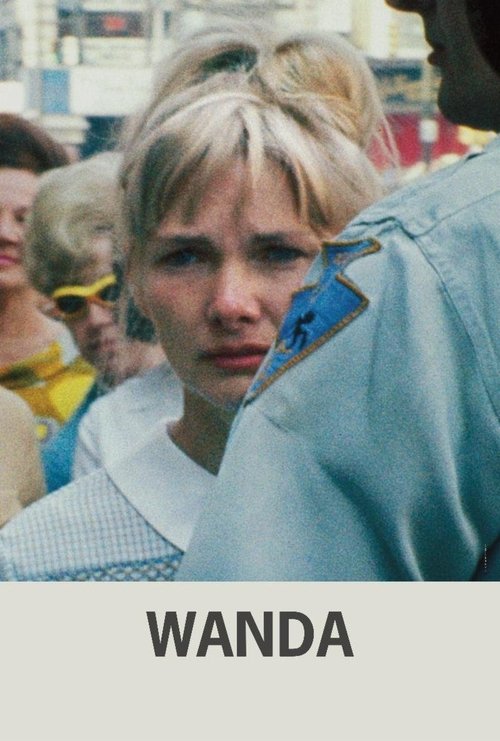
Wanda1970
Loden's debut is about a woman drifting through life, making bad choices, seeking connection with someone unsuitable. It has The Passion of Anna's documentary realism and its conviction that watching someone self-destruct matters.
But No plot engine. Your protagonist is passive and often unlikeable. If you need a character to change, to learn, to earn their redemption, this will feel like watching someone waste their potential.
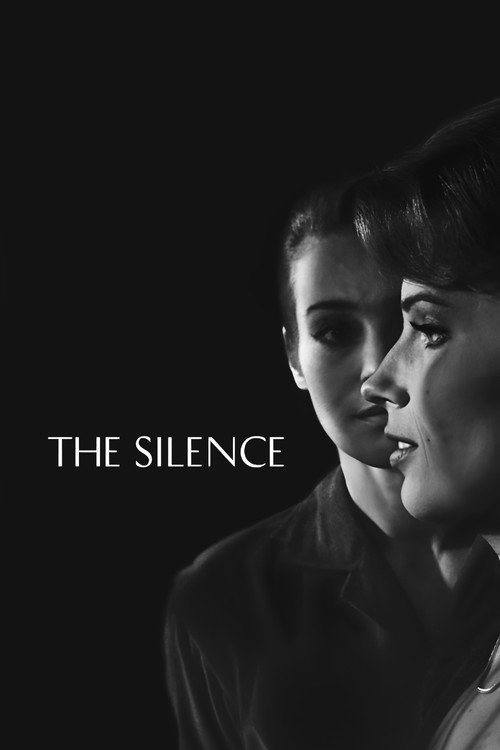
The Silence1963
Bergman's other masterpiece about two sisters in a hotel in a foreign country where no one speaks the language, and connection becomes almost impossible. It has the same trapped intensity, the same conviction that psychology is tragedy.
But The most austere and abstract of his works. Symbols matter more than plot. If you need concrete narrative to latch onto, this offers very little.
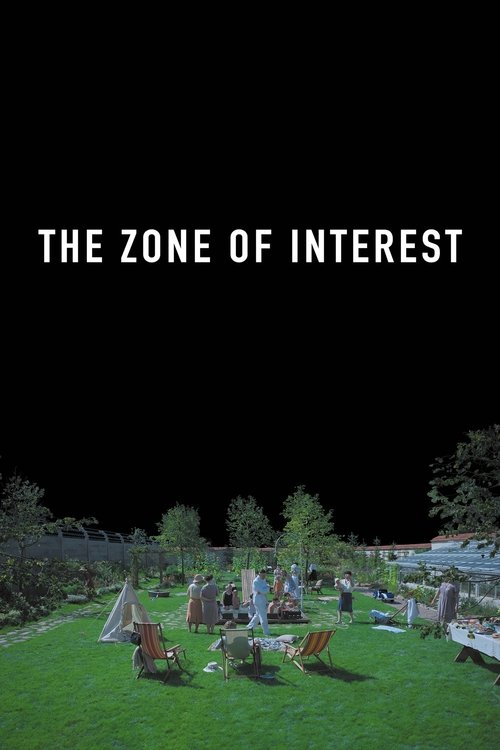
The Zone of Interest2023
Both films refuse to let you separate private emotional life from the larger brutal context in which it happens. Both ask what it means to be human when damage—personal or historical—is structural, not accidental.
Glazer's film about a Nazi commandant's family living in a house beside Auschwitz. Like The Passion of Anna, it's an almost unbearably intimate portrait of people trying to love and live while atrocity structures everything they do. It has Bergman's commitment to psychological realism even when—especially when—it's morally shattering.
But It's about the Holocaust. The whole thing is a kind of atrocity you watch unfold from the inside of ordinary human relationships. If you cannot sit with that weight, you should not watch it.
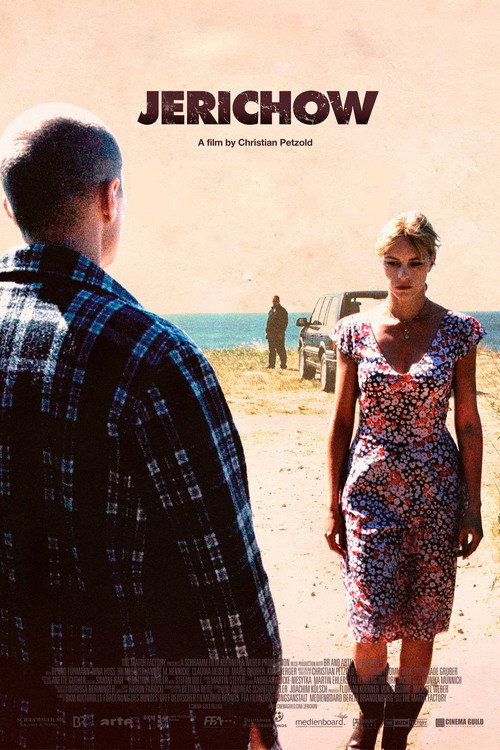
Jerichow2008
A structural echo: two people trying to build something real while circumstance and character psychology make it nearly impossible. Both films believe that ordinary quiet destruction is as worthy of cinema as any grand tragedy.
Harfouch's film: a returning soldier, a married woman, an affair in a German industrial town. It has The Passion of Anna's exact DNA—small cast, sexual and emotional entanglement, class and damage intertwined, no easy endings. But it's made in the 2000s, in German, with none of Bergman's fame, which makes it feel like finding something lost.
But It's genuinely obscure and rarely written about. You'll have to trust that it's worth the effort to find. Also, it's quietly devastating in a way that requires patience. There's no catharsis, just the weight of bad choices.
People
Cast
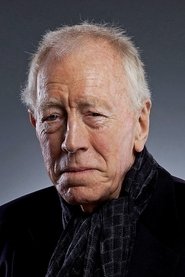 Max von SydowAndreas Winkelman
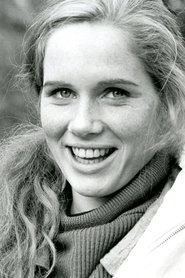 Liv UllmannAnna Fromm
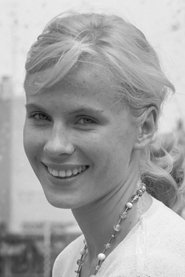 Bibi AnderssonEva Vergerus
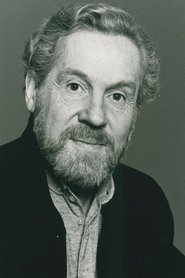 Erland JosephsonElis Vergerus
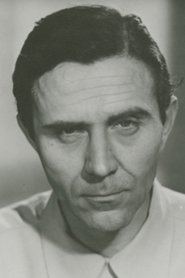 Erik HellJohan Andersson
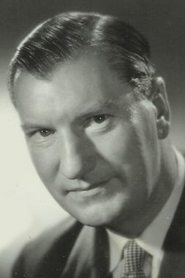 Sigge FürstVerner
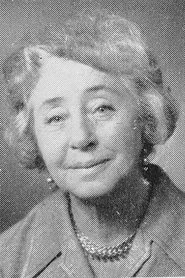 Svea HolstVerner's Wife (uncredited)
- Annicka KronbergKatarina
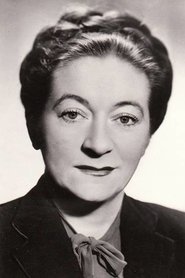 Hjördis PettersonJohan's Sister (uncredited)
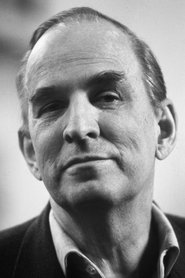 Ingmar BergmanNarrator (voice) (uncredited)
- Lars-Owe CarlbergPolice Officer (uncredited)
- Brian WikströmPolice Officer (uncredited)
Directing
- Ingmar BergmanDirector
- Katinka FaragóScript Supervisor
Writing
- Ingmar BergmanWriter
Production
- Brian WikströmLocation Manager
- Lars-Owe CarlbergProducer
- Lars-Owe CarlbergProduction Manager
Recommended by
Captain Corelli's Mandolin, The Story of O, La Chinoise, Madame Bovary, Kaos, Werther, Night Games, Madame Bovary, The Story of Sin, Gabriela