
Film
Madame Bovary
Other titles called Madame Bovary: the 1949 film, the 1991 film, the 2015 film.
- Period drama
- Tragic romance
- Very dark
Renoir's 1934 adaptation of Flaubert's masterpiece follows a woman suffocating under respectability, chasing romantic fantasy through affairs and reckless spending. Shot in classical French style, it's measured and humane where the novel is savage. Essential cinema for anyone interested in how adaptations wrestle with literature, or how cinema sees women's desire.
If you liked this
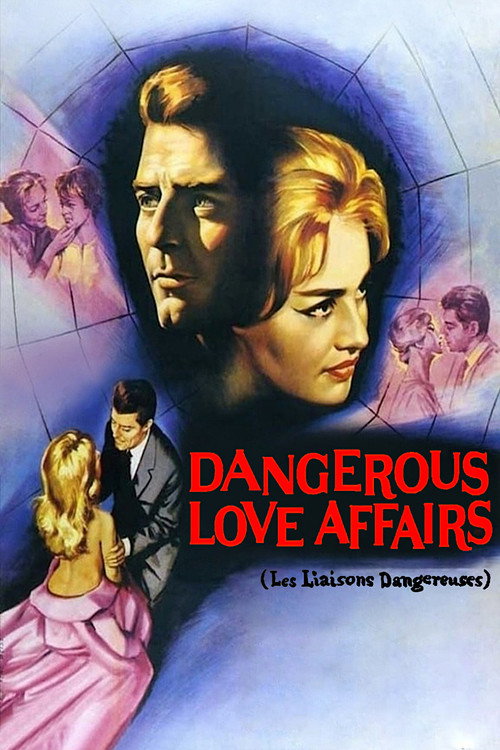
Dangerous Love Affairs1959
Laclos's novel of seduction and cruelty gets Vadim's sumptuous treatment. Like Madame Bovary, it's about appetite and the cost of treating people as novels. Gorgeously photographed, endlessly rewatchable.
But Deliberately artificial and theatrical. The eroticism is the whole point, which some find exhausting rather than compelling. Slow by modern standards.
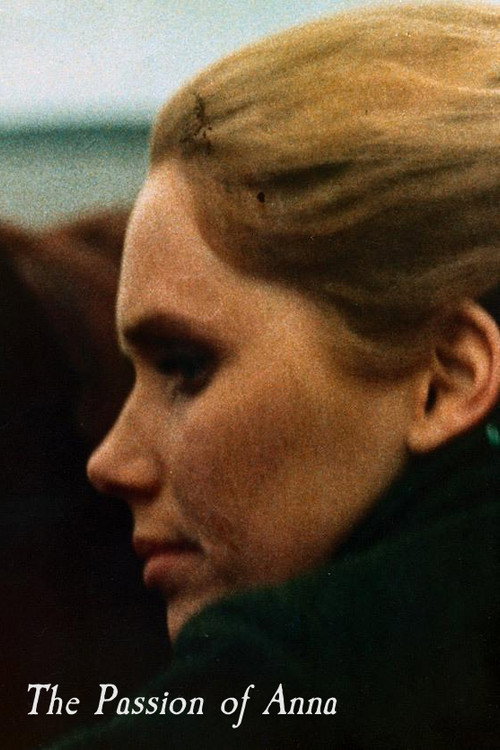
The Passion of Anna1969
Bergman's film about a woman's affair and its ripples through a small community shares Bovary's interest in how desire destroys the orderly world around it. Austere, psychologically acute, unflinching.
But Black and white, shot on a Swedish island with minimal plot. No music. If you need narrative momentum or warmth, this will feel like penance rather than pleasure.
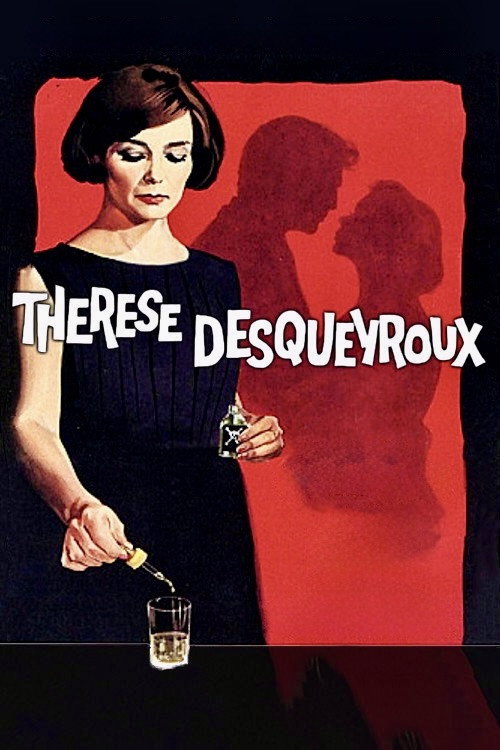
Therese1962
Rivette's film of Zola's novel about a woman's slow suffocation in marriage and her attempt to escape it. Quieter than Madame Bovary but spiritually akin. Hypnotic if you surrender to its rhythm.
But Glacial pacing. Shot in winter greys. The central character is passive and her suffering is interior. Some will find it admirable; others, just bleak.
Not sure tonight? Get a pick in a minute, starting from Madame Bovary
The wildcard
Something you would not have found on your own.
Sunrise: A Song of Two Humans1927
Both are about how desire and fantasy corrode a marriage and domestic stability. Both tragic, both sympathetic to the dreamer even as they chronicle the damage. Both filmed with extraordinary visual poetry to render interior longing.
Murnau's masterpiece about a man tempted away from his wife by desire and ambition, then saved by love. It's Madame Bovary inverted—the man is the dreamer, the woman the anchor. Visually overwhelming, emotionally perfect.
But Silent film from 1927 means no dialogue and 1920s acting styles. If you're not patient with silent cinema, the pacing and performance will seem quaint rather than powerful.

More like this (8)
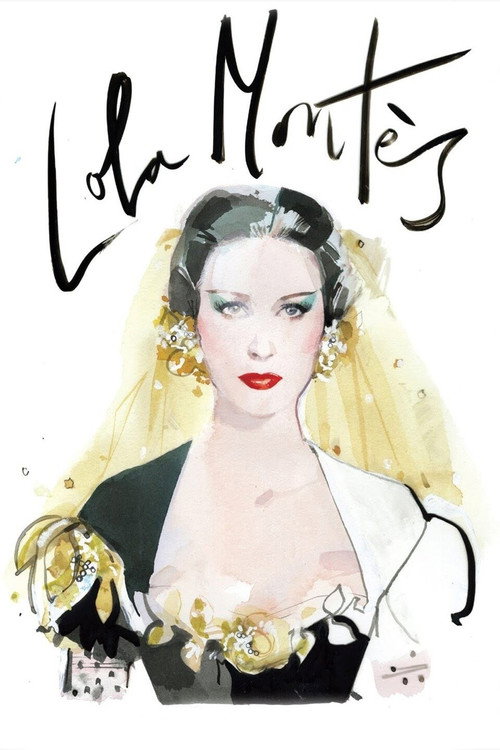
Lola Montès1955
Ophüls follows a courtesan through the wreckage of her desires, told in glittering flashbacks. Baroque and tragic, about a woman destroyed by men who wanted her beauty more than her personhood. Stunning.
But Digressive structure and emotional excess. If you want a straightforward story, the fractured narrative and passionate melodrama will feel indulgent or overwrought.
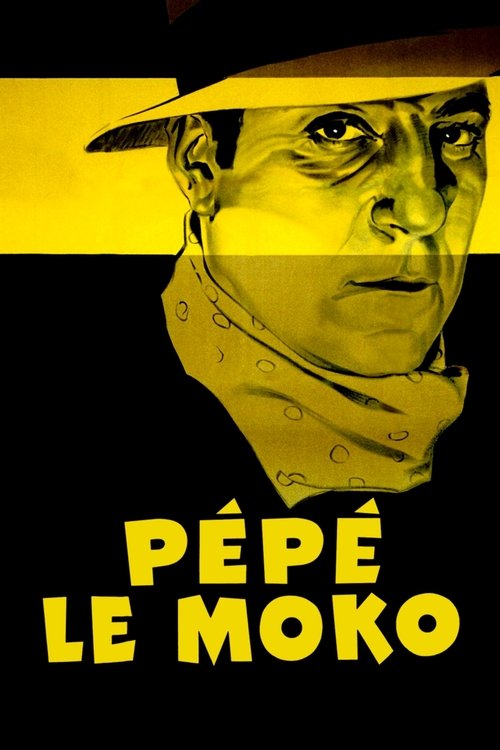
Pépé le Moko1937
Another Renoir-era French classic about desire and escape. A man trapped in the Casbah dreams of a life he cannot have. Shares Bovary's tragic fatalism and its sympathy for impossible yearning.
But The print quality on many versions is poor. Plot turns on coincidence and fate rather than character. Can feel dated in its romantic pessimism.
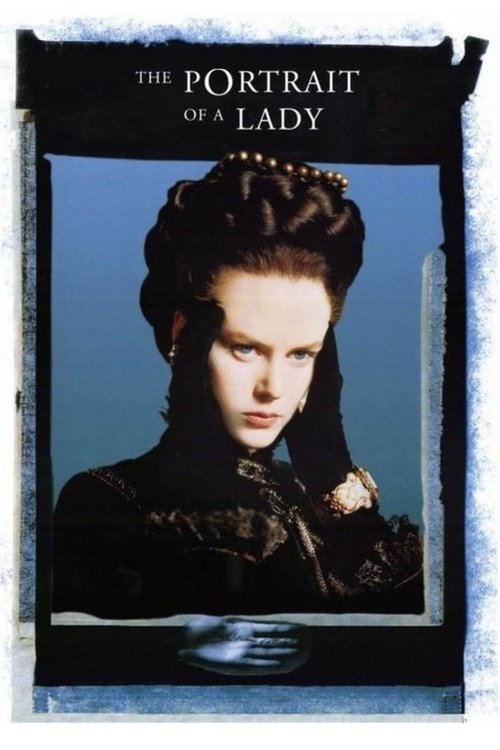
The Portrait of a Lady1996
Campion's Henry James adaptation examines a woman's refusal of safe marriage and her choices' consequences. Visually inventive, psychologically subtle, animated by the same questions about female independence and desire.
But Modernist in sensibility even though it's period. The heroine makes choices you may find baffling or self-destructive. Some find it beautiful; others, frustrating.
Hiroshima Mon Amour1959
Resnais and Duras's film about a woman escaping into an affair, using memory and desire to avoid the present. Like Bovary, it's about how fantasy becomes more real than life until reality shatters it.
But Fragmented narrative, experimental structure, philosophical rather than emotional. If you want psychological realism, the abstraction will feel alienating. Demands active watching.
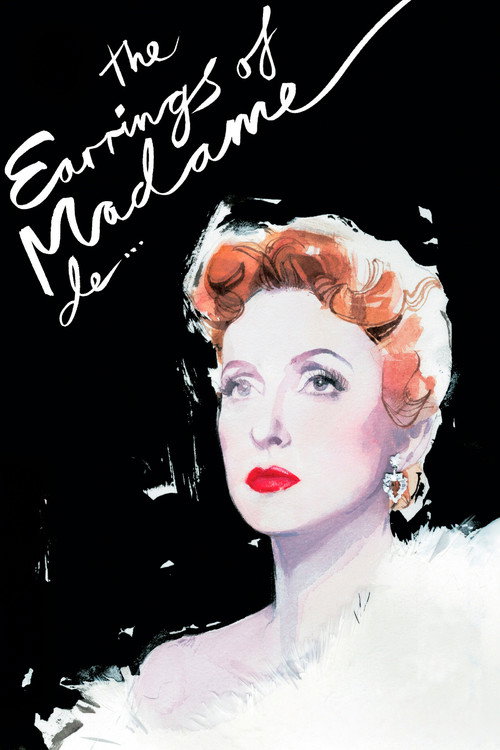
The Earrings of Madame de...1953
Ophüls again, this time tracking a lie and an affair through Parisian high society. A woman's small deception spirals into passion and ruin. Elegant, witty, and devastating about how desire undoes us.
But Comedy-drama that prioritizes style over feeling. Can seem trivial—a woman's earrings matter less than her heart. Some find the lightness heartless.
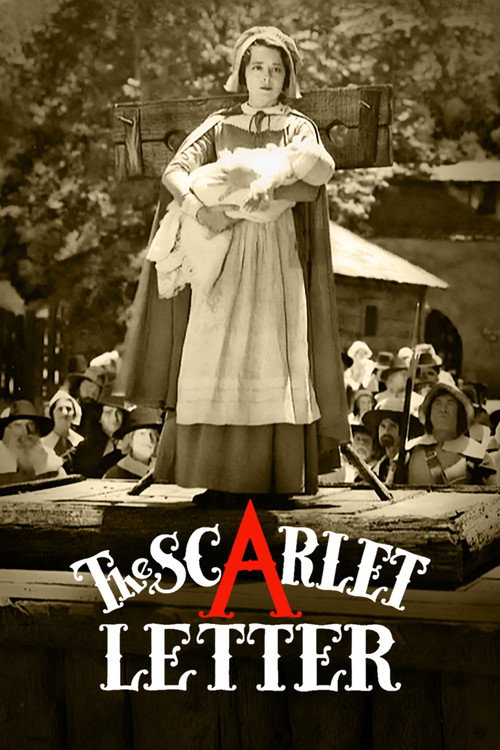
The Scarlet Letter1934
Sjöström's adaptation shares the era and Bovary's interest in a woman condemned by her desire. Puritanism versus passion, respectability versus truth. Silent-era intensity applied to Hawthorne.
But 1934 production values and theatrical acting. Narrative is driven by morality rather than psychology. Can feel like a sermon, and not an interesting one.
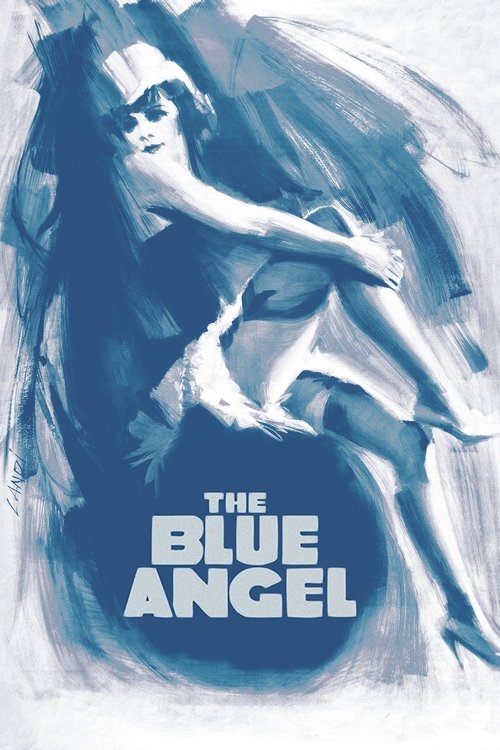
The Blue Angel1930
Mirror-image narrative: both chart the trajectory from respected provincial life to total social and personal ruin through erotic obsession. Both argue that desire—not evil, not weakness, just desire—is catastrophic. Both are filmed with operatic intensity.
Von Sternberg's Weimar masterpiece: a man destroyed by desire for a woman who doesn't love him. Where Madame Bovary is female suffering, this is male self-destruction through the same alchemy. Marlene Dietrich is hypnotic.
But German expressionist cinema, explicitly sexual for 1930. Some will find Dietrich's performance mannered. The film's treatment of the woman as destroyer may feel dated or cruel.
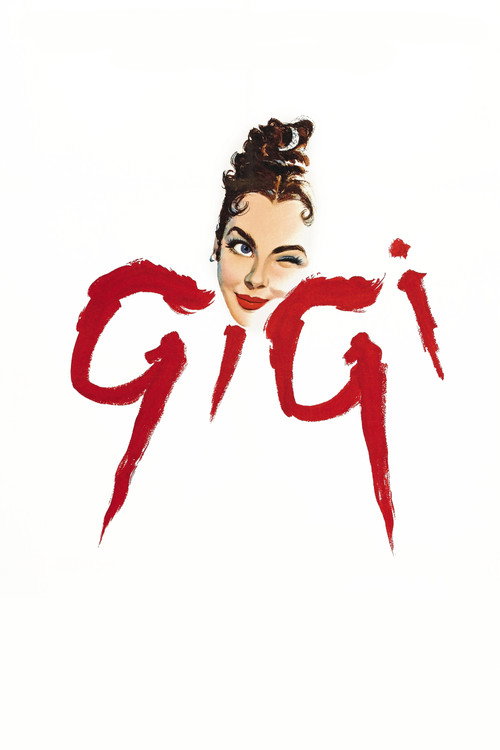
Gigi1958
Both are Parisian stories about women and desire and social expectation. But where Emma Bovary is trapped by her desire, Gigi escapes through it. Same world, opposite outcome—a fascinating counterargument to Flaubert's pessimism.
Vincente Minnelli's musical about a young woman groomed for the mistress's role, who chooses love instead. Joyful where Bovary is tragic, but asking the same question: what happens when a woman refuses the life assigned to her?
But A musical, so completely different register. Ends in happiness, not ruin. If you want Bovary's darkness, this optimism will feel like evasion. May read as dated in its gender politics.
People
Cast
 Valentine TessierEmma Bovary
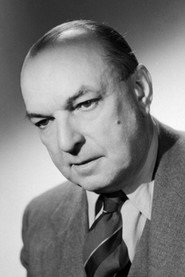 Pierre RenoirCharles Bovary
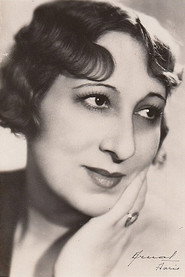 Alice TissotMadame Bovary, Charles' mother
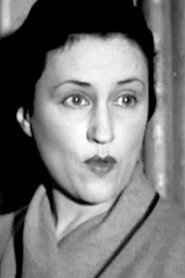 Héléna MansonHéloïse Bovary
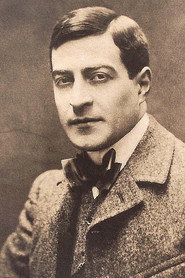 Max DearlyHomais, pharmacist
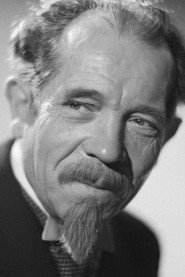 Pierre LarqueyHippolyte Tautain, clubfoot
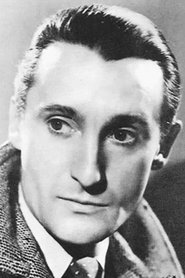 Robert Le ViganMr. Lheureux, fabric merchant
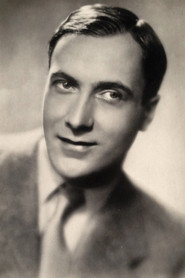 Daniel LecourtoisLéon Dupuis
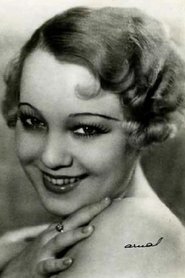 Monette DinayFélicité
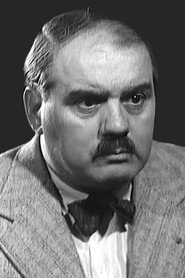 Louis FlorencieParish priest
- Romain BouquetSolicitor
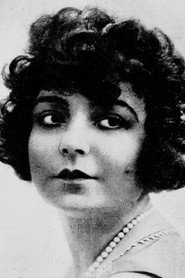 Christiane DorMadame La François
Directing
- Jean RenoirDirector
Writing
- Gustave FlaubertNovel
- Jean RenoirScreenplay