
Film
Madame Bovary
Other titles called Madame Bovary: the 1934 film, the 1949 film, the 2015 film.
- Period drama
- Tragic romance
- Very dark
Claude Chabrol's *Madame Bovary* is a measured, intelligent excavation of desire and delusion in provincial France. Isabelle Huppert delivers a performance of terrifying clarity—Emma is neither heroine nor villain, but a woman watching her own ruin with unflinching eyes. It's austere and occasionally glacial, but hypnotic.
Should you watch it?
Watch it if you love stories where a restless mind slowly curdles against its small world, and you can sit with a patient, unflinching study of desire and boredom.
Skip it if you want brisk momentum or warmth in your characters, since this is slow, cool and watches its heroine with little sympathy, across a long two hours and twenty minutes.
What it asks of you: Its shape is patient: nearly two and a half hours of scenes where long stretches of ordinary provincial life carry the weight and the mood stays deliberately flat.
Not sure? Find tonight's pick in a minute.
If you liked this
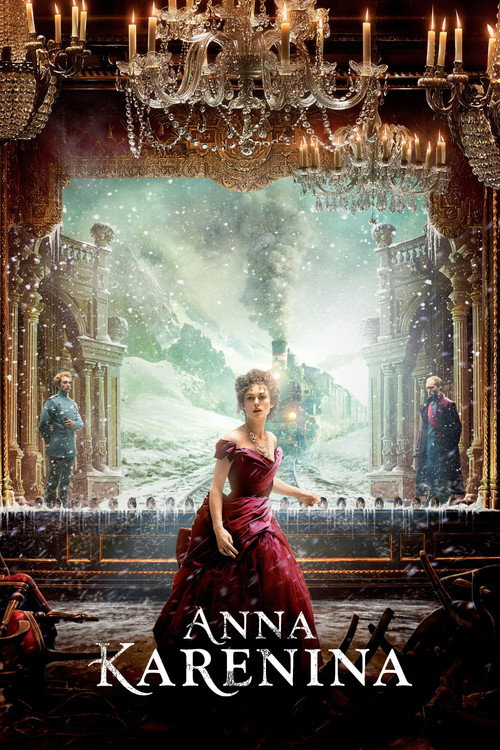
Anna Karenina2012
A woman trapped by society and her own romantic illusions; Joe Wright's film has the same sweep and visual poetry, and Keira Knightley captures that particular fatal elegance that Huppert brings to Emma.
But It's quite long and the pacing is deliberate. Some find the tragedy exhausting rather than moving.
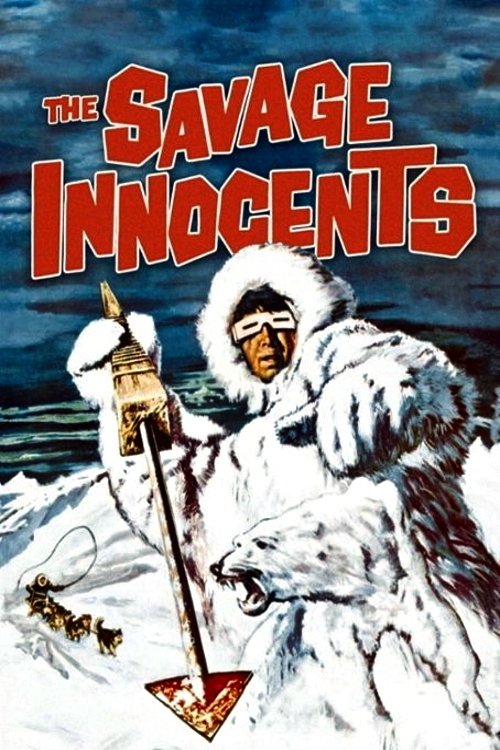
The Savage Innocents1960
Another Huppert-adjacent study of a woman undone by circumstance and appetite, set in a different world but animated by the same tragic inevitability. Brigitte Bardot in her most vulnerable role.
But It's French New Wave in spirit—elliptical, sometimes frustrating, and uninterested in making you comfortable.
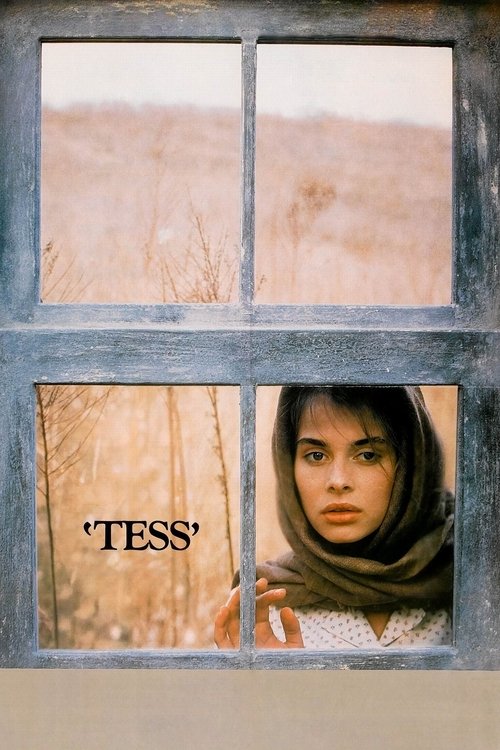
Tess1979
Polanski's masterpiece about a woman destroyed by fate, desire, and the world's refusal to forgive her. Like *Madame Bovary*, it finds tragedy in the gap between longing and reality.
But It's three hours and relentlessly bleak. The final act is almost unbearable.
Not sure tonight? Get a pick in a minute, starting from Madame Bovary
The wildcard
Something you would not have found on your own.
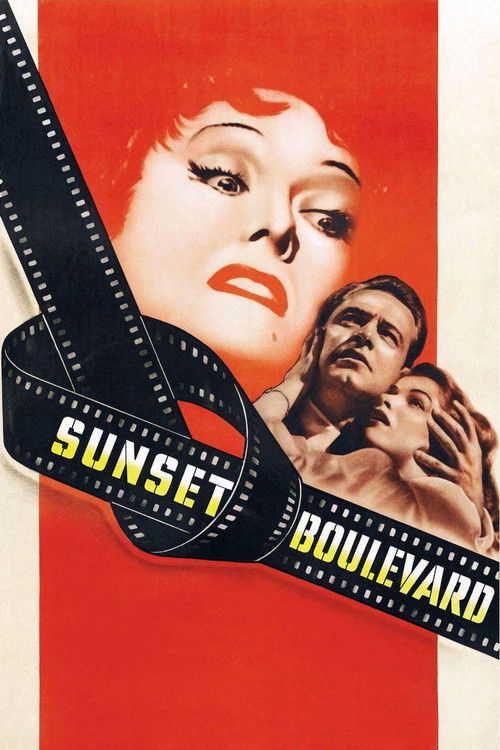
Sunset Boulevard1950
Both films use an unreliable narrator and visual sophistication to show us the gap between what a character believes about themselves and what's actually true. The tragedy isn't circumstance—it's clarity coming too late.
Billy Wilder's Hollywood tragedy is structured around the same moral vertigo as *Madame Bovary*—a protagonist who cannot see the reality that's destroying them, narrated by someone already dead. Same shape, entirely different world.
But It's a noir about faded starlets, which can feel campy if you're expecting tragedy. The tone is darker and more cynical than Chabrol.
More like this (8)
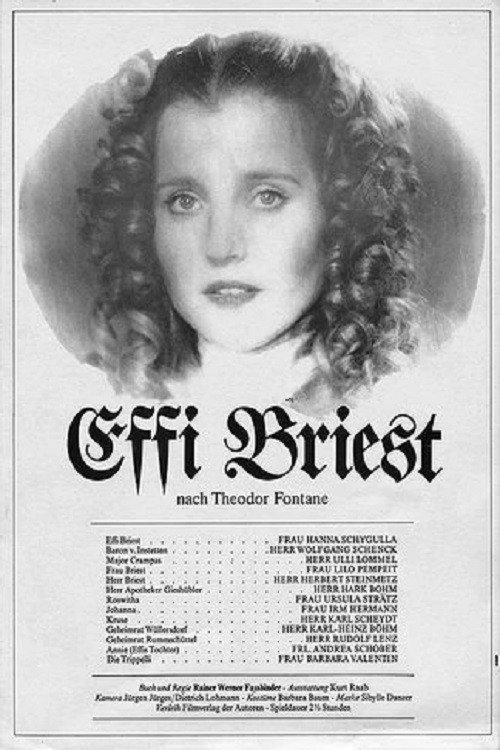
Effi Briest1974
Another Fassbinder dissection of a woman betrayed by her own yearnings and the machinery of society. Hanna Schygulla in a role that mirrors Emma's trajectory with surgical precision.
But It's German cinema of the bleakest stripe—austere, slow, and absolutely merciless. Not for viewers seeking catharsis.
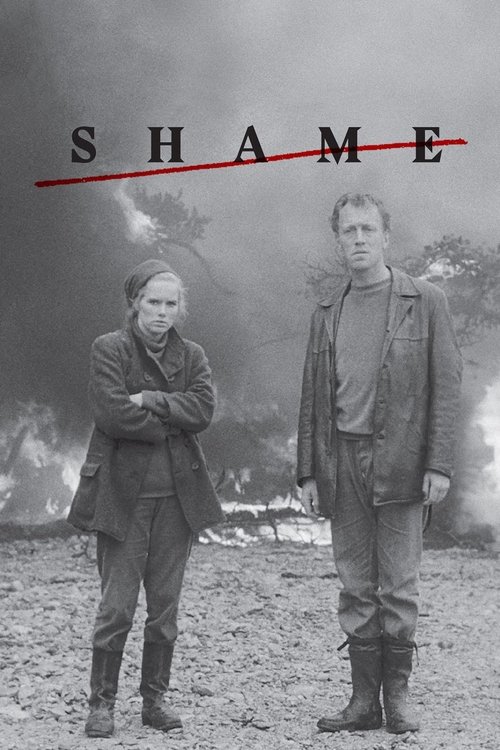
Shame1968
Bergman's study of moral collapse during moral collapse. Like Chabrol, he finds the essence of tragedy in small rooms and the erosion of self. Liv Ullmann gives everything.
But It's a Bergman film about Swedish intellectuals during a civil war. If that doesn't appeal to you, this won't either.
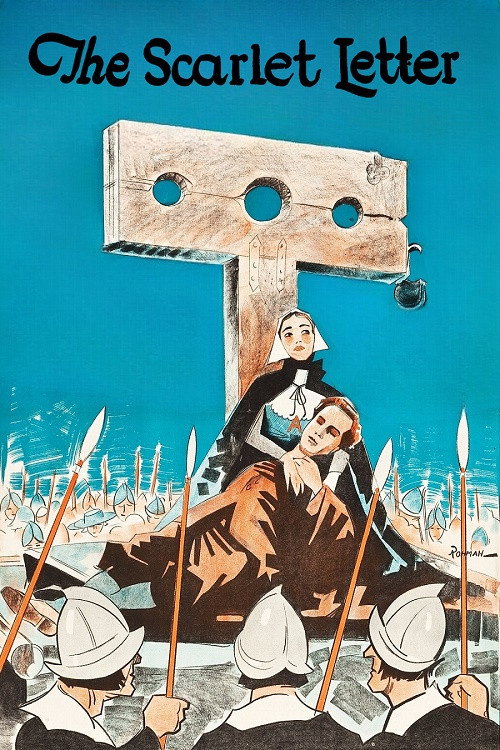
The Scarlet Letter1927
Lillian Gish as Hester Prynne, another woman destroyed by desire and judgment. This silent film has an emotional directness that later versions lost.
But It's silent, which requires a different rhythm of watching. The melodrama can feel overheated to modern eyes.
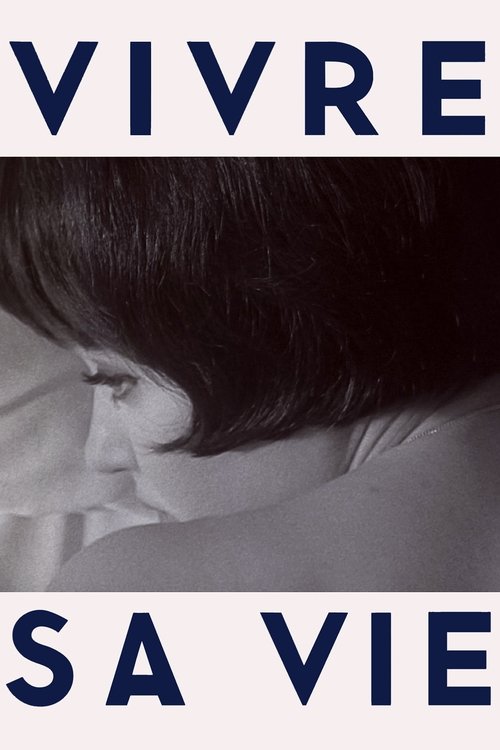
Vivre Sa Vie1962
Godard's *My Life to Live*: Anna Karina as a woman making choices that lead to ruin, filmed with deceptive simplicity. Different register entirely, but the same reckoning.
But It's very French New Wave—fractured, philosophical, sometimes oblique. You have to meet it halfway.
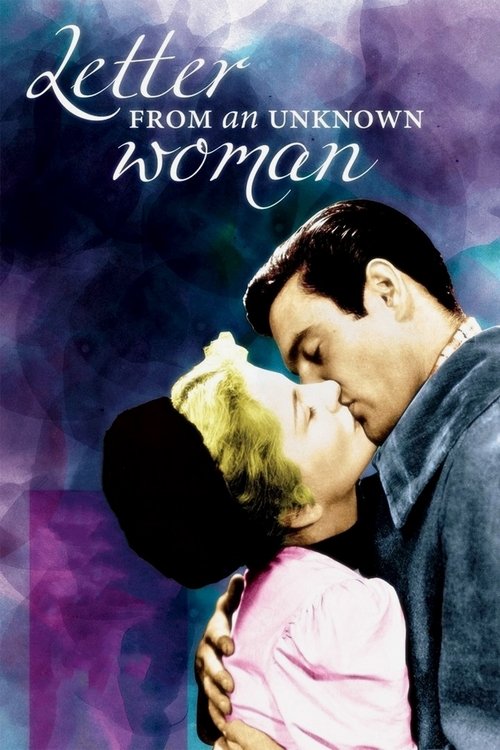
Letter from an Unknown Woman1948
Ophüls' masterpiece about longing and its impossibility. Joan Fontaine as a woman haunted by the gap between fantasy and reality. The visual style is lush where Chabrol is spare, but the moral core is identical.
But It's a melodrama from 1948. The emotional register may feel dated, and the pacing is deliberate.
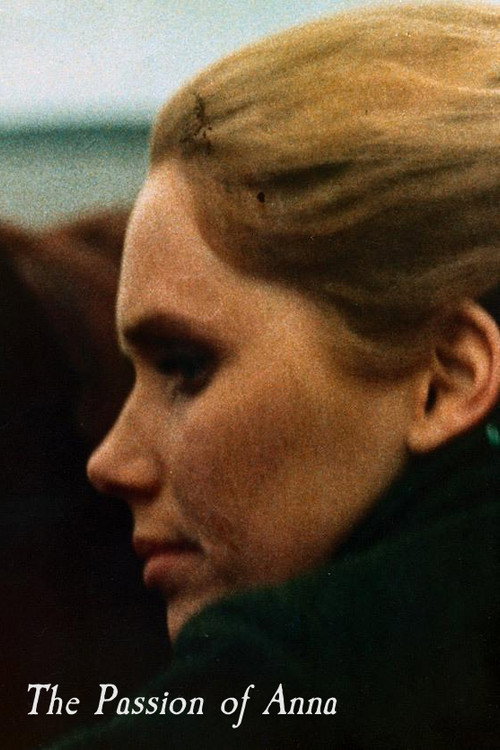
The Passion of Anna1969
Bergman again, this time about the wreckage of passion on an island. Max von Sydow and Liv Ullmann in a claustrophobic examination of desire's aftermath.
But It's even more austere than *Shame*. Some stretches feel like an endurance test rather than cinema.
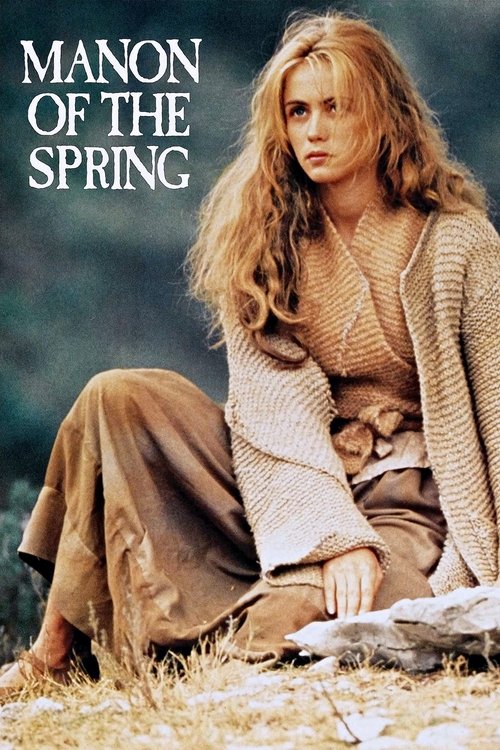
Manon of the Spring1986
Both films anatomize the French provinces as a trap, and both argue that escape is the one thing the provinces make impossible. Different solutions to the same problem.
Yves Robert's adaptation of a different French classic finds the same preoccupation with desire, economics, and the inescapability of small-town life. Emmanuelle Béart in a role that inverts Emma's passivity into something more active—and just as doomed.
But It's a pastoral melodrama with an enormous scope. If you want intimacy, you won't find it here.
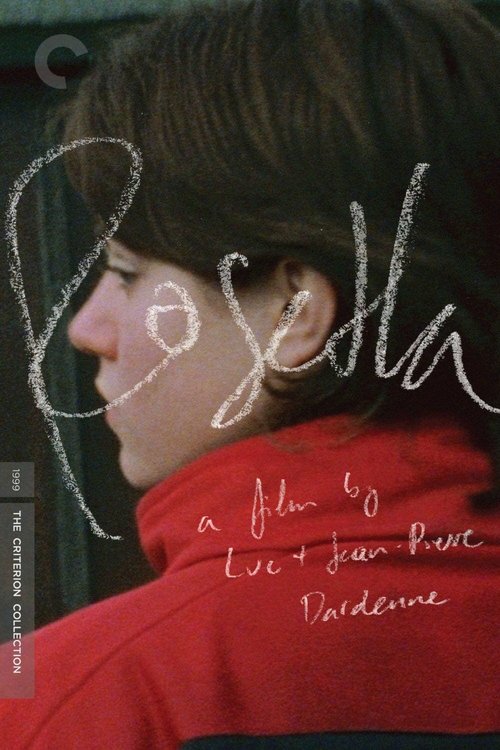
Rosetta1999
Both films examine what happens when a person's desires collide with a world indifferent to their existence. Chabrol photographs elegance in that collision. The Dardennes photograph brutality. Same structure, opposite registers.
Dardenne brothers' rawness about a girl with nothing, wanting only the smallest thing. Where *Madame Bovary* is about wanting too much, *Rosetta* is about the same fate arriving from the opposite direction. Same ending, different economic register.
But It's minimalist, handheld, and relentlessly bleak. There's no beauty here, only desperation. Some find it unwatchable.
People
Cast
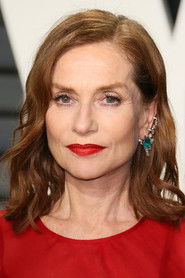 Isabelle HuppertEmma Bovary
 Jean-François BalmerCharles Bovary
 Christophe MalavoyRodolphe Boulanger
 Jean YanneM. Homais
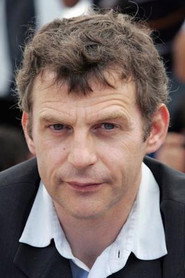 Lucas BelvauxLeon Dupuis
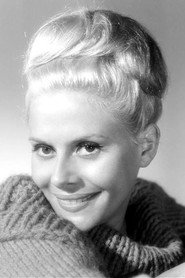 Christiane MinazzoliLa veuve Lefançois
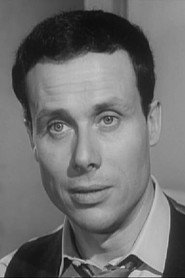 Jean-Louis MauryMerchant Lheureux
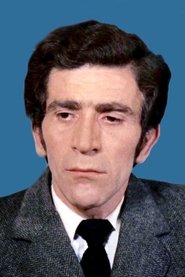 Henri AttalMaître Hareng
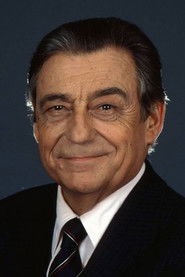 François PérierNarrateur
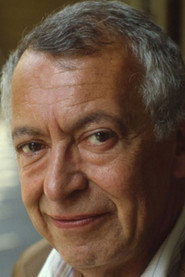 François MaistreLieuvain
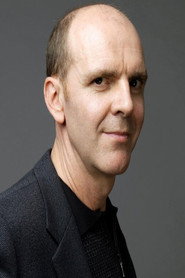 Florent GibassierHippolyte
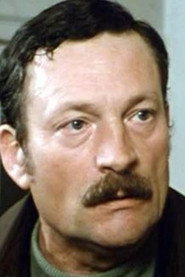 Jean-Claude BouillaudLe père d'Emma
Directing
- Claude ChabrolDirector
Writing
- Gustave FlaubertNovel
- Claude ChabrolScreenplay
Production
- Marin KarmitzProducer
Recommended by
Anna Karenina, Peppermint Soda, Goodbye, Columbus, The Hurricane Express, Therese, Effi Briest, Zanzibar, The Story of Sin