
Film
Peppermint Soda
Peppermint Soda captures the precise, aching moment when childhood tips into adolescence. Set in Paris in 1963, it follows two sisters—one just becoming a teenager, one already there—through a year of small upheavals: school, boys, bodies changing, parents' silences. It's funny and tender without ever winking at you. Diane Kurys made a film about the exact feeling of being thirteen.
Should you watch it?
Watch it if you love coming-of-age films that observe a young girl's private world with patience and warmth, where small rebellions, schoolgirl friendships and family friction carry the emotional weight rather than plot machinery.
Skip it if you want a brisk story with a clear arc and steady escalation; this is loose and episodic, ambling through school days and household moods at its own unhurried pace.
What it asks of you: Roughly an hour and forty minutes of quiet attention, with long stretches of ordinary life and conversation; it lingers on looks and silences more than it builds toward set pieces.
Not sure? Find tonight's pick in a minute.
If you liked this
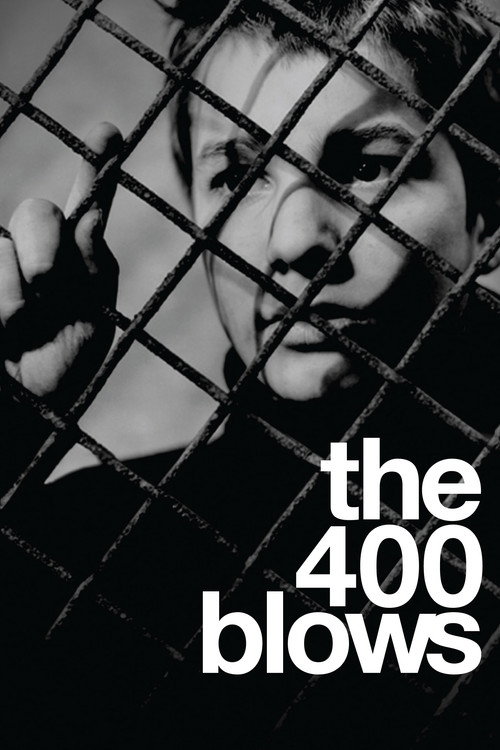
The 400 Blows1959
Truffaut's portrait of a boy adrift in Paris during the 1950s has the same ache—how adults fail children, how childhood ends before you're ready. You'll recognize the Paris, recognize the mood, recognize the loneliness.
But It's melancholic throughout. There's no catharsis, just a child disappearing into the system. Some viewers find it slow.
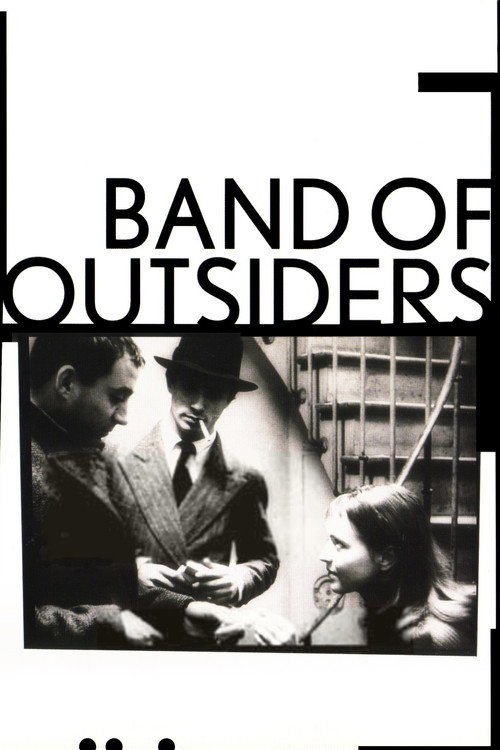
Band of Outsiders1964
Godard's film about three young Parisians in the early '60s shares Peppermint Soda's period, its wry observation of youth, its refusal to sentimentalize. The Paris here feels alive and uncertain in the same way.
But It's more oblique about plot. If you want story clarity over atmosphere and character, you'll find it frustrating.
Cléo from 5 to 71962
Agnes Varda's real-time portrait of a young woman waiting for test results is about the texture of a moment and the thoughts that move through a person. Like Peppermint Soda, it trusts small scenes and interior life.
But Very little happens externally. It's 90 minutes of a woman moving through Paris. Some find that meditative; others find it thin.

Not sure tonight? Get a pick in a minute, starting from Peppermint Soda
The wildcard
Something you would not have found on your own.
My Own Private Idaho1991
Both films are about the precise interior life of adolescence or near-adolescence; both treat youth as a condition with its own legitimate interiority, not as a prelude to adulthood. Both resist explaining or moralizing.
Gus Van Sant's film about two hustlers on the road feels wildly different—it's American, it's grunge-era, it's about boys, it's occasionally surreal—but it has the same precise, unsentimental eye for the texture of youth and displacement, the same trust in small moments.
But It's sexually explicit and deals with abuse. It can be slow and digressive. The stylistic shifts won't work for everyone.

More like this (8)
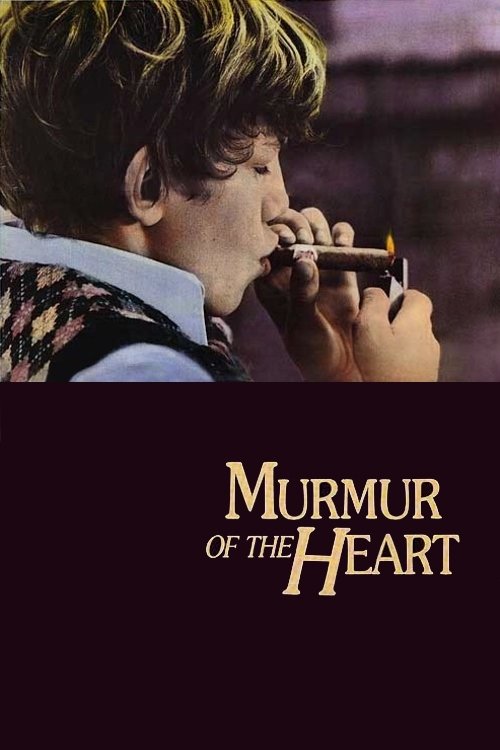
Murmur of the Heart1971
Louis Malle's film about adolescence in 1950s France—the confusion, the physical awakening, the family drama—hits many of the same notes as Peppermint Soda with warmth and surprising humor about the body and desire.
But Its central incident is genuinely uncomfortable. It's not exploitative, but it asks a lot of the viewer's generosity.
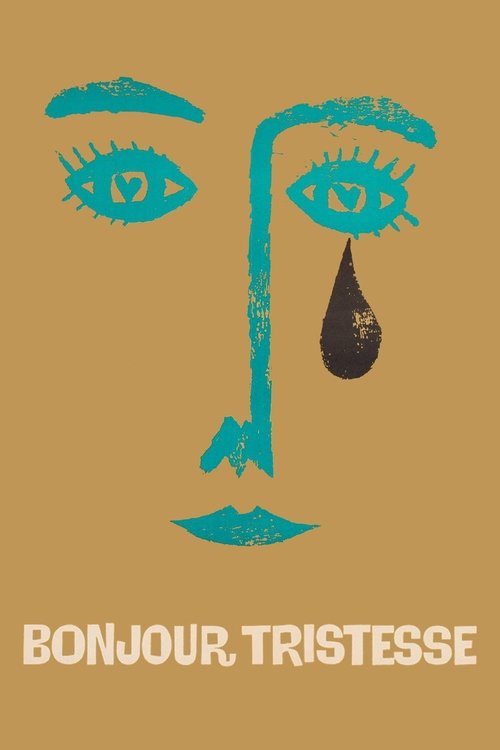
Bonjour Tristesse1958
Otto Preminger adapts Françoise Sagan's novel about a teenage girl's summer on the Riviera. The same era, the same sense of adolescence as a country with its own logic, the same gorgeous, melancholic Paris light.
But It's visibly a 1950s Hollywood production, which works against the book's intimacy. Some of the psychology feels dated or thin.
Madame Bovary1991
Claude Chabrol's adaptation captures the provincial French world and the interior rebellion of a woman frustrated by her life. While not about adolescence, it echoes Peppermint Soda's interest in female interiority and social constraint.
But It's measured and austere. Chabrol doesn't provide emotional shortcuts; you have to meet the character halfway.

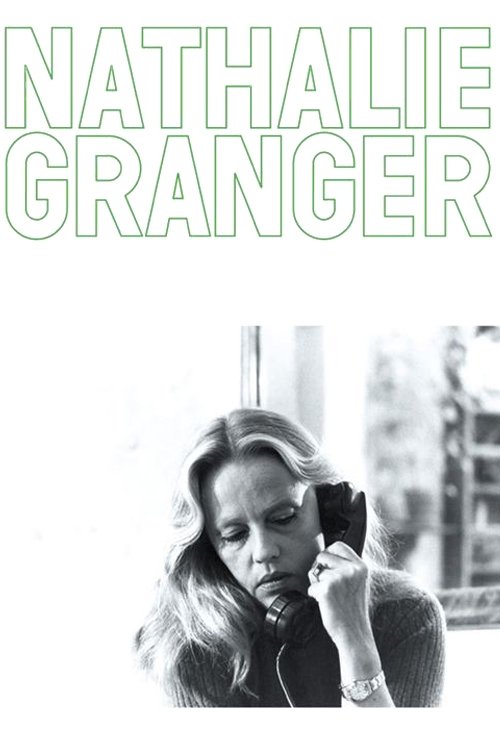
Nathalie Granger1973
Marguerite Duras's film about a day with two girls—what they notice, how they move through domestic space, what's unspoken—has the same faith in observing youth without explaining it.
But Virtually nothing happens. It's almost abstract in its refusal of plot. If you need narrative drive, look elsewhere.
Going Places1974
Bertrand Blier's film about two drifters is a different entry point to 1970s French cinema and youth adrift, with dark humor and a rough freedom that contrasts productively with Peppermint Soda's restraint.
But It's bawdy and sometimes brutish. The gender politics are dated and troubling. It's not a companion piece; it's a corrective.

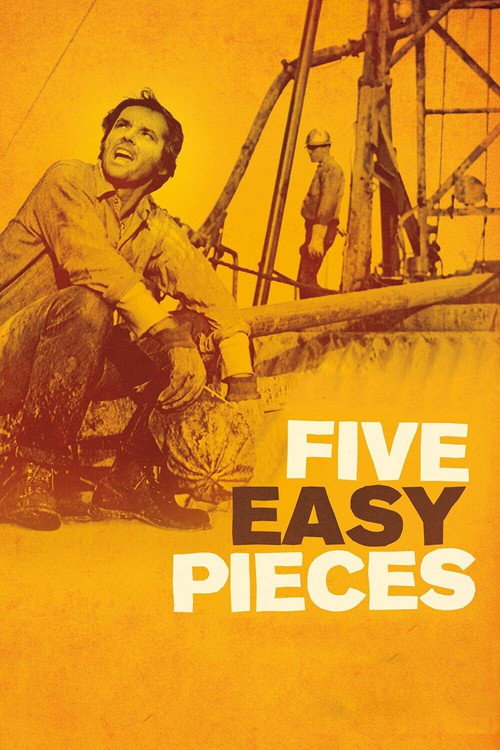
Five Easy Pieces1970
Rafelson's film about a man returning home captures family dynamics and the impossibility of bridge the distance between who you are and who your family thinks you are. Not about adolescence, but about similar estrangement.
But It's American and male-centered. The mood is irritable rather than melancholic. Some scenes feel contrived.
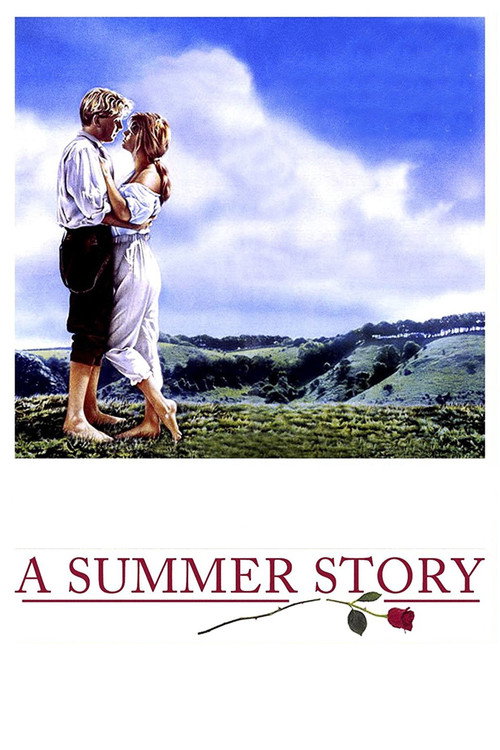
A Summer Story1988
Where Peppermint Soda is about the school year disrupting childhood, this is about summer as a threshold—same focus on ordinary moments, same faith in mood over incident, same era-specific atmospheric detail.
This quiet, almost forgotten adaptation of a Tolstoy novella is set in a Russian dacha and captures the exact melancholic texture of a formative summer—the boredom, the half-articulate feelings, the way time moves differently when you're young. It's European, intimate, unhurried.
But It's genuinely obscure and hard to find. It's slow and nothing you'd call a plot happens. The emotional payoff is muted.
The Savage Innocents1960
Both films are genuinely curious about how young people understand the world they're born into—not from outside, but from within their own logic and experience.
Nicholas Ray's film about an Inuit family is radically different in setting and subject, but it shares Peppermint Soda's interest in how people—especially young people—navigate a world with different rules. It's anthropological without being cold, attentive to detail, visually stunning.
But It's a Western in disguise with the genre's old assumptions about 'primitive' life. It can read as dated. Some scenes play as condescending now.

People
Cast
 Éléonore KlarweinAnne Weber
 Odile MichelFrédérique Weber
 Yves RénierPhilippe
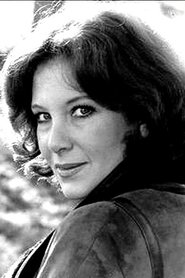 Anouk FerjacMme Weber
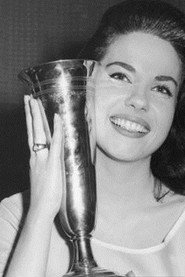 Jacqueline BoyerPetitbon
 Michel PuterflamM. Weber
- Robert RimbaudM. Cazeau
- Marie Véronique MaurinMuriel
 Corinne DaclaPascale
 Coralie ClémentPerrine
 Dora DollThe Gymnastics Teacher
- Françoise BertinThe French Teacher
Directing
- Alain Le HenryAssistant Director
- Diane KurysDirector
Writing
- Alain Le HenryWriter
- Diane KurysWriter
Production
- Jean-Claude FleuryExecutive Producer
- Serge LaskiProducer
- Armand BarbaultProduction Manager
Recommended by
International Velvet, Into the Night, Rosewater, Speedway Junky, Man of Ashes, The Party, Murmur of the Heart, The Death of Mario Ricci, Proving Ground 1