
Film
Proving Ground 1
A Russian science-fiction film where troubled teenagers from a state colony are thrust into surreal, hallucinatory worlds by their teachers' experiment—encountering cowboys, monsters, and historical figures in increasingly bizarre scenarios. It's delirious and disorienting, pitched somewhere between fever dream and political allegory. For those who prize strangeness and don't need their sci-fi neat.
If you liked this
Stalker1979
Andrei Tarkovsky's meditation on desire and meaning through a guide leading seekers into a mysterious zone. Hypnotic, philosophical, and deeply Russian in its willingness to prioritize mood over plot.
But It moves at its own pace—glacial by most standards. Patience required; rewards are abstract rather than narrative.

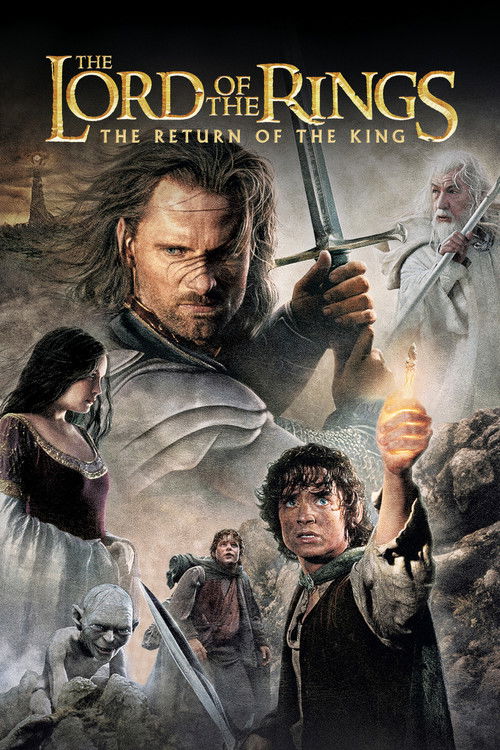
The Lord of the Rings: The Return of the King2003
Andrey Zvyagintsev's elliptical masterpiece about a man returning to his family after 12 years. Unsettling, precise, shot with stunning clarity. Modern Russian cinema at its most uncompromising.
But Answers are withheld. The film trusts you to sit with ambiguity and dread rather than resolve them.
Come and See1985
Elem Klimov's devastating portrait of childhood obliterated by war. Visually operatic and morally unflinching. One of cinema's most consequential films about the true cost of conflict.
But It is almost unwatchable in places. Not entertainment; an ordeal designed to break your understanding of what film can do.

Not sure tonight? Get a pick in a minute, starting from Proving Ground 1
The wildcard
Something you would not have found on your own.
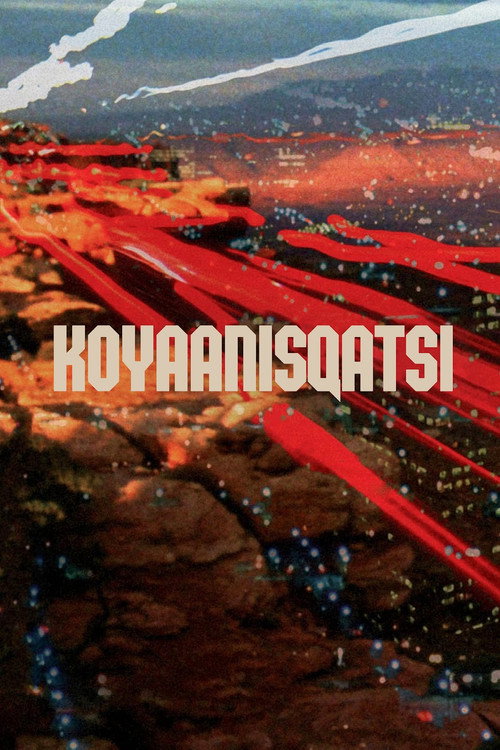
Koyaanisqatsi1983
Both films distrust conventional narrative. Both use disorientation and collage to suggest a world spiralling beyond comprehension. Both are essentially fever dreams structured as cinema.
Godfrey Reggio's wordless visual essay on industrialization and the fracturing of human experience. Scored by Philip Glass, it's hypnotic and apocalyptic without saying a word. Like *Proving Ground 1*, it uses image and sound to create vertigo.
But There is no narrative at all, only sequences. If you need story or dialogue, this will feel like punishment.
More like this (8)
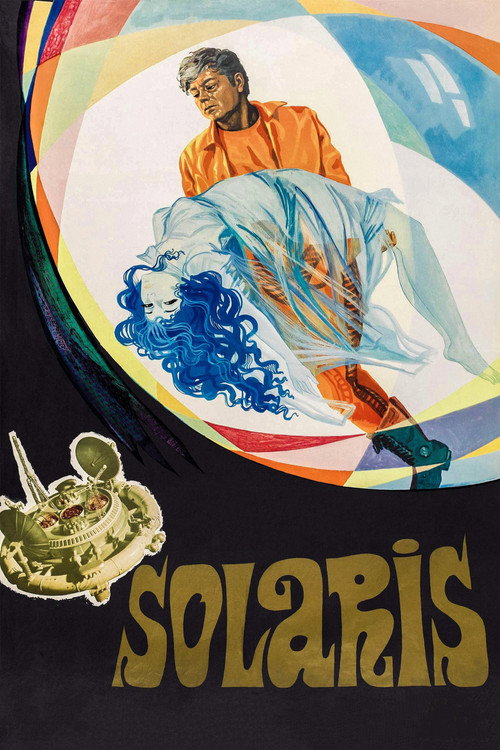
Solaris1972
Tarkovsky again, but in space: a meditation on memory, identity, and whether connection is ever truly possible. Gorgeous, strange, it asks enormous questions quietly.
But The pacing will test you. It's a three-hour film that could easily stretch another hour without losing you.
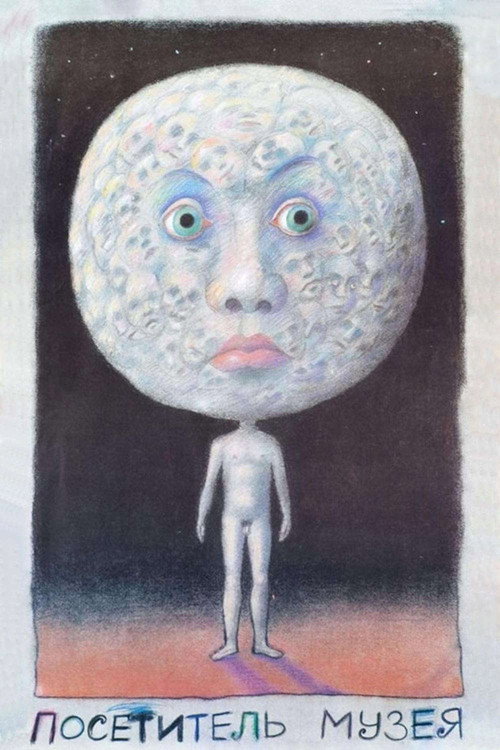
A Visitor to a Museum1989
Aleksandr Sokurov's single-take essay on history, art, and collapse. Fractured, digressive, dazzling. It assumes you're alert and won't spell anything out.
But Experimental to the point of alienation. There is no plot to grip; only fragments and philosophy.
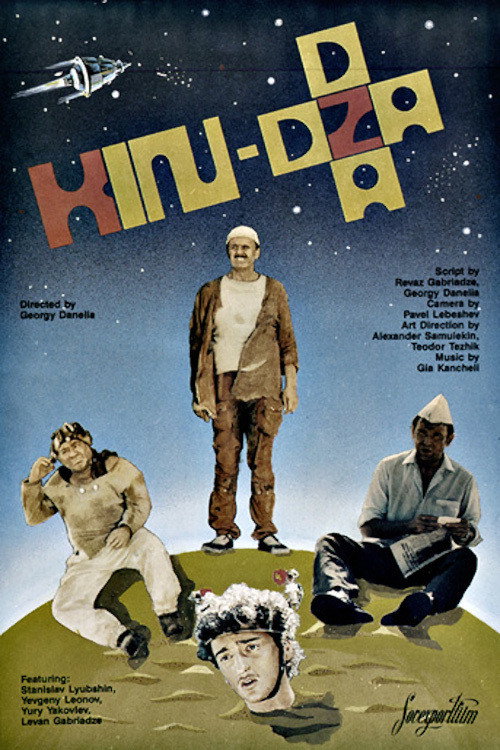
Kin-dza-dza!1986
Georgy Daneliya's absurdist sci-fi comedy about Soviet citizens transported to a dystopian alien planet. Hilarious, surreal, and more politically pointed than it first appears.
But The humour is deliberately silly and the world-building chaotic. If you need logic, this will frustrate you.
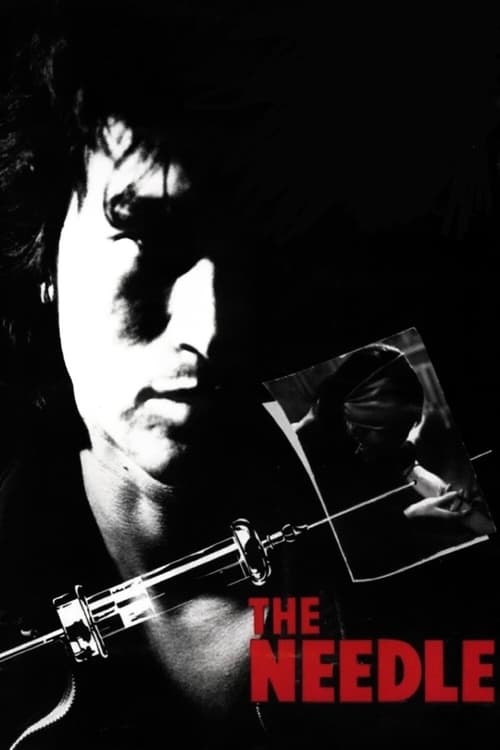
The Needle1989
Rashid Nugmanov's punk-rock fever dream about a rock musician returning from Afghanistan. Visually daring, musically fierce, and emotionally raw in ways Western cinema rarely attempts.
But Narrative structure is secondary to mood and sensation. It prioritizes feeling over clarity.
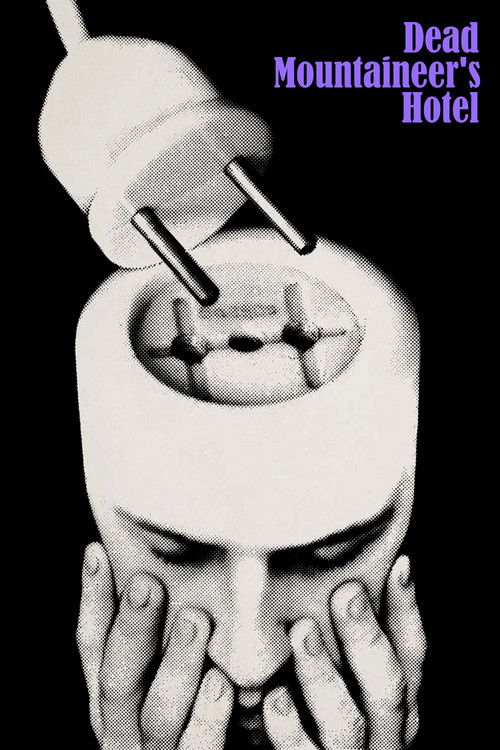
Dead Mountaineer's Hotel1979
Grigory Kromanov's surreal mystery set in a strange hotel in the Caucasus. Genuinely eerie, beautifully shot, with an unsettled energy that builds throughout.
But The plot remains deliberately obscure. Some viewers will find it frustrating rather than intriguing.
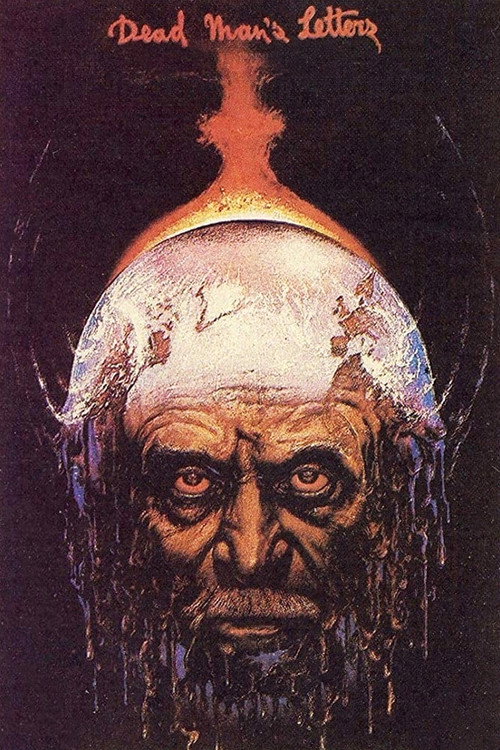
Dead Man's Letters1986
Sokurov's black-and-white meditation on death, memory, and artistic legacy. A haunted, quiet masterpiece about an old artist confronting the end.
But It is bleak and slow and makes no concessions to narrative comfort. Requires an audience willing to grieve alongside it.
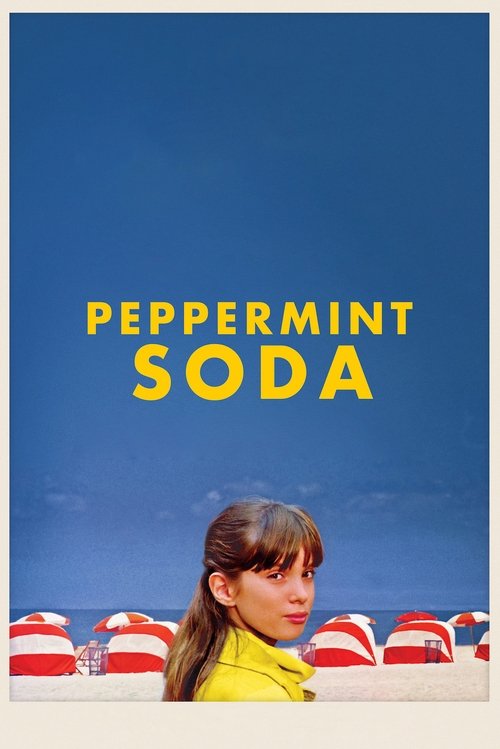
Peppermint Soda1977
Both centre teenagers navigating a world controlled by adults and ideology. Both understand that adolescence is itself hallucinatory—reality uncertain, identity unstable. Different tones, same truth.
Diane Kurys's tender, funny portrait of two sisters navigating adolescence in 1960s Paris during political upheaval. Warm and humanistic where *Proving Ground 1* is cold and surreal—but equally interested in how external chaos warps internal growth.
But It's a modest, character-driven film with no plot in the conventional sense. Requires affection for observation over incident.
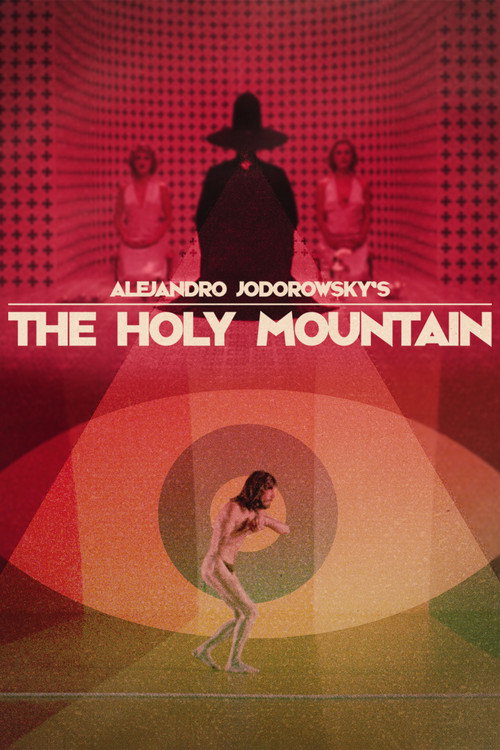
The Holy Mountain1973
Both use hallucinatory imagery as a vehicle for philosophical inquiry. Both distrust realism and linear logic. Both assume the viewer can tolerate not understanding while still feeling something true.
Alejandro Jodorowsky's surrealist masterpiece—a spiritual odyssey through impossible landscapes and grotesque encounters. Deliberately incoherent, visually overwhelming, it's acid-trip cinema with genuine metaphysical ambition. *Proving Ground 1*'s spiritual cousin.
But It is aggressively weird and self-consciously obscure. Some sequences are designed to disturb. Not for viewers seeking clarity or conventional meaning.
People
Cast
Directing
- Valeriy RodchenkoDirector
Writing
- Valeriy RodchenkoScreenplay
- Valeri PopovWriter